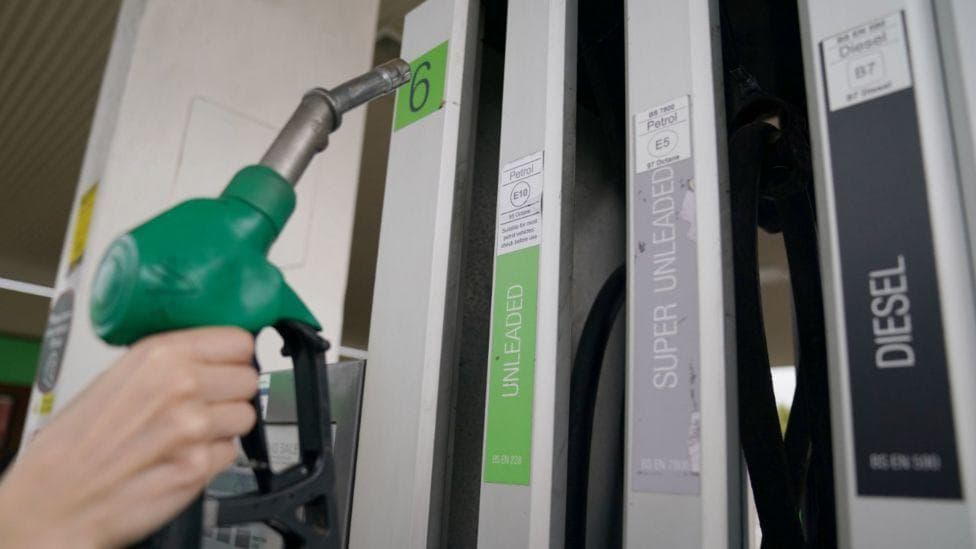
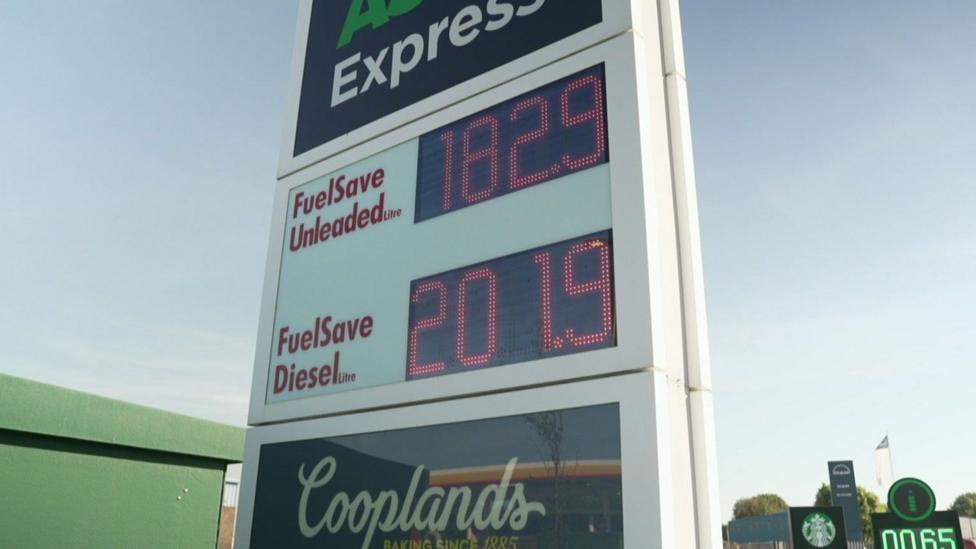
Record-breaking fuel prices across the United Kingdom have created widespread hardship, with diesel reaching an unprecedented 199.33p per litre and petrol climbing to 174.23p per litre. The surge, driven by geopolitical tensions in the Middle East disrupting global oil supplies, has forced individuals and businesses across southern England to make difficult decisions about their spending and operations.
The RAC confirmed earlier this week that diesel prices had entered what it described as
"uncharted territory", serving as a stark reminder of
"just how exposed the UK is to events occurring far away". According to the RAC's latest data, filling an average family diesel car now costs approximately £110—a figure £31 higher than when the US-Israel conflict with Iran began at the end of February. Diesel prices have climbed by just under 40% since that point.
This represents a significant milestone in fuel pricing history. The previous UK average diesel-price record was 199.09p per litre, set on 25 June 2022 following Russia's full-scale invasion of Ukraine. Regional variations are pronounced, with the Outer Hebrides reporting the UK's highest average diesel price at 211.9p per litre.
How are households and small businesses responding?
Consumers are fundamentally changing their purchasing behaviour in response to the escalating costs. A garage manager from Berkshire has observed a marked shift in customer habits, with drivers now more inclined to purchase £20 worth of fuel rather than filling their tanks completely. This pattern reflects attempts by households to manage their budgets more carefully amid broader cost-of-living pressures.
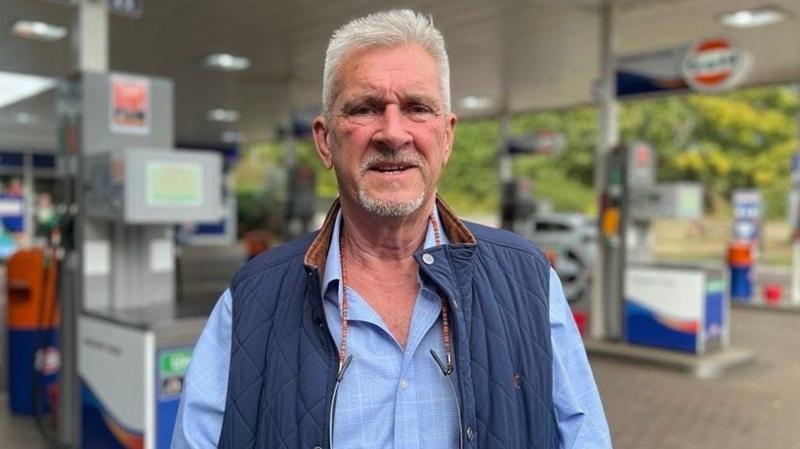
Ian Govier, who manages the Littlewick Green Motor Company garage in Maidenhead, has witnessed these changes firsthand.
"We are definitely seeing instead of putting your normal £50 pounds in to fill up, a lot of people are now sticking in £10, £20,"he explained. Govier also noted that customers are increasingly using cash as a mechanism to control their spending more rigorously.
The financial pressure on garage operations has intensified considerably. Govier revealed that his profit margins have been squeezed dramatically over the past decade.
"Ten years ago, we'd look at having [a profit margin of] 6p a litre, now I really need close to 15p a litre to still have the same profit,"he said. Beyond fuel costs, he has been forced to invest in new camera systems to combat thefts involving illegal
"ghost" registrations to prevent cameras from reading their number plates.
"If you don't have a profit you can't invest in the cameras, you can't invest in your staff, you can't invest in people,"he added.

What impact are rising costs having on transport services?
Taxi operators and haulage companies face existential challenges as fuel expenses consume an ever-larger share of their revenue. Southampton taxi driver Neil McLean expressed the frustration felt across the sector, stating
"We've got to earn a living, and none of us are happy. It's not putting money in our pockets, it's taking money out of our pockets - and it needs to stop."
David Price, who owns Southampton-based DCP Haulage, painted a bleak picture of the industry's prospects. The company is facing an additional £250 per week in fuel costs per vehicle—a burden that threatens its viability.
"We just can't physically afford the fuel prices,"Price said.
"We have downscaled a lot lately and we have talked about packing it all up. It's not worth it with these prices - you're just not making any money."If conditions do not improve, Price indicated he would need to consider
"parking up trucks"or
"actually downscaling"operations further.
How are charities managing the financial strain?
Organisations providing essential services to vulnerable populations are struggling to absorb the mounting costs. The MS Centre Dorset, a small charity supporting people with multiple sclerosis across the county, operates a fleet of five minibuses that transport users to its base in West Parley. The organisation now faces an additional £2,000 annually to maintain this critical service.
Manager Diana Logan-Watts explained that the speed of the price increase caught the organisation unprepared.
"Diesel prices had 'rocketed so quickly' that the extra costs were 'not something that we had budgeted into account',"she said. Despite these pressures, the centre remains committed to its users.
"We will 'keep on keeping on' despite the vast cost increases, and ensure users could still get to the centre,"Logan-Watts stated.
However, the charity faces difficult trade-offs.
"These rising costs have a knock-on effect, and we don't want to put additional prices and costs onto our members who are already struggling with the cost of living,"she explained.
"So we have to try and absorb those costs elsewhere, and one of those ways is thinking more closely about the additional services that we're able to offer, like trips. These make a real positive difference to our members lives, but will have to be looked at in more depth and ask where the money's going to come from."
What is driving the price surge?
The underlying cause of the fuel crisis stems from geopolitical disruption to global energy markets. The conflict has disrupted oil production and transport, while the effective closure of the Strait of Hormuz has restricted global supplies. These supply-chain disruptions have cascading effects on UK consumers and businesses with limited ability to influence international events.
What is the government's position?
Speaking at the Labour Party conference in Liverpool, the Chancellor acknowledged the severity of the situation. John Healey told a national broadcaster:
"I'm acutely concerned and conscious about how hard it is for families. I see that at the pumps myself."He indicated that government action on fuel costs would be addressed during the Budget, scheduled for late October.
"We can't remove the cost of living pressures, we can't remove the prices that people are having to pay, but where we can we will act and we will give people just a bit of breathing space, and the same goes for the cost to business."
When might prices fall?
RAC policy head Simon Williams said pump prices would not fall without a sustained lower oil price lasting weeks, rather than days. This assessment suggests that relief for consumers and businesses is unlikely to arrive quickly, and any improvement will depend on international developments beyond the UK's direct control.
Key Facts:
- Diesel prices have reached 199.33p per litre, surpassing the previous record of 199.09p set in June 2022
- Filling an average family diesel car now costs £110, up £31 since the Middle East conflict began in late February
- Taxi operators, haulage companies and charities report severe financial strain, with some considering operational cutbacks
- Consumer behaviour is shifting, with drivers purchasing smaller quantities of fuel and using cash to manage budgets
- The government has indicated fuel-cost measures will be addressed in the Budget near the end of October