A confluence of military conflicts and refining shortages is pushing diesel prices toward record highs in the UK and across Europe, with small business owners and working drivers bearing the heaviest burden. Wars in the Middle East and Ukraine have eliminated roughly a fifth of global diesel supplies, forcing households and traders to absorb costs that threaten to ripple through the broader economy.
Ukrainian drone strikes on Russian oil refineries, including a major facility south of Moscow, have crippled production capacity that once supplied significant volumes to global markets. Simultaneously, the US-Israel conflict with Iran has disrupted supplies from the Persian Gulf, a critical source of crude oil. The combined effect has created an acute shortage not of crude itself, but of the refining capacity needed to convert it into usable fuels.

In a call on 16 September, Donald Trump urged Ukrainian president Volodymyr Zelenskyy to cease strikes on Russian refineries, citing concerns that the attacks were driving up global fuel prices. On his Truth Social platform, Trump stated that Russia has "unfortunately lost control of its Diesel Oil Industry" and called for an end to "this ridiculous and never ending war".
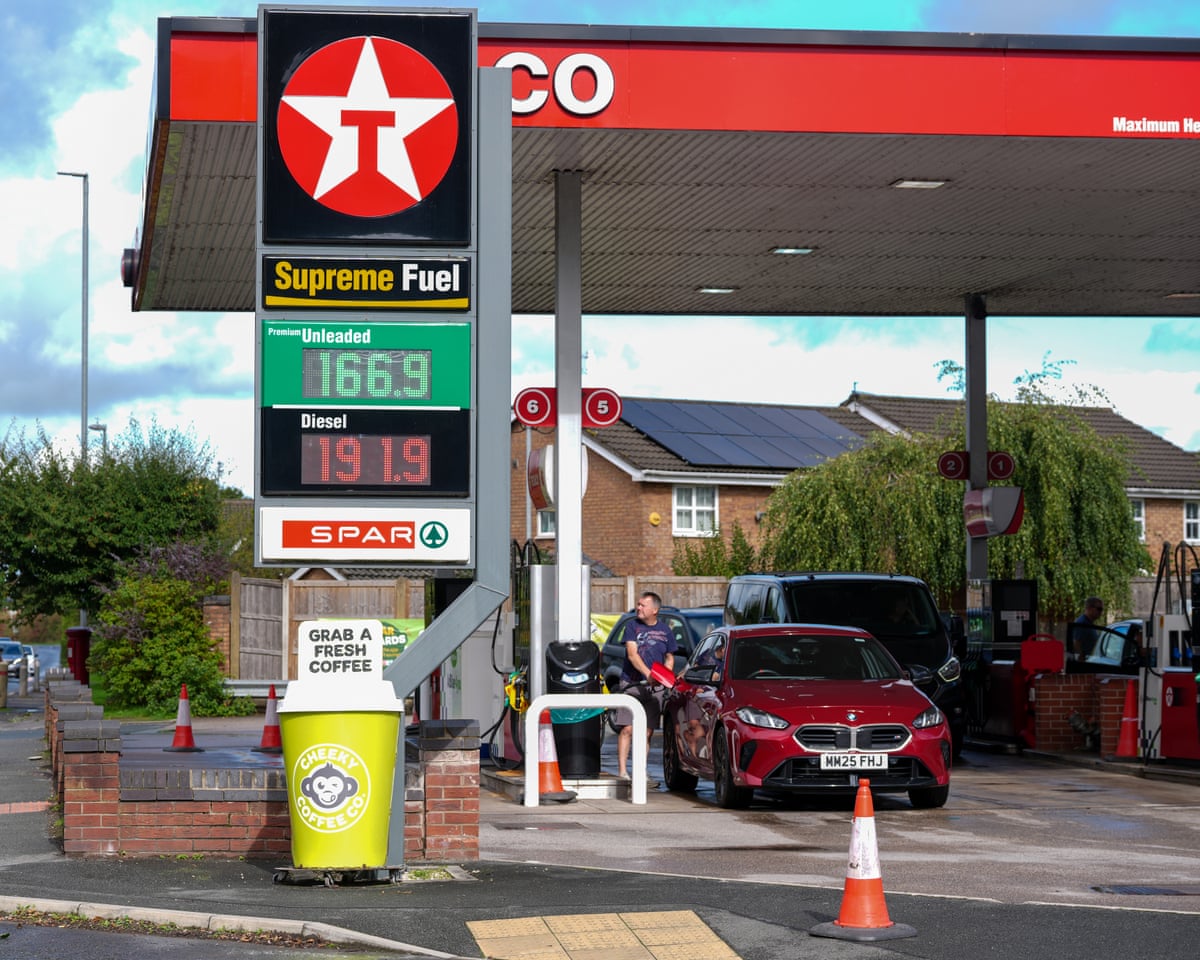
British motorists face imminent record-breaking prices at the pump. Diesel has climbed by 54% to 196.28p a litre since the Middle East crisis began in late February, and is expected to breach the psychologically significant £2 a litre threshold within days. According to one report, diesel was already between 193.5p and 196.1p per litre at UK forecourts on 21 September 2026, suggesting prices had moved above earlier official weekly averages. The UK inflation rate rose to 3.1% in mid-September after petrol and diesel price rises, with some trackers showing diesel at around £1.93 per litre.
How are small traders and working drivers coping?
The surge in fuel costs is hitting those with the least flexibility hardest. Jon Barden, a former humanitarian adviser who now works as a handyman in north London, reports that his fuel expenses have doubled.
"Around half my day's pay goes to filling up my car now,"he says. His diesel Ford estate, once reserved for camping trips, now carries heavy tools to jobs across Tottenham.

Barden has been forced to raise his prices despite reluctance to do so.
"I don't want to because the people around here don't have a lot of money. But when fuel prices go up everything else follows. The things I need to buy from Wickes to do a job will cost more before I even fill up,"he explains. His experience mirrors that of thousands of independent traders across Britain who lack the negotiating power of larger corporations to absorb or offset rising costs.
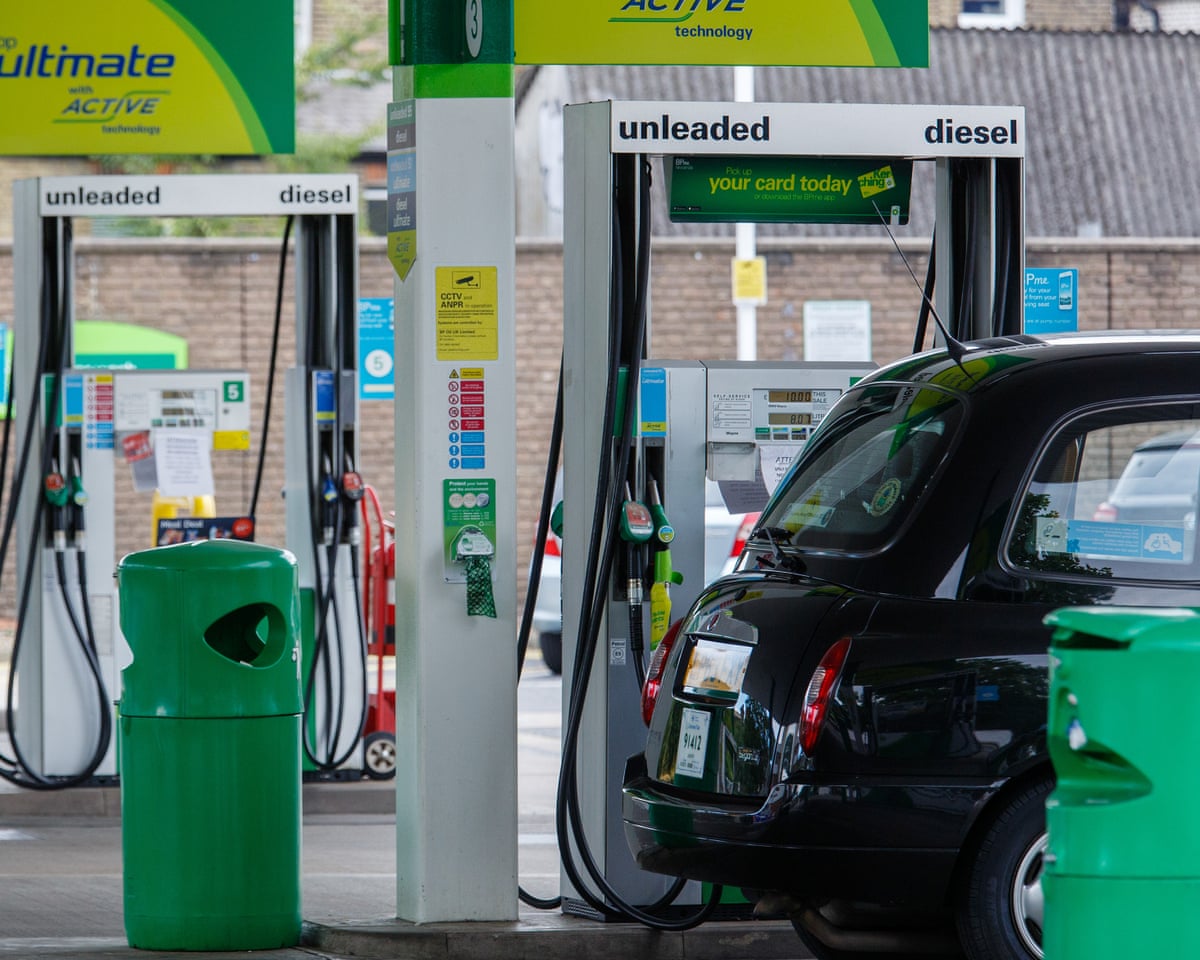
Taxi drivers face similar pressures. Mehmet, who has driven black cabs in central London for 35 years, recalls that when he started, diesel cost 10 shillings a gallon—equivalent to roughly 11p a litre in modern terms. Today, with prices approaching £2 a litre, cab fares remain capped. Drivers were permitted a 4% fare increase in February, but that rise has been rendered inadequate by the subsequent fuel surge.
"We're stuck with it,"Mehmet says.
"We don't want the meter price to go up, because then we lose custom. But we can see oil companies making billions in profit while we take home less. How can that be right?"

Why is diesel in such short supply?
The refining crisis, rather than a crude oil shortage, is the core problem. Russia's war-damaged refineries have seen output fall by almost a third over the past year to reach a 20-year low following sustained Ukrainian drone attacks. The Middle East's refineries, which once supplied 10% of the world's fuels, have been severely damaged by the conflict, and what little they produce struggles to navigate Iran's effective blockade of the Strait of Hormuz, a vital trade route for Gulf oil.
China, which hosts the world's largest refining capacity and was previously the largest importer of Iranian crude, has capped exports of refined oil products since March to protect its domestic supply. This reduction in global refining output has erased approximately a fifth of worldwide diesel supplies.
The UK is particularly vulnerable. The number of refineries operating in Britain has fallen from nine at the start of the century to four today. This contraction has forced the country to rely increasingly on imports. According to industry data, Britain is currently importing about 55% of its road diesel, up from just 14% of consumption in the early 2000s. Elizabeth de Jong, chief executive of Fuel Industry UK, noted that the closure of the Grangemouth and Lindsey refineries reduced UK refining capacity by almost a quarter, while demand for petroleum products increased by 1% in 2025 to almost 61 million tonnes.
What impact will this have on the wider economy?
Diesel is the lifeblood of Britain's transport and logistics networks. It powers haulage firms, delivery services, rural communities, and the supply chains that stock supermarket shelves. According to Luke Bosdet, the AA's fuel price spokesperson,
"Diesel is the workhorse fuel that powers business, haulage, deliveries and rural communities. Increased fuel costs are passed on to customers, and then on to consumers, which adds to inflation."
Richard Smith, managing director of the Road Haulage Association, underscored the cascading effect:
"Almost everything on supermarket shelves got there on a lorry. When diesel goes up that cost has nowhere to go but on to the price of goods."The AA's chief concern is for small businesses such as taxis and vehicle-based services, and rural communities that already operate at higher mileages. Unlike large corporations, these operators cannot add diesel surcharges to invoices without risking the loss of customers.
The broader economic impact is already visible. European wholesale diesel prices have more than doubled, rising by 115% since the war in Iran began at the end of February, and reached an all-time record high of $1,617 per metric tonne earlier in the week. The 'crack spread'—the price difference between crude oil and its refined products—has climbed above $100 a barrel on the continent for the first time, a development economists warn will raise the cost of all transported goods and household bills.
Farmers have already felt the squeeze. Agricultural diesel, known as red diesel, climbed above 107p per litre by 19 September 2026, up sharply from approximately 95–97p just two weeks earlier. This mirrors earlier warnings from West of England farmers who reported that soaring fuel and fertiliser costs were doubling expenses and risking future food price rises.
What is the government doing?
Business Secretary Jonathan Reynolds has indicated that the government is monitoring fuel supplies closely, though no specific intervention or policy announcement has been scheduled. The Confederation of Passenger Transport, representing 900 bus and coach firms, has warned ministers to act to prevent disruption to vital public services, but no formal response has been detailed.
Key Facts
- UK diesel prices have risen 54% to 196.28p per litre since late February and are expected to reach £2 per litre within days, with some forecourts already exceeding that mark.
- Wars in Ukraine and the Middle East have eliminated approximately one-fifth of global diesel supplies by damaging refineries in Russia and the Persian Gulf region.
- The UK now imports about 55% of its road diesel, up from 14% in the early 2000s, following the closure of two major domestic refineries that reduced capacity by nearly a quarter.
- Small business owners, taxi drivers, and rural communities lack the ability to pass fuel costs to customers without losing business, forcing them to absorb losses or raise prices in economically sensitive markets.
- Fuel price rises have contributed to the UK inflation rate reaching 3.1% in mid-September 2026, well above the Bank of England's 2% target.