Renting a property presents a distinctive challenge: creating a warm, welcoming space that reflects your personality without risking your deposit or angering your landlord. For many people, purchasing a home has become increasingly difficult due to elevated mortgage rates and substantial upfront deposits, making long-term renting the only viable option.
The encouraging news is that personalising a rental property does not require extensive renovation work or substantial spending. With careful planning, a modest budget and some thoughtful adjustments, even the most uninspiring space can be transformed into somewhere that feels genuinely yours. We consulted Graham Bell, chief executive of DIY retailer B&Q, alongside interior designers Lara Clarke and Lydia Lloyd to identify practical, cost-effective strategies that will enhance your rental without breaching your lease terms.
Understand what your lease permits before you begin
The first step is to review your tenancy agreement thoroughly to establish which modifications are permitted. Bell notes that many landlords are receptive to sensible enhancements, particularly when something is being upgraded rather than fundamentally altered. Obtaining written permission beforehand prevents costly disputes when you eventually move out.
According to housing advice guidance, serious improvements typically require landlord consent, while routine decorating often does not, which means renters can personalise their spaces without major alterations. Bell emphasises the importance of thorough preparation.
The biggest mistake is that people don't plan enough. It's all the planning that goes into it that's important, making sure you have everything. My dad would tell me to always measure twice and cut once.
He recommends defining your objectives precisely, measuring your space carefully and purchasing all necessary materials before beginning work. Online tutorials can provide valuable guidance for straightforward DIY projects.
Select modifications that move with you
Rather than investing in permanent improvements to someone else's property, concentrate on temporary changes that you can take when you relocate. Bell advocates for renter-friendly products including adhesive tiles for kitchens, suction-based storage solutions for bathrooms and expandable blinds that require no drilling.

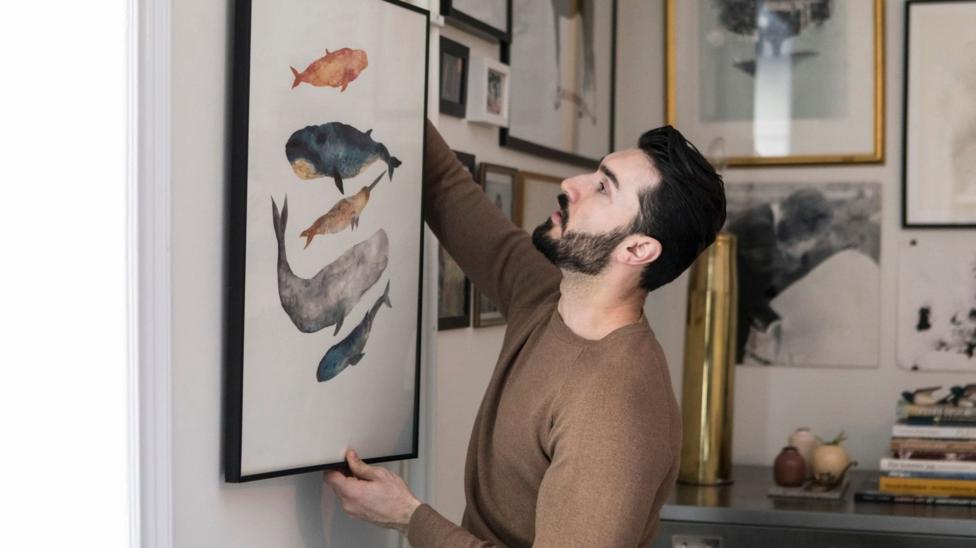
Clarke identifies artwork as perhaps the most effective method to make a rental feel more welcoming, as it
instantly makes a space feel more occupied and finished. She recommends sourcing affordable vintage oil paintings, exhibition posters or framed sketches from antique markets, then securing them using damage-free hanging tools. Adhesive hooks and Command Strips are core renter-friendly options for mounting frames and prints without causing damage that would jeopardise your deposit.
Transform the atmosphere through layered lighting
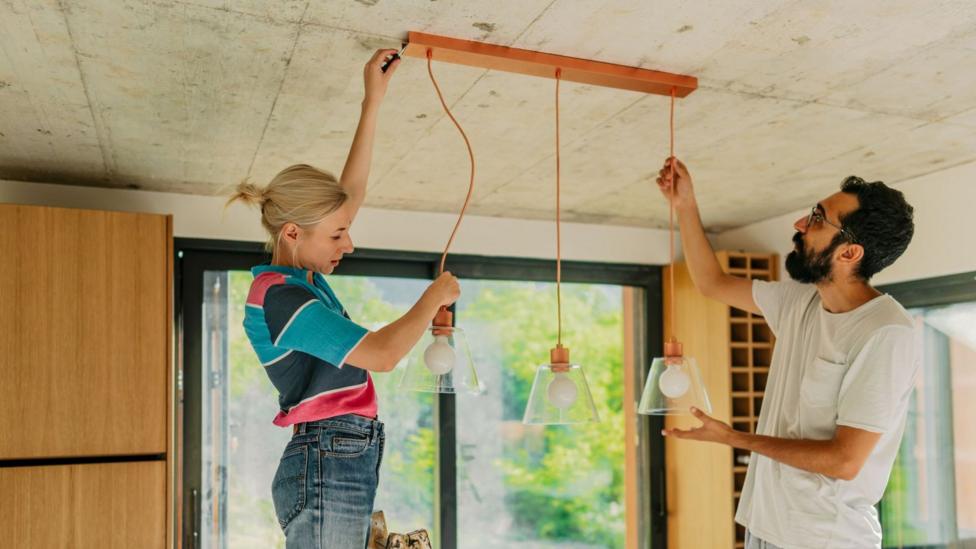
Lighting represents one of the quickest and most impactful ways to alter a room's character. Bell observes that rental properties frequently arrive with harsh, bright overhead lighting, but replacing these with warmer alternatives can dramatically shift the mood. He suggests experimenting with lightbulbs or strip lighting in different colour temperatures. Strip lighting, commonly installed in kitchens, can provide a softer ambiance that completely transforms the space without requiring structural work.
Rather than relying solely on a single overhead fixture, Clarke recommends building multiple light sources positioned throughout the room.
Mood lighting really helps make a space feel more cosy and homely, she explains.
Add table and floor lamps too and there are plenty of battery-powered options around now so you don't have to worry about finding a plug socket.The effect becomes even more inviting when paired with soft furnishings such as floor-to-ceiling curtains and scatter cushions in varied colours and textures.
Choose character-filled pieces over mass-produced furniture
A straightforward approach to preventing a rented property from feeling temporary is establishing a corner that expresses your individuality. Lloyd, a home designer at M&S, emphasises that this need not be expensive, as
a few carefully chosen accessories [can] make a big difference. Books, framed photographs, decorative objects and houseplants communicate your story and transform even a temporary space into something that feels genuinely lived-in.
Clarke advocates for
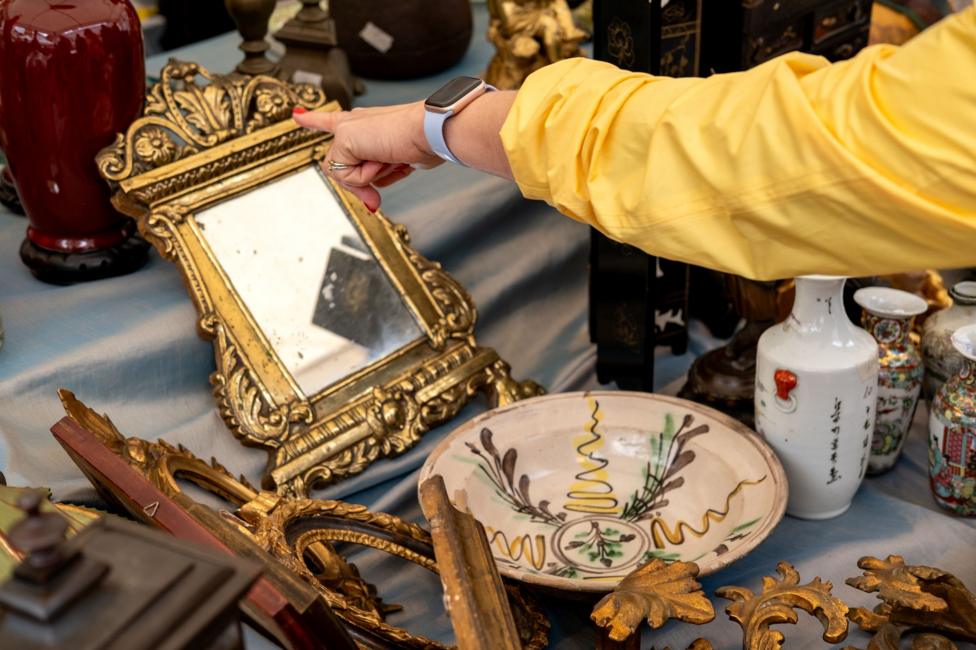
sourcing characterful piecesand recommends avoiding mass-produced flatpack furniture. Instead, she suggests exploring online marketplaces and antique markets for distinctive items that carry a narrative and create a sense of a space that has evolved thoughtfully over time. Removable window coverings and picture hooks represent examples of low-impact alterations that help explain why renter-friendly décor advice has become increasingly specific.
Harness the power of scent
Lloyd considers scent to be a
simple but powerful way to make a home feel inviting. Purchasing candles, diffusers and room sprays
can help create a warm, cosy atmosphere, especially as we move into the colder months. She recommends fragrances including sandalwood, cedarwood, cinnamon and cardamom, as these
are perfect for bringing a sense of comfort into the home.
Lloyd also suggests
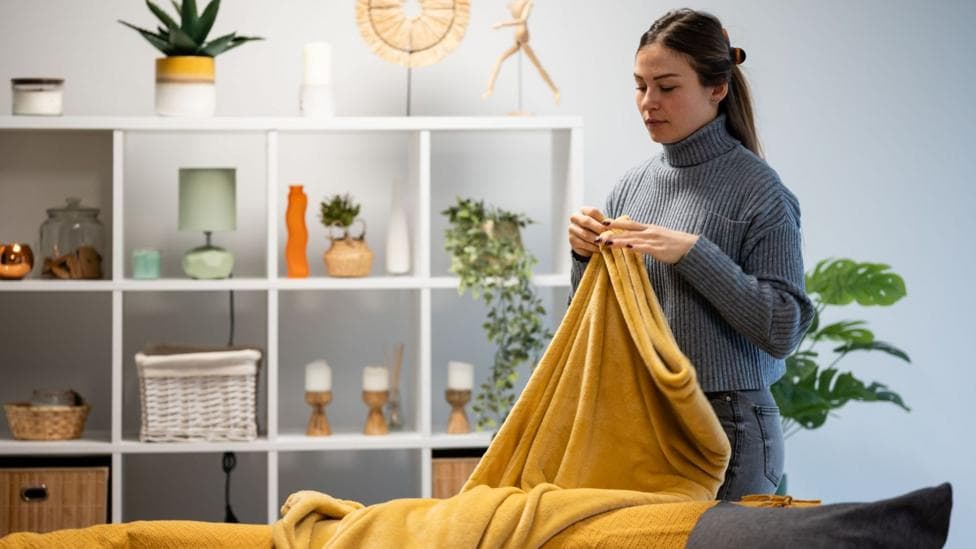
adding layers of texture through cushions, throws and blankets, with consideration given to mixing materials such as velvet, boucle or chunky knits. These tactile elements, combined with pleasant scents, create a multisensory environment that feels substantially more personal and welcoming.

Key facts
- Always obtain written permission from your landlord before making significant changes to a rental property
- Temporary modifications such as adhesive tiles, suction storage and expandable blinds allow personalisation without deposit risk
- Layered lighting from multiple sources creates a warmer atmosphere than relying on harsh overhead lights
- Vintage and secondhand pieces from antique markets and online marketplaces add character more effectively than flatpack furniture
- Scent, texture and artwork are among the quickest and most affordable ways to transform a rental into a personal space