The head of the International Energy Agency has cautioned that energy prices across Europe risk climbing further if the region experiences severe winter weather, with the conflict in the Middle East creating what he describes as an unprecedented threat to global energy security.
Speaking to BBC News, Fatih Birol stated that the energy landscape has fundamentally shifted and cannot return to its pre-conflict state. He emphasised that wholesale prices could escalate beyond current levels unless the geopolitical crisis is resolved, with the potential for significant economic consequences across the continent and beyond.
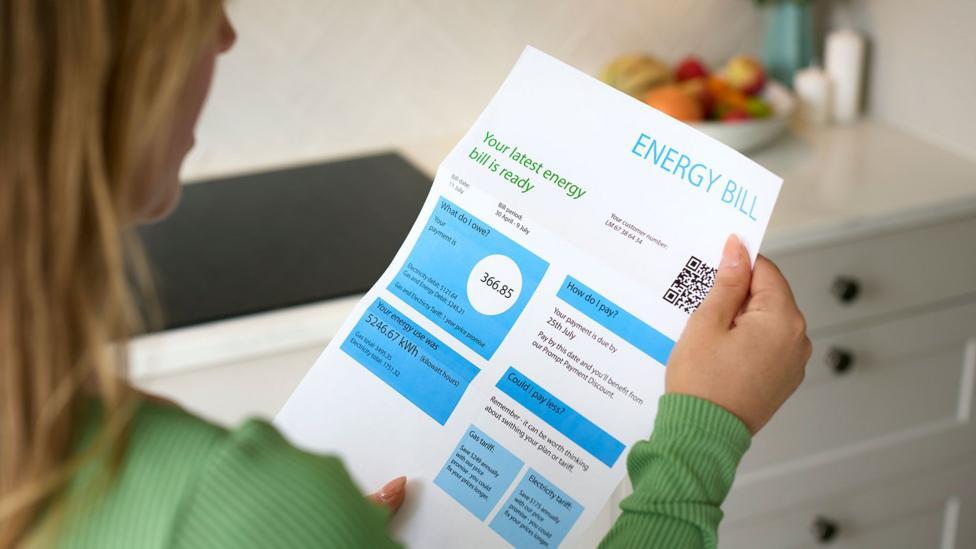
UK households are already facing substantial bill increases. Energy bills are scheduled to rise by 26% for millions of households in January 2027 following a sharp surge in gas prices since the conflict began in February 2026. According to Ofgem, around 10 million households on fixed tariffs will not be affected by the January cap increase while their fixed deal remains in place, though the cap applies to roughly 20 million households on standard variable tariffs.
A typical household paying by direct debit in England, Scotland and Wales will see their annual energy bill rise from £1,723 to £2,166 if the increase is sustained for a year, representing an additional £37 to £60 per month depending on consumption patterns. Ofgem's January to March cap sets average direct-debit rates at 32.69p per kWh for electricity and 10.96p per kWh for gas, with daily standing charges of 54.77p and 29.65p respectively.
What is driving the price increases?
The primary driver of rising energy costs is the escalation in wholesale gas prices, which have surged 33% over the last three months—the period used to calculate the January to March price cap. Wholesale gas prices have more than than doubled since late 2025. Ofgem's cost analysis indicates that the wholesale-cost allowance rose 50% and now accounts for 56% of the cap, while historically low European gas storage entering winter has compounded supply concerns.
Birol highlighted the broader impact of geopolitical tensions on commodity markets.
Oil prices, gas prices, natural gas prices, fertilisers, all of them increased substantially,he said, adding that the disruption extends far beyond energy alone. He used a striking metaphor to describe the scale of the shift:
The vase is broken. Once it is broken, you cannot bring it back together.
The energy regulator has confirmed that the forthcoming price rises in January have been driven entirely by higher wholesale costs faced by suppliers, primarily due to Middle East tensions disrupting energy markets. The previous cap period from October to December 2026 had already brought a 4% increase for a typical dual-fuel direct-debit household for the same reason.
Could prices rise even further?
Birol warned that much depends on geopolitical developments in the coming months.
Everything will depend on, first of all, if the Strait of Hormuz is going to be opened, and in a convincing way for all the market,he told the BBC.
If we have a harsh winter in Europe, we may have difficulties. I don't think that we will have shortages, but we may see even higher prices than we have now.
The price per unit of energy could increase again in April 2027 if wholesale prices continue their upward trajectory, as the April price cap will be determined by gas price movements over the next three months. However, overall domestic bills typically decline in spring as temperatures rise and heating demand falls.
Birol also raised concerns about energy infrastructure vulnerability, noting a 400% increase in attempted cyber attacks on energy systems in recent years, adding another layer of risk to an already strained global energy market.
What support is available to households?
The UK government announced in the Autumn Budget that up to 20 million households in England will receive a £100 payment from 4 January 2027 to help offset winter energy costs, with equivalent payments provided in Scotland and Wales. Despite this assistance, charities and energy suppliers anticipate that household debt will rise significantly and that many people will require emergency financial support.
What happens next?
The new energy price cap takes effect on 1 January 2027 and runs through 31 March 2027. Ofgem reviews the cap every three months, meaning the next adjustment will depend on wholesale price movements over the coming months. If geopolitical tensions persist and winter weather proves severe, households could face additional increases when the cap is reassessed in April 2027.