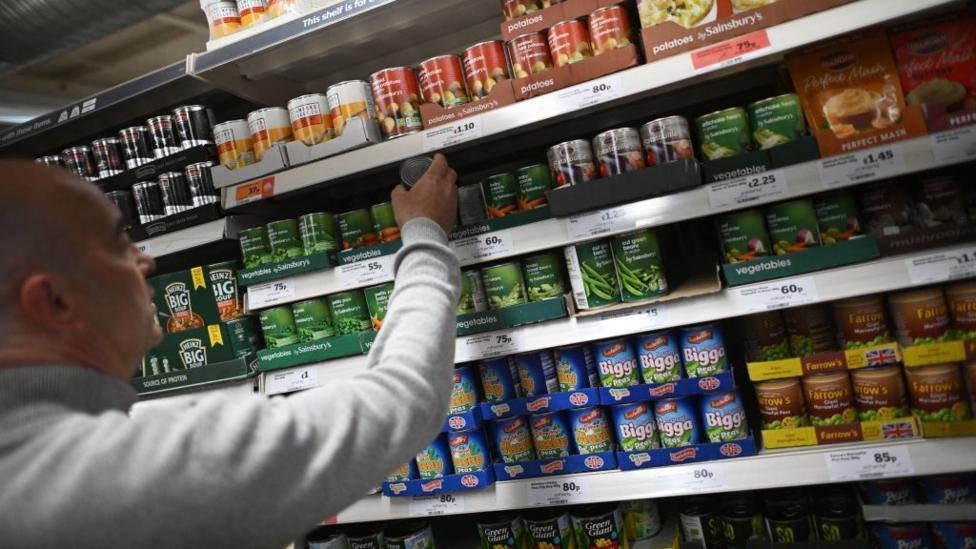
Purchases of essential goods including bottled water and tinned food climbed sharply in the 10 days following the government's "Be Ready" emergency preparedness campaign launch on 22 October, according to retail research data. According to BBC News, hand sanitiser sales increased 83%, bottled water sales rose 67% and tinned and jarred goods climbed 37%, based on figures from retail research firm Worldpanel by Numerator.
The government initiative encouraged households to stock up in preparation for potential disruptions to essential services caused by severe weather or cyberattacks. The campaign recommended that people maintain three days' worth of food and water at home, along with items such as wet wipes, a torch and cash.
Was this panic buying?
Despite the significant sales increases, Worldpanel stressed that households were engaging in measured stockpiling rather than panic buying. The equivalent of an extra 400,000 people per day purchased tinned meat following the campaign launch, yet the typical purchase amount remained at 500g, indicating a gradual approach to building supplies rather than bulk hoarding.
Shoppers clearly took notice of the 'Be Ready' campaign, but this wasn't panic buying, with less than a third of households buying bottled water in October,said Fraser McKevitt, head of retail and consumer insight at Worldpanel by Numerator.
Growth came from more people adding the recommended items on the government's checklist to their weekly shop, not from shoppers piling their trolleys high, which is very much in line with what the government wanted households to do.
What do retailers say about the response?
Food manufacturer Princes reported on Tuesday that demand for tinned tuna, meat and vegetables had increased following the government's campaign. Princes interim chief executive Giuseppe Mastrolia stated that the surge in demand
further reinforces the relevance of our core categories in providing affordable, nutritious and convenient food solutions.
What does the government recommend?
The "Be Ready" campaign emphasises that severe weather and cyber attacks pose risks to essential services, and British households should prepare accordingly. The government's two priority actions are to store three days of bottled water and non-perishable food, and for eligible people to join the Priority Services Register for extra support during utility outages, according to parliamentary records.
The British Red Cross advises that government guidance is based on 2.5 to 3 litres of drinking water per person per day; cooking and hygiene needs can increase that requirement further, according to the Red Cross. Long-life foods that do not require refrigeration, such as dried fruit and nuts, are also recommended.
Prime Minister Andy Burnham has stated that every household should have
those supplies in the house to get you through those moments.
How has the campaign been received?
By 27 October, the government reported that the campaign website had received hundreds of thousands of views and its checklist tens of thousands of downloads, describing this as early, anecdotal evidence of public engagement. More than 500 organisations—including emergency services, businesses, voluntary groups and local authorities—helped develop the campaign guidance, according to parliamentary records.
What happens next?
The government has indicated that the campaign will run for three years and plans to publish a partner toolkit for community groups and local businesses as part of its rollout. The "Be Ready" initiative forms part of the government's broader Resilience Action Plan, which received its annual implementation update on 14 July 2026.
Key Facts
- Hand sanitiser sales increased 83%, bottled water 67% and tinned goods 37% in the 10 days after the campaign launch on 22 October
- The government recommends households maintain three days' worth of food and water, plus items such as torches, wet wipes and cash
- Retailers and manufacturers reported increased demand for emergency supplies, though purchase patterns suggest gradual stockpiling rather than panic buying
- The campaign website received hundreds of thousands of views and the checklist tens of thousands of downloads by late October
- The three-year campaign will include a partner toolkit for community groups and local businesses