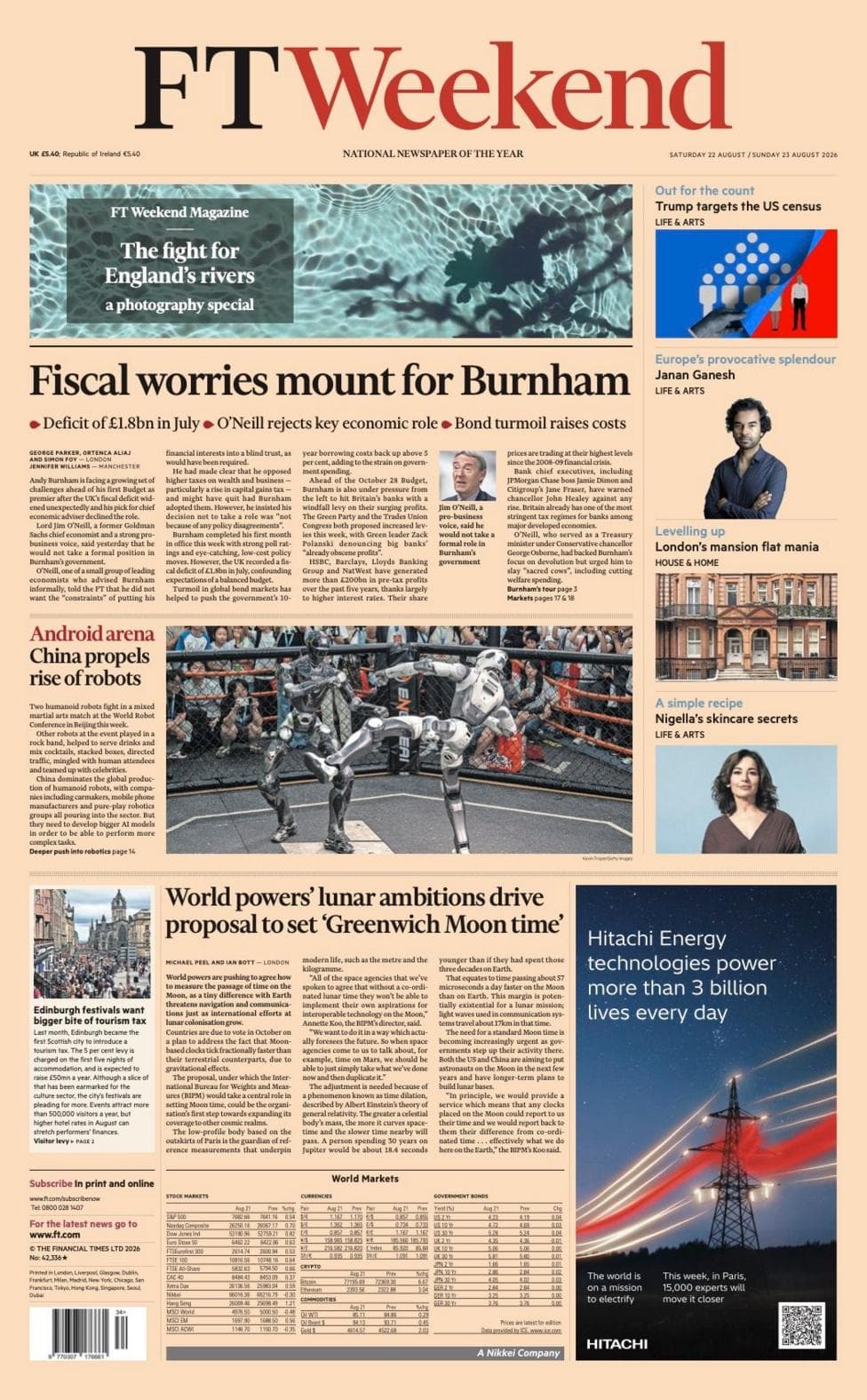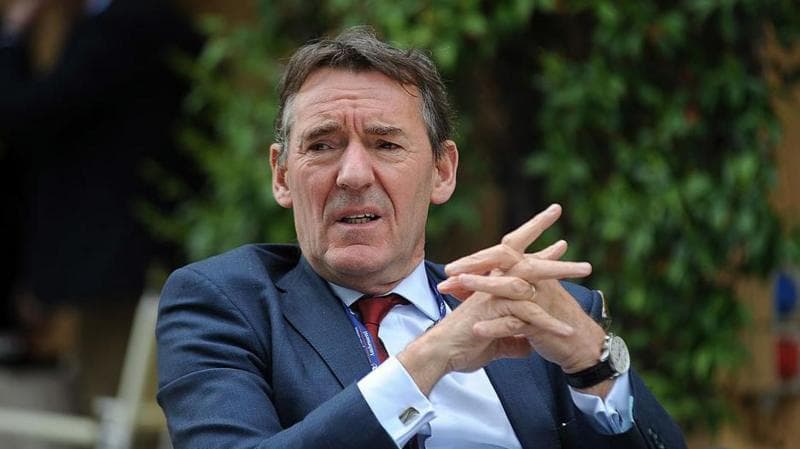
Economist Lord Jim O'Neill, who has been advising the prime minister, has ruled out accepting a formal position in Andy Burnham's administration, though he remains supportive of the government's devolution agenda.
A crossbench peer and former treasury minister under the Conservatives, Lord O'Neill said he preferred to maintain an informal advisory relationship rather than take on an official role. According to reporting on the decision, his choice represents a setback for Burnham as he seeks to secure business confidence ahead of the autumn Budget.
Lord O'Neill, the former chief economist at Goldman Sachs, had been widely expected to become Burnham's chief economic adviser. However, he explained that taking a formal government position would require him to place his business interests into a blind trust and accept other regulatory constraints that he wished to avoid.
Why did he decline the role?
Lord O'Neill stated that his decision stemmed not from policy disagreements but from a desire to retain control of his commercial activities.
"I've decided to not take a formal role. It's not because of any policy disagreements. I'm a massive fan of the focus on devolution and I hope Andy and his team will be bold on this and everything else."He added that he would
"continue to, hopefully, maintain an informal relationship with the PM and his team."
Ministers who accept formal roles must place shares in blind trusts, a mechanism designed to prevent conflicts of interest by ensuring they have no knowledge of how their investments are being managed. Lord O'Neill indicated he did not want
"the constraints of a blind trust and all the constraints that would be necessary."

What is his background?
From 2015 to 2016, Lord O'Neill served as commercial secretary to the Treasury under Chancellor George Osborne. The peer, who grew up in Greater Manchester, was instrumental in championing the Conservatives' Northern Powerhouse initiative, a policy designed to strengthen the economy of northern England.
Internationally, Lord O'Neill is recognised as the economist who created the term Bric in 2001 to categorise leading developing and newly industrialised nations with strong potential for rapid growth and investment returns. The original four nations—Brazil, Russia, India and China—expanded to become the Brics when South Africa joined the grouping.
What are Burnham's devolution plans?
Burnham's devolution strategy represents a significant shift in how power and resources are distributed across the United Kingdom. According to reporting on the initiative, his "No. 10 North" plan would establish a dedicated central government unit in Manchester to coordinate national and local economic strategy and oversee the transfer of powers, resources and functions to elected mayors and local authorities.
The devolution blueprint includes concrete fiscal measures for regional leaders. According to government sources, metro mayors are expected to begin retaining some business-rate revenue from April 2027 and receive a portion of income tax from April 2028. These changes would give regional authorities greater financial autonomy and responsibility for their local economies.
Despite Lord O'Neill's decision to remain outside formal government, he expressed strong backing for this direction. His support carries weight given his previous role in promoting regional economic development and his standing in business circles.
What happens next?
The government plans to reveal further details of its tax devolution package when Chancellor John Healey delivers his first Budget in the autumn. The specifics of how income tax will be shared between central and regional authorities, and which powers will be transferred to mayors, are still being finalised ahead of that announcement. Lord O'Neill's continued informal involvement suggests he may contribute to shaping these proposals even without holding an official title.