Woolworths' Disney-themed Ooshies collectibles campaign has delivered a sharp but temporary blow to rival Coles' supermarket sales, according to the grocer's full-year financial results released on Tuesday. Despite Coles gaining overall market share against Woolworths in the 12 months to June, the retailer experienced a notable sales slowdown during July when Woolworths' Disney Ooshies promotion temporarily dented July sales growth, with momentum normalising after the campaign ended.
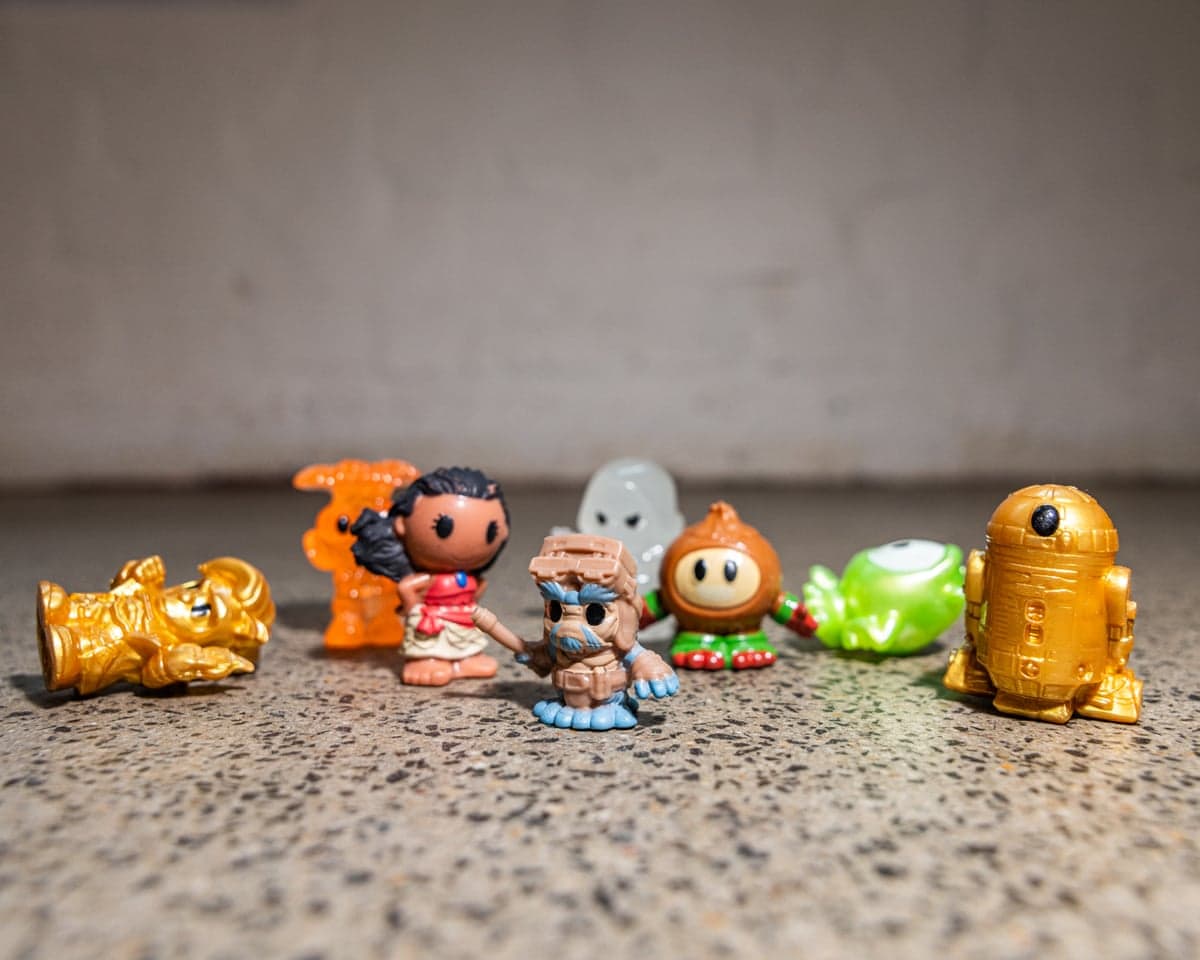
The rubber figurine promotion, which offered customers one Ooshie for every $30 spent, proved so popular that Woolworths exhausted its stock a week before the scheduled end date. The 2026 Ooshies run expanded beyond supermarkets to BIG W and MILKRUN, and was scheduled to run from 15 July to 25 August.
Coles chief executive Leah Weckert characterised the sales impact as a
"temporary impact" lasting nearly four weeks, with the downturn affecting physical stores more severely than online channels. The decline coincided precisely with Woolworths' promotion of 40 unique characters from Disney, Pixar, Marvel and Star Wars.
RBC Capital Markets analyst Michael Toner warned that the magnitude of Woolworths' campaign impact could concern Coles investors, highlighting the effectiveness of collectibles-driven promotions in driving customer traffic.
How do Ooshies work and why are they so popular?
Ooshies are small rubber figurines designed to fit on pen or pencil tops, packaged in opaque wrapping so buyers cannot see which character they receive until opening. This element of surprise has proven central to their appeal, particularly among children who trade duplicates with peers at home and school in pursuit of completing the full set.
The collectibles have spawned a secondary trading culture, with schoolchildren engaging in "Ooshie battles" where they flick figures to knock down competitors' pieces. Woolworths has supported this phenomenon by hosting dedicated swap meets across the country in recent weeks to facilitate exchanges.
Adult participation has grown substantially, with collectors turning to online marketplaces for trades. A dedicated Facebook Ooshie swap group expanded by almost 2,500 members in a single week and now exceeds 45,000 members, demonstrating the breadth of engagement across age groups.
What impact has this had on shopping behaviour?
Nearly two-thirds of parents surveyed by polling company YouGov reported changing their shopping patterns specifically due to the Ooshies promotion, with many increasing visits to Woolworths. Fumin Rianto, a research director at YouGov Australia, noted that
the products had struck a chord and developed a genuine online resale economy. One in five adult Ooshie collectors indicated plans to sell their collections online, with Millennials showing the strongest collecting enthusiasm while baby boomers expressed interest in gifting them to younger relatives.

What do educators and behavioural experts say?
Professor Gary Mortimer, a consumer behaviour expert at Queensland University of Technology, drew parallels between Ooshie trading and historical marble exchanges, arguing that
"Those games taught us the art of competing, fair-play, learning to deal with disappointment and celebrating wins. Swaps taught us 'friendly' negotiation skills, compromise and the principles of value exchanges."
However, some educational institutions have taken a contrasting stance. Bellevue Park state school in Queensland announced a ban on Ooshies, citing
"distractions, conflict and unfair trading"and requesting parental support to keep the items at home rather than at school where they risk being lost, damaged or stolen. A Sydney after-school care centre similarly prohibited the toys due to
"disputes around trading and ownership, and situations where children have become upset or distressed".
Alan Ngov, chief commercial officer at Headstart International (the company that developed Ooshies), reframed school bans as validation of the campaign's success, writing on LinkedIn that
"You know it was a good one when you get banned from the school yard! What an amazing campaign from the Woolworths, Disney and Headstart teams!"
What are the environmental concerns?
Environmental advocates have raised significant concerns about the volume of plastic destined for landfill once the craze subsides. Kirsten Junor, chief executive of not-for-profit Reverse Garbage, stated that
"It's just future landfill. Kids don't need them. We don't need them. The planet doesn't need them. Stop making them. You don't need to get a reward every time you go shopping for what you need."Junor argued that the carbon emissions generated through manufacturing and transporting Ooshies outweigh any consumer benefit.
In response to environmental criticism, Woolworths has emphasised that the Ooshie figures are manufactured from
"97% recycled thermoplastic rubber". The retailer has also established dedicated collection bins in selected stores to facilitate recycling of the figures, and customers can return unused new-range Ooshies for recycling until 31 October 2026.
How does this fit into the broader supermarket rivalry?
The Ooshies phenomenon represents the latest chapter in Australia's ongoing supermarket competition between Coles and Woolworths. Coles had previously leveraged its own collectables strategy with Little Shop, which became a major customer draw in earlier phases of supermarket rivalry. Woolworths' 2019 Ooshies promotion established the collectables format as a recurring competitive weapon, with that earlier campaign culminating in two farmers destroying a rare lion Ooshie live on television.
Coles reported its net profit rose 1% to $1.09 billion in the year to June, with supermarket profit margins increasing from 5.3% to 5.7%. Despite the temporary July sales dip, Coles chief executive Weckert indicated the supermarket planned to continue its own collectables campaigns in the future, signalling that promotional collectibles will remain central to supermarket strategy.
By early August 2026, Woolworths reported that two-thirds of Ooshies stock had already been distributed and 90% of display cases had sold, underscoring the campaign's commercial success in driving customer engagement and repeat visits.
What happens next?
Woolworths' 2026 Ooshies promotion was set to conclude on 25 August 2026, subject to stock availability. The recycling return window for unused new-range Ooshies extends until 31 October 2026, providing customers with an extended period to return unwanted figures for environmental processing.