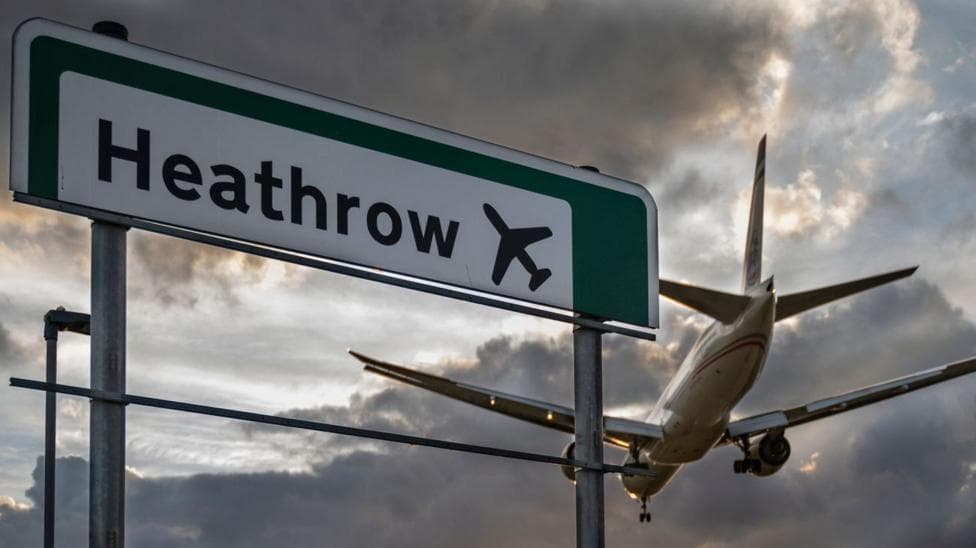
Heathrow Airport has cautioned that its proposed third runway faces a potential four-year postponement, with the opening now potentially pushed back to 2039 rather than the originally targeted 2035. The delay stems from planning and regulatory obstacles that the airport says require streamlined processes to overcome.
The UK's busiest airport, which currently handles more than 80 million passengers annually across four terminals and two runways in west London, initially expected the £49bn expansion to be operational by 2035 under government projections. However, Heathrow now describes this timeline as increasingly unachievable without significant reforms to the planning framework.
According to recent reporting, the airport's revised expectations place the opening at 2039. The airport's stated position is that it aims to obtain planning permission by 2029, followed by construction and opening within a decade of that approval—a timeline that would align with the later projection.
The Department for Transport acknowledged the challenge, with officials noting that no live planning application currently exists for the runway and that they cannot comment on ongoing consultation processes in ways that would further delay progress.
The timeline has always been ambitious. We'll continue to work with promoters, including Heathrow, and all other stakeholders at pace to ensure the right framework is in place for which a planning application for a third runway could be considered.
Heathrow's board has already approved investment to commence work on a planning application, signalling that the project has progressed from broad policy endorsement into the pre-application stage. This represents a concrete step forward despite the extended timeline.
Why is the timeline being extended?
The airport attributes the delay to complexities in the planning and regulatory environment. Heathrow has expressed optimism regarding the government's efforts to streamline infrastructure approvals and eliminate regulatory obstacles, pledging continued collaboration with ministers, airlines, and other stakeholders to advance the planning application.
Former Chancellor Rachel Reeves announced government backing for the scheme in January 2025 as an economic stimulus measure. Prime Minister Andy Burnham, who had previously expressed scepticism, indicated he was willing to reconsider the project upon taking office.

A draft planning framework for the expansion was released in June for public consultation. Following finalisation, the framework must proceed to a parliamentary vote, which reports suggest could be delayed until 2027, contributing to the overall postponement.
What environmental concerns have been raised?
The expansion has attracted substantial opposition from environmental groups and local communities. London Mayor Sadiq Khan has consistently opposed the project, citing concerns about noise pollution, air quality degradation, and climate change implications.
The government's climate advisers cautioned last week that the expansion should proceed only if airlines are mandated to finance cleaner aviation methods, a requirement that could increase ticket prices. Transport Secretary Heidi Alexander countered in a Friday interview with a national newspaper that the advisers represented
one viewand that
there is more than one pathway to meeting our climate change obligations.
What would the expansion involve physically?
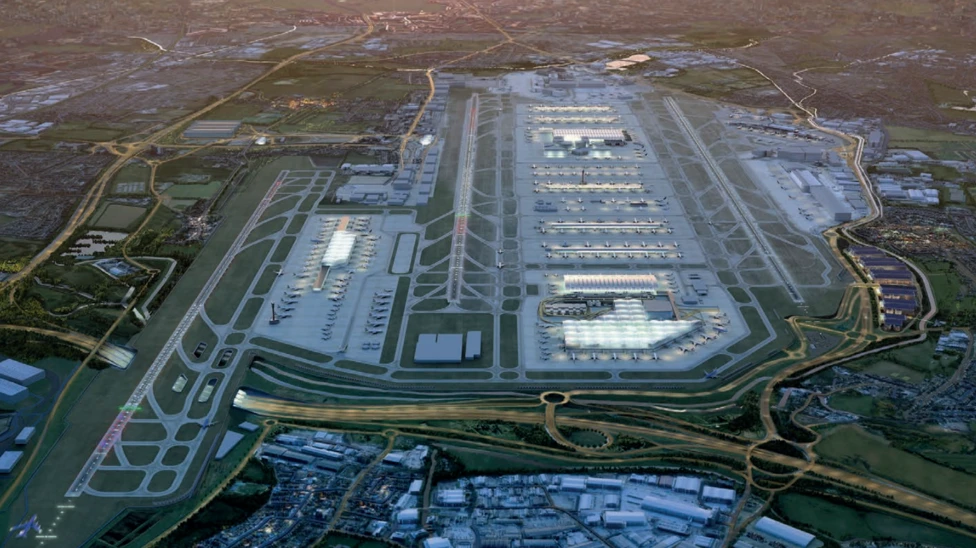
The project would necessitate demolishing hundreds of residential properties, redirecting waterways, and tunnelling the M25 motorway between junctions 14 and 15 beneath the new runway. Annual flight capacity would increase from the current 480,000 movements to 720,000—approximately 2,000 daily flights on average.
What economic benefits are projected?
Heathrow contends the expansion would generate at least 108,000 new jobs and channel billions of pounds into supply chains across the country. The airport characterised the project as
a national project, 100% privately financed which will support growth today and secure the UK's position in the global economy once the runway opens.
A Heathrow spokesperson stated that
it's right that ambitious targets were set; the sooner expansion begins, the sooner the whole UK will benefit. The scheme is anticipated to create around 100,000 jobs overall and deliver substantial economic stimulus, despite the environmental and local opposition it continues to face.
What happens next?
Heathrow remains committed to securing planning permission by 2029 before progressing to construction and eventual opening within a decade of approval. The parliamentary vote on the finalised planning framework represents a critical milestone, with the process expected to extend into 2027 or beyond. The airport will continue engaging with government officials and stakeholders to navigate the regulatory requirements and advance the application process.
Key Facts
- Heathrow's third runway is now projected to open in 2039, four years later than the original 2035 target
- The airport aims to secure planning permission by 2029, with opening expected within a decade thereafter
- The £49bn project would increase annual flight capacity from 480,000 to 720,000 movements and create approximately 108,000 jobs
- The expansion requires parliamentary approval following finalisation of the planning framework, with a vote potentially delayed until 2027
- Environmental advisers have warned the project should only proceed if airlines are required to fund cleaner aviation methods