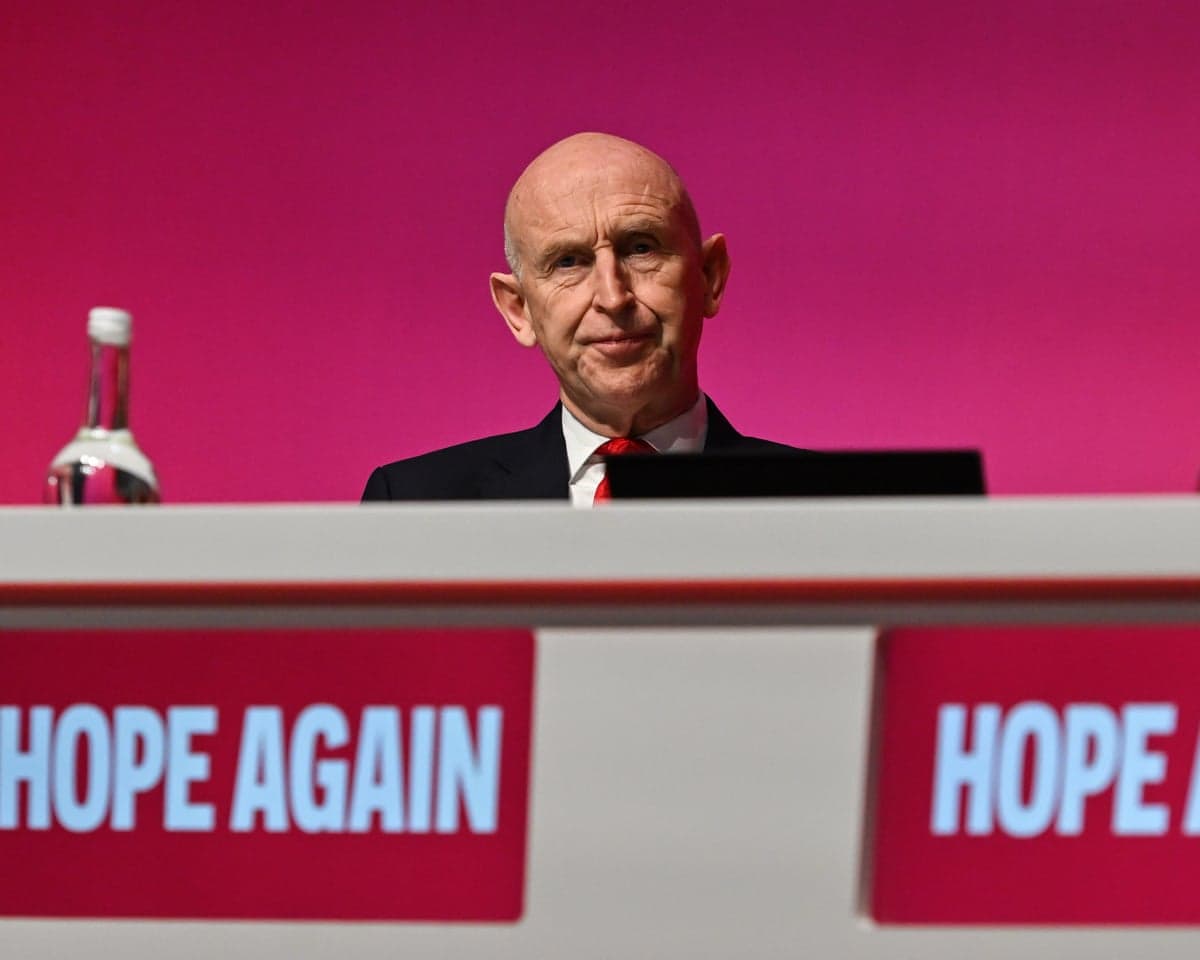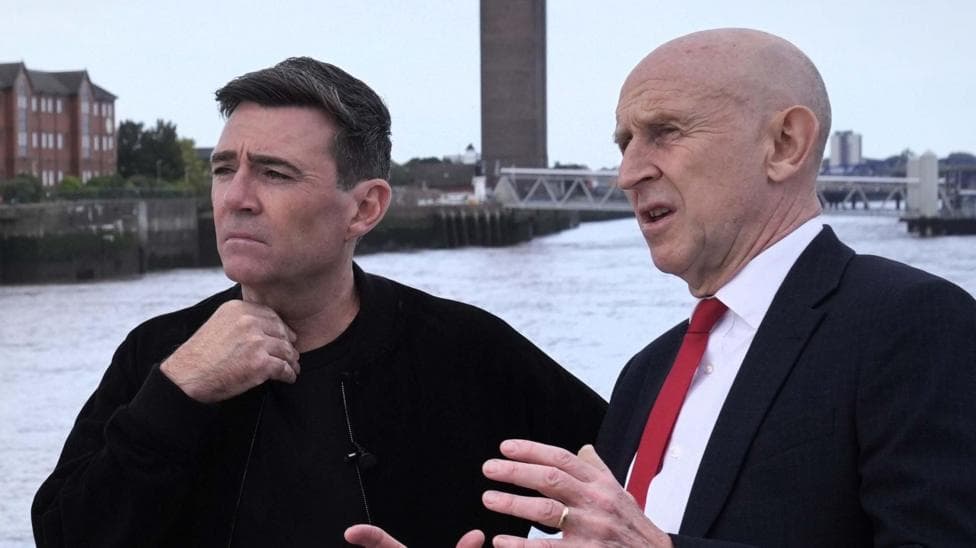
John Healey will use his first Labour conference speech as chancellor to outline a vision for Britain's industrial future, delivering remarks on Monday, 28 September 2026 in Liverpool. The speech will emphasise manufacturing and shipbuilding as cornerstones of economic growth, while acknowledging that traditional industries will not return to their former prominence.
In his address, Healey will tell conference delegates that
"our coal mines are not coming back", but will argue that Labour can rebuild Britain's industrial heritage
"for the modern age"by investing in advanced manufacturing sectors. The chancellor will frame this reindustrialisation agenda around what he describes as a
"new confidence in Britain".
The government will announce significant investment in the Royal Navy's shipbuilding capacity, including orders for three new floating docks at HM Royal Naval Base Clyde in Faslane. Rather than opening the procurement to international competition, these docks will be built within the UK through a domestic-only tender process. According to reporting on the announcement, this approach ties shipbuilding directly to national security and job creation.
The three floating docks form part of a broader £15bn upgrade programme for Royal Navy shipyards and are designed to support the next generation of British submarines. The facilities are expected to become operational in the early 2030s. Healey said ahead of his speech:
"By backing British shipyards, we are not only boosting national security but also securing resilience in the industries that will drive growth today while building the capabilities the country needs for the future."
The government will also commission a new marine research vessel as part of its reindustrialisation strategy. The vessel, which will be constructed in a British shipyard, will receive £115m in government funding and is similarly scheduled to enter service in the early 2030s.
How does this connect to defence spending targets?
The shipbuilding announcements arrive as the government faces mounting pressure to reach defence spending of 3% of GDP by 2030. However, according to recent reporting, Labour has not yet committed to a firm date for achieving this target, with ministers warning that an unfunded deadline could increase borrowing costs.
The government's defence investment plan previously set spending on a trajectory from 2.3% of GDP in 2024 to 2.7% by 2027-28, with a path toward 3% in the next Parliament. Wes Streeting, who succeeded Healey as defence secretary, told a national broadcaster on Monday that the floating docks exemplify the government's commitment to investing in defence while creating
"more jobs and opportunities"across the UK. He added:
"Increasing investment in defence does come with choices and trade-offs - and I would argue very strongly that in the dangerous and turbulent world we find ourselves in, investment in defence is a price worth paying."

What is the broader industrial strategy?
Healey's conference speech reflects a wider Labour push to position industrial policy as central to economic growth and national security. First Secretary of State Louise Haigh announced on Sunday that the government would commission the marine research vessel as part of plans for a
"new era of reindustrialisation". Prime Minister Andy Burnham, who will deliver his own conference address on Tuesday, 29 September 2026, has previously articulated ambitions to reindustrialise Britain, including in recent discussions with US President Donald Trump.
The chancellor will also announce the revival of a union-led training scheme to help workers develop new skills as technology and artificial intelligence reshape the workplace. The Union Learning Fund will receive £15m from existing government budgets. The scheme will support workers across England in gaining qualifications ranging from foundational English, mathematics and digital literacy to training for roles in expanding sectors such as advanced manufacturing. Participation is open to all employees, regardless of union membership status.
What is the political context?
Healey's speech comes with just over a month remaining before his first Budget as chancellor. He faces significant pressure to either reduce spending or increase taxation to address rising government borrowing costs. However, he is not expected to reveal Budget details during his conference remarks. Instead, the focus will remain on articulating a positive vision for British industry and economic renewal.
The opposition has already criticised the announcements. Shadow chancellor Andrew Griffith dismissed the plans as
"reheated announcements"and questioned the funding sources, stating:
"Labour are running scared of making the tough choices needed to pay for Britain's defence. All they can offer is reannounced docks and more hot air from Healey. Only the Conservatives will cut the welfare bill to fund defence."
Trade unions have responded positively to the shipbuilding commitment. Charlotte Brumpton-Childs, national secretary of the GMB union, which has campaigned for domestic shipbuilding investment, called the announcement a
"massive boost"for the sector.
"For too long juicy contracts have been sent to overseas - often subsidised - yards. This policy could reinvigorate UK yards and the communities that depend on them,"Brumpton-Childs said.
However, some within Labour's trade union base are pressing Healey to do more on cost-of-living pressures. Sharon Graham, general secretary of the Unite union, has called on the chancellor to
"do something for workers and the working class"in his Budget. She has urged him to unfreeze income tax thresholds to increase household incomes and to pursue further action on energy bills.
What economic headwinds are emerging?
A survey to be published on Monday, 28 September 2026 by the Confederation of British Industry will reveal declining economic activity across key sectors including retail and services during the three months to September, with manufacturing experiencing more modest contraction. According to government defence spending projections, the economic backdrop remains challenging for businesses.
CBI deputy chief economist Alpesh Paleja attributed the slowdown to rising energy and employment costs combined with weak demand, which continue to compress profit margins.
"Uncertainty ahead of next month's Budget is also holding back activity in some sectors. Against the backdrop of renewed fiscal pressures, the Budget must draw a clear red line under any more rises in the cost of hiring, investing and doing business,"Paleja said.

Key Facts
- Three new floating docks will be built at HM Royal Naval Base Clyde in Faslane through a UK-only procurement process, with the facilities expected to support next-generation British submarines and enter service in the early 2030s.
- A new marine research vessel will receive £115m in government funding and will be constructed in a British shipyard, also entering service in the early 2030s.
- The Union Learning Fund will be revived with £15m in government support to help workers gain skills in areas ranging from foundational literacy to advanced manufacturing roles.
- The government's defence spending trajectory currently runs from 2.3% of GDP in 2024 to 2.7% by 2027-28, with a path toward the 3% target in the next Parliament.
- Economic surveys indicate declining activity in retail and services sectors, with rising energy and employment costs pressuring business margins ahead of the Budget announcement.