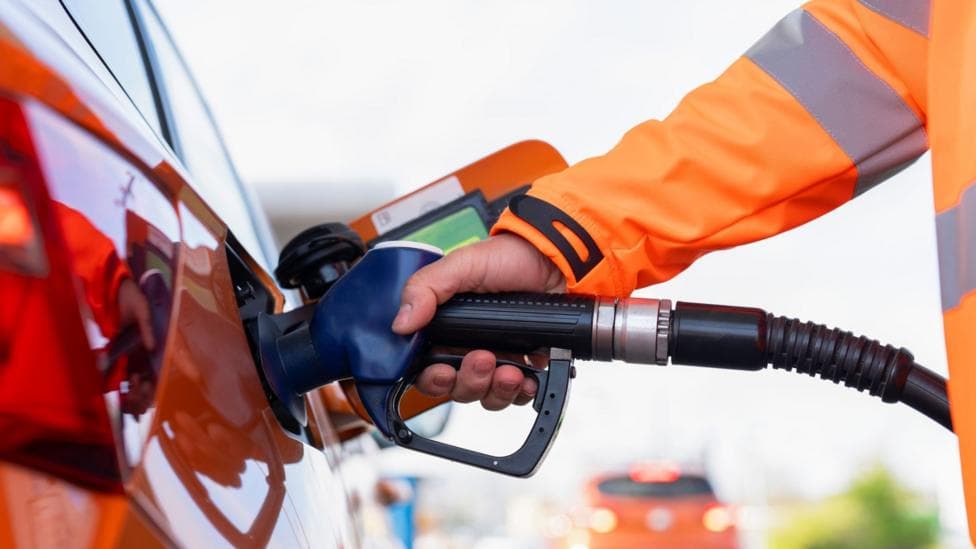
The cost of diesel has surpassed £2 per litre at more than 226 petrol stations across Scotland, according to analysis conducted by a national broadcaster. Geopolitical tensions in Ukraine and the Middle East have driven crude oil prices higher, triggering a sharp rise in fuel costs that threatens to push the UK average to an all-time record. The surge is hitting hauliers, farmers, crofters and charities particularly hard, with operators reporting weekly fuel bills that have climbed by hundreds of pounds.
The most acute price pressures are concentrated in Scotland's islands and remote rural areas. Diesel in the Hebrides reaches 238.8p and 223p per litre, while the Northern Isles see prices of 209.0p and 208.9p—roughly 50p more expensive than supermarket forecourts in the central belt. According to fuel price tracking data, average diesel in the Western Isles stood at 203.0p per litre as of 20 September 2026, underlining the regional disparity.
The Road Haulage Association estimates that fuel is now costing operators approximately £250 per week extra per vehicle. Norman MacAskill, who runs N D MacAskill & Son haulage firm from South Uist, transporting livestock around Inverness, Dingwall, Stirling and further south to northern England, drew a stark comparison with his four decades in the industry.
Anyone who is running a lorry is absolutely devastated when they get their fuel bill at the end of the month. There's no business on earth that can withstand that increase in costs.
MacAskill recalled that when he began in haulage 40 years ago, diesel cost 32p per litre to fill a lorry's tank. Today, that same fill-up costs £2.22 per litre. He warned that established haulage firms operating for 50 to 60 years are collapsing under the strain.
This has been going on every year for the last 10 years now. The cost of running a haulage business has just gone over the top. There are dozens of haulage firms that have been established 50-60 years with big numbers of lorries going to the wall. When is this going to stop?

Dave Neil, who operates Sinclair Haulage serving the Orkney islands of Sanday, Stronsay and Eday, reported that his business is now spending £400 per week more on diesel than it was before the summer.
It's a challenging situation.
Neil said he has been forced to pass costs to customers through an additional surcharge, which he described as the fairest approach. He added that when fuel prices eventually decline, the surcharge can be removed.
How severe is the national fuel crisis?
The UK average diesel price is approaching a historic peak. According to the RAC, on 25 September 2026 the average UK diesel price had risen to 198.32p per litre, leaving it just 1.78p below the previous record of 199.09p set in June 2022. A 55-litre fill-up for a family car now costs approximately £109 at current average prices. The UK now has the most expensive diesel in Europe, exceeding Finland and the Netherlands by 12p per litre.
Petrol is also climbing sharply, now averaging 173.6p per litre—its highest price in more than four years. Since the Middle East conflict began in late February, petrol has risen more than 40p, with nearly 12p of that increase occurring in September alone. Diesel has climbed 14.5p in September and 55p since 28 February, representing a 38% increase since the crisis began, according to market analysis.
The RAC warned that the UK average price of diesel would
almost certainlybe surpassed over the weekend following their 25 September assessment, with a new all-time high likely within days.

Which sectors are most affected?
Beyond haulage, farmers and crofters face mounting pressure. The National Farmers' Union Scotland said rising fuel prices represent another unwelcome cost for farm businesses, with fuel being a significant input cost that feeds directly into food production expenses. With many farmers working through harvest and other intensive autumn operations, there is limited scope to reduce fuel consumption.

Crofter and musician Amy Henderson from Kiltarlity described the situation as deflating, noting that life is already difficult. She said she is having to make difficult logistical decisions about whether to use her car or truck, and must factor rising fuel costs into the prices she quotes for performing work.
Charities relying on vehicle fleets are also struggling. Inverness-based charity New Start Highland uses vans to collect and deliver donated items such as furniture to people in crisis and hardship. Chief executive James Dunbar explained that rising fuel costs have a direct impact both on the charity's operations and on the individuals it supports.

Transport is core to our operations, from collecting and delivering furniture so those facing crisis and hardship can access essential items, to running our enterprise services like removals and house clearances.
Dunbar noted that the charity is transitioning to a fully electrified fleet, but rising fuel costs directly affect the families it supports during the transition period.
What are hauliers demanding from government?
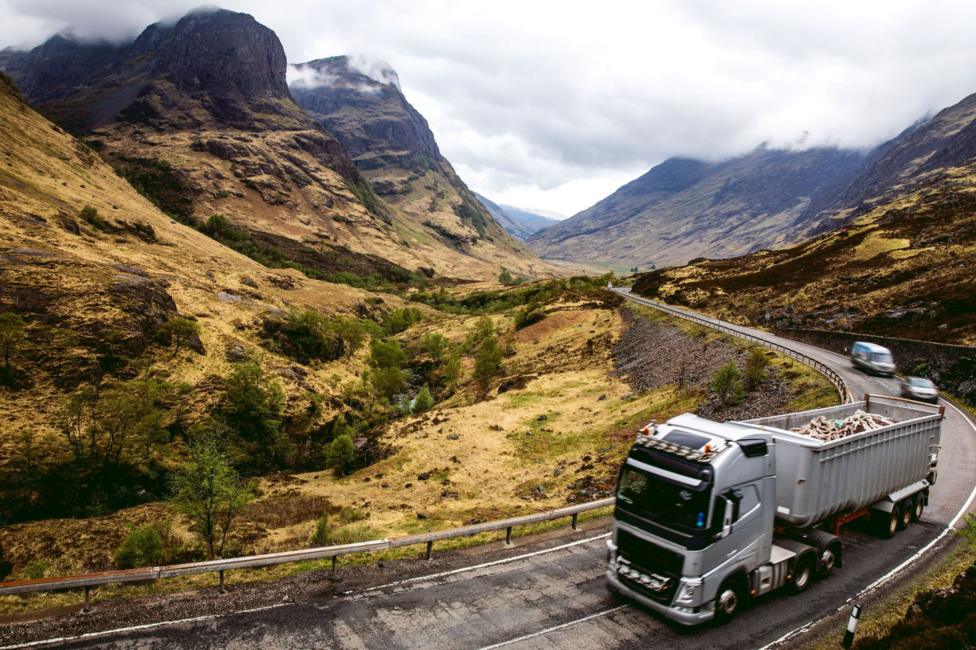
The Road Haulage Association has called on the UK government to scrap any planned fuel duty rises scheduled for January, March and April, and to introduce an essential user rebate for coaches, lorries and vans. Managing director Richard Smith pointed to precedent elsewhere in Europe.
It's happening elsewhere. Spain, France and Italy already give commercial vehicle operators a diesel rebate. It's about time we caught up.
The AA has campaigned for the government to maintain the 5p fuel duty cut first introduced in March 2022, and argued there is a
good argumentfor diesel receiving further relief. The AA noted that while large businesses can pass extra diesel costs to customers through sliding-scale fuel surcharges, smaller operators often cannot. This affects taxi drivers, craftspeople, domestic repair services, vets, farriers and others who rely on vehicles to serve their customers.
The AA also highlighted that it has persuaded the UK government to establish pump-price transparency, with websites and phone apps now available for drivers to check the latest pump prices and locate cheaper fuel.
What is the government's response?
The UK government said it has extended the temporary fuel duty cut until 31 December. A government spokesperson stated that since the outbreak of conflict in the Middle East, the administration continues to protect British people and businesses from the crisis. The statement claimed that drivers benefit from the extension of the 5p fuel duty cut, with diesel costing 11p per litre less until the end of the year than it would have under plans inherited from the previous government. The government has also confirmed there will be no increase in fuel duty this year.
What happens next?
The RAC indicated that a new all-time high diesel price could be reached imminently, possibly within days of their 25 September assessment. The previous record of 199.09p per litre, set in June 2022, appears vulnerable given that prices were already at 198.32p and continuing to climb. The government has committed to maintaining the fuel duty cut through the end of 2026, but no further relief measures have been announced. The Road Haulage Association's calls for a diesel rebate scheme similar to those operating in Spain, France and Italy remain under consideration.