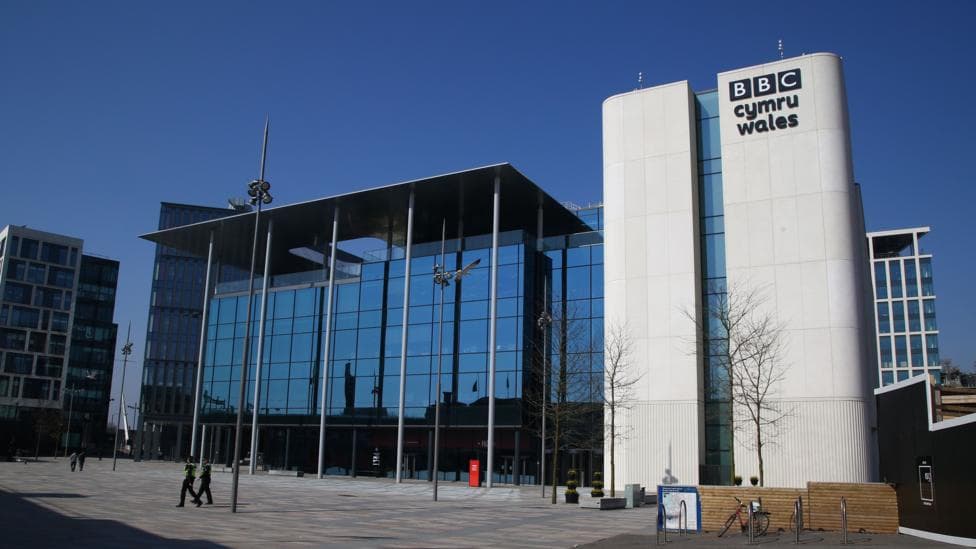
The national broadcaster is eliminating 45 positions across its Welsh operations as part of a sweeping financial restructuring. The cuts will affect a substantial portion of the 680-strong workforce, including staff in part-time and shared roles, and form part of the corporation's wider £500m savings initiative spanning two years.
Television output will shrink by 20 hours annually, while several radio programmes face cancellation. According to the BBC's media centre announcement, the Wales operation is one element of a broader restructuring affecting 550 roles across News, Nations and Content divisions, with approximately 250 of those cuts concentrated in the Nations phase and roughly £160m in savings targeted there.
Senior management held meetings at BBC Wales headquarters in Cardiff on Thursday to brief staff on the changes. The newsroom will lose 20 positions, with most departures occurring through voluntary redundancy and two through compulsory redundancy.
What financial targets is BBC Wales facing?
BBC Wales and its Business Operations division must deliver approximately £9m in savings for the 2027-28 financial year. The organisation has signalled that additional reductions will be necessary beyond this period, extending into 2028-29. According to the BBC's detailed savings plan, the Wales operation intends to streamline its news and current affairs functions and reallocate resources to journalism in a more efficient manner.
Which television and radio programmes are being cut?
The broadcaster will cease producing 20 hours of television programming annually. Radio Cymru, the Welsh-language station, faces particularly significant changes. The daily news and current affairs show Dros Ginio will end, along with the Saturday edition of the news programme Dros Frecwast. Ar y Marc, a football discussion programme that has aired for 35 years, will also be discontinued.
John Hardy's departure from Radio Cymru will create a scheduling gap that Radio Cymru 2 will fill until 07:00, when Dros Frecwast begins transmission. Radio Wales will experience comparable budget reductions to Radio Cymru, with the Sunday schedule being simplified following presenter Roy Noble's announcement that he will leave the station in spring. Lynn Bowles' Sunday programme will also cease, and the volume of commissioned programming will decrease. Public tours of BBC Central Square in Cardiff will stop in line with closures at other BBC centres.
What prompted these changes?
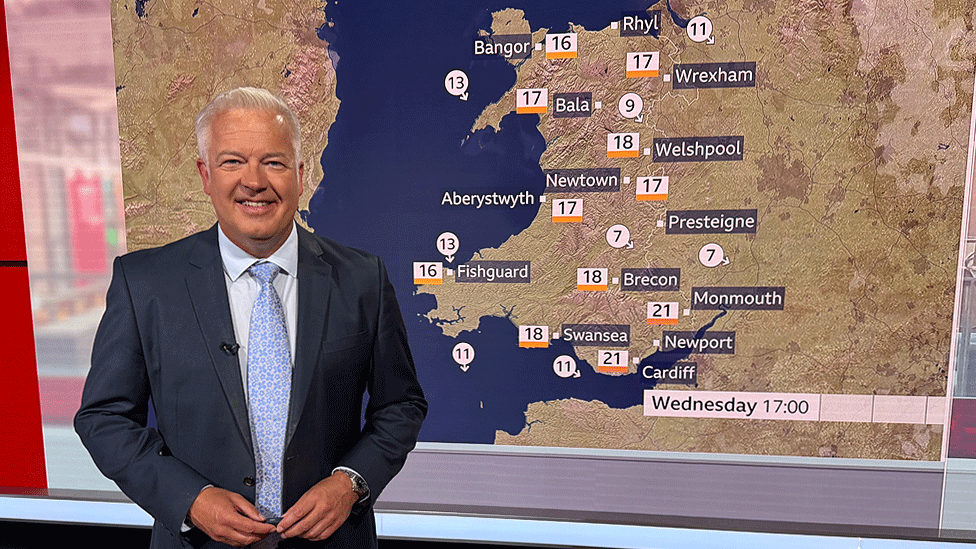
The cuts follow the departure of Derek Brockway, BBC Wales' lead weather forecaster, who announced on Tuesday that he would step down after nearly 30 years in the role. Following his exit, the corporation will restructure its weather service, with live forecasts ending on Radio Wales from January.

These developments form part of the corporation's response to structural challenges in its funding model. Garmon Rhys, BBC Wales' interim director, told Radio Cymru's Dros Ginio programme on Friday that
changing the licence fee model is absolutely necessary. He highlighted a fundamental mismatch in the current system:
We're now in a situation where 94% of people in Britain use BBC services every month, but only 80% of households pay for the BBC.
Rhys explained that the corporation has been prioritising growth in digital platforms as audience consumption patterns shift. He characterised the licence fee model as
rooted in another world, warning that
the BBC will continue to face financial challengesas the proportion of households paying the fee continues to decline. When asked whether further cuts might follow, Rhys stated:
We have to continue looking at our budgets and continue assessing them.
What is the broader context for these cuts?
The Wales reductions represent a revision of earlier projections. The BBC's June announcement indicated that Wales was expected to deliver about £9m of savings and reduce headcount by around 50 roles, before the figure was later adjusted downward to 45 job losses. The corporation announced in June that it would pursue £500m in savings over two years, framing the reductions as essential to the broadcaster's long-term sustainability.
The National Union of Journalists (NUJ) has responded sharply to the announcement. Laura Davison, the union's general secretary, described the cuts as
devastating and demoralising, adding that
the latest wave of cuts piles on the misery already being felt. She emphasised that
BBC local radio attracts millions of listeners around the country each weekand that
it is the BBC's dedicated workforce that has made it a success, and the broadcaster will not be able to continue providing quality journalism and original programming without them.
Davison warned that
the more cuts the BBC makes, the more its services sufferand called for government intervention.
The BBC has been undermined by years of underinvestment and interference, she said, urging the UK government to act. The NUJ has previously cautioned that the constant reduction cycle risks driving a
doom spiralacross the corporation's operations.
What happens next?
The overall savings programme is scheduled to run through the 2027-28 financial year, with the corporation signalling that additional cost reductions will be required in 2028-29 and potentially beyond. Staff departures will occur primarily through voluntary redundancy, with a small number of compulsory redundancies in the newsroom. The broadcaster will implement the programming changes progressively, with Radio Wales live weather forecasts ending in January and other schedule adjustments following in subsequent months.
Key Facts:
- 45 jobs are being eliminated at BBC Wales, affecting a larger proportion of the 680-strong workforce including part-time and shared positions
- 20 hours of annual television programming and multiple radio shows will cease, including the 35-year-old football discussion programme Ar y Marc
- BBC Wales must deliver £9m in savings for 2027-28, with further reductions expected in 2028-29
- The Wales cuts are part of a wider BBC restructuring affecting 550 roles across News, Nations and Content divisions
- The newsroom will lose 20 positions, mostly through voluntary redundancy, with two compulsory redundancies