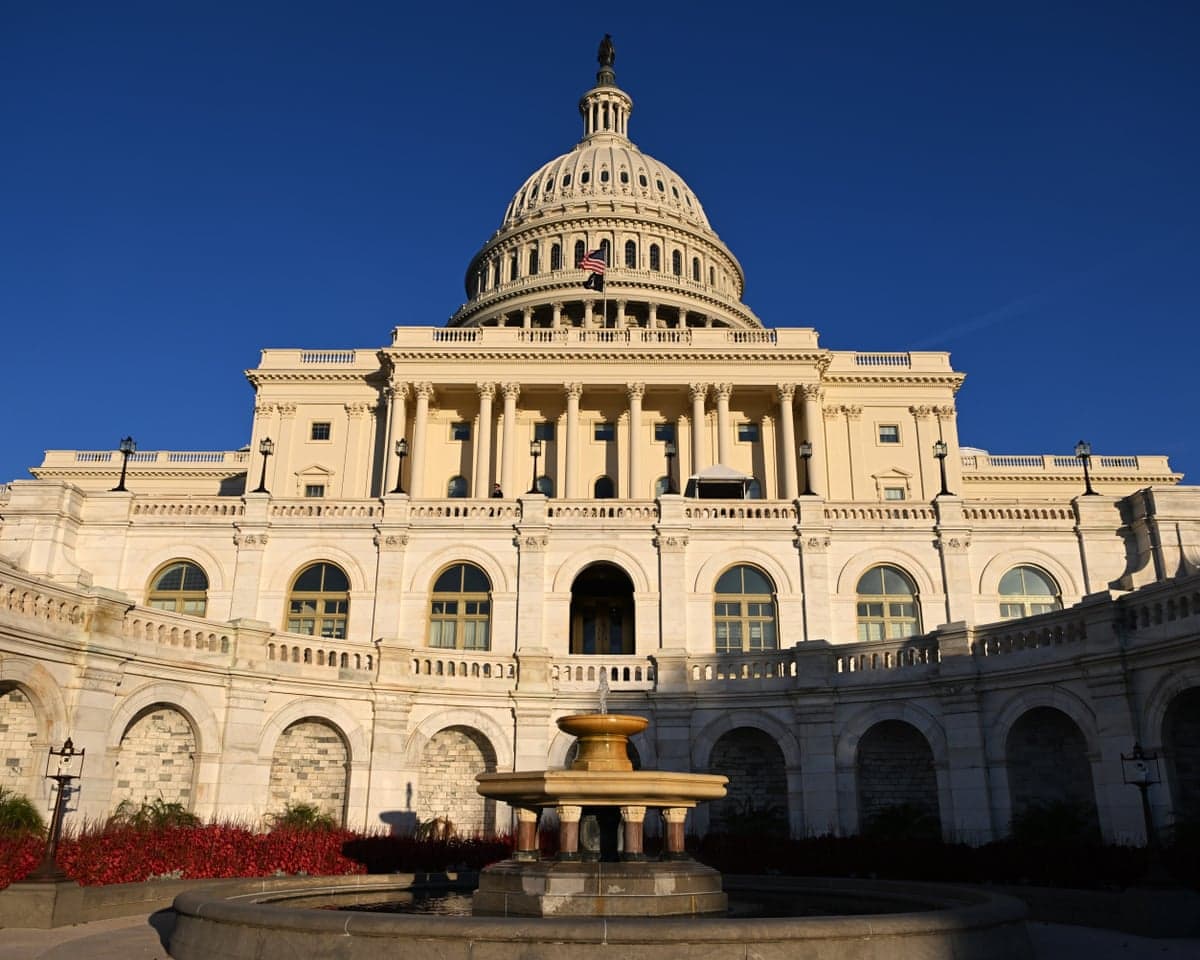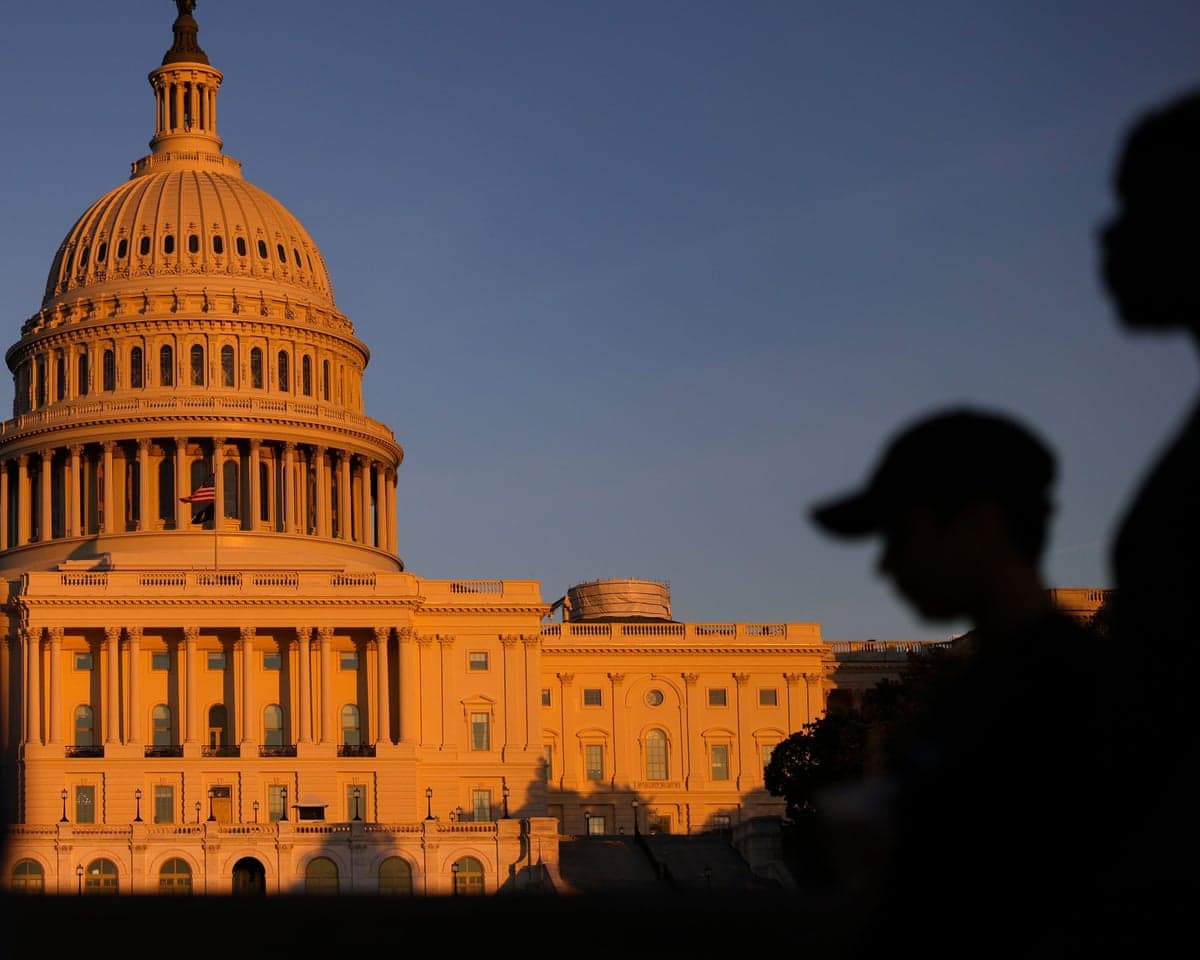
Equity markets rallied on Wednesday following the Democratic party's victories in the midterm elections, as investors reassessed the outlook for the world's largest economy and anticipated constraints on Donald Trump's policymaking during his final term in office. According to The Guardian, the Dow Jones climbed 2%, while the tech-heavy Nasdaq and benchmark S&P 500 each gained more than 1%, reversing overnight declines in US stock futures that had followed initial election reporting. Initial fears about the economic impact of the results have begun to ease as markets digest the implications.
The US dollar, by contrast, weakened considerably against the currencies of America's major trading partners, sliding to a one-month low as investors rotated into US Treasury securities, which are viewed as a refuge from the political gridlock anticipated during the remainder of Trump's presidency. The dollar index, which tracks its performance against a basket of six currencies, fell to its lowest point in a month, with sterling reaching its highest level since mid-September as the dollar came under pressure. The euro and the yen both strengthened, while the Swiss franc also gained ground as traders sought safe-haven assets during the period of political uncertainty.
Yields on US government bonds declined sharply as demand for Treasuries increased. The benchmark 10-year Treasury bond yield fell 4.7 basis points to 4.918%, while the two-year yield dropped 3.7 basis points to 4.597%. Bond yields move inversely to prices, falling when investors increase their purchases of these securities.
Across the country, voters rejected Trump and the Republican agenda, with Democrats securing Senate seats in traditionally Republican strongholds including Texas, Iowa, North Carolina and South Carolina. According to CNN, Democrats won control of both the House and Senate, though several dozen House races and the Alaska and Mississippi Senate races remained uncalled in early reporting. Among the notable victories was Democrat Abdul El-Sayed's win in Michigan's Senate race, positioning him to become the first Muslim senator in US history.
Axel Rudolph, chief technical analyst at the trading platform IG, assessed the market reaction:
The scale of the losses will inevitably raise questions about Trump's ability to push through his agenda over the next two years, and markets are already reacting. The dollar is under pressure as investors reassess the political outlook, while gold and silver are benefiting as safe haven plays.
How are global markets responding?
European equity markets climbed in early trading, with London's FTSE 100 rising by 0.2%, Germany's Dax advancing nearly 0.6%, France's Cac 40 gaining 0.4% and Italy's FTSE MiB index jumping almost 1.4%. Bank and clean energy stocks, which have borne the brunt of Trump's policies, were among the top performers in Europe. Bank stocks rose by 2.8%, while Denmark's Vestas Wind Systems jumped nearly 5% and Ørsted soared 7.4%.
Asian markets showed mixed reactions to the election results. Japan's Nikkei fell amid concerns about technology regulation and AI investment, while South Korea's Kospi also declined in early trading, reflecting investor anxiety about the regulatory environment for technology companies under a Democrat-controlled Congress.
Which companies are facing pressure?
Individual technology stocks have experienced significant declines. SpaceX is down 5% in premarket trading, while Tesla has fallen more than 4%. Kathleen Brooks, research director for the UK at XTB, explained the market's concern:
Some individual names are nursing significant losses today. SpaceX is down 5% in the premarket, and Tesla is lower by more than 4%. Elon Musk is considered an anathema to most.
Musk, the world's richest person, has been a prominent supporter of Republican candidates, funding political action committees and groups aligned with the party. Brooks noted that investors are reacting to expectations that a Democrat-controlled Congress could mean greater scrutiny for AI companies, which could also cast doubt on the future prospects of Musk's two companies.
However, not all technology stocks have declined. AMD shares rose 6.3% in premarket trading after the chipmaker forecast faster-than-expected growth in 2027 for its data-center business, suggesting that some segments of the technology sector may benefit from the shift in political control.
What is driving concerns about artificial intelligence?
AI-related shares tumbled during Asian trading hours, as investors anticipated that Democrats would seek to introduce greater regulation of the sector. Chris Turner, global head of markets at ING, highlighted a specific concern:
Investors will be parsing what this all means. For example, Gina Hinojosa won the Texas governor's race on a ticket of wanting an immediate moratorium on datacentre buildouts.
He added:
Given AI's role in powering the US economy, speculation over whether a new Democrat Congress would slow AI capital expenditure plans briefly hit markets.
Jesper Koll, expert director at the financial services firm Monex Group, characterised the broader shift in sentiment:
The AI momentum has turned negative, with or without the having a majority. The starting point for financial markets into this election, particularly for the equity market, has been adverse on AI.
How much power does Trump retain?
Trump's established pattern of governing through executive orders has prompted some analysts to question whether Democrats regaining control of Congress will substantially alter US policymaking. Tai Hui, market strategist at JP Morgan Asset Management, outlined the areas where Trump retains significant influence:
There's still a number of areas where Donald Trump can influence the markets – trade and tariffs, foreign policy, and existing regulations.
This assessment suggests that despite the Democratic victories, Trump's executive authority over trade policy, international relations and regulatory enforcement could continue to shape market conditions and business decisions throughout his remaining time in office.
What happens next?
The House calendar lists November 5 as a scheduled legislative day, marking the beginning of the new Congress's work. Markets will likely continue to assess the implications of Democratic control over the coming weeks as lawmakers outline their legislative priorities and Trump responds to the changed political landscape.
The price of gold, a traditional haven asset, rose by 2.2%, soaring past $4,000 an ounce, reflecting ongoing investor demand for protection against political and economic uncertainty. The market reaction underscores the significant shift in investor sentiment following the midterm results, with expectations of reduced fiscal stimulus, tighter regulation of technology companies, and constraints on Trump's policy agenda reshaping asset allocation decisions across global markets.