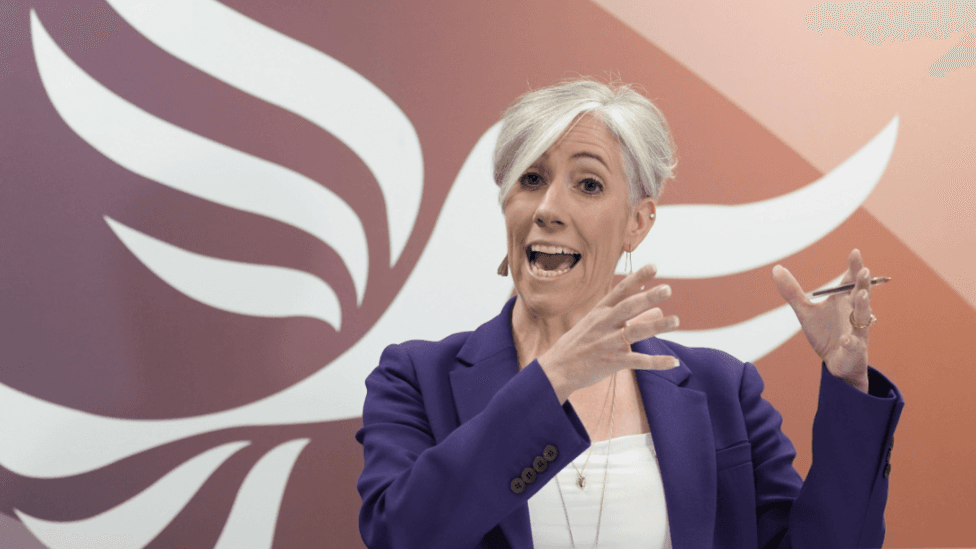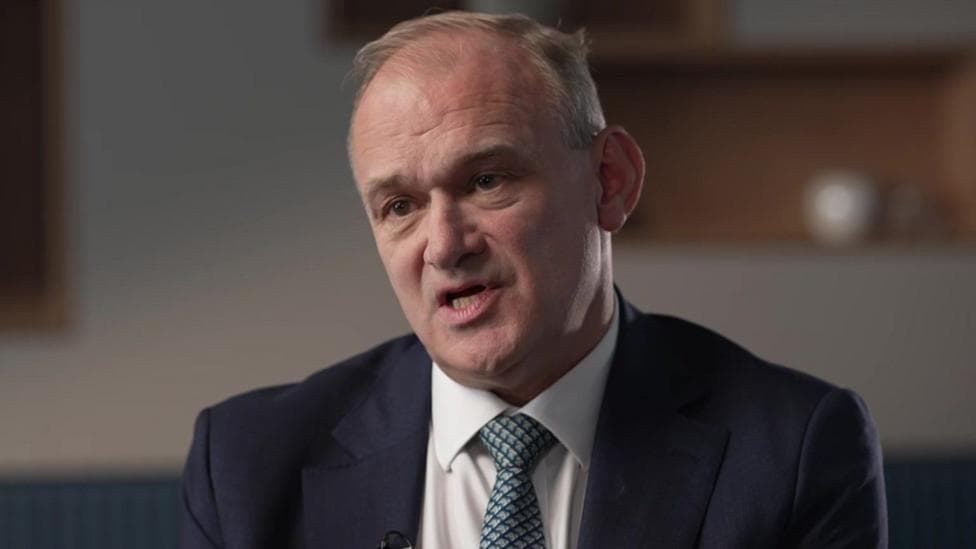
Sir Ed Davey is pressing the government to act swiftly on fuel costs, calling for an immediate reduction in fuel duty of 10p per litre lasting until the end of the year as part of a broader cost-of-living relief package.
The Liberal Democrat leader is simultaneously demanding that ministers abandon a permanent fuel duty increase scheduled to begin in January. He argues that a temporary three-month cut would stimulate the economy and effectively pay for itself through increased tax revenues.
Fuel duty has remained frozen since March 2022 under the previous Conservative administration, a policy that Sir Keir Starmer's government has maintained. In May, the government postponed a planned 3p increase originally due in September, pushing it back to the end of this year. According to the government's current plan, a 3p-per-litre rise is scheduled for 1 January 2027, followed by a further 2p rise on 1 March 2027.
The Liberal Democrats contend that implementing a 10p cut from fuel duty would result in petrol and diesel prices dropping by 12p per litre at the pump. The party calculates this would save approximately £6.60 on a 55-litre tank of petrol.
Why does Sir Ed believe this policy is necessary?
Sir Ed contends that drivers require immediate support, pointing to elevated fuel prices resulting from geopolitical tensions.
"Petrol and diesel prices are higher than they've been for a long time because of Trump's mad war with Iran, and people need help now,"he stated. He maintains that a temporary three-month fuel duty reduction would generate sufficient economic stimulus to offset its cost.
The proposal carries an estimated price tag of approximately £2bn. Sir Ed argued that the measure would be self-financing, explaining:
"It's a three-month package, a temporary package, but if you look at the extra money the government will get through the energy profits levy, from gas taxes, from VAT and fuel duty, it's self-funding."

What other transport policies is the Liberal Democrat leader proposing?
The fuel duty proposal forms part of a wider "keep Britain moving" package that extends beyond fuel costs. During his address to the party conference on Tuesday, Sir Ed will advocate for reducing the bus fare cap from £3 to £1 and cutting rail fares by 10%. He will additionally push for VAT to be eliminated from public charging points for electric vehicles and demand a review of network costs that the Liberal Democrats have characterised as inequitable.
How has the government responded?
Labour Party chair Bridget Phillipson acknowledged the Liberal Democrat proposal but emphasised the government's existing record on fuel duty. When questioned about Sir Ed's call for a fuel duty cut, she told Laura Kuenssberg:
"I'm sure John Healey will be open to any and all suggestions ahead of the budget but actually this is an area where the Labour government has taken action on fuel duty already."She added:
"Whilst I recognise what the Lib Dems have to say on this topic, this is the element of politics about it - they've got their conference, they're making their pitch, good luck to them."
Chancellor John Healey faces mounting pressure to either increase taxes or reduce spending ahead of the upcoming Budget, as government borrowing costs continue to rise. The fuel duty proposal will likely feature prominently in discussions about fiscal priorities.
What is the current fuel duty situation?
The current main rate of fuel duty stands at 52.95p per litre, reflecting the 5p cut introduced in March 2022. This freeze has remained in place across two changes of government, though the decision to maintain it has been subject to ongoing review, particularly given international developments affecting energy markets.
What happens next?
The Autumn Budget scheduled for 28 October 2026 represents the next major fiscal decision point for fuel duty. This Budget will determine whether the government accepts the Liberal Democrat proposal, maintains the current freeze, or proceeds with the planned January increase. Logistics UK has separately urged Chancellor John Healey to keep the fuel-duty cut in place at the Autumn Budget, indicating that the issue extends beyond party politics to affect the transport and logistics sectors.
The Liberal Democrats are also expected to make additional transport-related announcements during their conference proceedings, as Sir Ed seeks to position his party as offering substantive alternatives to current government policy.