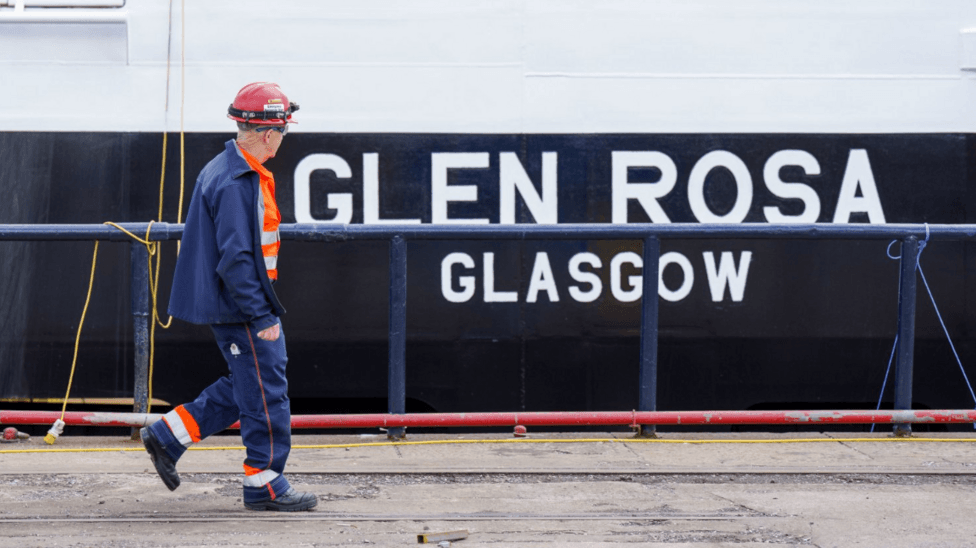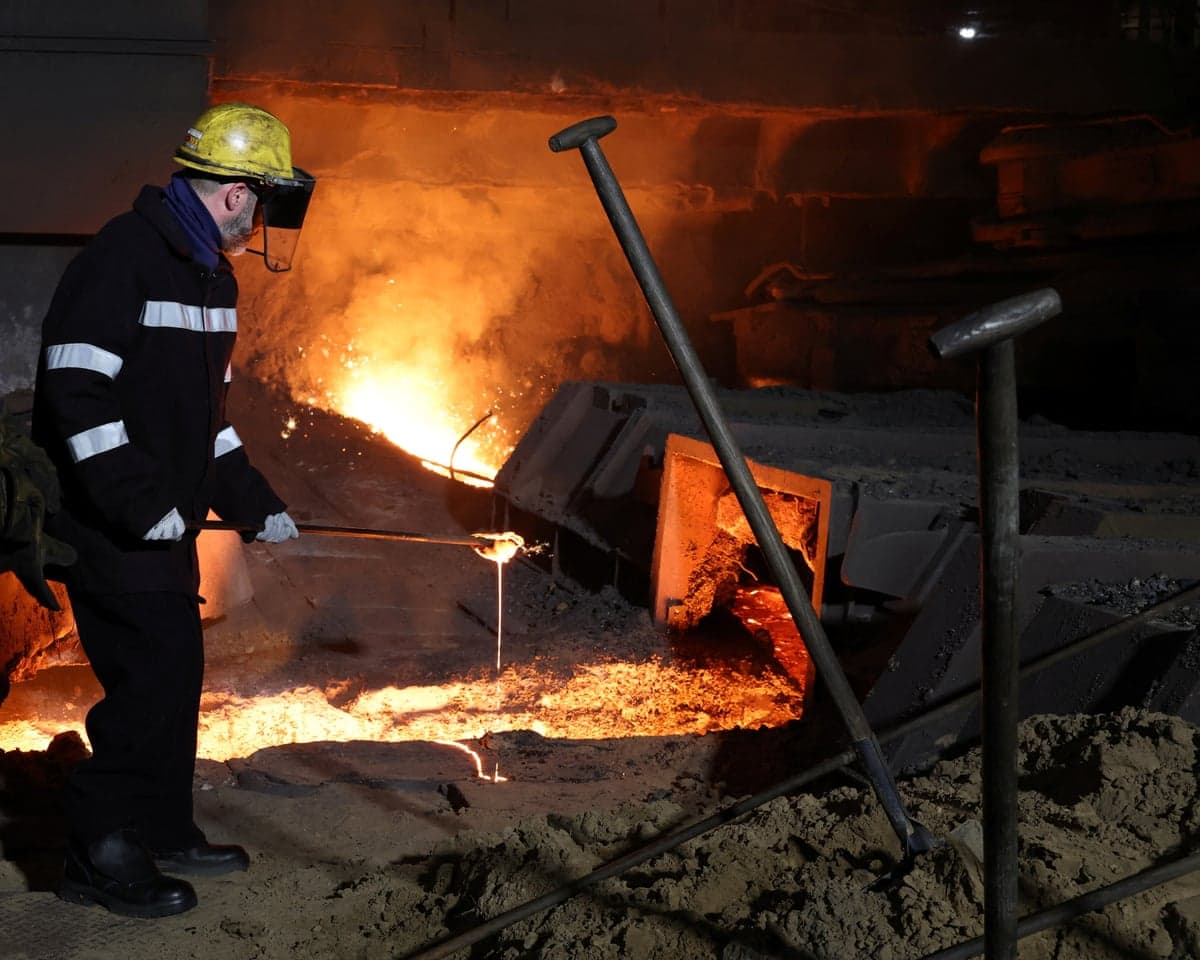
Labour faces mounting pressure to publish a credible long-term strategy for British Steel after the government's spending watchdog warned of the "startling" costs of sustaining the publicly owned steelmaker with no clear exit plan in sight.
British Steel entered public ownership in July 2026 to safeguard steel production capacity, arriving 15 months after the government first intervened to avert the closure of its Scunthorpe steelworks and the loss of 4,000 jobs. The company is now consuming £1.3m daily to remain operational, with total projected expenditure potentially reaching £1.5bn by 2028. By mid-June 2026, the government had already disbursed £555m to cover worker salaries and raw material purchases, a figure that excludes spending on external advisers.
The parliamentary public accounts committee delivered a sharp rebuke on Friday, stating that ministers remained unable to articulate any viable business model capable of placing the company on a sustainable financial footing. The Department for Business and Trade had failed to supply even preliminary cost projections or timelines for resolving the situation, the committee found.
What plan does the government have?
Ministers have not articulated a credible strategy for British Steel's future beyond continued public funding. Clive Betts, deputy chair of the public accounts committee, said the initial decision to rescue the company was justified, but emphasised that government now bore responsibility for charting a path forward.
This was just the beginning. Having brought British Steel onto the taxpayers' books, it is now up to government to explain its plan for its future. Unfortunately, beyond simply propping up the company with public money, the government was not able to outline such a plan to our inquiry.
Betts added that the reality facing policymakers was stark:
British Steel is unable to wash its own face, and government is now in charge of making sure it gets on to a sustainable financial footing for the future.
The committee demanded that the government publish a comprehensive plan detailing the intended future production model and British Steel's role in the UK economy, the preferred decarbonisation pathway, mechanisms for achieving financial sustainability, and expected costs, funding sources and implementation timelines.

How does this affect the wider steel sector?
The committee warned that concentrating resources on British Steel risks starving other parts of the industry of vital support. The concern became more acute days after Labour also moved toward public acquisition of Speciality Steel UK, another struggling manufacturer, in an attempt to preserve 1,300 jobs. According to , Speciality Steel UK entered liquidation in August 2025 and operates sites across northern and central England, producing specialist steels for aerospace, defence, automotive and advanced manufacturing sectors.
Jonathan Reynolds, the business secretary, said at the time of the Speciality Steel intervention that the government did not "intervene in private companies lightly" but that the move was essential to protect heavy industry. The public accounts committee countered that the government could not "spend all its money supporting British Steel, when clearly there will be a need to support other parts of the industry". The committee stressed that
[Taxpayers] remain exposed to significant and growing costs and uncertainty – it is not clear whether the money will ever be recovered.
The committee also raised concerns that the "startling levels of funding British Steel is currently receiving" must not come at the expense of support for the wider sector.
What is the timeline for Speciality Steel?
The government's acquisition of Speciality Steel UK remains subject to due diligence, according to . A preferred bidder's exclusivity period was expected to last approximately five weeks before the sale process advanced further, according to government guidance. Industry reporting suggests the public-acquisition plan could take up to six months to complete.
The government appointed Alan Lovell as chair of British Steel, with the appointment taking effect on 14 September 2026, signalling a management overhaul intended to stabilise operations. Government sources confirmed the appointment as part of efforts to refocus the business on sustainable operations.
What is the compensation dispute?
The former owner Jingye has separately claimed that British Steel owed it nearly £1bn when the company was nationalised and has initiated formal proceedings under an international treaty to seek compensation from the government. The move has created friction in UK-Chinese relations, with China's government expressing concern about the situation.
What does the government need to do?
The public accounts committee has set out specific requirements for ministerial action. The government must publish a plan that includes options and analysis for the intended future production model and British Steel's role in the UK economy; the preferred decarbonisation pathway; mechanisms for achieving financial sustainability; and the expected costs, funding sources and timetable for implementation. Without such clarity, the committee warned, taxpayers face mounting exposure to costs with no certainty of recovery.