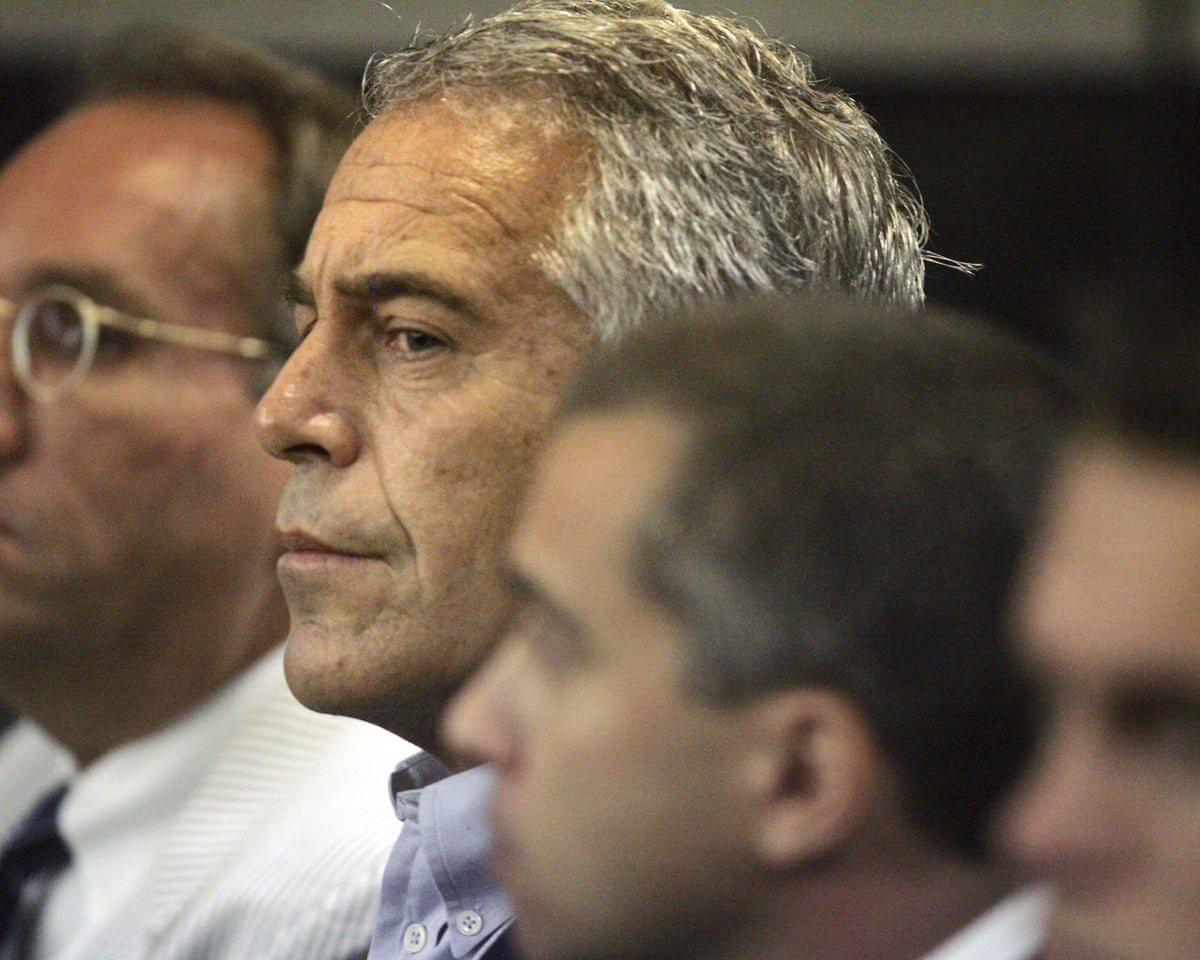
A bipartisan group of lawmakers has introduced legislation designed to compel federal regulators to investigate financial institutions and their leaders for potential involvement in facilitating the late financier Jeffrey Epstein's crimes. The move reflects mounting pressure on Wall Street to demonstrate accountability, particularly regarding how major banks vetted executives with documented connections to the convicted sex offender.
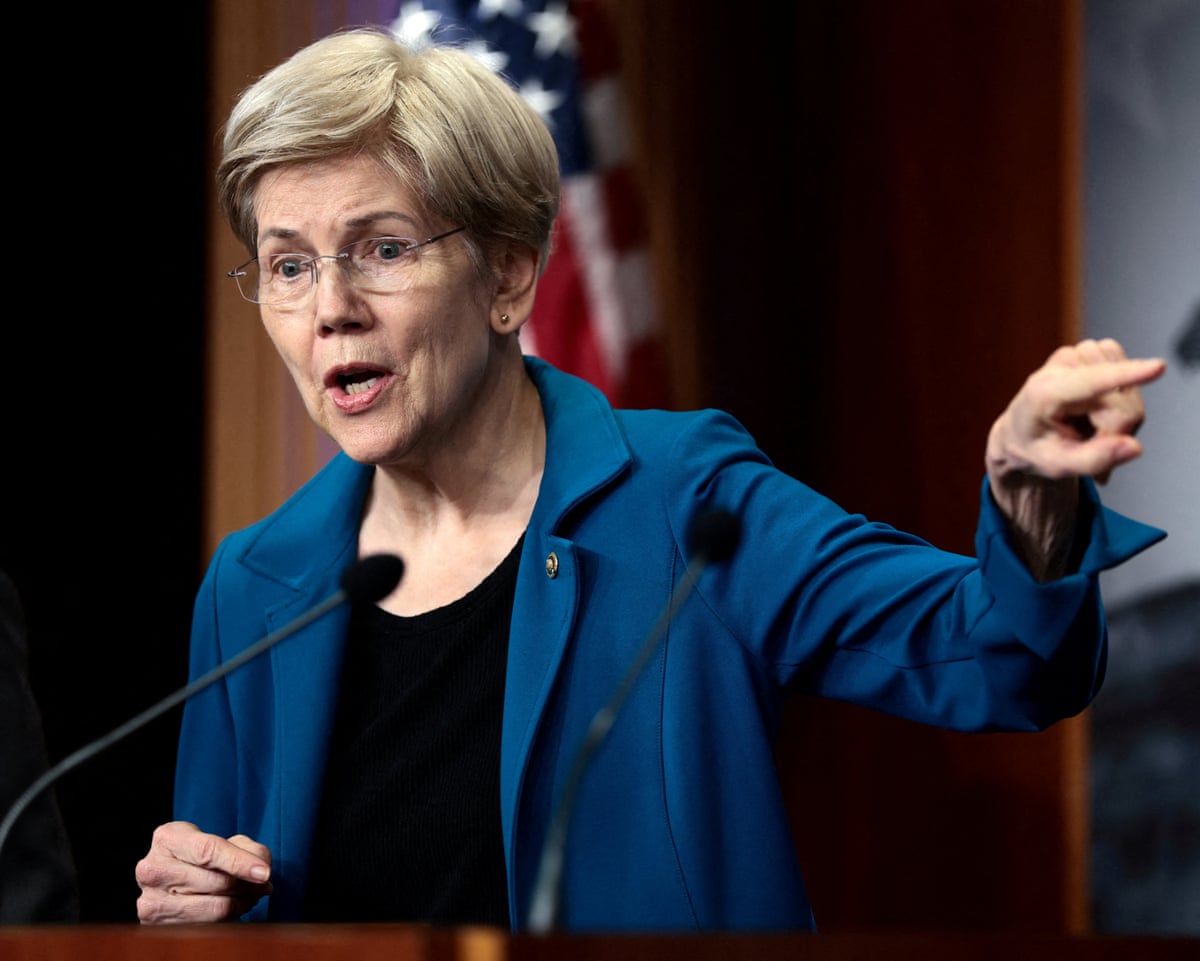
The proposal, called the Epstein Wall Street Records Act, will be formally introduced on Thursday by a coalition that includes Democratic Senator Elizabeth Warren and House representatives Robert Garcia, Ro Khanna and Raja Krishnamoorthi, alongside Republican House member Thomas Massie. Senate co-sponsors include Richard Blumenthal, Ron Wyden and Ben Ray Luján, according to reporting on the legislative effort.
If enacted, the legislation would empower the Federal Reserve, the Securities and Exchange Commission, the Federal Deposit Insurance Corporation and the Treasury Department's Office of the Comptroller of the Currency to conduct formal investigations into financial firms and executives deemed "Epstein-connected" for potential violations of banking, investment or illicit financing statutes. The bill would also grant regulators authority to impose financial penalties or bar offenders from operating in the US financial sector, according to details of the proposal.
Additionally, the legislation would mandate that regulators make public any records relating to Epstein and his associates, and would require them to refer potential criminal violations to the US justice department for prosecution.
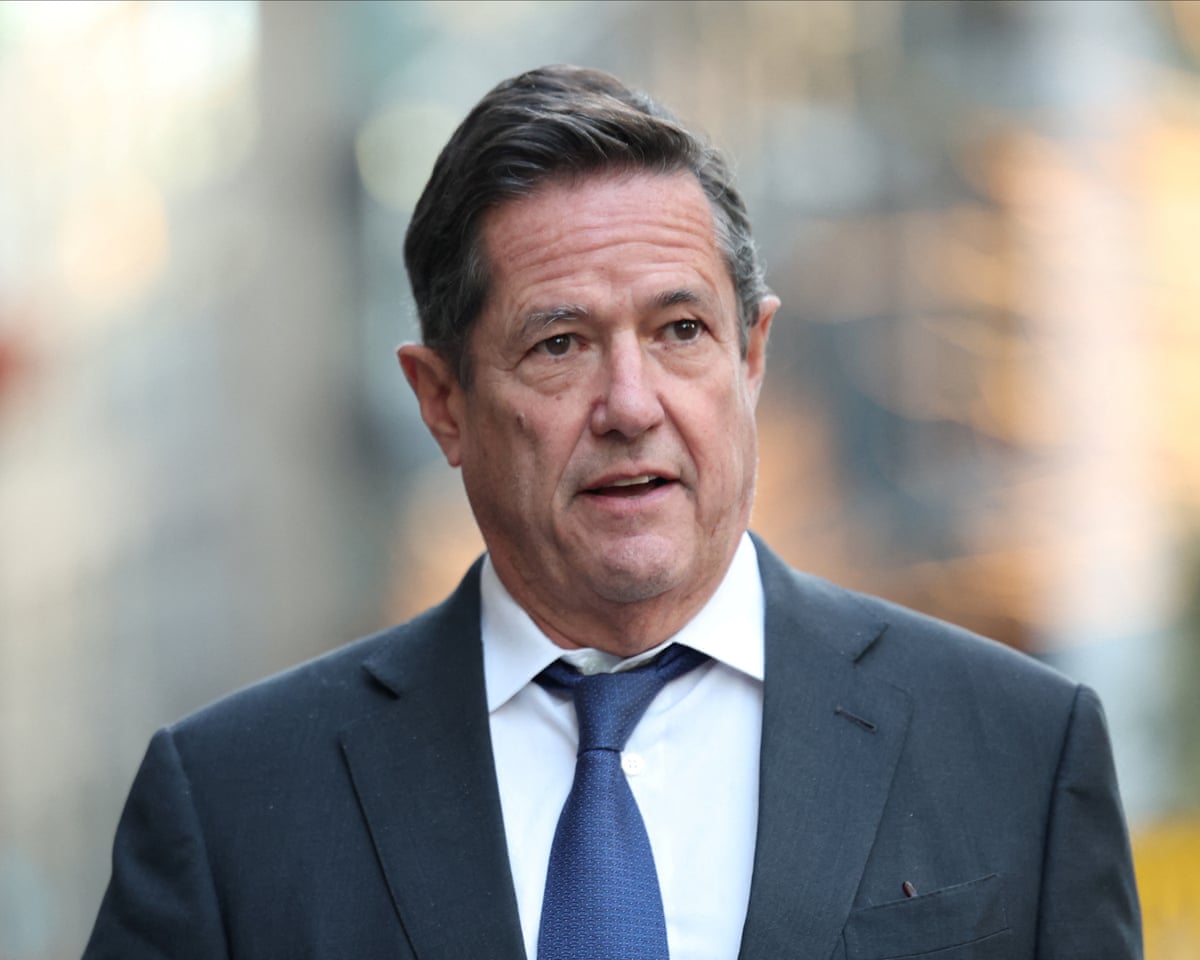
Warren's backing of the bill comes amid her public criticism of Barclays, the major UK financial institution, for what she characterizes as evasive responses to congressional inquiries about its former chief executive Jes Staley and his relationship with Epstein.
"Since the big banks won't hold themselves accountable – and the Trump administration won't either – Congress must act to force real transparency and accountability for them and their executives who enabled Jeffrey Epstein's crimes."
What prompted the investigation into Barclays?
In July, Warren and a team of House Democrats sent a formal letter to Barclays chair Nigel Higgins requesting detailed information about the bank's vetting procedures for Staley and whether it had conducted an internal review of potential deficiencies in its executive recruitment practices. The lawmakers specifically questioned how the institution had permitted its board to hire a chief executive who maintained extensive professional and personal relationships with a man later convicted of sex trafficking. The letter requested a response by August 5, 2026, and sought details on hiring due diligence, internal investigations, regulatory communications, Staley's departure and compensation arrangements, and contacts with US banking authorities, according to the lawmakers' account of their inquiry.
Barclays responded through Lance Williams, its head of US government relations, with a letter that Warren deemed inadequate. Williams' response centered on findings from UK regulatory investigations, emphasizing that Staley had
"concealed information about his actions and the nature of his relationship with Mr Epstein"and that
"only after Staley's resignation had previously unknown information come to light through various public disclosures."Williams further stated that
"This information paints a fundamentally different picture of Mr Staley than what he presented to Barclays,"and noted that the bank had engaged external executive search firms to recruit Staley in 2015, at which time he was
"known for his accomplishments in the banking industry."
Warren characterized Barclays' response as insufficient, stating that the bank
"continues to dodge responsibility over its apparent failure to vet its former CEO Jes Staley's close professional and personal ties to Epstein."She argued that the bank's evasiveness underscores the necessity for regulators to initiate formal investigations into Wall Street's financial relationships with Epstein.
How did Staley's ties to Epstein come to light?
Staley's connection to the financier ultimately derailed his career at Barclays. The American banker, who had spent three decades at JP Morgan before joining Barclays, resigned from his position after UK regulators initiated an investigation into the true nature of his relationship with Epstein, whom he had first met in 2000.
The Financial Conduct Authority's investigation, which was triggered by a collection of more than 1,200 emails exchanged between Staley and Epstein, concluded that the pair maintained a relationship that
"went beyond one that was professional in nature."Notably, in October 2019, Barclays had informed UK regulators that Staley claimed he did not maintain a close relationship with Epstein, according to the lawmakers' account.
Staley was ultimately fined in 2023 for downplaying his connections to Epstein. He subsequently challenged that decision in court, a legal battle that exposed intimate details of the pair's friendship. Court proceedings revealed that Staley had met with Epstein in New York—an encounter he characterized as consensual. The case also brought renewed attention to a 2010 exchange in which Staley wrote:
"That was fun. Say hi to Snow White."Staley denied having knowledge of this exchange during a UK court hearing.
Following his unsuccessful legal challenge against the FCA, Staley expressed disappointment with the outcome but maintained that he had
"never been dishonest."
What happens next?
The introduction of the Epstein Wall Street Records Act marks a significant escalation in congressional scrutiny of financial institutions' ties to the late financier. Depending on the results of the November 2026 elections, House and Senate committees may move to question bankers associated with Epstein and conduct hearings examining his financial dealings, according to reporting on potential next steps.
Barclays declined to comment on the matter. Staley's legal representatives were also contacted for comment but did not respond.