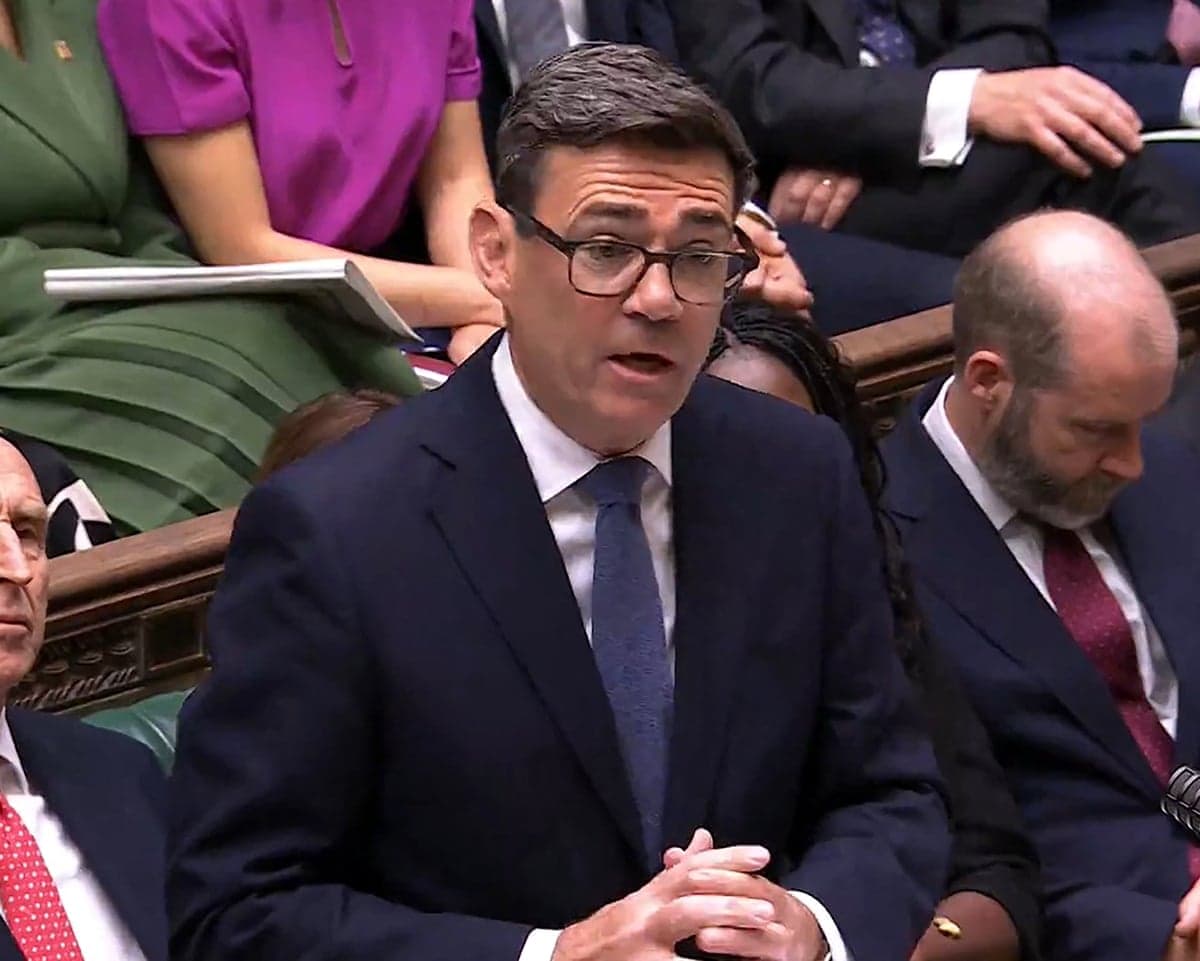
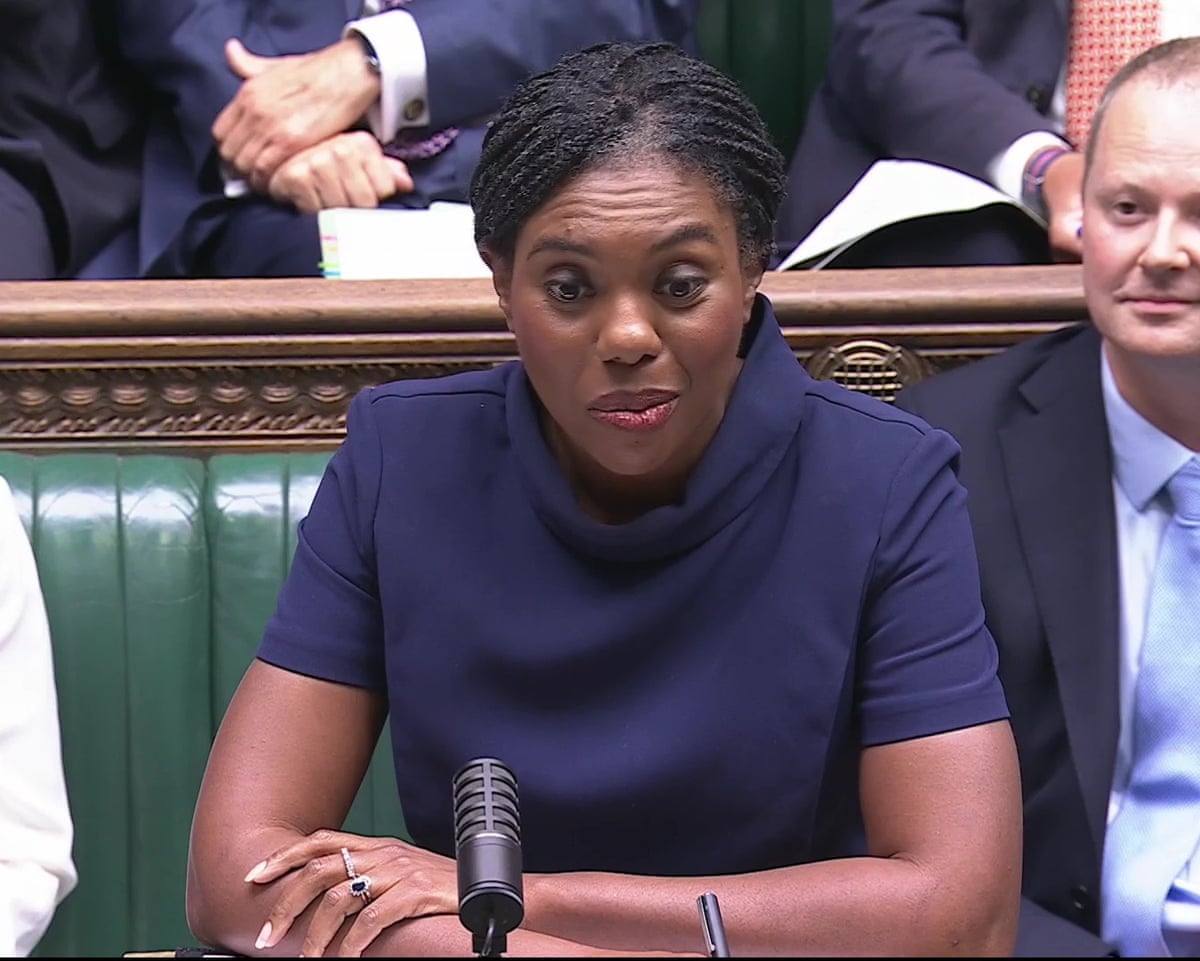
Prime Minister Andy Burnham faced his first parliamentary confrontation with Conservative leader Kemi Badenoch on 2 September 2026, as the UK's government borrowing costs climbed sharply amid market turbulence. Burnham rejected comparisons to the economic turmoil that engulfed Liz Truss's administration, instead attributing current market pressure to the fiscal vulnerabilities inherited from 14 years of Conservative governance.
The clash came as 10-year government bonds surged by four basis points at the start of trading on Wednesday, reaching their highest level since June 2008. According to financial reporting on gilt yields, the 10-year gilt yield had risen to 5.25 per cent, while 20-year gilts hit 5.82 per cent and 30-year bonds reached 5.9 per cent. The spike in borrowing costs has narrowed the fiscal room available to Chancellor John Healey for the autumn budget scheduled for 28 October 2026.
Badenoch challenged Burnham to commit to honesty regarding whether tax rises would feature in October's budget. The prime minister acknowledged his first action in office had been to reduce VAT on energy bills but declined to rule out future tax increases, instead deferring the matter to the chancellor.
The market turbulence has been attributed by some economists to Burnham's reaffirmation of his commitment to public control of utilities during his statement to the Commons on Tuesday. However, most market strategists have linked the movement primarily to a jump in oil prices rather than policy announcements. One of Burnham's close advisers, economist Jim O'Neill, warned on Tuesday evening that the prime minister's statement had been
"the last thing that investors want to hear on a day where all of this is going on in the background"and suggested traders were questioning
"Who's going to get real in this country about the challenges of getting our debt down and controlling spending?"
What did Badenoch say about Burnham's approach?
Badenoch criticised Burnham's three-hour Commons statement on Tuesday for failing to decline any spending requests, describing his approach as that of a people-pleaser rather than a leader. She said:
"He did not say no to a single spending request … And personally, I think it's delightful that he wants to make everyone happy. But a prime minister needs to be a leader, not a people pleaser."
The Conservative leader highlighted that Burnham had not explicitly ruled out tax rises and accused him of prioritising point-scoring over substantive policy.
"[He] did not rule out tax rises. Instead, what he did was lots of point scoring. He says he wants new politics, he says he wants honesty."
Badenoch drew a direct parallel to the Truss administration's fiscal missteps, noting that
"gilt yields now, the cost of borrowing is far more than it ever was under [Truss]. That budget failed because spending was announced before the money to pay for it, which is exactly what he is doing right now."
How did Burnham respond to the criticism?
Burnham defended his government's fiscal position, asserting that his summer commitments had been properly funded and that the administration would maintain fiscal discipline. He attributed current market turbulence to the structural vulnerabilities left by the previous Conservative government rather than his own policies.
"The turbulence on global markets are because of that exposure that they [the Tories] left behind. We've had the fastest growth in the G7. Borrowing fell to its lowest level in six years. We're cutting the deficit faster than any other G7 country. That is problem solving rather than point scoring,"he said.

When pressed again on tax rises, Burnham reiterated that his initial actions had involved cutting tax but declined to preview the budget, stating:
"I'm not going to … write the budget here, that will be the matter for my right honourable friend [the chancellor]."He explained that he had deliberately set an early budget date to reduce the period of market speculation.
According to live parliamentary reporting, Burnham also stated that there would be "no borrowing to fund day to day spending" and that debt would be falling as a percentage of GDP by the end of the parliament.
What was Burnham's criticism of Badenoch's leadership?
Burnham turned the focus onto Badenoch's recent personnel decisions within the Conservative shadow cabinet. He criticised her for removing shadow chancellor Mel Stride, who had acknowledged that the Truss mini-budget represented a policy error, and replacing him with Andrew Griffith, a Treasury minister who had helped draft the controversial Truss package.
"[Badenoch] took a decision at the weekend: she removed a shadow chancellor who said that the Truss mini budget was a mistake, and she replaced that shadow chancellor with one that helped to write it."
Burnham characterised the Truss period as
"a short-lived government that crushed confidence in the economy and hammered people's mortgages."
What is Burnham's fiscal strategy?
In an attempt to stabilise market sentiment, Burnham outlined his government's commitment to fiscal responsibility. He pledged that his administration would adhere to fiscal rules while simultaneously working to reduce cost-of-living pressures on constituents.
"It will stick to the fiscal rules, but at the same time, we will help reduce cost of living pressure on our constituents. And that's the approach that we will take."
Burnham emphasised the Conservative legacy as the root cause of current economic vulnerability, pointing to 14 years of stagnant growth and rising debt as a percentage of GDP under previous governments. He framed his administration's task as reversing this trajectory and turning a corner on the economy.
What is the relationship between Burnham and O'Neill?
Burnham expressed his willingness to continue receiving counsel from O'Neill, acknowledging that while they do not always agree, their collaboration had previously transformed Greater Manchester from a former industrial region into the fastest-growing city region in the country. This history underscores Burnham's track record in regional economic development before his elevation to the premiership.
What happens next?
Parliament's schedule for 2 September included urgent questions or ministerial statements at 12:30 following the PMQs session. Both Houses of Parliament were due to resume normal business on Monday 7 September 2026 after the summer recess. The autumn budget, which will be the government's first major fiscal test, is scheduled for 28 October 2026. According to Parliament's official schedule, this budget will be closely watched by markets and opposition parties alike as Burnham attempts to balance his manifesto commitments with fiscal constraints.
Burnham's first PMQs as prime minister marked the beginning of a critical period in which he must demonstrate his ability to manage both parliamentary scrutiny and market confidence as the government prepares for its first major fiscal event.