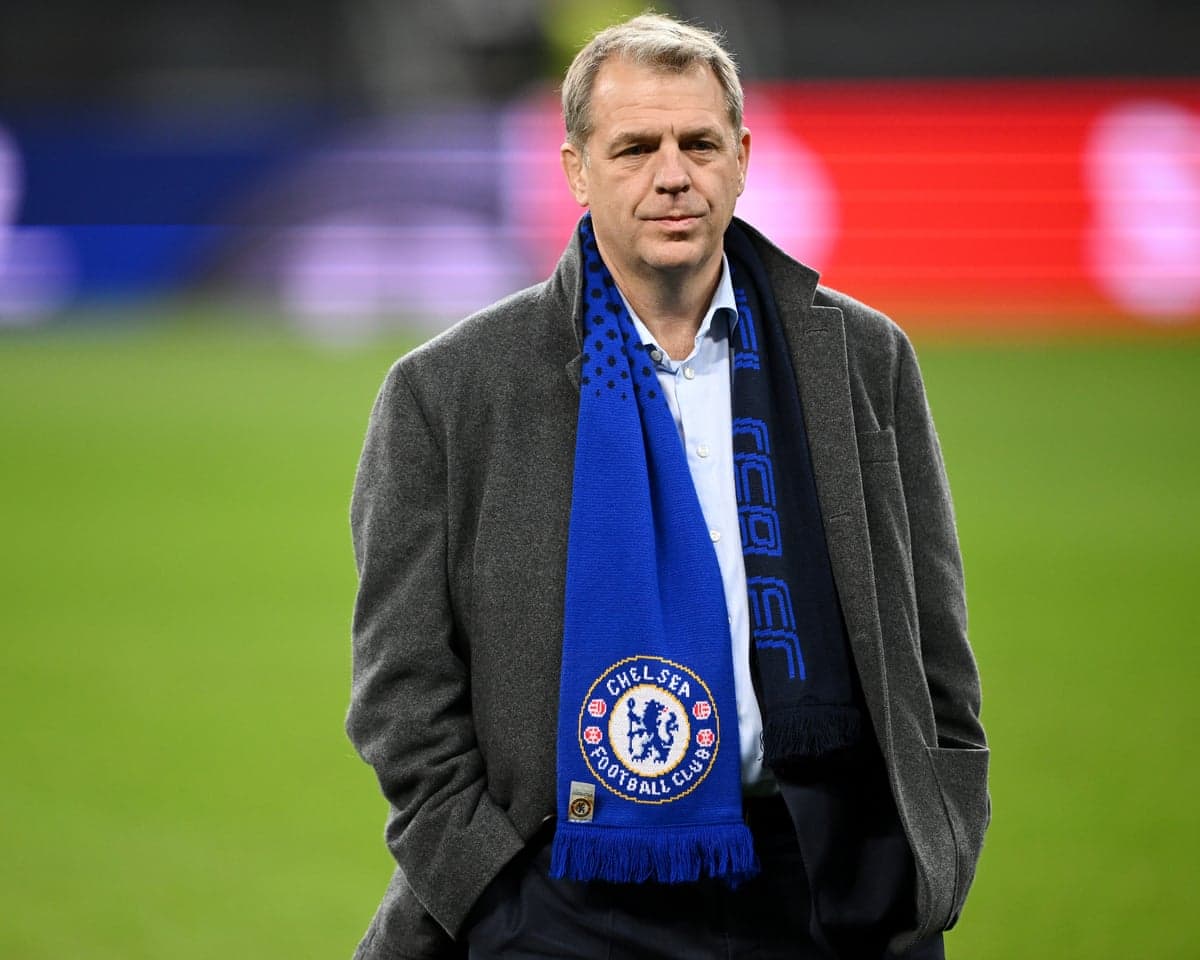
Todd Boehly and Mark Walter have sold their stakes in Chelsea to Clearlake Capital, which now holds complete ownership of the club. The American billionaire, who was a prominent public face of the consortium that purchased Chelsea from Roman Abramovich in 2022, is stepping down as chairman. According to , the transaction values Chelsea at approximately £5 billion including debt, with the buyout worth around £950 million.
The departure will alter little in day-to-day operations at Stamford Bridge, as Clearlake Capital, the US private equity firm founded by Behdad Eghbali and José E Feliciano, was already the guiding force behind the club's strategic direction. Boehly's influence over sporting matters had waned considerably since his early involvement in transfer decisions, which resulted in significant financial losses and widespread criticism.
How did Boehly lose control?
When the BlueCo consortium acquired Chelsea for £2.5bn in 2022, Boehly, Walter, and Swiss billionaire Hansjörg Wyss each held an equal share of a 38.5% stake, while Clearlake owned 61.5%. However, the ownership structure quickly became unbalanced in Clearlake's favour. Boehly initially positioned himself as the public face of the takeover and appointed himself interim sporting director after key personnel departed following Abramovich's exit. His tenure in that role proved disastrous.
The American's inexperience in football became apparent when Chelsea spent approximately £300m on players who failed to integrate successfully into the squad. His decision-making drew ridicule, particularly his explanation that he signed Marc Cucurella from Brighton because he heard Manchester City wanted the Spanish left-back. Boehly also became a figure of mockery after suggesting at a business conference that football should adopt an All-Star game format, and after claiming Chelsea would defeat Real Madrid 3-0 before a Champions League quarter-final in 2023—a prediction that backfired spectacularly.
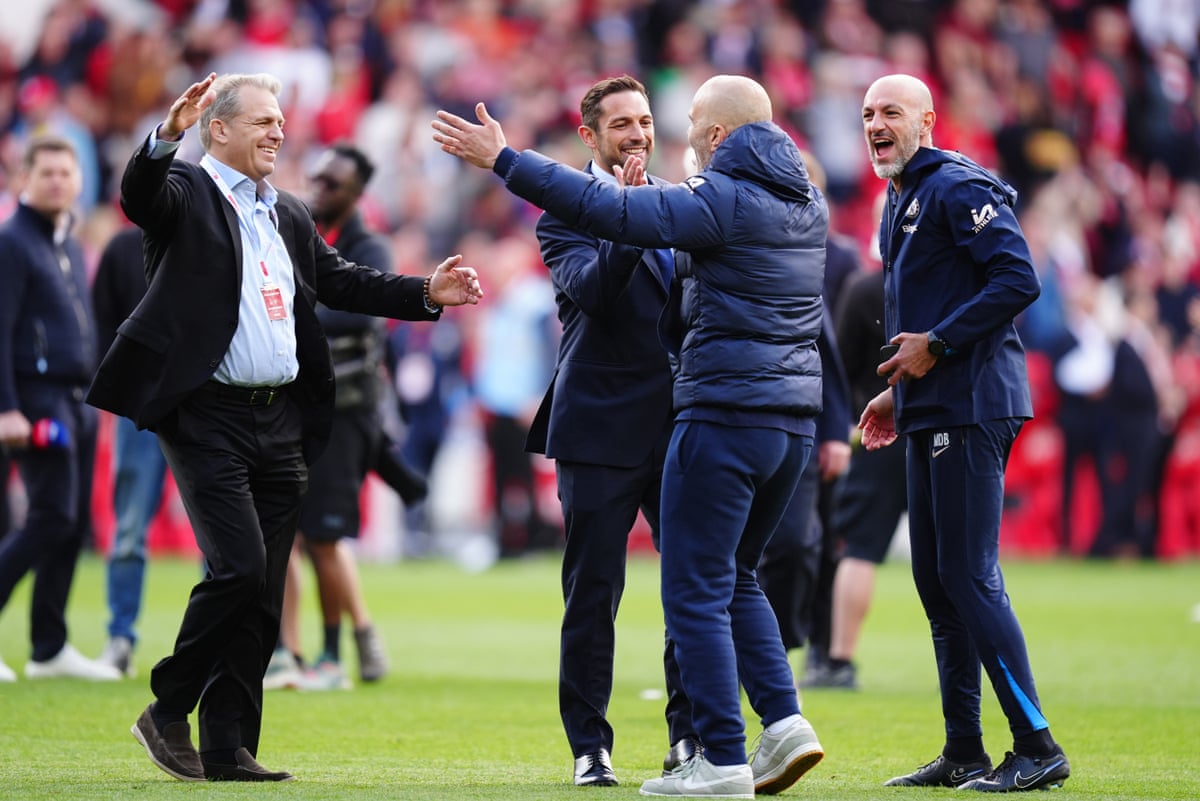
Tensions within the ownership group surfaced publicly around two years before the exit, with reports suggesting Boehly had lost confidence in his working relationship with Clearlake. He sought a resolution and reportedly had investors prepared to fund a full takeover, though this proposal was met with scepticism by Clearlake's leadership. In response, Clearlake considered buying Boehly out entirely or alternatively proposed that he step down as chairman and accept governance changes that would reduce him to a ceremonial role.
A temporary truce followed, but Clearlake continued pursuing its own strategic vision. The spark for the eventual sale came in summer 2026, when Walter sought to liquidate assets to address financial difficulties in the United States, signalling the end of the partnership. According to ESPN, Boehly and Walter each held approximately 12.8% of the club before the sale, while Wyss retained a stake estimated at 13.5%.

Why did Boehly's sporting decisions fail?
Boehly's initial strategy in the transfer market was characterised by lavish spending without a coherent long-term plan. Chelsea's recruitment during his first window as interim sporting director lacked direction, resulting in the acquisition of players who did not fit the club's tactical requirements. The most notorious example was a player signed to a £325,000-a-week contract who became emblematic of the chaos and excess that defined that period.
The chaos intensified when Thomas Tuchel departed and was replaced by Graham Potter at the start of the 2022-23 season, further destabilising the club. Boehly later acknowledged that his original intention was never to remain so deeply involved in sporting matters and that he had always planned to step aside once qualified experts were hired. Chelsea's subsequent strategy shifted dramatically, moving away from the scatter-gun approach of the first window.
The club eventually appointed five permanent sporting directors—Paul Winstanley, Laurence Stewart, Sam Jewell, Joe Shields, and Dave Fallows—and adopted a more structured approach focused on long-term player development and incentivised contracts for younger talent. Eghbali drove this revised vision, though the transition proved turbulent. Chelsea qualified for the Champions League only once during Boehly's tenure, and managerial changes continued to plague the club's stability.
What changes under sole Clearlake control?
Little will shift in the club's day-to-day operations or leadership structure following Boehly's departure. Eghbali and Feliciano, who leads Clearlake's operations more discreetly, will continue to direct strategy. Eghbali has become increasingly visible to supporters, though not always positively—he was repeatedly targeted with abusive chants by Chelsea fans earlier in 2026 as dissatisfaction with the post-Abramovich era mounted.
The most significant consequence of Boehly and Walter's exit may be movement on the stadium question. According to Sports Business Journal, the club's stadium plans are expected to become a sharper focus under sole Clearlake control. Chelsea had been exploring redevelopment options, including a potential move to Earls Court, though the club has not ruled out finding a way to make a more complicated plan to redevelop Stamford Bridge itself work. The removal of the multi-owner structure may accelerate decision-making on this critical infrastructure project.
Boehly and Walter are understood to have made a modest profit on their Chelsea investment. Jonathan Goldstein, a Boehly ally, has also departed from the board. Wyss, by contrast, has invested in a Clearlake vehicle and remains involved with the club.
Key Facts
- Clearlake Capital now holds complete ownership of Chelsea after buying out Boehly and Walter's combined stakes in a transaction valued at approximately £950 million
- Boehly's involvement in transfer decisions resulted in approximately £300m in spending on players who failed to establish themselves, contributing to his loss of influence
- Chelsea qualified for the Champions League only once during Boehly's tenure as a key decision-maker, highlighting the instability of the early post-Abramovich period
- The club's stadium redevelopment plans, including potential moves to Earls Court or renovation of Stamford Bridge, are expected to progress more decisively under unified Clearlake control
- Boehly's public profile as a football decision-maker was damaged by failed predictions, such as claiming Chelsea would beat Real Madrid 3-0, and by suggesting football adopt an All-Star game format