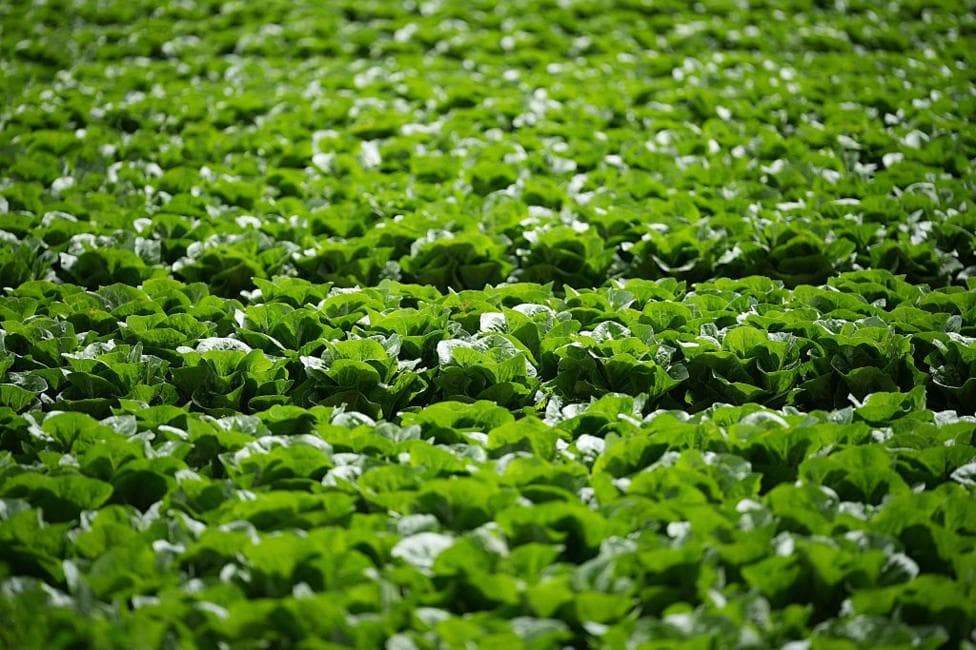
A severe outbreak of aphids is destroying millions of heads of lettuce across the UK, with farmers facing losses totalling £10 million as approximately 30 million heads become unusable during the critical final weeks of the growing season.
The British Leafy Salads Association (BLSA) has confirmed that warm and dry weather has created optimal conditions for the pest, with as much as 30% of the UK crop between now and the end of October expected to be wasted. This represents a significant blow to domestic producers, who normally dominate the market during summer and early autumn before imported supplies increase on supermarket shelves.
According to recent reporting, farmers fear this is the worst aphid outbreak in a generation, with crisphead, romaine and iceberg varieties expected to suffer the heaviest damage. The currant-lettuce aphid has been identified as the primary pest responsible, and bright green lettuces are expected to prove more vulnerable than purple varieties.
Which regions are affected?
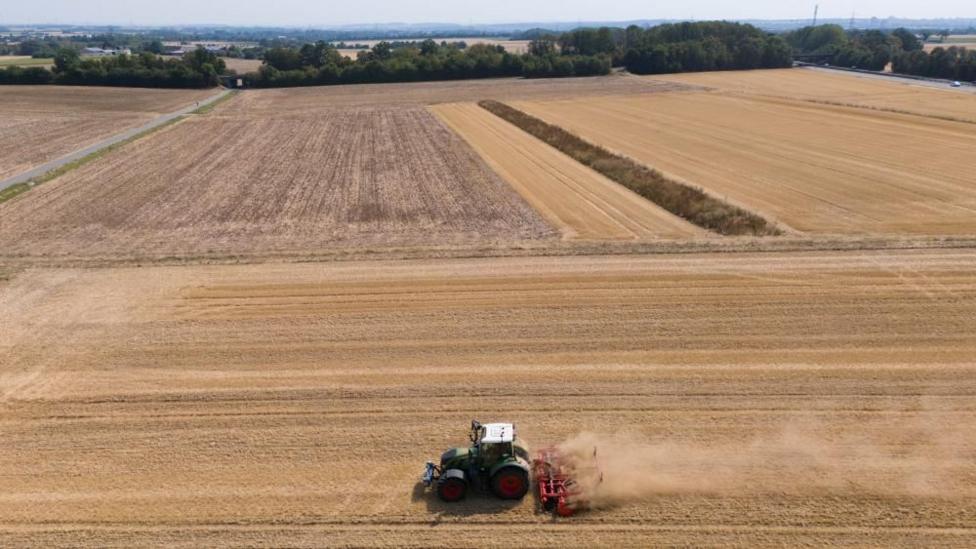
The outbreak has spread across every major lettuce-growing area in England. Farms in the Midlands, East Anglia, the south-east, south and north-west have all reported significant infestations, with all major lettuce-growing regions now affected by the pest.
Research has shown that aphid populations in lettuce display an east-west divide across England, which helps explain why pest pressure varies by region. This geographical variation means some areas are experiencing more severe infestations than others.
How serious is the damage?
BLSA spokesman Dieter Lloyd characterised the situation as serious, though not affecting every head of lettuce in the UK.
The issue though is serious, the aphids bloom in June and again in August/September. What we're talking about here is the loss of the crop over the course of the last couple of weeks and the couple of weeks ahead.

Lloyd explained that
this is not all of the heads in the UK, but it's a significant percentage of itand that producers are
looking at not using 30 million heads of lettuce at the cost of £10m to the growers. To put this in perspective, UK growers produce around half a billion heads of lettuce over the course of a full season, meaning this outbreak will destroy roughly 6% of annual production in just four weeks.
Consumers have been eating salads made from UK-grown lettuce throughout the summer months, but the timing of this outbreak during the transition to autumn means imported lettuces are now likely to appear on supermarket shelves a couple of weeks earlier than usual.
What caused the outbreak?
The combination of warm and dry weather this summer has created ideal breeding conditions for aphids. Lloyd acknowledged that short-term weather patterns and regional variations play a significant role in pest dynamics.
We had a problem with aphids last year, we've had a mild winter which traditionally might affect the aphid populations and then they do like warm weather.
This outbreak follows warnings from the National Farmers' Union about broader agricultural pressures. Earlier in the season, the NFU warned that drought could lead to shortages of some foods as poor crop yields, water shortages and heatwaves put pressure on farms across England and Wales. The combination of these stressors has left farming businesses facing mounting challenges.
What support is available?
The National Farmers' Union has committed to supporting growers and researchers during the outbreak. Martin Emmett, the organisation's horticulture chairman, stated:
This summer's warm and dry weather created a number of challenges for growers and the effects are still being felt, with rising levels of pests and disease now adding further pressure to farming businesses following an already difficult period. While growers are working hard to tackle record high numbers of aphids, the NFU is supporting the work of grower groups, plant breeders and researchers.
An emergency pesticide approval has been granted to help combat the infestation. Gazelle SG has received emergency approval for treating aphids in baby leaf crops and lettuce in Great Britain, valid until 14 October 2026. This temporary measure provides growers with an additional chemical tool during the critical final weeks of the season.
The British Leafy Salads Association focuses on integrated pest management approaches, including resistant varieties, alternative chemistry and data sharing among producers to combat persistent aphid problems and the viruses they transmit.
Key Facts
- Approximately 30 million heads of lettuce will be wasted, representing 6% of annual UK production
- Total losses to growers are estimated at £10 million over a four-week period
- Between 25 and 30% of the UK crop through the end of October is expected to be affected
- The outbreak affects all major lettuce-growing regions: the Midlands, East Anglia, the south-east, south and north-west
- Emergency pesticide approval for Gazelle SG is in place until 14 October 2026