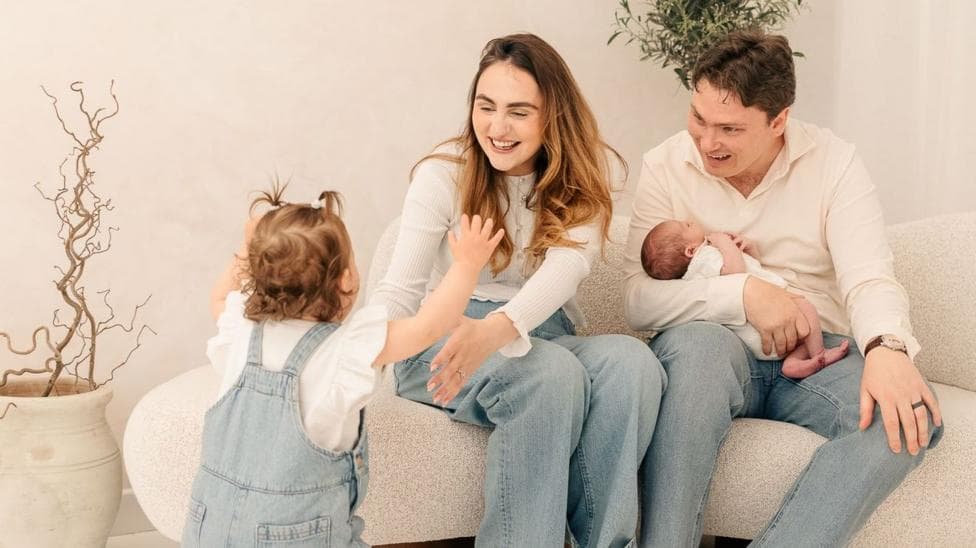
Richard and Caitlin Brain's two children are aged just 20 months and five months respectively, yet the couple have already established pension accounts for both. The Swansea-based parents contribute £50 monthly into each child's fund—money that will remain locked away until the children reach 57 under current UK private pension regulations. Their eldest will have to wait until 2082, and their youngest until 2083.
Despite the lengthy wait, Richard, 30, remains convinced the strategy serves his family's long-term interests.
Paying into their pensions means we can play a part in their future far beyond our own years. And the money has decades to grow.
The couple's approach reflects a broader shift in parental financial planning. According to recent industry data, parents opening Junior Self-Invested Personal Pensions (SIPPs) increased by 158% at the start of the 2026 tax year compared with the previous year, and have risen 271% since 2023/24.
How do families balance pension contributions with other financial priorities?
Richard's financial expertise stems from his employment at an investment firm. Caitlin is currently on maternity leave from her local council position. He earns less than £90,000 annually, while she has no current income following the end of her statutory maternity pay of £194 weekly.
Beyond their children's pensions, Richard and Caitlin have also opened Junior ISA savings accounts for both children, contributing £60 monthly per child—funds the children will be able to access at 18. The couple view this as complementary: the ISAs could support university costs, business ventures or house deposits, while the pensions provide financial security in later life.
Combined monthly contributions of £220 into their children's funds, plus £200 into their own private pensions and savings, have required lifestyle adjustments.
We're not on the breadline, but investing this money does mean doing a little less,Richard explains.
We don't eat out as often as we used to, which as foodies is a pain. And we don't go as big for one another on birthdays and Christmas so that we can still do it for the kids.
What are Junior SIPPs and how do they work?
Junior SIPPs were introduced in the UK in 2001 as a long-term savings vehicle for children. Parents can contribute a maximum of £2,880 per year, which the government supplements with £720 in tax relief, bringing the total annual contribution to £3,600. The minimum pension access age is scheduled to rise from 55 to 57 on 6 April 2028, meaning children who open accounts now will face an even longer wait before accessing their funds.
Industry uptake has accelerated significantly. Hargreaves Lansdown reported two and a half times as many accounts opened in the 12 months to April 2026 compared with the same period a year earlier. Fidelity has seen the number of accounts more than triple since December 2023.
The contributions receive 20% basic-rate tax relief even when the child has no taxable income, making the scheme particularly tax-efficient for families in higher tax brackets.
How do young people view waiting decades to access their pension funds?
Fifteen-year-old Hugo Thompson from Manchester appears unconcerned about the lengthy wait. His parents, both working in finance, have been paying the maximum amount into his Junior SIPP for the past 10 years.
The money invested means perhaps I'll be ahead when I'm older,he says.
So I won't have to put quite so much of my own money in! I want to retire earlier than the state pension age so this will all help.

Hugo's mother Annabel, who works in finance, also saves into a Junior ISA for him but emphasises the importance of prioritising one's own retirement security.
For me, Junior SIPPs should only be considered once you feel you have enough money of your own,she says.
For families with sufficient disposable income, the growth potential is substantial. Jemma Slingo, a pensions specialist at Fidelity, illustrates the compounding effect:
Paying in £50 a month from birth, including tax relief, the family would contribute £10,800 over those 18 years. The pot could grow to around £135,000 by retirement. That's the real power of starting early - relatively modest amounts can have an exceptionally long time to compound.
Are other countries adopting similar schemes for children?
The concept of long-term investment accounts for children extends beyond the UK. In July 2026, US President Donald Trump launched a new retirement investment scheme called Trump Accounts. Families, friends and employers can contribute up to $5,000 (£3,800) per year per child. A key difference from the UK system is that children can access the funds from age 18, though withdrawals made before 59 and a half are subject to taxes and a possible 10% penalty.
Wally Luckeydoo, a personal finance teacher at Smyrna High School in Tennessee, has opened Trump Accounts for his two children, aged four and three. His motivation reflects broader concerns about intergenerational financial security.
My dad passed away when I was very young, and my mom did everything she could to provide for us, often with just the bare minimum,he explains.
For much of my adult life, I have felt like I was trying to catch up financially, particularly because of significant student loan debt. I don't necessarily think of this as specifically saving for my kids' retirement. I think of it as giving them a head start and helping change the trajectory of our family financially.
What context exists around parental financial planning and retirement?
The growth in Junior SIPP uptake occurs against a complex backdrop of retirement planning challenges. Earlier research highlighted how couples can address the pension gap created by parental leave through strategic contributions, demonstrating that protecting long-term retirement savings during periods of reduced income requires deliberate planning.
Simultaneously, younger workers face competing pressures. Young workers including trainees and recent graduates are opting out of workplace pensions to cover immediate living costs, creating a divergence in retirement preparedness across age groups. This contrast underscores why some parents prioritise establishing pension funds for their children—to avoid the financial catch-up struggles that characterise many adults' later years.
Meanwhile, attitudes toward inheritance and spending in retirement are shifting. A growing number of UK and US retirees are prioritising travel and experiences over leaving inheritances, reflecting changing perspectives on how to use accumulated wealth.
Key Facts
- Richard and Caitlin Brain contribute £50 monthly per child into Junior SIPPs, with funds inaccessible until age 57 in 2082 and 2083 respectively
- Parents opening Junior SIPPs surged 158% at the start of 2026/27 and have increased 271% since 2023/24, according to industry data
- The maximum annual contribution is £2,880, topped up by £720 government tax relief to reach £3,600 total
- A £50 monthly contribution from birth could grow to approximately £135,000 by retirement, demonstrating the compounding effect of early investment
- The minimum pension access age is scheduled to rise from 55 to 57 on 6 April 2028