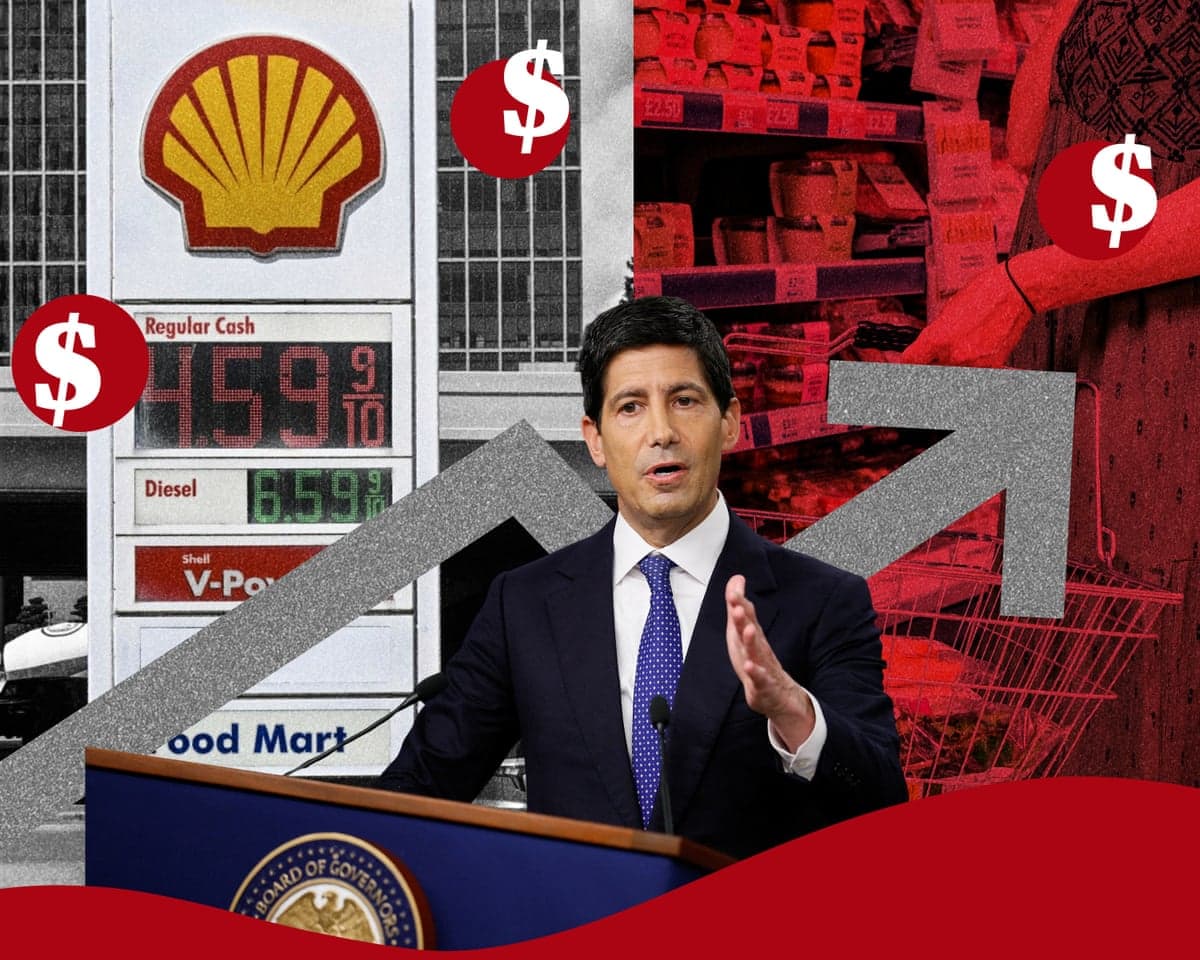
With just over two weeks until election day on 3 November, economic anxiety has become the defining issue shaping how Americans view the midterm elections. Food and gas prices remain elevated, consumer sentiment has collapsed, and voters across party lines are expressing deep frustration about affordability and their financial futures.
A team of business, labor and consumer rights reporters answered reader questions about how economic conditions could reshape the political landscape. The conversation revealed sharp divisions within both parties over who bears responsibility for rising costs, competing visions for healthcare reform, and fundamental disagreements about whether Trump's policies have helped or harmed ordinary Americans.
Is universal healthcare gaining traction in Washington?
Progressive economic think tanks in Washington are actively developing proposals for single-payer healthcare, while more centrist Democrats are preparing counterarguments against the idea. If Democrats regain control of both houses of Congress, universal healthcare is likely to become one of the major ideological battles within the party as leaders weigh ambitious economic reforms against investigating the Trump administration.
The Democratic divide on single-payer healthcare has already become visible. If Democrats retake the House but fail to win the Senate, the proposal would likely remain shelved for another two years. Republican candidates, meanwhile, are framing healthcare differently—focusing on curbing Medicare fraud and increasing transparency in hospital billing. The White House released a one-page pledge to negotiate drug prices and limit payments to insurers, though specific implementation details remain unclear.

How much blame are Republicans placing on Trump for economic problems?
Many Republicans express unhappiness with current economic conditions, yet they remain conflicted about who deserves responsibility. When asked who or what is most responsible for today's gas prices—the federal government, oil companies, the Iranian government, or natural economic fluctuations—just 28% of Republicans pointed to the federal government, compared with over half of Democrats and Independents.
A notable finding emerged in polling data: Democrats expressed slightly greater confidence in their party's ability to solve affordability challenges than Republicans did in theirs. Seventy-one percent of Democrats said their party has solutions to affordability, compared to 59% of Republicans. Despite this gap, the majority of Republicans still back their party's approach.
According to Pew's October 8 survey, 84% of registered voters consider the economy very important to their vote, with 88% of Democratic supporters and 82% of Republican supporters ranking it as a priority. Democrats held a 44% to 36% advantage in the congressional preference question.
The deciding factor in key races will not be party loyalists but rather independents and disenchanted voters who participated in 2024 but may stay home on election day. Widespread frustration about the economy is expected to influence turnout and voting patterns on 3 November.
What message are Democrats using on the economy?
Democrats have centered their campaign messaging on two main themes: that Trump's military conflict with Iran and his tariffs are damaging the economy, and that electing Democrats would stop both. They have also increasingly emphasized corruption as a campaign issue, linking it to Trump and Republicans.
Texas Senate candidate James Talarico concluded a lengthy town hall focused on Christianity by pivoting to his opponent Ken Paxton's financial record and ethical scandals. Talarico framed the election as a choice between
a senator who puts money in your pocket, or a senator who puts money in their own.
Why do economic concerns outweigh other political issues for voters?
Voters consistently prioritize immediate financial pressures over broader political concerns. When people struggle to afford transportation to work, food for their families, or housing payments, those tangible realities typically dominate their voting decisions more than abstract political issues or international events.
This pattern reflects a fundamental truth about electoral behavior: pocketbook issues drive voting choices even when voters hold strong views on other matters. The economic frustration currently gripping the country has fueled intense conversations at dinner tables, on social media, and within communities—often deepening existing divisions. Misinformation and algorithmic filtering of online content have intensified these divisions by shaping what people believe about economic causes and solutions.
What is Trump's response to concerns about inflation and affordability?
Trump has consistently denied that inflation and affordability represent serious problems. During campaign rallies in Arizona and Montana, Trump blamed inflation entirely on his predecessor, stating
He gave us the highest inflation in history,while simultaneously claiming that prices are declining.
The economic data tells a different story. When Trump took office in January 2025, inflation stood at 3.0% for the preceding 12 months. By September 2026, inflation had risen to 3.7%. Trump has also denied that his tariffs contribute to inflation, despite widespread economic analysis showing otherwise.
Consumer sentiment has deteriorated sharply. The University of Michigan's preliminary Index of Consumer Sentiment dropped to 46.3 in October 2026—the second-lowest rating on record. Seventy percent of Americans reported they will either cut back spending (54%) or stop spending entirely (16%) in response to inflation.
According to an AP-NORC poll published October 15, roughly eight in ten voters rank the economy or cost of living among their top election issues, with nearly three-quarters disapproving of Trump's handling of the economy and about eight in ten disapproving of his handling of living costs.
Has Trump delivered on his promises to lower costs for Americans?
Trump campaigned on promises to lower gas prices below $2 per gallon and slash the country's energy bills by half. Neither pledge has materialized. Instead, energy prices have surged dramatically, primarily as a result of the military conflict between the United States and Iran.
The U.S. and Iran have been battling for control of the Strait of Hormuz, a critical waterway through which approximately one-fifth of the world's oil supply passes. Since the war began in February 2026, the Strait has been largely closed, causing oil prices to skyrocket. Brent crude, the global benchmark for oil prices, traded below $68 per barrel in the month before the war started. It has now climbed above $100 per barrel. Trump has repeatedly stated that peace deals with Iran were imminent, but negotiations have repeatedly collapsed because Trump has refused agreements that do not require Iran to dismantle its nuclear program.
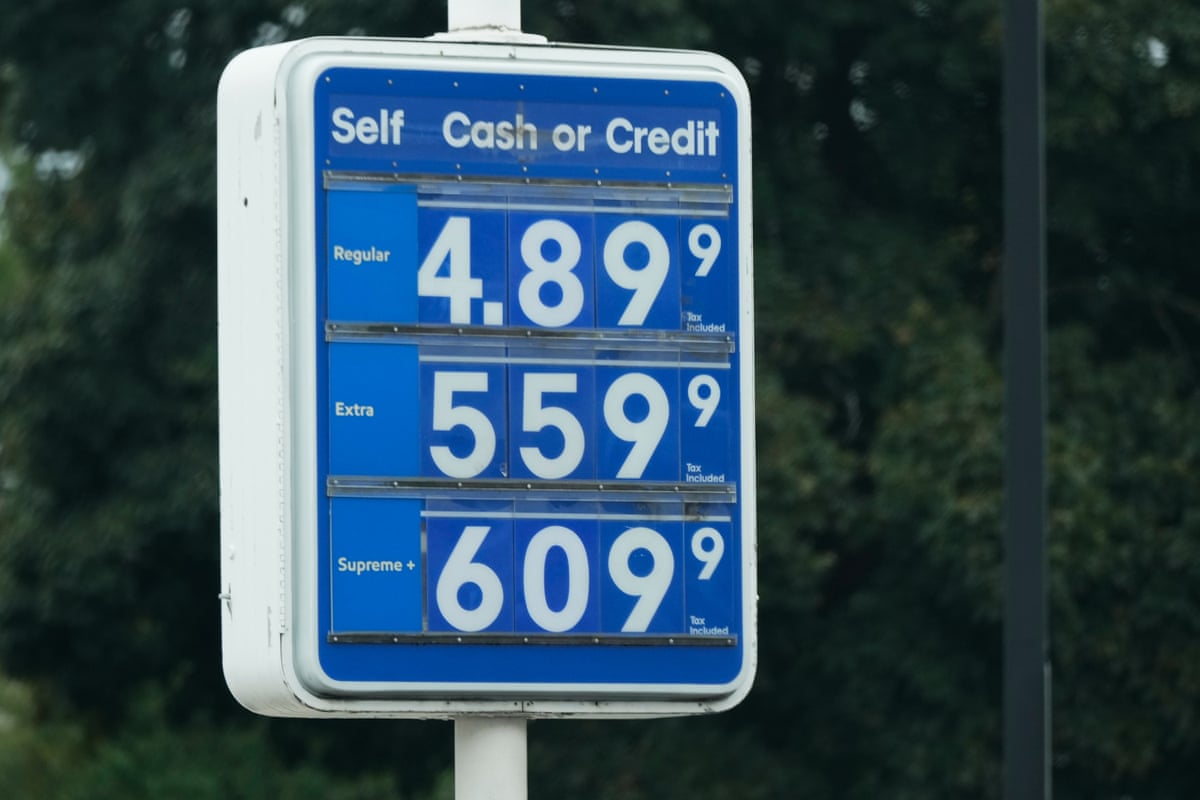
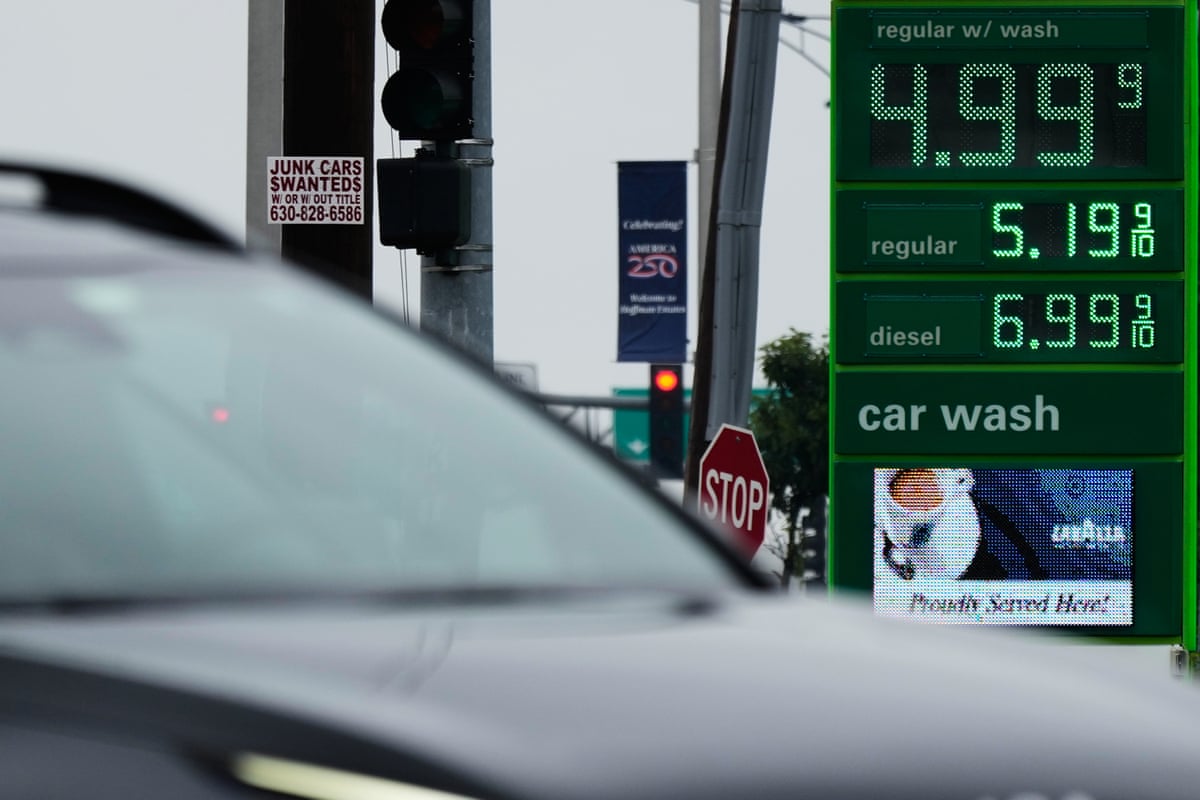
Trump began conducting military strikes in Iran on 28 February 2026. Gas prices surged immediately as a result of production and supply disruptions. According to the Energy Information Administration, oil prices averaged $114 per barrel in September 2026. By the end of March 2026, average gas prices jumped $1 per gallon to $3.98. The current U.S. average for a gallon of gas stands at $4.33 as the military conflict has continued.
Analysts at the energy consultancy Wood Mackenzie described the situation in early March 2026:
The disruption creates a dual supply shock: not only are current exports through the strait halted, but Opec+ additional volumes and ultimately most of Opec's spare capacity – typically a key lever for balancing the global oil market – are inaccessible while the waterway remains closed.
The national average gas price is now more than a dollar more expensive than a year ago. Researchers at Brown University estimate that American households have spent over $1,000 more so far this year on gas and diesel as a direct result of the war.
Cumulative inflation since December 2024 stands at 5.9%, driven largely by the surge in gas and oil prices. Gas prices have set a record for the highest number of days in a calendar year with the average price for a gallon above $4.
Trump's tariffs have compounded inflation pressures. According to the non-partisan Yale Budget Lab, U.S. household costs have increased by approximately $1,100 annually due to tariffs.
In the October 10–12 Economist/YouGov poll, nearly half of Americans described the economy as poor—the highest share since 2022—and 62% said Trump cares little or not at all about people like them.
What broader economic trends are affecting household finances?
Beyond gas and inflation, Americans are experiencing financial pressure from what economists call the "financialization" of the economy. Companies increasingly use technology and create new fees to maximize charges to customers and tenants. Private equity firms have acquired veterinary practices, dental offices, and fast-food restaurants, then raised prices sharply while cutting service quality. Wages have failed to keep pace with either inflation or these rising costs, creating widespread anger and frustration.
This economic squeeze helped propel Trump to victory in 2024, and Democrats are now asking voters on the campaign trail:
Do you feel better off than you did two years ago?The answer from most voters appears to be no, making economic messaging central to both parties' midterm strategies.
What do polling trends show about Republican support for Trump's economic record?
Republican confidence in Trump's economic stewardship has eroded significantly. According to Pew research, the share of Republicans rating economic conditions as good or excellent fell from 49% in January to 36% by October. The share of Republicans saying Trump's policies improved conditions dropped from 57% to 39%. Overall, 65% of all voters said his policies had made the economy worse.
This shift reflects the tangible impact of rising prices on household budgets. While some Republicans remain loyal to the party, the economic deterioration has created openings for Democrats in key races where independent and swing voters will determine outcomes.
What happens next in the economic debate?
The University of Michigan's final October consumer-sentiment reading is scheduled for release on October 23, providing one more data point before voters head to the polls on 3 November. This reading will offer fresh insight into whether consumer mood has shifted in response to recent economic developments or campaign messaging.
The midterm elections will serve as a referendum on Trump's economic record and the competing visions Democrats and Republicans offer for addressing inflation, healthcare costs, and household affordability. With the economy dominating voter concerns across party lines, the results will likely reflect public judgment on whose approach voters believe can deliver relief from current financial pressures.