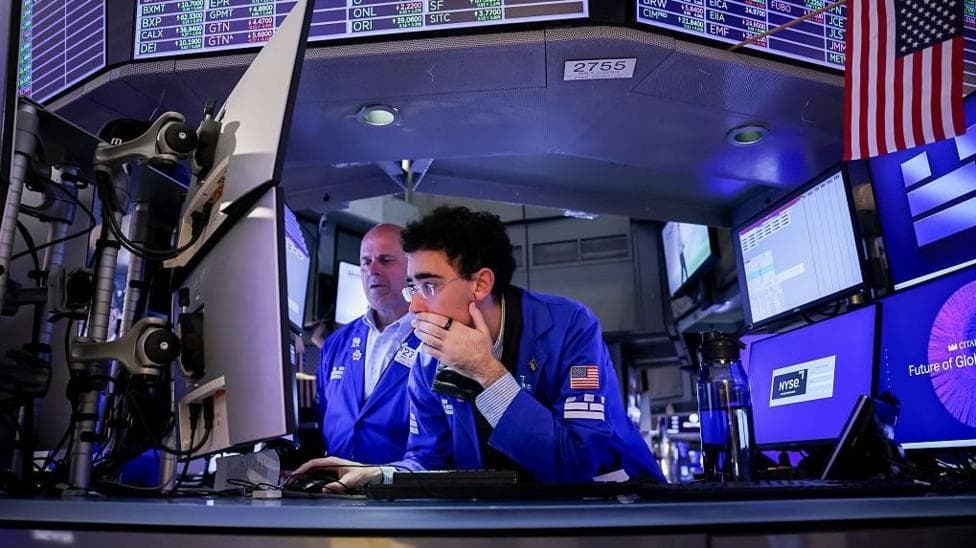
Shares in Elon Musk's SpaceX and Tesla have fallen sharply following the Democratic sweep in midterm elections, as investors reassess the outlook for data centre construction and artificial intelligence infrastructure. According to BBC News, SpaceX shares dropped more than 7% in early trading on Friday, while Tesla shares fell more than 9%. The broader technology sector has been hit hard, with the Nasdaq Composite index declining by more than 5% at one point during early trading.
The market downturn reflects concern about stricter oversight of data centre development following Democratic victories in key states where such projects are concentrated. Texas governor-elect Gina Hinojosa campaigned heavily against data centres and has pledged a moratorium on new construction in the sector. This outcome is particularly significant given that Texas accounts for more than 25% of planned U.S. data-centre capacity by 2030.
Musk had invested heavily in Republican campaigns ahead of the election, spending nearly $450 million to support Republican candidates, including at least $45 million backing Ken Paxton for the Texas senate seat. Texas, however, turned Democratic on election night, delivering a significant blow to his political strategy and raising questions about the future regulatory environment for his companies' expansion plans.
How severe is the broader chip sector decline?
Semiconductor manufacturers have experienced particularly steep losses. AMD shares have dropped nearly 17% over the past five days, while Micron shares have plunged more than 20%. Intel shares are down more than 18% over the same period, Nvidia shares have declined more than 10%, and the Philadelphia Semiconductor Index has fallen by more than 13%. The selloff has extended beyond Musk's companies and traditional chipmakers, with CoreWeave, IREN and Vertiv also trading lower after the election, indicating a widespread reassessment of the data centre and AI infrastructure sector.
What are industry leaders saying about the backlash?
Several technology executives have acknowledged being caught off guard by the strength of public opposition to data centre expansion. Greg Brockman, president and co-founder of OpenAI, said the industry had underestimated community concerns and needed to improve its engagement strategy.
A lot of our shift over the course of this year has really been to realise that from San Francisco trying to build infrastructure in Texas, Georgia, and other places, you can't just tweet and say: 'This is going to be good.' You need to be in those communities, Brockman stated at the WSJ Tech conference in Napa, California on Wednesday evening.
Meta's president Dina Powell McCormick echoed this sentiment, emphasizing the need for better communication about artificial intelligence's benefits.
I think we need to double and triple down on telling the story, she told the same conference.
What risks do analysts identify for AI investment?
Beyond the immediate political implications, some investors have grown concerned that artificial intelligence stocks may be overvalued and due for correction. Analyst Dan Ives warned that the election outcome could slow between 800 and 1,000 planned U.S. AI data centres, with Texas emerging as a major concern for investors. One analyst's valuation model for SpaceX attributed approximately $123 per share to its established space and connectivity businesses and $17 to artificial intelligence operations, suggesting that investor concerns about data centre regulation could have outsized effects on the company's stock price.
The market reaction has been uneven, with broad-market futures rising even as SpaceX and Tesla shares fell, indicating that concerns about data centre regulation are concentrated in specific sectors rather than reflecting a broader economic downturn. Before the election, the Nasdaq-100 had already entered correction territory amid questions about the pace of data-centre spending by major technology companies and artificial intelligence firms, suggesting that regulatory uncertainty has compounded existing investor doubts about the sustainability of current spending levels.
What happens next for the technology sector?
The next two years in Congress represent a period that analysts have identified as potentially bringing significant hurdles for artificial intelligence and technology legislation. While no specific upcoming votes or hearings have been scheduled, the shift in political control creates uncertainty about the regulatory environment for data centre expansion and artificial intelligence infrastructure development across the United States.