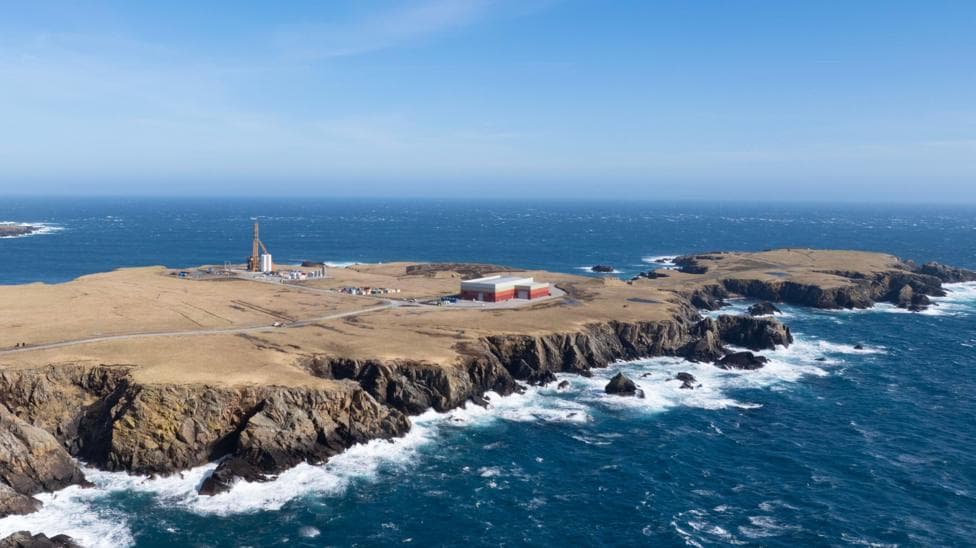
The UK government has committed £30m in funding to SaxaVord Spaceport in Shetland, marking a significant investment in the nation's emerging commercial space sector. The money will support construction of a second hangar and two additional launchpads, with the spaceport operator expecting the public investment to unlock a further £30m from private sources, creating a £60m development package.
SaxaVord, located on the northernmost inhabited island in the UK at Unst, is the country's first fully-licensed vertical spaceport. The facility holds regulatory approval for up to 30 rocket launches annually and has become central to Britain's ambitions in small-satellite launch operations. According to the UK Space Agency's 2025-26 annual report, the spaceport has completed key infrastructure including mission control, telemetry and tracking systems, and site security measures.
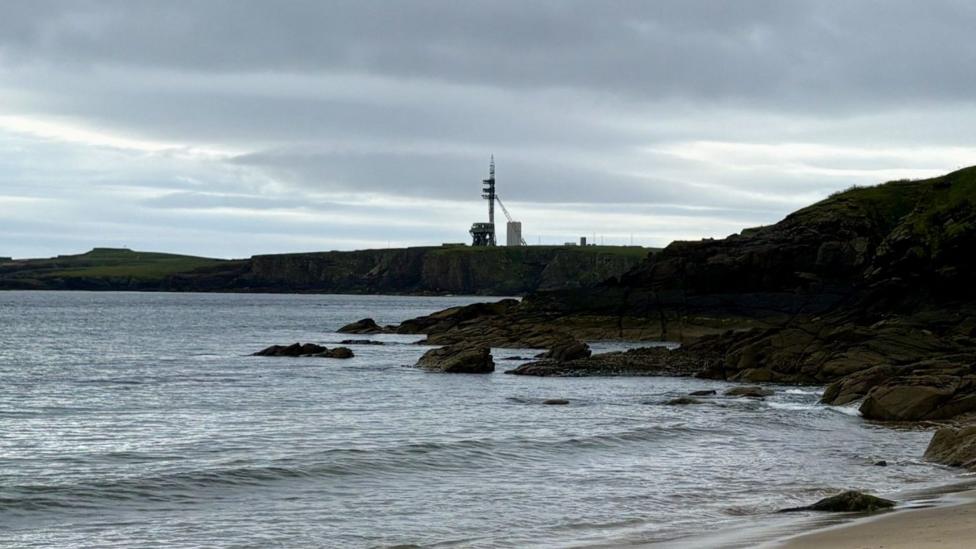
A spokesperson for the spaceport described the government investment as a "hugely significant" endorsement of the project's potential. Scott Hammond, the company's chief executive officer, emphasised the long-term vision behind the expansion.
We are building the spaceport for the thousandth as much as the first launch. We're trying to create a successful, safe and sustainable business. This is direct investment into Shetland.
The investment forms part of a broader £148m UK government space strategy aimed at supporting European space technology development. Scottish Secretary Douglas Alexander highlighted Scotland's existing strength in satellite manufacturing and the spaceport's role in expanding launch capacity. He stated that the funding would position SaxaVord to deliver up to three-quarters of Europe's orbital launch slots, while supporting defence, security and economic growth objectives.
Lise Kaae, chief executive of Heartland, which holds a majority stake in SaxaVord Spaceport through its investment arm Wild Ventures, welcomed the government partnership.
We are very pleased to welcome the UK government as an investor and partner.
A government spokesperson characterised space as "an increasingly important domain" for national security and stated that the new strategy would "drive growth, strengthen security and back the technologies that underpin modern life". Ministers indicated they wanted to create jobs and enable Britain and its partners to launch satellites independently, reducing reliance on external launch providers.

Which companies are preparing to launch from Shetland?
Two German companies have signed launch agreements with SaxaVord. Rocket Factory Augsburg (RFA) is preparing for its first vertical orbital test flight from UK soil, though the company encountered technical difficulties that delayed initial launch attempts. According to Shetland's official reporting, RFA's launch-readiness issues persisted into August 2026, pushing back the expected first launch attempt. The UK Space Agency report notes that RFA had moved first and second stages to the UK and continued engine evaluation and acceptance testing.
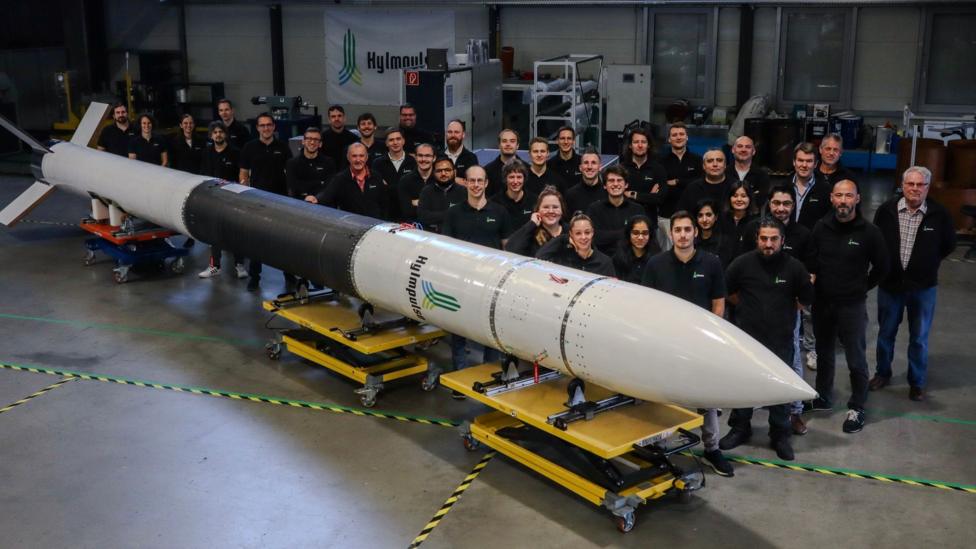
HyImpulse Technologies GmbH, the second German partner, plans to conduct the second flight of its SR75 suborbital launch vehicle from Shetland. The company recently secured investment exceeding €50m (approximately £43m), strengthening its financial position for launch operations. SaxaVord has confirmed it is in discussions with additional companies interested in using the facility.
What is the timeline for first launches?
SaxaVord had targeted a first launch attempt in late 2026, though exact timing remained subject to technical readiness. A launch window announced for August 2026 extended through mid-September, with launch attempts originally planned for Mondays, Wednesdays and Fridays between 4pm and 8pm. However, technical challenges encountered by Rocket Factory Augsburg created schedule uncertainty. Third-party launch trackers continued to list SaxaVord's next launch as to be determined as of late August 2026, reflecting ongoing preparations.
The spaceport's infrastructure development has progressed substantially. According to SaxaVord's operational updates, two additional launch complexes are under construction alongside a Mission Management Control Centre designed to monitor launches and coordinate operations across the facility.
How does this investment fit into the UK's broader space strategy?
The £30m commitment to SaxaVord represents part of a larger £148m European space investment package announced by the UK government. Industry reporting indicates that the broader Scottish spaceport package includes £20m for spaceport infrastructure development, with SaxaVord having previously received £10m in 2024. This phased funding approach reflects the government's commitment to establishing Britain as a competitive player in the commercial space launch market.
The investment is subject to completion of due diligence and final government sign-off. The spaceport's location at Unst, on a former RAF base, provides established infrastructure and remote positioning advantageous for rocket launches. The facility's regulatory approval for up to 30 annual launches positions it as a cornerstone of UK small-satellite launch ambitions.
Key Facts
- SaxaVord receives £30m UK government investment to build a second hangar and two additional launchpads, with private investment expected to match the public funding
- The spaceport is the UK's first fully-licensed vertical launch facility, approved for up to 30 orbital launches annually
- Two German companies—Rocket Factory Augsburg and HyImpulse Technologies—have signed launch agreements, with technical delays pushing initial launch attempts into late 2026
- The investment forms part of a £148m UK government space strategy aimed at supporting European space technology and reducing dependence on external launch providers
- SaxaVord has completed key infrastructure including mission control and tracking systems, with additional launch complexes and a Mission Management Control Centre under construction