

British households will be able to buy plug-in solar panels later this summer after the government changed the law so the UK’s biggest retailers could bring them to market for the first time. People across the country will be able to join the millions across Europe generating their own electricity using “balcony solar panels” from 27 August, according to legislation passed last week.
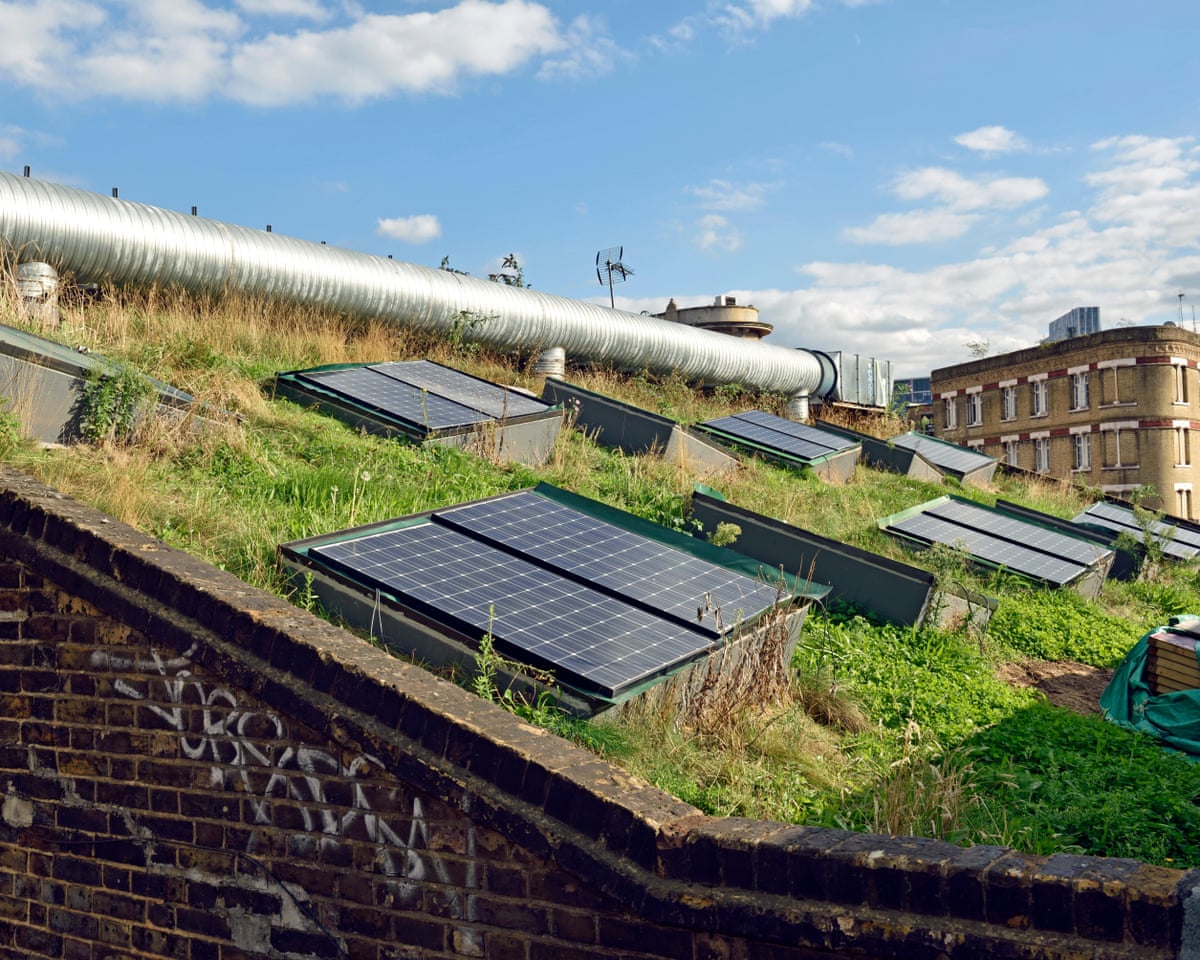
These plug-in panels have in recent years become familiar sights on balconies in Spain and in Germany, where balcony power plant systems have become more common. Unlike traditional rooftop solar panels, which require professional installation, they can be plugged into a three-prong wall socket, generating cheap electricity from a balcony, terrace, shed roof or any other outdoor space.
The legal change means that, from the end of this summer, retailers including Currys, B&Q and Asda will be able to sell DIY solar setups to people living in flats or rented homes without rooftop access, so they can generate their own solar power from their balconies.
They were among some of the UK’s biggest retail brands – including Screwfix, Wickes and Amazon – that to discuss guidelines for the sale of balcony solar panels, which are expected to retail for at least £400 and could shave up to £110 a year off energy bills.
The government’s move to make plug-in solar lawful is expected to bring “cheap, clean power to households that have not been able to access these benefits before”, said Chris Hewett, the chief executive of Solar UK.
“Our industry is working closely with government to ensure that all customers can have confidence in the safety and reliability of these new technologies,” he added.
When panels are plugged in, the clean energy generated when the sun is shining flows directly into the property’s electrical circuit through a standard three-prong plug to power electrical appliances without needing to buy as much from the grid.
Plug-in systems usually have a capacity of 800 watts, or one-fifth of the size of a typical residential rooftop solar system, so while they wouldn’t be able to power a home alone, they could help to reduce bills by up to £70-110 a year. This means it would take four to seven years to cover the initial outlay of buying a plug-in system.
The DIY solar systems are expected to come to market at a time when households have to help keep costs down as the war in Iran causes global energy prices to soar.
A record 269,000 solar installations were completed in the UK last year, over a third more than the previous year and the equivalent of a new rooftop solar installation every two minutes.
Rob Hallifax, a co-founder of Windfall Energy, said the new legislation could also pave the way for in British homes. The government is reportedly considering plans to bulk buy the devices and distribute them to low-income homes, according to the i Paper.
The proposals could help households to save money on their bills by storing electricity when there is an abundance of energy available and drawing on the power when supplies are tighter. If paired with a plug-in solar system, households could store their own renewable electricity during the day and use it to run their appliances in the evenings.
Hallifax said the move towards plug-in solutions was a “massive win for consumer energy independence, and a huge leap forward for anyone who has previously been locked out of the energy transition”.
“For renters, flat owners and anyone on a budget, this opens up clean energy in a way we haven’t seen before,” said Hallifax.
“Coming into force in late August means generation will naturally decline as we head into autumn and winter,” he said. “You still need access to a sunlit balcony, terrace or suitable outdoor area. And you may need permission from a landlord or freeholder to put panels in place.”
How will this affect renters and flat owners?
It means renters and flat owners without rooftop access may be able to generate their own electricity and reduce their bills through DIY solar setups. From the end of this summer, retailers including Currys, B&Q and Asda will be able to sell the systems, giving people living in flats or rented homes a new way to access solar power.
The panels are expected to retail for at least £400 and could shave up to £110 a year off energy bills. Based on the estimated savings of £70-110 a year, it would take four to seven years to recover the initial cost of a plug-in system.

The systems will not fully power a home alone because plug-in units usually have a capacity of 800 watts, about one-fifth of a typical residential rooftop solar system. However, they can still make a meaningful contribution by supplying electricity directly to appliances through a standard three-prong plug.
For households that can place them on a balcony, terrace, shed roof or similar outdoor space, the clean energy produced when the sun is shining will flow directly into the property’s electrical circuit, reducing the amount bought from the grid.
Why is the government changing the law now?
The move is aimed at making plug-in solar lawful so more households can access “cheap, clean power” at a time when energy prices are being pushed higher by the war in Iran. The DIY solar systems are expected to come to market as households look for ways to keep costs down amid soaring global energy prices.
The legislation, passed last week, will allow the UK’s biggest retailers to bring the product to market for the first time. People across the country will be able to use balcony solar panels from 27 August.
The change also comes against the backdrop of rising interest in solar energy more broadly. A record 269,000 solar installations were completed in the UK last year, over a third more than the previous year and the equivalent of a new rooftop solar installation every two minutes.
What did industry figures say?
Chris Hewett, the chief executive of Solar UK, said the government’s move to make plug-in solar lawful is expected to bring “cheap, clean power to households that have not been able to access these benefits before”.
“Our industry is working closely with government to ensure that all customers can have confidence in the safety and reliability of these new technologies,” he added.
Rob Hallifax, a co-founder of Windfall Energy, said the legislation could also pave the way for in British homes. According to the i Paper, the government is reportedly considering plans to bulk buy the devices and distribute them to low-income homes.
The proposals could help households to save money on their bills by storing electricity when there is an abundance of energy available and drawing on the power when supplies are tighter. If paired with a plug-in solar system, households could store their own renewable electricity during the day and use it to run their appliances in the evenings.
“For renters, flat owners and anyone on a budget, this opens up clean energy in a way we haven’t seen before,” said Hallifax.
“Coming into force in late August means generation will naturally decline as we head into autumn and winter,” he said. “You still need access to a sunlit balcony, terrace or suitable outdoor area. And you may need permission from a landlord or freeholder to put panels in place.”
What should households expect in practice?
Households should expect plug-in solar systems to be relatively small, with typical units rated at 800 watts. That means they are designed to supplement household electricity use rather than replace grid power altogether.
The panels can be used on a balcony, terrace, shed roof or any other outdoor space, provided there is suitable sunlight and, where relevant, permission from a landlord or freeholder. The systems are intended for straightforward DIY installation rather than professional rooftop fitting.
Retailers including Currys, B&Q, Asda, Screwfix, Wickes and Amazon were involved in discussions to establish guidelines for sale of the panels, which will be an important factor as the products enter the market from late August.
For many households, the appeal will be the chance to generate some of their own electricity without installing a full rooftop system. For others, the key benefit will be the ability to reduce the amount of power they need to buy from the grid when the sun is shining.
What comes next for plug-in solar?
The end-of-summer launch is expected to mark the first time the UK’s largest retailers can widely sell plug-in solar systems. The move may also support wider discussions about home energy storage and other low-cost renewable technologies.
Hallifax said the shift towards plug-in solutions was a “massive win for consumer energy independence, and a huge leap forward for anyone who has previously been locked out of the energy transition”. That view reflects the expectation that the devices could help renters, flat owners and low-income households access solar energy more easily than before.
However, households considering the systems will still need to weigh cost, available space and seasonal output. As Hallifax noted, generation will naturally decline as the country heads into autumn and winter, so the strongest benefits will come when there is sufficient sunlight and a suitable place to mount the panels.


