Technology firms are increasingly venturing into the apparel business, capitalizing on fan enthusiasm and brand loyalty in ways that mirror traditional fashion houses. Nvidia's clothing lines, featuring imagery of chief executive Jensen Huang, sell out rapidly at conferences and limited online drops. OpenAI, Anthropic, Palantir Technologies and defence contractor Anduril have all launched their own branded merchandise, each employing scarcity tactics to drive demand and reshape their public image.
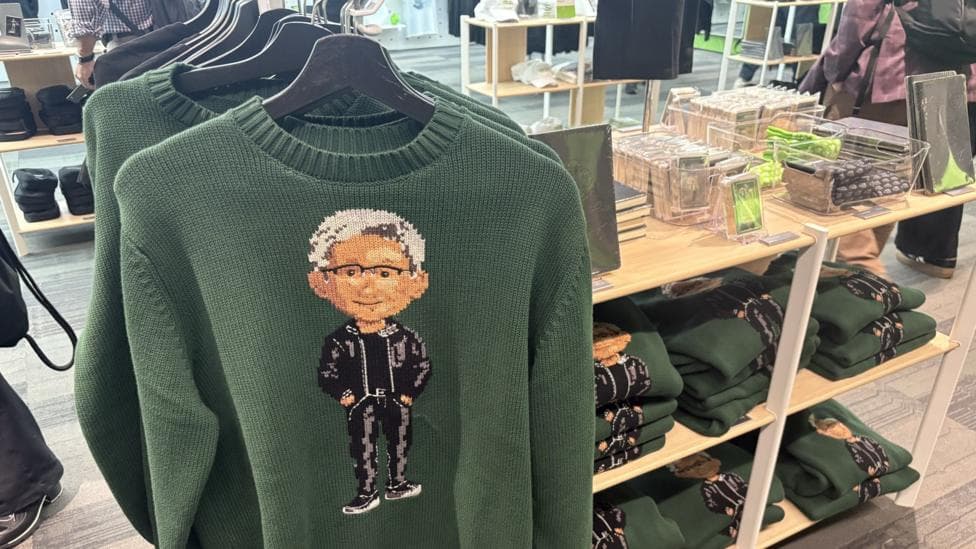
For Natalie Fratto, a New York-based tech entrepreneur, wearing her dark green Nvidia jumper carries the same significance as sporting a favourite sports team's kit. The $178 woollen garment displays a cartoonish rendering of Huang on its front. Fratto does not work for Nvidia; she is simply an admirer of the company's trajectory and vision.
I have a New Zealand All Blacks rugby jersey, and I think of my Jensen sweater in kind of the same way,she explains, describing the garment as a representation of a team and ethos
that I am impressed by and root for.She regularly wears the jumper in videos posted to her social media accounts.
Nvidia has leveraged its position as one of the world's most valuable companies, built on dominance in the artificial intelligence chip market under Huang's leadership. While the firm manufactures tens of millions of processors annually, its apparel offerings remain far more limited. Clothing items—including t-shirts, hoodies and hats—are typically sold only at pop-up stalls during company conferences or through brief online releases that deplete inventory within hours.
According to Business Insider, Nvidia continued this strategy at its GTC conference in March 2026, offering Jensen Huang sweaters priced at $178 alongside hoodies, hats, bags, mugs, socks and pet clothing. The merchandise also featured a "TJ Sweater" displaying "Toy Jensen," an artificial intelligence avatar of Huang first unveiled during his 2021 GTC keynote presentation. Marine Layer-branded puffer jackets sold for $198, with quilted versions available at $148.
Other technology companies have adopted similar approaches. OpenAI, operator of ChatGPT, historically restricted branded merchandise to employees but has begun occasional public sales lasting several days through its website. In a significant shift, OpenAI launched its Supply Co. merchandise store to the public in July 2026, marking a departure from its previous employee-only model. The public store offered socks priced at $15, t-shirts at $40 and a half-zip sweatshirt at $175, along with a ChatGPT basketball retailing for $70 and merchandise bearing the message "Good research takes time."
Anthropic, creator of the Claude chatbot, took a different approach by opening a temporary pop-up coffee shop in Manhattan's West Village for one week in 2025, distributing complimentary baseball caps embroidered with the word "thinking" on the front.
Why limit availability?
Technology and defence firms have deliberately restricted merchandise supplies to increase desirability, borrowing tactics long established in the fashion industry. Professor Hazel Clark, who teaches fashion at Parsons School of Design in New York, notes that
it's a very common strategy for brands to use. It elevates the desirability.This scarcity-driven model creates urgency and exclusivity that drives consumer interest.
What purpose does tech merch serve?
While Nvidia, OpenAI and Anthropic declined to comment on their merchandise strategies, the underlying motivation appears centred on brand promotion and reputation management rather than revenue generation. These companies possess sufficient financial resources that supplementary income from apparel sales is negligible.
Palantir Technologies, a US software firm that has faced sustained criticism for its work with military and police agencies domestically and internationally, exemplifies this approach. Since launching its clothing range in 2025, Palantir has repositioned itself as a "lifestyle brand." Eliano Younes, the company's head of strategic engagement, stated:
A lifestyle brand isn't defined by what you sell, it's defined by what you stand for and whether people want to affiliate with it. I believe that the store's success and the enthusiasm from our community proves this.Younes added that
investors, customers, employees, and everyday people in more than 60 countries have bought Palantir's gear,which includes cotton jackets. Palantir's store maintained an archive page showing releases dated into January 2026, indicating sustained merchandise activity.

One unnamed US purchaser of Palantir clothing acknowledged being drawn to the brand partly because of controversy and
the amount of people talking about it.This buyer characterized the merchandise as
the purest form of anti-fashion…and that is what makes it so interesting and unique.
Professor Clark suggests that companies like Palantir employ stylish merchandise
to get their name into more positive conversations.Younes countered this interpretation, asserting:
Our clothing, like our software, is not political. It's designed for all people who support Palantir and what it stands for.
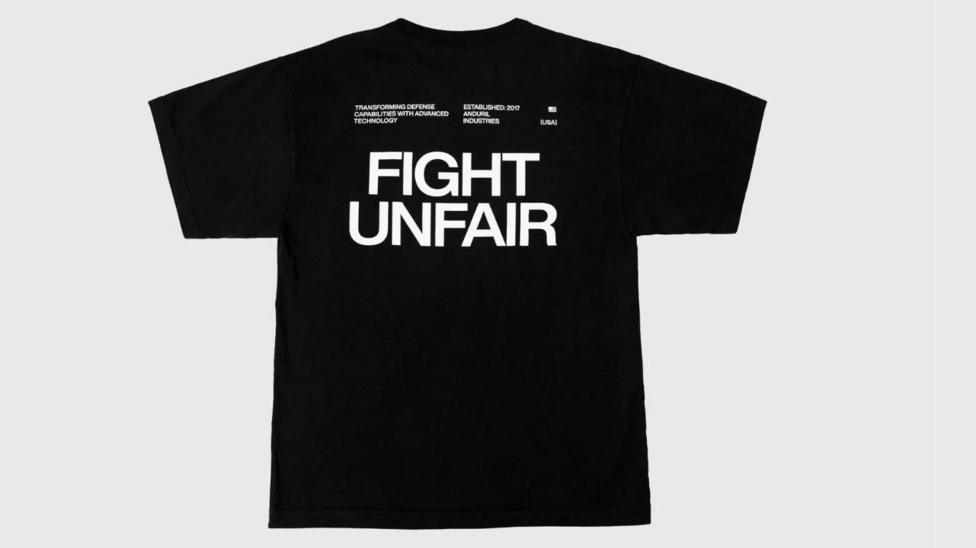
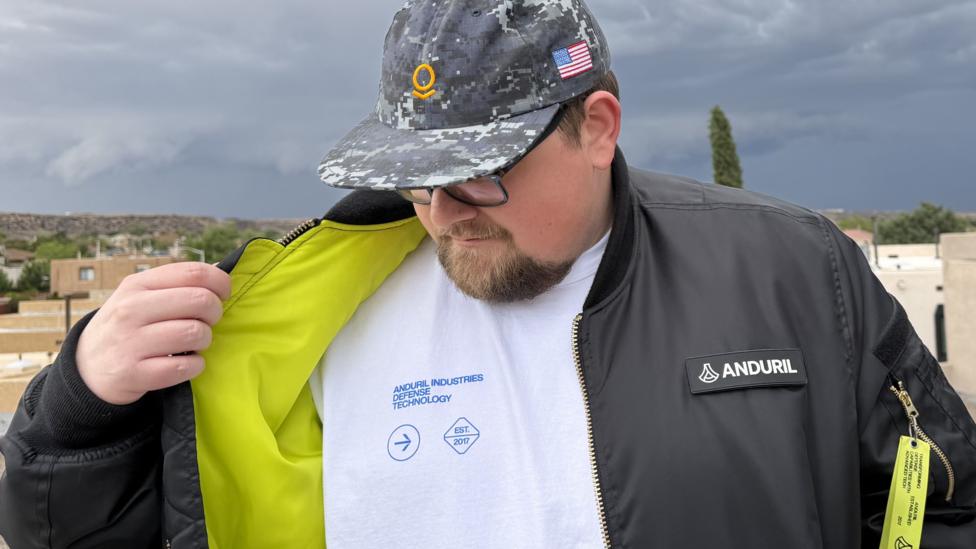
Some firms embrace overtly political messaging through their apparel. US defence contractor Anduril, which manufactures military drones, sells hoodies emblazoned with "Rebuild the Arsenal," reflecting the company's advocacy for increased US defence spending and manufacturing capacity.
Jonathan Sargent, a legal assistant in Albuquerque, New Mexico, has purchased merchandise from both Palantir and Anduril. He observed that
a lot of apparel today, whether it's Nike or other large brands, can feel disconnected from anything tangible.By contrast,
Palantir and Anduril are companies that people associate with building things that have a visible impact, whether that's defence, AI, infrastructure, or decision-making systems.
The role of celebrity leadership
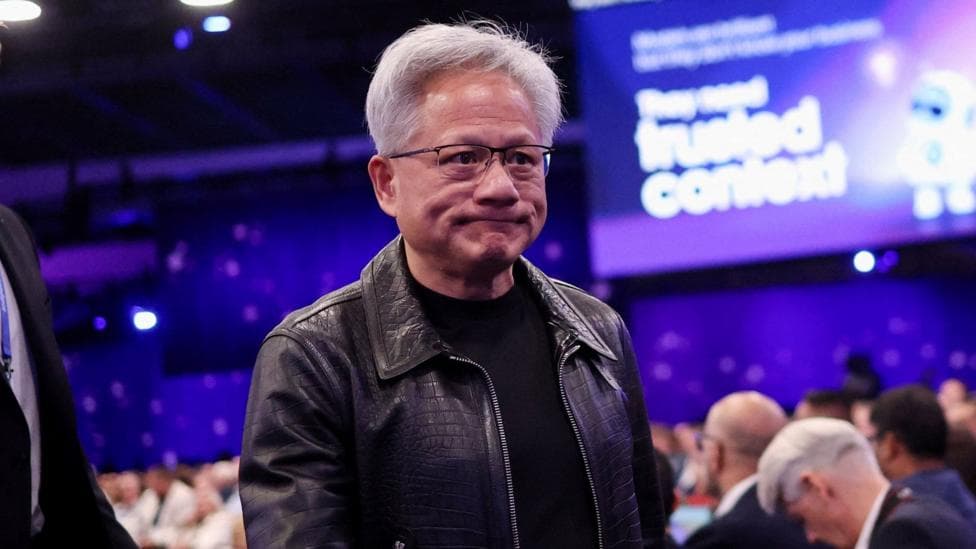
Nvidia's merchandise success may be substantially driven by the celebrity status of Jensen Huang. The 63-year-old chief executive, recognizable by his trademark leather jacket, regularly draws crowds of admirers seeking autographs and photographs. Meta chief executive Mark Zuckerberg has described Huang as
Taylor Swift, but for tech.
Professor Gianpaolo Vignali of the Manchester Fashion Institute suggests that
people look at them as role models. They want to aspire to them.This aspirational dimension extends beyond simple brand affiliation to encompass identification with leadership figures and their visions.
Greg Epstein, author of "Tech Agnostic," characterizes the technology industry through a sociological lens as functioning like a cult or new global religion. From this perspective, wearing technology merchandise represents
a way of symbolising that you're one of the prophetic elite.This appeal particularly resonates with Silicon Valley insiders
searching for a sense of identity, a sense of purpose, a sense of community.Epstein, who serves as humanist chaplain at Harvard University and the Massachusetts Institute of Technology, further contends:
When tech bros put themselves on sweaters, it's more than just a cutesy phenomenon, it's an attempt to sell a cult whose goal is to radically alter the human condition.
What do clothing choices communicate?
Professor Vignali argues that all apparel selections carry symbolic weight.
The subtle colour of a tie or hair bobble… all of these are signals that allow the wearer to symbolically share their cultural and ideological positions.Technology and defence sector merchandise thus functions as visible signalling of the wearer's alignment with particular corporate missions and worldviews.
Despite the intensity of debate surrounding technology and defence company apparel, not all observers treat the phenomenon with equal seriousness. Fratto acknowledges that
it's a unique moment in our collective zeitgeist for sure,while simultaneously recognizing that Nvidia's decision to feature Huang on official merchandise is also
kind of funny.
What happens next
The trajectory of technology company merchandise suggests continued expansion. OpenAI's Supply Co. maintains an archive page indicating future merchandise drops will likely continue, though no specific upcoming release dates have been announced. Nvidia's apparel inventory shows multiple items marked out of stock, suggesting potential future restocks or new collections may follow. Palantir's archive documentation indicates collection releases continued through early 2026, with no published schedule for subsequent launches. As these companies refine their merchandise strategies and expand product ranges, the intersection of technology brand identity and consumer fashion will likely deepen, establishing apparel as a permanent fixture in corporate reputation management.