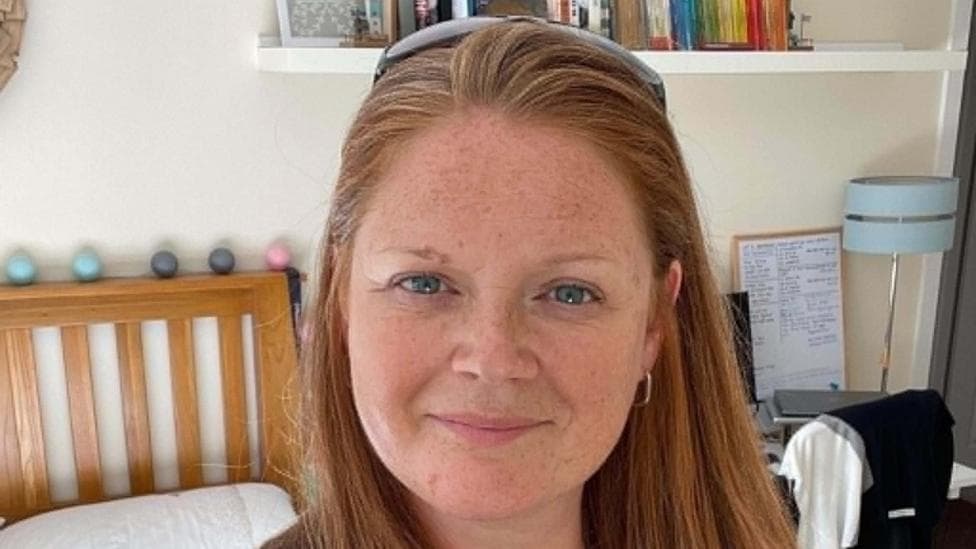
A mother from Cardiff has described her household budget as stretched to breaking point, with no room left to absorb further increases in water costs despite already implementing strict conservation measures at home.
Victoria Owen said she had enforced a "don't waste it" approach across her family, instructing her children to take shorter showers and reusing water from washing dishes on plants. Yet she maintains there is "nothing left to waste" in her overall household spending, bar a single Netflix subscription purchased for her children.
Her concerns come as water companies across England and Wales have been authorised to increase bills by an extra £3.4 billion over the coming years to address mounting pressures on infrastructure and environmental compliance. Welsh Water, which supplies water and sewerage services to most of Wales, announced it would invest £4.2 billion by 2030 to enhance its services and meet regulatory requirements.
How much will bills increase?
Customers across most of Wales will see their water bills rise by 27% from April 2025, with the average annual bill climbing from £503 to £639. This marks the beginning of a five-year escalation, with bills set to increase by a cumulative 42% by 2029-30. According to Water UK's 2026/27 forecast, the average Welsh Water bill will reach £683 in the coming year, representing a 4.8% increase from the previous year's £652.

For metered customers, the impact has been particularly acute. Welsh Water's own consumer guidance indicates that a typical metered customer's bill rose from £437 to £575 in 2025/26, while an unmetered customer's bill increased from £693 to £913 during the same period.
What conservation steps are households taking?
Many households are adopting water-saving practices in response to rising costs and environmental concerns. Victoria Owen has installed a shower timer to limit her children's water use, though she acknowledges the measure has been "quite difficult" to enforce.
"My kids want to stand there under the shower for hours,"she explained.
"They've got a limited amount of time and then the hot tap goes on in the kitchen, which means they get showered with cold water."
An Office for National Statistics survey found that 84% of respondents had taken at least one action to reduce water consumption over the previous month. Robert and Bernadette Guy, also from Cardiff, discovered that installing a water meter reduced their annual bill from a projected £1,400 to £600, prompting them to become more deliberate about their usage. Robert now collects water in pint glasses while washing his hands, lining them up on the windowsill before using them to water the garden.
"The other day I had seven pints of water which would have gone down the drain,"he said, adding that the couple planned to purchase a dedicated bucket for future water collection.

However, Prof Ian Walker, head of psychology at Swansea University, cautioned that voluntary conservation efforts face psychological barriers.
"You might think, 'I should take shorter showers', but once you get in there, you go into auto-pilot and take the same time regardless."He suggested that structural solutions—such as installing low-flow showerheads—were more effective than relying on conscious behaviour change, as they lock in savings without requiring ongoing deliberate effort.
Why are bills rising so sharply?
Water companies cite the need to address decades of under-investment in ageing infrastructure, meet stricter environmental regulations, and build resilience against climate change impacts. Welsh Water stated that its bills had "historically been held below inflation in real terms for much of the past decade" and that
"there is now a widely recognised need for increased investment to meet environmental requirements, respond to climate change and improve the resilience of our infrastructure."
A significant concern is the scale of water loss through leaks. Figures obtained by the Welsh Liberal Democrats revealed that Welsh Water lost 85,000 million litres of water due to leaks during 2024-25. Hafren Dyfrdwy, which serves north-east Wales, lost 5,400 million litres in the same period. Welsh Liberal Democrat David Chadwick has called on the water company to "urgently get its house in order" by repairing its leaky infrastructure.
Welsh Water responded by stating it aimed to reduce leakage by 24% by 2030, investing £476 million in a long-term network upgrade programme. The company also noted that
"climate change is also impacting the situation as drying soil conditions increases bursts over the summer periods."Drought conditions were indeed extended across the whole of Wales in July, placing additional strain on water resources.
The investment plans are substantial: Welsh Water said it planned to invest more than £4 billion between 2025 and 2030, including £2.5 billion specifically for environmental improvements. However, according to Ofwat's August 2026 decision, additional spending was permitted to be recovered through bills later in the decade, which the regulator said would push pressure on customer bills beyond earlier plans.
What do customers think about the fairness of these increases?
Many households feel the burden of paying for infrastructure failures should not fall entirely on consumers. Robert Guy expressed frustration at being asked to shoulder responsibility for years of under-investment:
"When I put the light switch on, I don't care how that electricity gets to my light bulb, I just want it to work. I think that goes for a lot of people. We just want it to work when we want it and to work as cheaply as possible."
Bernadette Guy said she was
"absolutely astounded"to discover the cost of water, as it had previously been merely
"a little add-on"to their monthly bills. The couple felt it was unfair that customers were being asked to absorb the cost of addressing systemic infrastructure problems.
Welsh Water countered by noting that
"customers pay an average of less than £2 a day for drinking water that is consistently ranked as equal highest quality in the world."
What regulatory action has been taken?
In June 2026, Ofwat confirmed a £44.7 million enforcement package for Welsh Water over wastewater treatment and network breaches, with the cost to be met by the company rather than through higher customer bills. This action reflects regulatory pressure on the company to address compliance failures without passing the full cost to consumers.
What happens next?
Welsh Water's 2026/27 prices take effect on 1 April 2026. The regulator has indicated that extra spending recovered through bills will be applied after 2030 for several firms, including Welsh Water, meaning the full impact of current investment decisions may not be felt immediately but will accumulate over the coming decade.
Key Facts
- Welsh Water bills will rise by 27% from April 2025, with a cumulative 42% increase expected by 2029-30
- Welsh Water lost 85,000 million litres of water to leaks in 2024-25, prompting calls for urgent infrastructure repairs
- The company plans to invest £4.2 billion by 2030, including £2.5 billion for environmental improvements
- 84% of households surveyed have taken at least one action to reduce water consumption in response to rising costs and environmental concerns
- Installing a water meter can significantly reduce bills for some households, though it requires more conscious water management