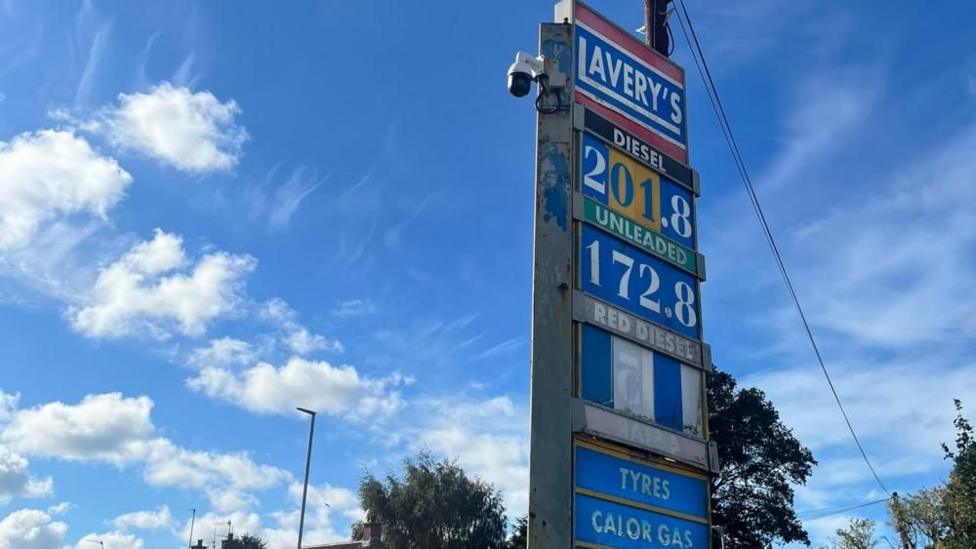
Diesel prices have exceeded £2 per litre at forecourts across Northern Ireland, while petrol costs continue climbing to their highest levels in four years. Motorists are responding by reducing their journeys, switching to smaller vehicles, and shopping around for cheaper fuel as the cost of living crisis deepens.
Geopolitical tensions in the Middle East have disrupted critical shipping routes, including the Strait of Hormuz, pushing wholesale fuel costs higher and intensifying pressure on consumers already struggling with household expenses. According to current fuel price trackers, average E10 petrol in Northern Ireland stands at 167.3p per litre, with regular diesel at 191.9p per litre as of late September 2026.
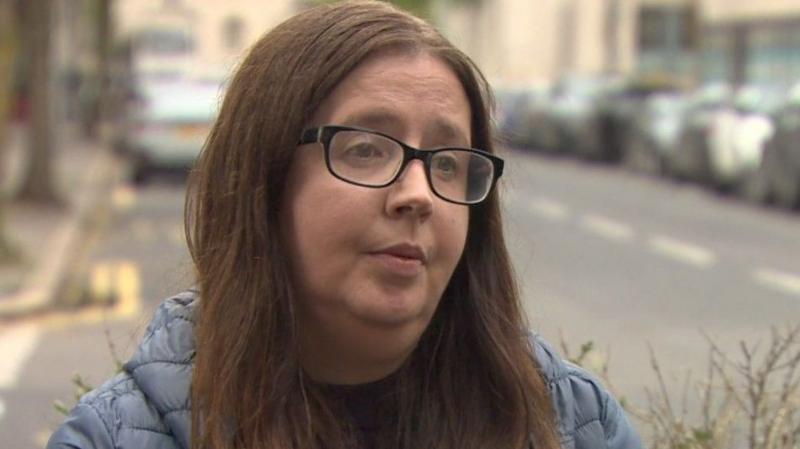
The NI Consumer Council has warned that Northern Ireland residents face disproportionate hardship because the region has a higher proportion of diesel-dependent drivers and a more dispersed population reliant on personal vehicles. Michelle Kelly, head of transport policy at the NI Consumer Council, highlighted the financial burden on households.
In reality for consumers, for a 40-litre fill-up they're effectively paying £16 more for petrol and £21 for diesel, so it's really impacting on their cost of living.
The council's fuel price checker revealed that since the end of February 2026, petrol prices have risen by an average of 43p per litre, while diesel has increased by 53p per litre. Kelly noted that
we're seeing oil prices really consistently stay above $100 and until we see them fall quite significantly and stabilise at that fall we won't see any difference in the short-term unfortunately.
How are drivers responding to rising costs?
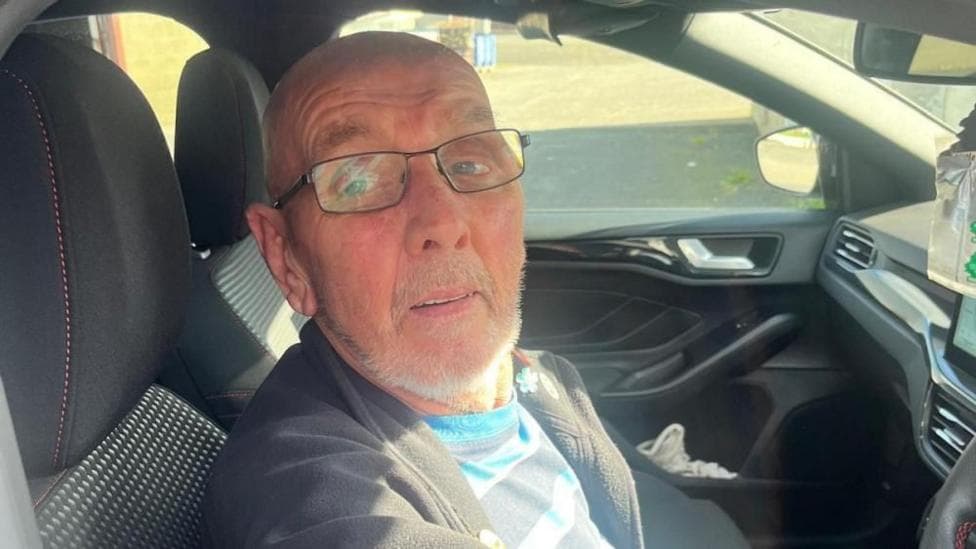
Motorists across Northern Ireland are making significant changes to their behaviour and purchasing decisions. At a Portadown forecourt, retired driver Reuben McAteer described the financial strain on pensioners.
My wife is also on her pension, and we have to cut down on this, that and the other.He explained that he now restricts his journeys to every couple of days to purchase essentials, reducing his overall fuel consumption.

Irene McClimonds, another motorist, expressed frustration at the scale of price increases.
It's astronomical, especially petrol. It's hard for people to get to work.She added,
I wish things would come down, but it's just so hard to live nowadays and even have a car and run it.In response, she is planning to purchase a smaller vehicle to reduce her fuel expenses.

For workers with longer commutes, the impact is particularly acute. Lana Black, who travels across the country for employment, described the challenge of managing fuel costs.
I'm filling up almost every day with my job - it's crazy with the prices just going up.She has begun seeking out larger supermarket fuel stations offering cheaper prices, though she acknowledged that
the commute is unavoidable.

Sean Donnelly has taken a different approach by switching to a hybrid vehicle. He characterised current petrol prices as
absolutely outrageousand noted that
we're struggling every week and shopping around for the best price.He emphasised that rising fuel costs are affecting household budgets across multiple areas, stating that
it is hitting everybody in the pocket, heating oil and everything.

What price variations exist between forecourts?
Significant differences in fuel pricing persist across Northern Ireland's retail market. Kelly encouraged consumers to compare prices actively, as variations of up to 20p per litre can be found between different forecourts. According to a regional UK fuel index for the week beginning 14 September 2026, the East of Northern Ireland was among the cheapest UK regions, with petrol recorded at 163.5p and diesel at 185.0p per litre. However, the cheapest reported diesel price on 21 September 2026 was 168.9p per litre, indicating substantial variation within the region.
Why is Northern Ireland particularly vulnerable?
Northern Ireland's geography and economic structure make it especially susceptible to fuel price volatility. Kelly explained the underlying factors:
We're a more rural population and more reliant on their car - recent Consumer Council research showed that around 71% of consumers [in Northern Ireland] were reliant on their car for their main mode of transport.
This dependency contrasts with more densely populated regions where public transport alternatives exist. Kelly encouraged consumers to explore public transport options where available, though she acknowledged that for many rural residents, private vehicles remain essential for accessing employment, services, and amenities.
What is the broader context for these price increases?
The current fuel crisis reflects global supply disruptions stemming from multiple geopolitical conflicts. Earlier in 2026, fuel prices in Northern Ireland had dropped to their lowest levels in five years, influenced by global oversupply and shifting geopolitical factors. However, the escalation of tensions in the Middle East has reversed that trend, with wholesale costs climbing sharply.
The situation mirrors challenges facing other UK regions. Businesses across the West of England have reported similar pressures as petrol prices approached £2 per litre, with taxi operators, petrol retailers, and charities facing difficult decisions about absorbing costs or passing them to customers. Diesel prices have surged toward £2 per litre across Britain more broadly, driven by supply constraints from conflicts in Ukraine and the Middle East that have crippled global refining capacity.
Could fuel protests return?
The possibility of renewed industrial action looms as stakeholders seek government intervention. Irish broadcaster RTÉ has reported that the Irish Road Haulage Association has not ruled out further fuel protests. The comments followed a meeting between the association and Ireland's Tánaiste and Minister for Finance Simon Harris in Dublin on Tuesday, where they discussed potential fuel support measures in the October Budget.
This development echoes earlier unrest: in April 2026, protests erupted in both Northern Ireland and the Republic of Ireland over petrol and diesel prices, reflecting the depth of frustration among drivers and transport operators facing sustained cost pressures.
Key Facts:
- Diesel prices have exceeded £2 per litre at some Northern Ireland forecourts, with petrol at 167.3p per litre on average
- Since the end of February 2026, petrol has risen 43p per litre and diesel 53p per litre, adding £16–£21 to typical 40-litre fill-ups
- Around 71% of Northern Ireland consumers depend on private cars as their main transport, making the region particularly vulnerable to fuel price shocks
- Price variations of up to 20p per litre exist between forecourts, rewarding consumers who shop around
- The Irish Road Haulage Association has not ruled out further fuel protests following discussions about budget support measures