Paul Bettany returns as The Vision in Marvel's latest television offering, a visually inventive spinoff that grapples with questions of identity and consciousness while remaining tethered to the franchise's familiar formula of elaborate plotting and mandatory action sequences. The series attempts philosophical depth but struggles to escape the mechanical nature of its own construction.
The Marvel Cinematic Universe has long attracted criticism for its corporate uniformity and derivative storytelling. Director Martin Scorsese famously compared its output to theme parks, while actor Nicolas Cage likened the experience to professional wrestling. With 38 films and 18 television shows now in circulation, the franchise has established itself as a cultural force defined less by artistic ambition than by technological spectacle and interconnected narrative webs. The MCU gravitates not just toward cliché but toward a kind of mechanical worldview—one preoccupied with robotics, technological conflict and systems of association rather than the messy emotional truths that cinema, in Scorsese's formulation, ought to convey between human beings.
Yet Marvel continues to pursue something more. VisionQuest represents an attempt to marry formal experimentation with thematic substance, using its android protagonist to explore what it means to possess selfhood and consciousness. The question feels urgent in an era of artificial intelligence, and the series deploys visual invention and genre-bending techniques to frame it. Unfortunately, the execution reveals the tension at the heart of modern superhero storytelling: the more elaborate the mythology becomes, the less room remains for genuine human drama.
What do you need to know before watching?
Substantial preparation is required. Disney+ warned viewers that seven different films and television shows provide necessary context for VisionQuest, though the direct predecessor—the 2021 series WandaVision—is genuinely essential viewing. That earlier show remains the MCU's most creatively accomplished work: a psychologically sophisticated portrait of grief in which the Scarlet Witch, mourning her partner Vision, resurrects him through a magical pastiche of American sitcoms spanning decades. It is beautiful, thrilling and narratively inventive in ways that most superhero content is not.
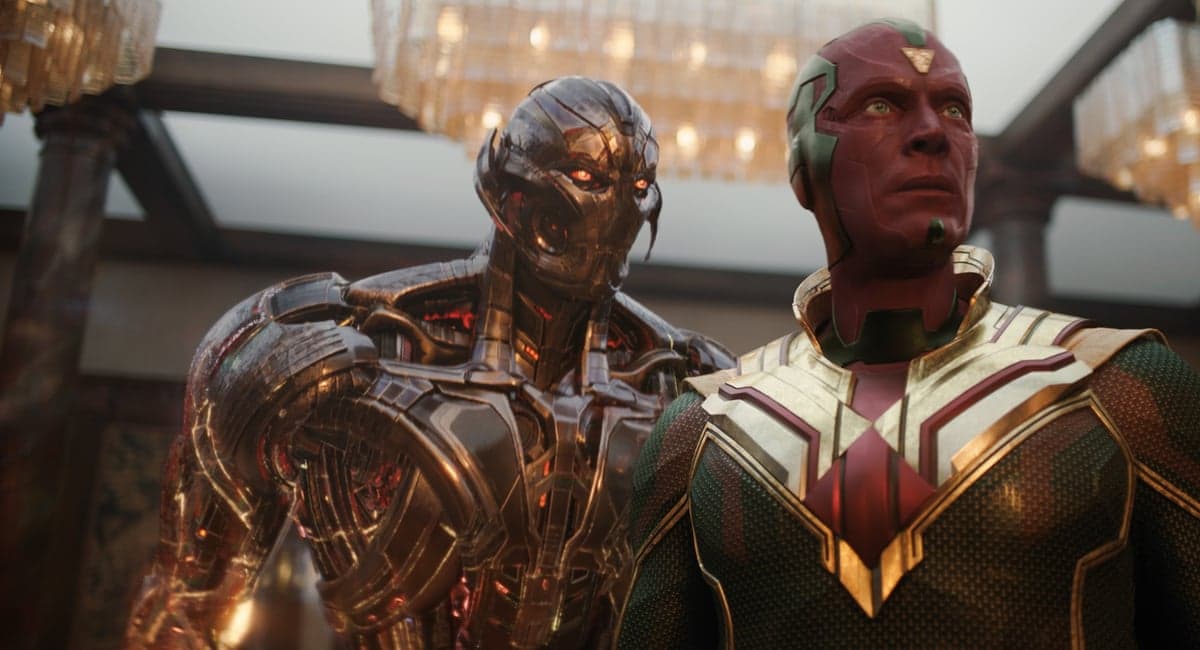
VisionQuest inherits the complications of its predecessor's ending. In WandaVision's climax, Wanda's magically resurrected Vision battled a reconstructed version of his original body, also called The Vision. They eventually reconciled, and magical Vision transferred his memories into his replacement before that version fled. The new series picks up with The Vision (Bettany, playing the character with understated English restraint) working in an Edinburgh pub that he once frequented with Wanda. By night, he retreats into the walk-in freezer and reverts to his true robotic form, entering a mental space—or its artificial equivalent—where he coexists with five other AIs in humanoid form.
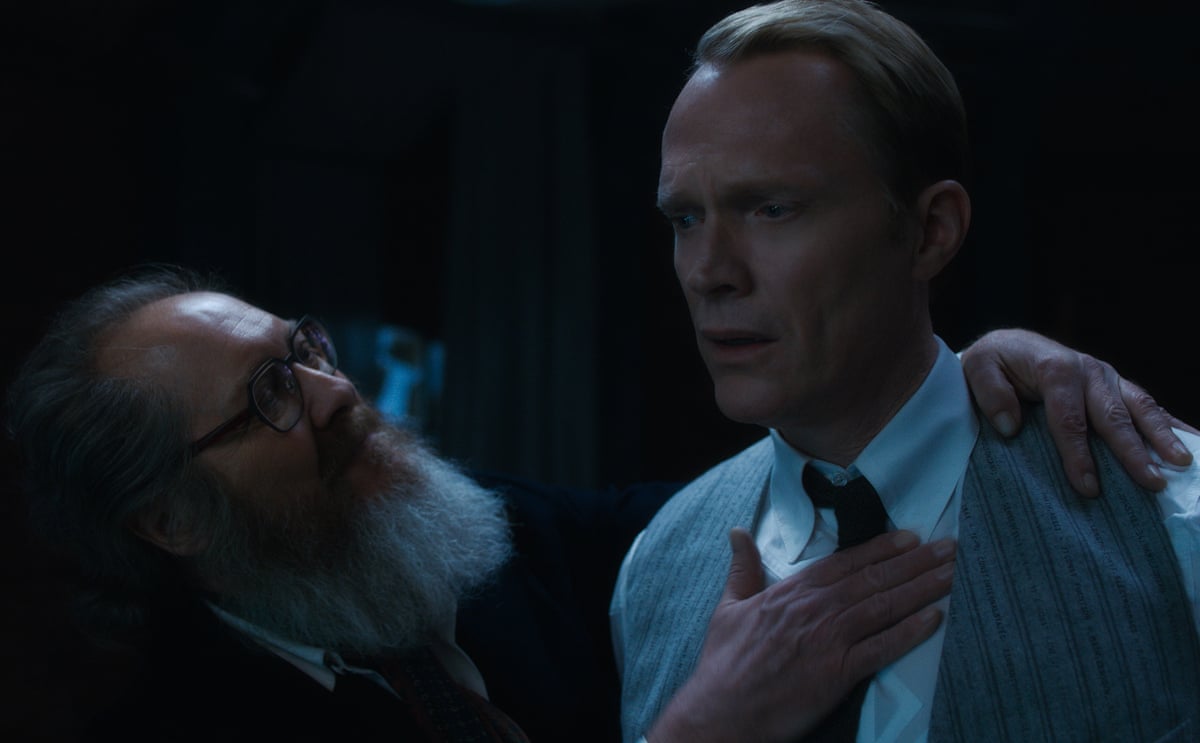
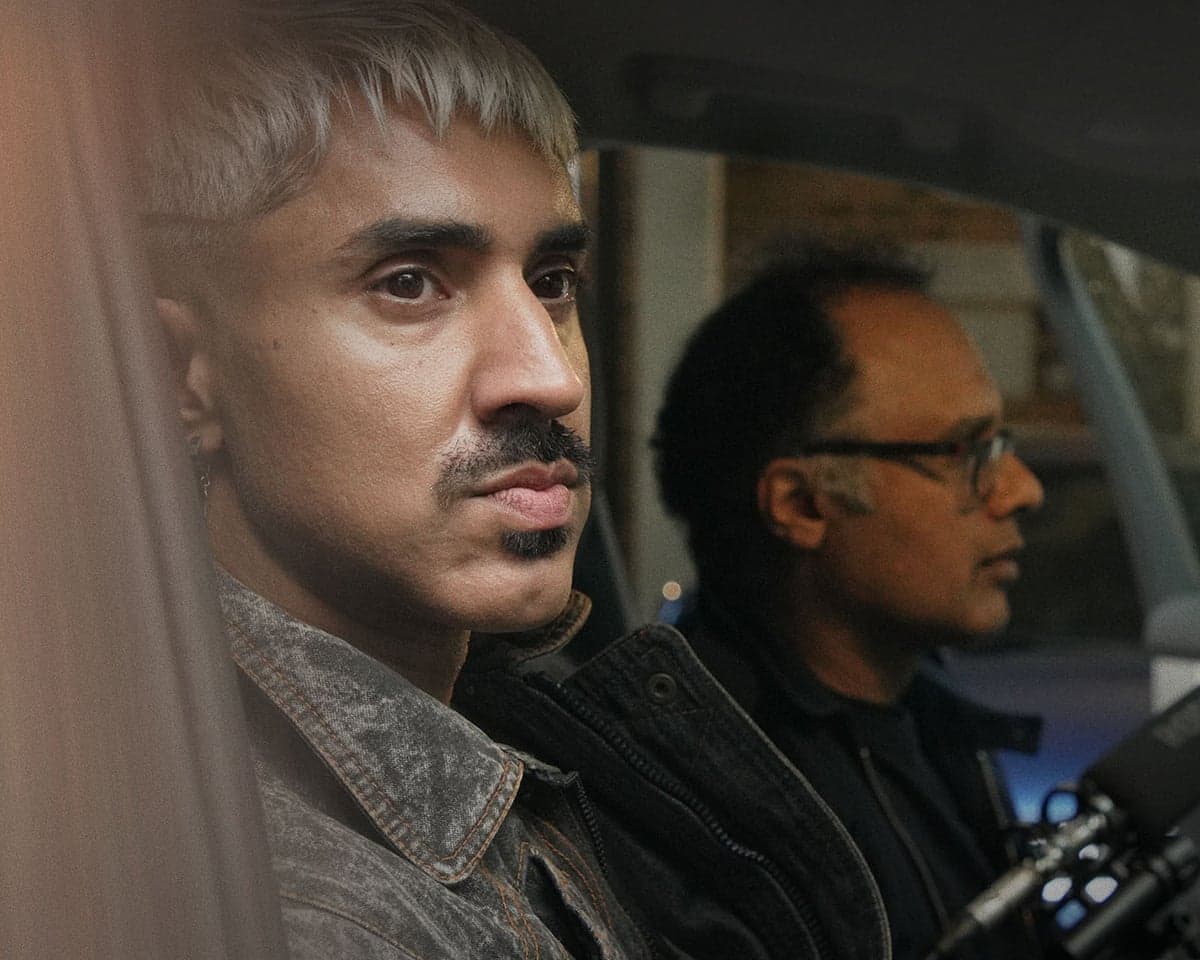
This houseshare includes J.A.R.V.I.S., portrayed by James D'Arcy, F.R.I.D.A.Y. by Orla Brady, and E.D.I.T.H. by Emily Hampshire, each with specialized functions designed to support The Vision's existence. The ensemble also features James Spader as Ultron, Vision's original creator and a figure with ambitions toward humanity's destruction. The cast expands to include Ruaridh Mollica, Todd Stashwick, T'Nia Miller, Diane Morgan, and Lauren Morais, with Morgan playing a hacker-style bounty hunter's assistant in a twist that strains credibility.
How does the plot function across eight episodes?
The narrative sprawls across multiple intersecting storylines. A bounty hunter pursues The Vision, using a teenager named Thomas—who claims to be possessed by the spirit of one of Wanda and Vision's magical twins—as bait. The Vision and Thomas flee together, their relationship hovering between father-figure dynamic and something more ambiguous. This represents merely one quarter of the overall plot. The series merges fallout from WandaVision with an extended exploration of Ultron's origins and an entirely separate narrative concerning another artificial being. The result is exposition-heavy, with dialogue between AI characters becoming tediously verbose. Ultron, in particular, speaks in the kind of pseudo-intellectual language that belongs in a parody: at one point he marvels at "the unalgorithmic alacrity with which [humans] wobble."
Technically, this verbosity serves a purpose. A show fundamentally about computer systems in conversation should sound like computer systems in conversation. Yet the effect remains uncanny and off-putting, as though artificial intelligence itself had generated the script—a fusion of indie road-trip movie, Matrix-style thriller, murder mystery and irreverent superhero dramedy that feels less like human artistic vision than algorithmic pastiche.
What are the series' strengths and weaknesses?
VisionQuest is frequently entertaining and consistently clever in its formal choices. The visual design strikes an effective balance between the mundane (the Edinburgh pub setting) and the surreal (the AI houseshare sequences). The premise—exploring consciousness and identity through an android protagonist—carries genuine thematic weight in an age of rapid technological change.
Yet these ambitions are consistently overwhelmed by the machinery of franchise storytelling. Any potential insight into human nature drowns beneath dizzying plot particulars and the contractual obligation for large-scale action sequences in nearly every episode. The fundamental problem lies in emotional investment: it proves remarkably difficult to care deeply about lines of code existing in an android's consciousness, no matter how skillfully the show frames that existence. The Vision may be sympathetic, but his stakes remain abstract.
The series represents something closer to a theme park ride than to cinema in the Scorsese sense—entertaining spectacle that mimics the appearance of depth without achieving genuine profundity. It is not mindless entertainment, but neither does it transcend the limitations of its corporate origins.
What happens next?
The first two episodes premiered on October 13 at 9 p.m. ET, with episodes 3 and 4 scheduled for October 21, episodes 5 and 6 for October 28, episode 7 for November 4, and the finale for November 11. Marvel describes VisionQuest as the concluding installment of a trilogy that began with WandaVision and continued with Agatha All Along, suggesting that this series will provide narrative closure to a larger story arc spanning multiple shows.
Key Facts
- The eight-episode series stars Paul Bettany as The Vision and James Spader as Ultron, with supporting roles from established MCU actors and new cast members
- VisionQuest requires extensive knowledge of previous MCU projects, particularly WandaVision, to be fully comprehensible
- The show attempts to explore artificial consciousness and identity while maintaining the action-heavy spectacle typical of superhero franchises
- The series concludes a trilogy that includes WandaVision and Agatha All Along, providing narrative resolution to a multi-show arc