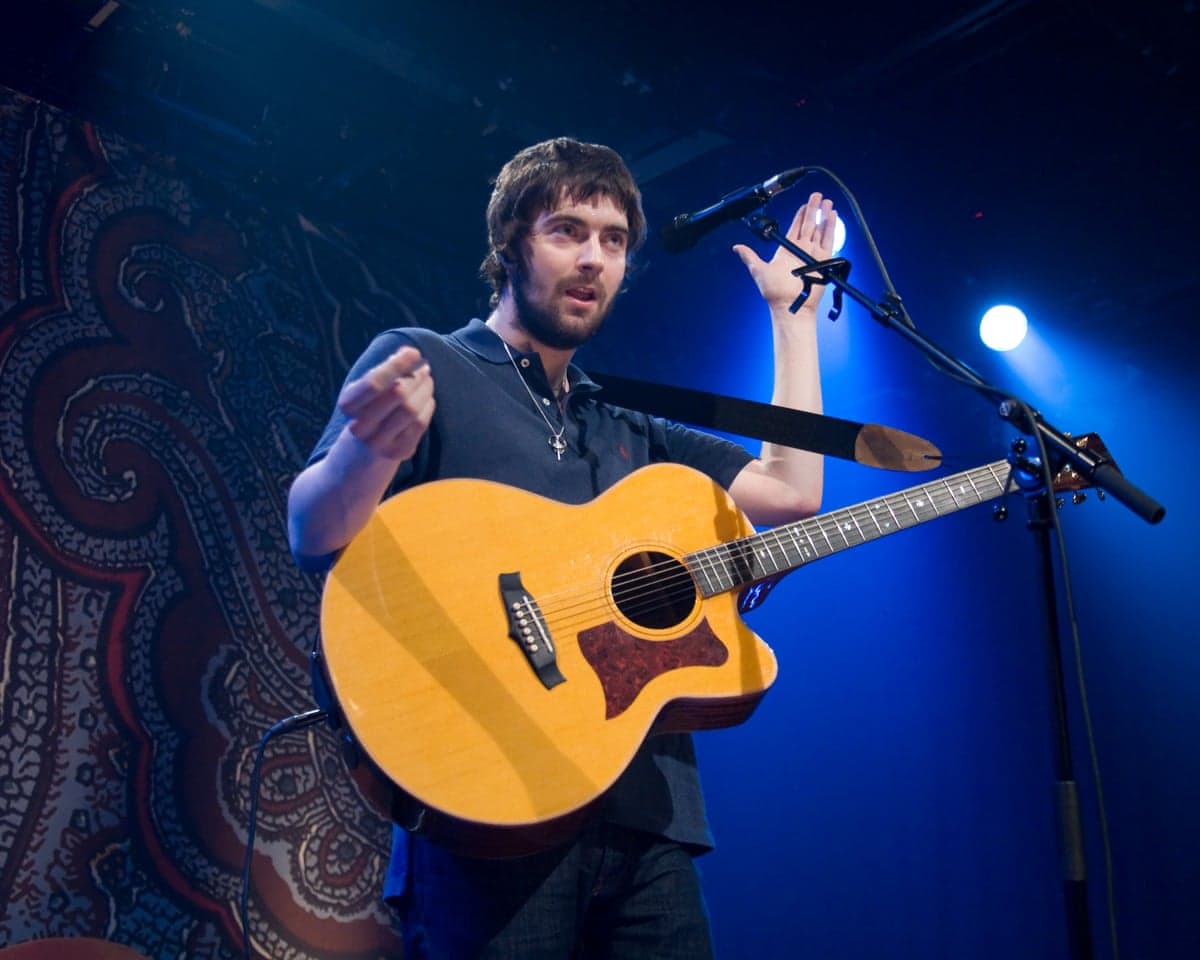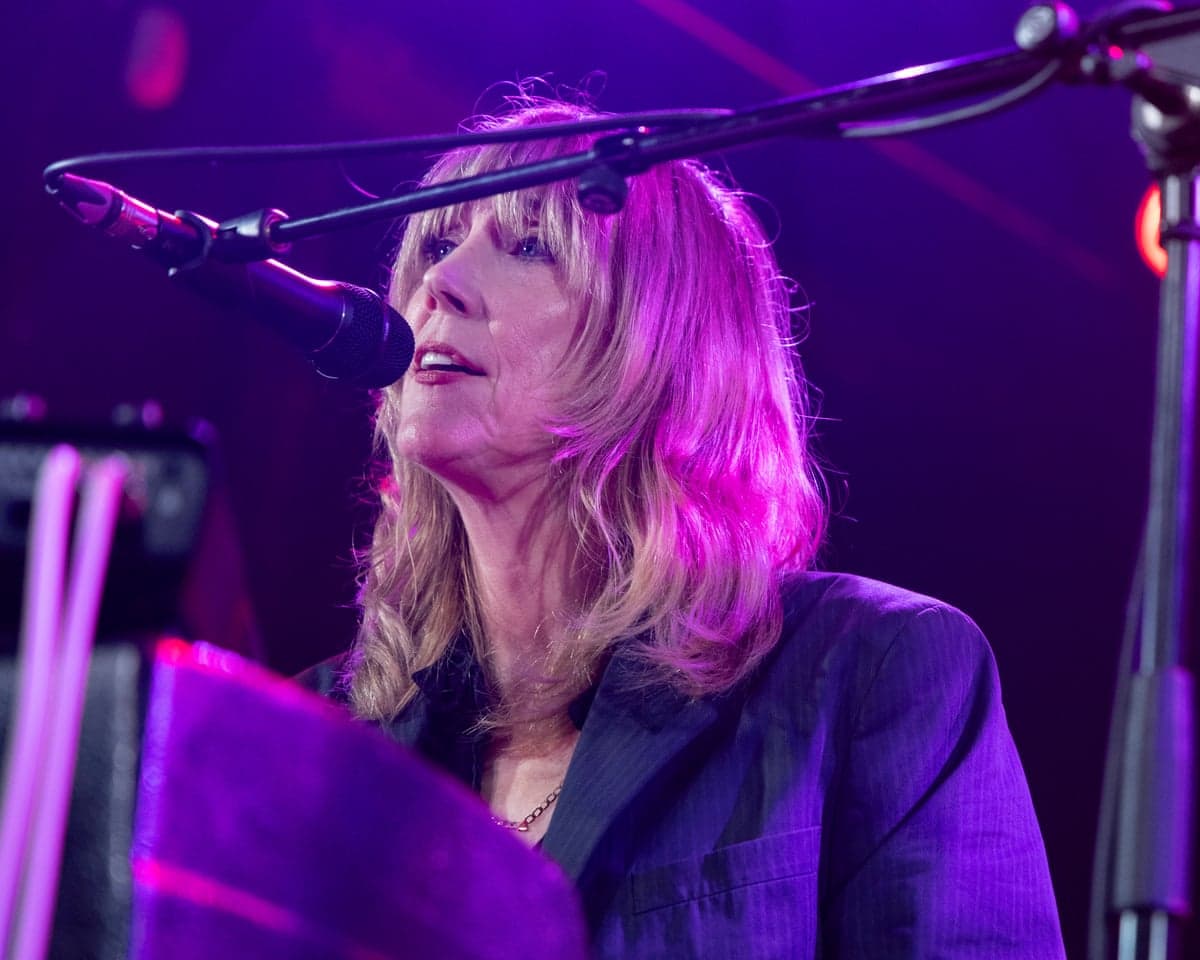
At Brighton's Concorde 2, Beth Orton demonstrated why she ranks among contemporary music's most inventive voices, drawing almost entirely from her two most recent albums and performing with a band steeped in jazz and experimental traditions. The audience, many old enough to remember her 1996 debut Trailer Park circulating through post-club living rooms three decades ago, encountered not a nostalgia set but a bold artistic statement: an artist in her mid-50s making some of the most adventurous music of her career.
Those expecting an evening built around the songs that first made Orton's name faced a deliberate recalibration. Aside from the title track from 1999's Mercury Prize-nominated Central Reservation, her set bypassed the material that established her reputation, instead mining almost exclusively from The Ground Above and 2022's Weather Alive. For an artist three decades into her career, this constitutes a striking gamble—one justified entirely by the calibre of her recent work. The Ground Above, her ninth studio album released by Partisan Records on 26 June 2026, represents the culmination of an artistic reinvention that began in the mid-2010s, when Orton steered her increasingly acoustic and traditional sound back towards experimentation and dancefloor-inflected textures.
How has Orton's sound evolved on stage?
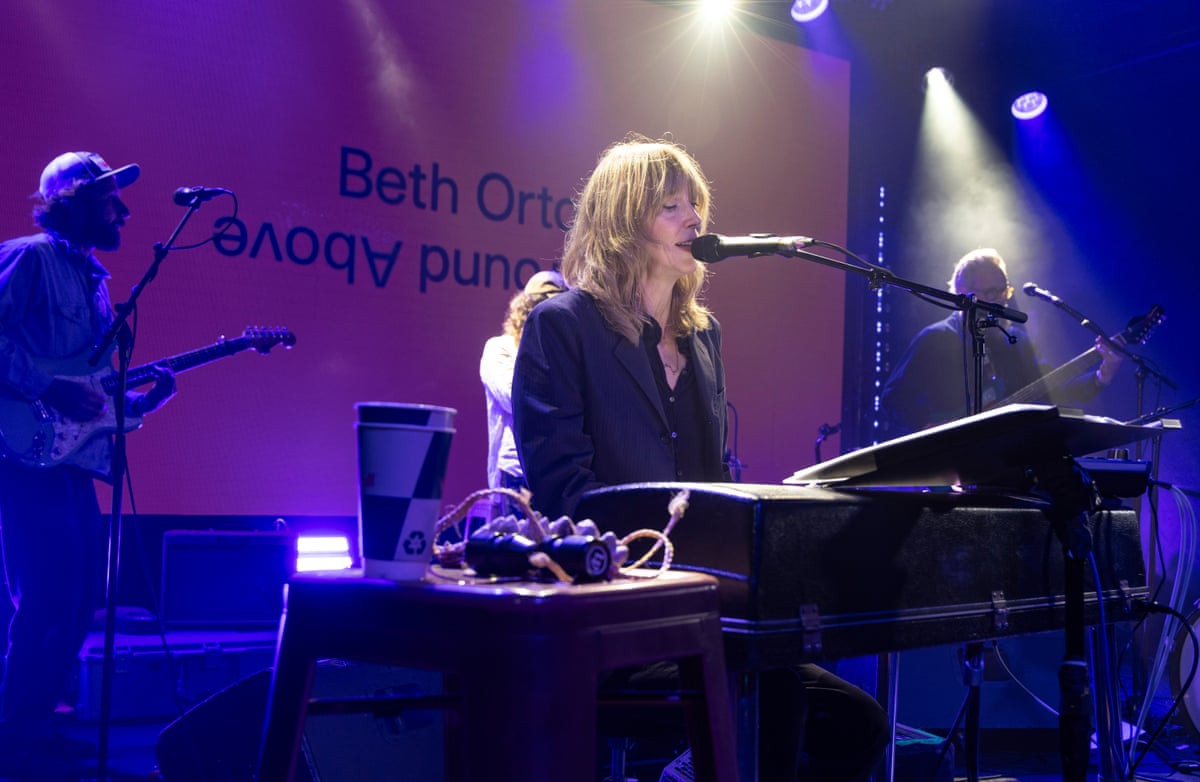
Rather than commanding a guitar, Orton spent most of the evening positioned behind a keyboard, a physical repositioning that mirrored her sonic priorities. The Ground Above's opening track unfolds as clouds of ambient synthesis suspended over percussion that straddles jazz and drum'n'bass territories. Cigarette Curls executes an unexpected tonal shift, abandoning its recorded approximation of laid-back soul for an echoing, dubbed-out environment. Both Haunted Satellite and Celestial Light venture into abstraction, with Orton manipulating her voice's timbre—amplifying its huskiness and fragility, deliberately distorting the lyrics until her singing functioned less as the song's focal point than as one texture among many in the instrumental landscape. The approach recalls John Martyn's treatment of vocals on his 1973 album Inside Out, where the human voice became an instrument subject to the same processing and manipulation as any other.
Who supported Orton on stage?
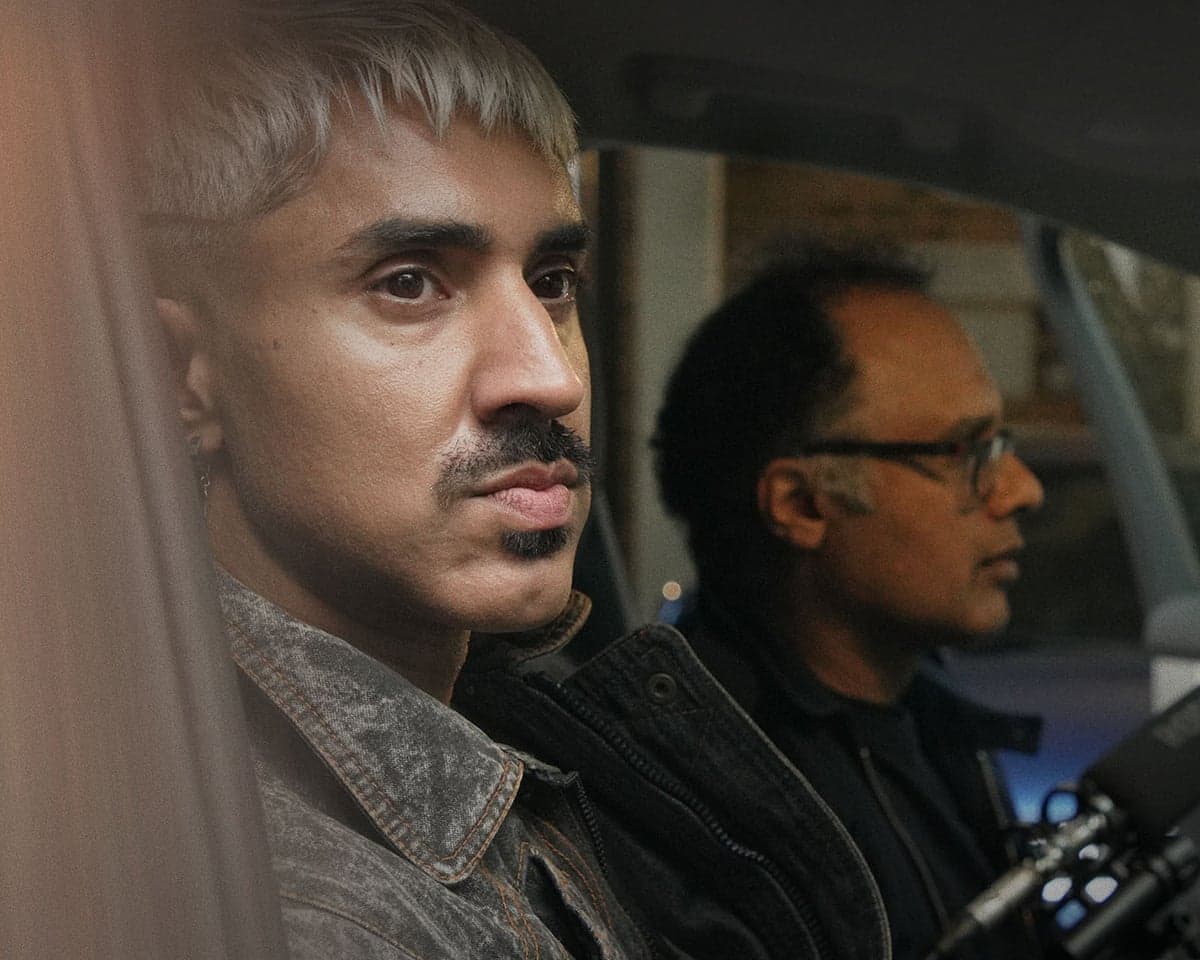
Her backing ensemble comprised musicians with deep roots in jazz and experimental music, many familiar faces at London's Cafe Oto venue. Bassist Tom Herbert and pianist Sam Beste anchored the sound, but the most commanding presence belonged to trumpeter Christos Stylianides, whose breathy tone shifted between textures evoking the late Jon Hassell's work and densely processed bursts of white noise, functioning as both colouration and structural element.
What emotional terrain did the performance cover?
The evening balanced enrapturing sonic experimentation with emotional weight. Where lyrics remained audible, they navigated distinctly middle-aged preoccupations: insomnia, time's relentless progression, illness and bereavement. Yet the set's closing track, Otherside, gathered these threads into something approaching optimism—battered but undeniably anthemic. Orton's voice underwent a dramatic transformation, abandoning its earlier fragmentation to become soulful and full-throated, suggesting resilience rather than resignation.
The audience response suggested no disappointment from those who might have anticipated a retrospective evening. At the show's conclusion, the crowd responded with enthusiasm befitting the occasion: witnessing an artist at a creative peak, producing work of genuine adventurousness and artistic ambition in her mid-50s.
What comes next for Orton?
Orton's 2026 UK tour continues with performances at Manchester's Stoller Hall on 13 October, followed by Nottingham on 14 October, Leeds on 16 October, Glasgow on 17 October, Bristol on 19 October, Norwich on 21 October and London on 22 October. The tour supports The Ground Above, which Orton has described through its lead single Waiting as exploring themes of moving beyond the constraints that fear imposes, positioning the album as both personal reckoning and artistic statement about creative liberation.