Journalist Mobeen Azhar has created a documentary that examines the profound transformation in British Muslim life over the past quarter-century, confronting difficult questions about media responsibility and community response to rising prejudice. The film, which arrives 25 years after the September 11 attacks, distinguishes itself through Azhar's willingness to engage with critics—including those who challenge his own journalistic choices—on topics that many established media figures avoid entirely.
The documentary opens with a striking contrast. Azhar recalls a moment when being both British and Muslim carried no particular stigma.
"There was a time, 25 years ago, when being British and Muslim was … OK, you know? We were on the cover of magazines and getting elected to parliament. We even captained the England cricket team. And then this happened."He cuts to footage of the World Trade Center's twin towers collapsing on 11 September 2001. The intervening decades have fundamentally altered that landscape for British Muslims.
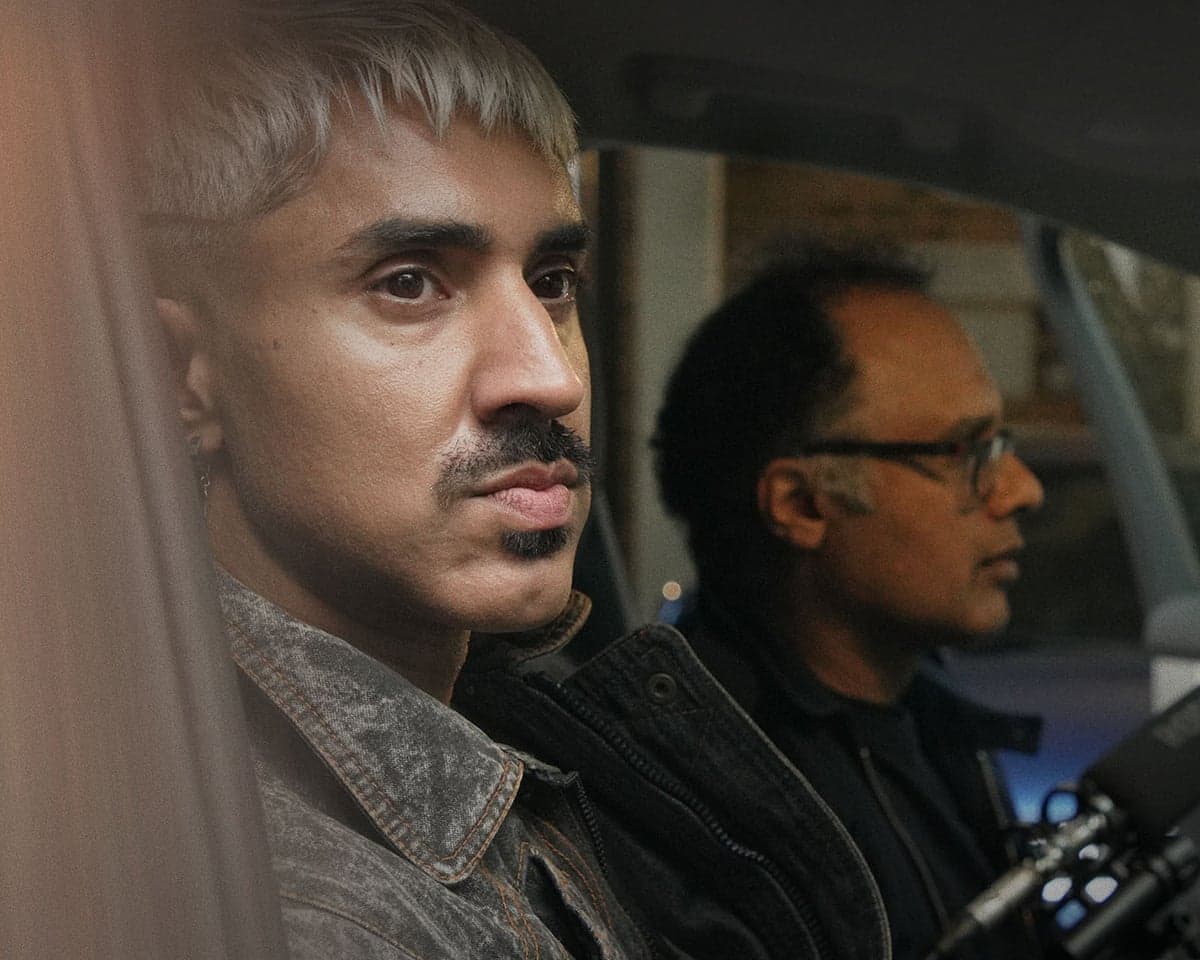
To explore this shift, Azhar partners with documentarist Masood Khan as co-director. Khan frequently appears in the passenger seat with a handheld camera, capturing the pair's conversations as they travel to meet people whose lives have been shaped by post-9/11 Islamophobia. As the film develops, Khan becomes more than a technical collaborator—he emerges as a crucial voice in Azhar's own reckoning with the consequences of their earlier work.
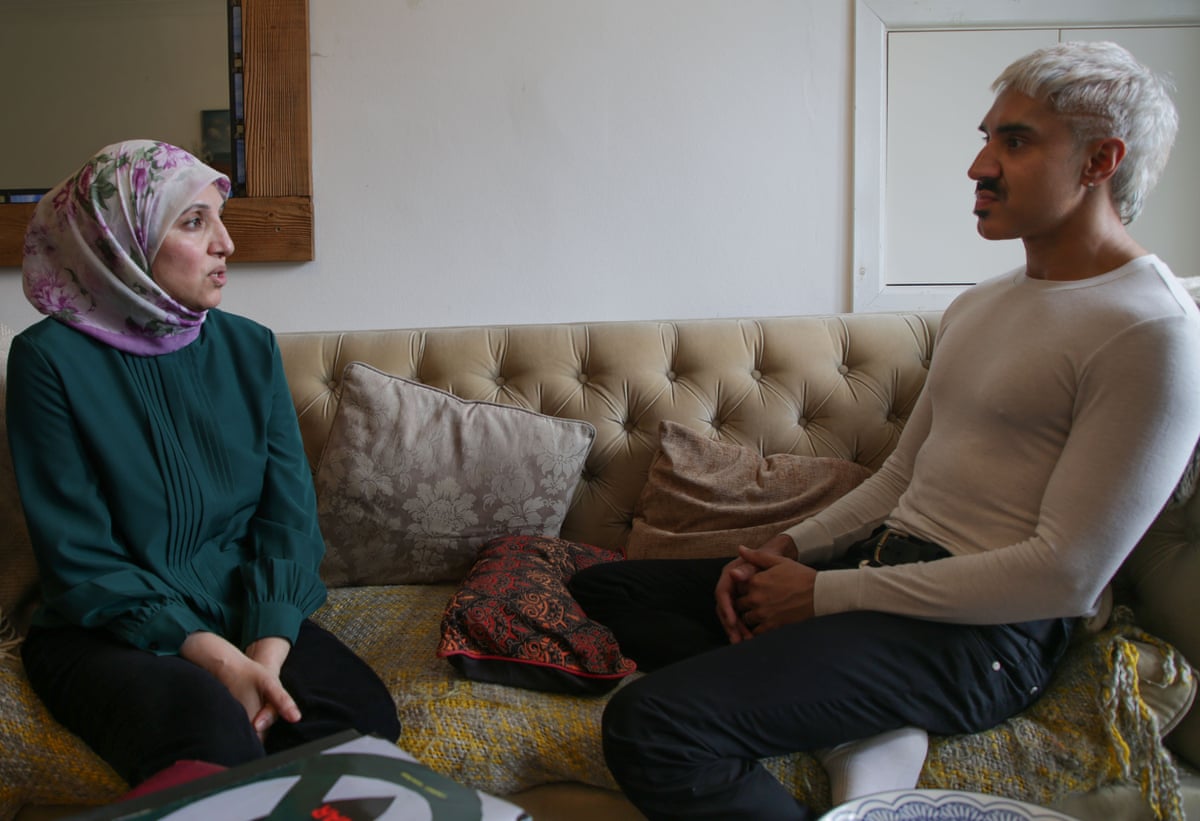
The filmmakers revisit their archives and reconnect with people in the British Muslim community to trace how attitudes and circumstances have shifted. Their first significant meeting takes them to Birmingham, where they encounter Salma Yaqoob, a politician whose entry into public life came through trauma. Soon after 9/11, Yaqoob was spat at in the street—a jarring transition from her previous identity as simply
"Salma, a mum at the school gate."In 2003, she helped organise a major demonstration against the forthcoming invasion of Iraq.
"It was an amazing day,"she remembers.
"Such a sea of humanity. And yeah, there was that hope."Azhar observes that her weary expression suggests that optimism has long since faded.
"The fire is still the same,"Yaqoob insists, though her eyes tell a different story.
The Iraq invasion's consequences for Muslims abroad were catastrophic—vast numbers were killed. At home, the repercussions proved deeply troubling in different ways. Azhar explains how radical Islamist agitators exploited the moment when their warnings about ignored protests proved prescient. They began preaching loudly against integration and advocating violent resistance. During that period, Azhar and Khan documented these phenomena through their films. Now, to their considerable credit, they are prepared to hear from people who believe that decision was a grave mistake.
In Bradford and Luton, Azhar and Khan meet Alyas Karmani and Farasat Latif, community leaders who have dedicated themselves to deradicalising local Muslim men. Karmani is confrontational; Latif is measured. Yet both level a serious accusation at Azhar: that his journalism amplified Islamophobia by giving disproportionate visibility to an unrepresentative fringe.
"The problem is the disproportionate publicity these people got,"Latif argues.
"They were given a platform on mainstream media because they fed into that narrative, post-9/11 and -7/7, that there was this huge Islamic threat."
These confrontations force Azhar and Khan into a deeper examination of their own careers. A journalist's role includes holding a mirror to society and cannot ignore uncomfortable truths. Yet journalism is fundamentally a series of editorial choices—decisions about what to cover and what to leave untouched. Where one directs limited resources carries profound consequences. The pair grapple with this tension throughout the film, neither reaching easy resolution.
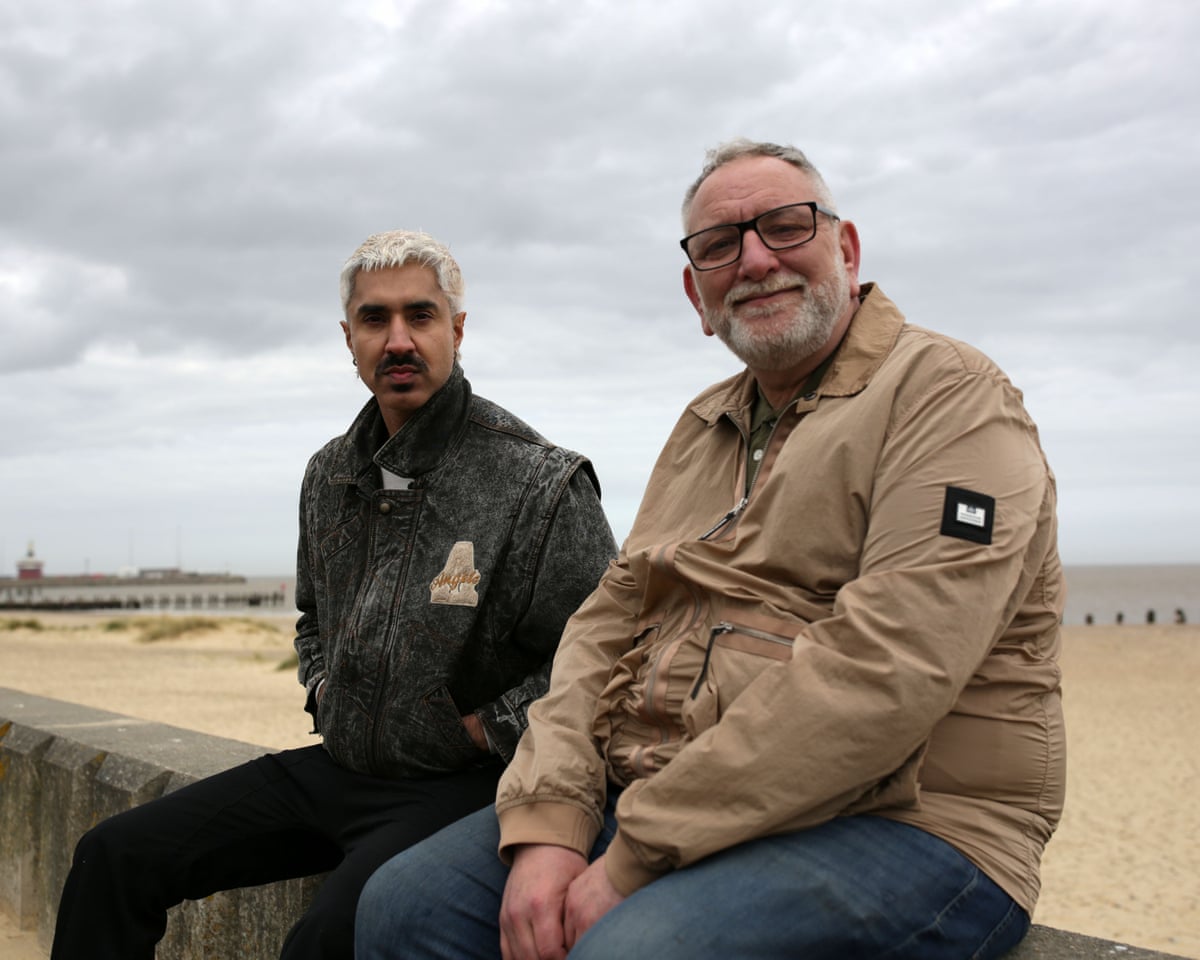
Azhar travels to Lowestoft to meet Ivan, a man who once organised for the far-right English Defence League and has since reformed. Ivan reveals that the EDL weaponised earlier documentary work for recruitment purposes. He cites the 2007 Dispatches film Undercover Mosque and Stacey Dooley's 2012 documentary My Hometown Fanatics as materials the group used to radicalise new members. He also identifies extremist preacher Anjem Choudary's media appearances as instrumental in his own radicalisation. Choudary is now imprisoned for running a banned terrorist organisation.
The discussion between Azhar and Khan about these revelations becomes increasingly weighted with exhaustion as the film moves toward its conclusion. Azhar admits to feeling drained by the events of 2017, when terror attacks at multiple locations provoked a retaliatory backlash. By 2026, as Stephen Yaxley-Lennon, known as Tommy Robinson, agitates against Islam on London's streets, Khan declines to cover the story—a decision that angers Azhar. Khan has reached his limit.
Azhar continues reporting from the ground, attempting to make sense of the chaos surrounding Yaxley-Lennon's appearance at an Oxford Union debate. Identifying that something has gone seriously wrong proves straightforward; determining what could or should have prevented it remains elusive. For British Muslims, the situation only deteriorates.
Broadcast Details and Accessibility
The programme airs on BBC Two at 9pm on 12 October 2026, with a repeat screening at 11pm the same evening. The broadcast includes subtitles and audio description for accessibility.
Why This Documentary Matters
Azhar's film stands apart in its refusal to offer comfortable conclusions or to shield its maker from criticism. Rather than presenting a polished narrative of victimhood or resilience, it documents genuine disagreement among people working toward similar goals. The willingness to platform voices that challenge his own editorial decisions—voices suggesting his journalism may have inadvertently fuelled the very prejudice he sought to expose—represents a rare form of accountability in contemporary documentary-making. Whether viewers find the film entirely satisfying or not, it addresses questions about media responsibility and community impact that established journalists typically avoid.