

Welsh-language broadcaster S4C has confirmed it will broadcast a three-part drama in 2027 dramatising the case of Neil Foden, the former head teacher jailed for sexually abusing pupils, prompting a split reaction from survivors' advocates, child protection specialists and local residents. Foden, from Conwy county, received a 17-year sentence after being convicted on 19 charges relating to four girls, and a Child Practice Review later described him as a "prolific sex offender who harmed many children". Some voices argue the timing is premature, while others insist a dramatisation is the "only way" to force answers that remain outstanding.
The series, titled Y Pennaeth (The Head Teacher) and written by Llinos Gerallt, will star Welsh actor Mark Lewis Jones as Foden. S4C has described it as an "important and shocking story" intended to interrogate how his offending was allowed to continue undetected for so long.
Why do some critics say the drama is too soon?
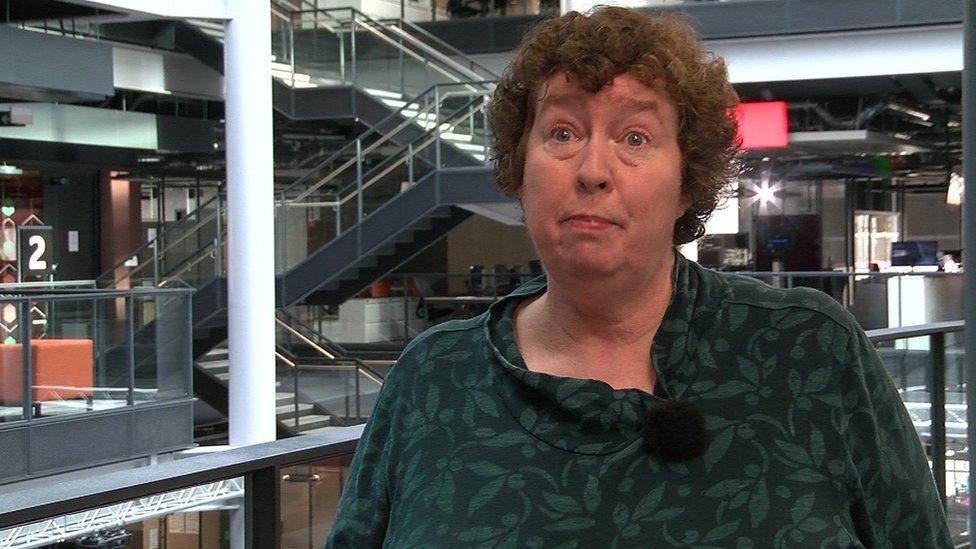
Helen Mary Jones, a former Plaid Cymru Member of the Senedd who now works as an independent child protection expert, questioned whether survivors' perspectives would be given sufficient weight in the production. Speaking to BBC Radio Cymru's Dros Frecwast programme, she said it was important to ask how central survivors' voices would be to the drama.
"There are plenty of television programmes that have contributed to positive social change."
"[But] to what extent is there a risk that the programme will portray Neil Foden as some kind of anti-hero?"
"I hope that the companies responsible for producing the programme place the survivors' voices at the centre of the story. If they succeed in giving the victims a voice, it could an incredibly important drama."
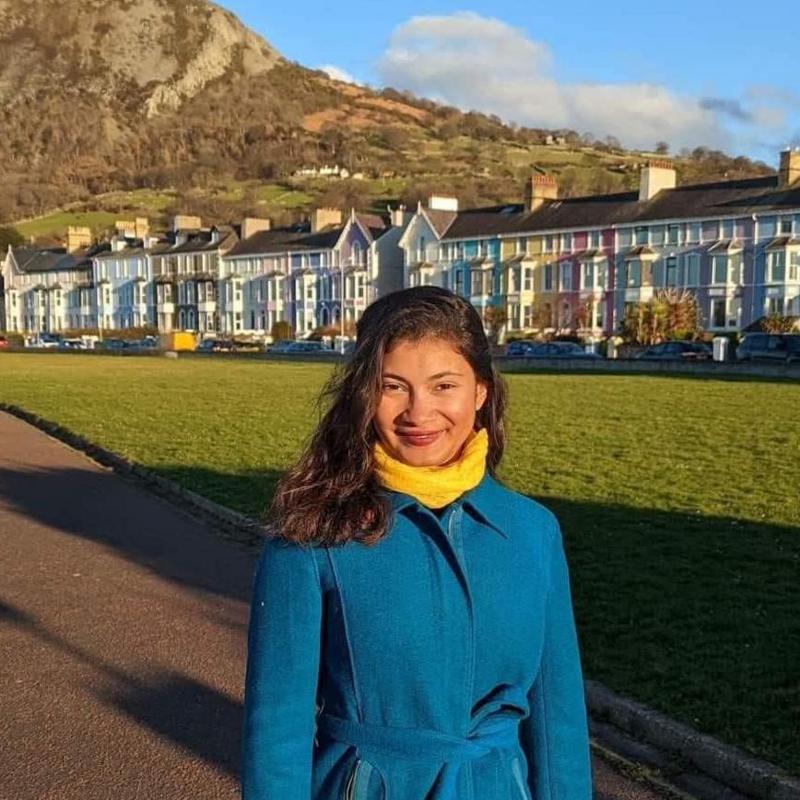
Leena Farhat, a town councillor in Llanfairfechan, Conwy county, shares the view that the drama has arrived too early, though she does not oppose the idea of screen coverage altogether.
"I would like to see a documentary made, just not yet."
Farhat has launched a petition urging the Welsh government to open a statutory public inquiry into the Foden case, arguing that such an inquiry's power to compel evidence could resolve questions that remain unanswered. She noted that Foden's case had only been raised briefly in the Senedd before its summer recess.
"I think it's the right time to have that discussion [but] it's too early to judge the Welsh government on that, and there are things that they can do."
Farhat pointed to ITV's Mr Bates v The Post Office as an example of a drama that had helped deliver closure and lessons for the public, and said television could serve a similar purpose here. However, she warned that airing the drama too soon risked allowing its subject matter to be dismissed as "just a drama", potentially undermining the seriousness of the case or even affecting ongoing legal processes.
Farhat, who lives within the catchment area of Ysgol Friars in Bangor, Gwynedd — the school where Foden served as head — said she knew former pupils who no longer wanted the school listed on their CVs because of its association with the case.
"There is a real human element that has been missed."
"Whether you agree or disagree with the drama, nobody wants to see this happen again."
How has S4C defended its decision?
S4C has said the drama is grounded in evidence and notes drawn from the trial at Mold Crown Court, as well as an independent report into the case compiled by expert Jan Pickles. The broadcaster added that the writer and production company had liaised with North Wales Police, who offered further support to survivors, and had also worked alongside a journalist acting as a point of contact between the production and those affected.
Gwenllian Gravelle, S4C's drama and film commissioner, said the programme — written by Llinos Gerallt and produced by Mojo Productions — addressed a serious betrayal of trust by someone in a position of power.
"[It is] an important and shocking story about how one man in a position of trust and power betrayed his status over a period of many years, and asks difficult questions about cultures where one individual is seen as someone who cannot be challenged."
"Developed with great care and sensitivity, the production deals with the subject in a responsible way, focusing on the wider results of the betrayal by a public figure who was entrusted with responsibility and care."


According to Advanced Television, S4C's own framing of the project now emphasises that the series will examine the "failures and missed opportunities" that allowed Foden to continue offending for years, a description echoed in reporting from a national broadcaster's Welsh-language news service, which also confirmed the announcement on 13 August 2026.
Llyr Morus, the series' producer at Mojo Productions, said no one involved in the case had objected to the drama going ahead.
"No one has raised concerns or asked us not to do it."
Speaking to BBC Radio Cymru's Dros Ginio programme, Morus said it would be too strong to describe Foden's victims as "happy" about the drama, but suggested that productions of this kind can give survivors a voice and help them process what happened.
"[What they feel is that] productions of this kind gives them a voice, help with coming to terms with what has happened, and reassure them that people are listening and believe what has happened to them."
"It is seen as a step towards survival, and it could have a positive impact on the future."
What role will survivors' voices play in the story?
Dai Davies, a former chief superintendent at Scotland Yard who specialises in child protection, admitted his first reaction to the announcement was scepticism, but said closer examination of the case changed his view.
"Why on Earth are they doing this?"
"But the more I've looked into it... the more I can see there are so many questions still outstanding."
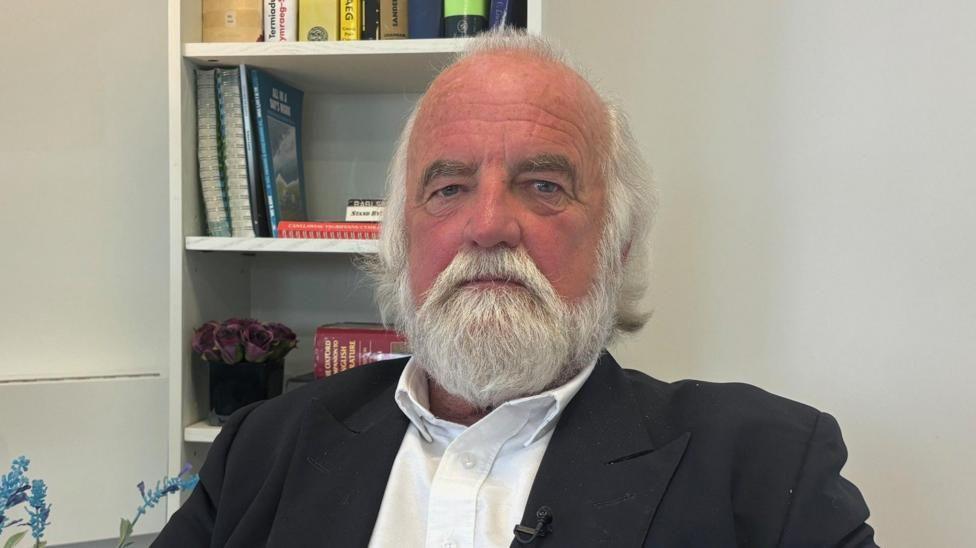
Davies said it was essential that people be free to raise concerns about educators "without fear or favour", and called for schools to adopt a clear ethical structure so that anyone with worries about a teacher's conduct could have those concerns properly investigated.
"In my 55 years of involvement in policing security worldwide, I am fed up of being told [after] each inquiry 'we have learned the lessons'. Quite often, we haven't, and we haven't implemented the recommendations that have come from so many inquiries into paedophiles. It's time somebody got a grip."
Davies described Foden as a dominant and bombastic figure within Welsh education whom colleagues were reluctant to challenge, and said victims simply want their questions answered.
"So if this is the only way in this country that we get proper answers, then so be it."
Llion Iwan, S4C's chief content officer, acknowledged that concern over such a serious case was understandable, but insisted the two-year development process had kept survivors and systemic failings at its centre.
"The focus, despite the title and the well-known actor in the main role, is on the failures and the individuals that were trying to raise questions."
What is the wider background to the Foden case?
The controversy over the drama follows earlier coverage of the case, including a report on a former pupil who says she was groomed by Foden at the age of 14 and has since struggled with mental health difficulties while pursuing compensation from Gwynedd Council, as detailed in our earlier coverage of a former pupil's fight for compensation. S4C had also aired a separate documentary on the case, Foden: O Brifathro i Bedoffeil, broadcast on 27 January 2026 and made available on S4C Clic, according to S4C's press office. In that documentary, a union official said Foden had actively sought to block an investigation into serious allegations against another teacher at his school.
Reporting from November 2024 indicated that North Wales Police were investigating two further grooming and sexual abuse allegations connected to Foden beyond the original prosecuted case, according to a national broadcaster's earlier report, which also confirmed that the North Wales Safeguarding Board's child practice review, led by Jan Pickles, was expected to publish its findings the following spring. Separately, Gwynedd Council published a formal response plan in January 2025 that included a call for the Welsh government to launch a public inquiry into Foden's crimes, according to the council's published plan — a demand that echoes Leena Farhat's ongoing petition.
The Welsh government said it had accepted in full all recommendations directed at it from the review and continued to drive forward their implementation.
"We recognise renewed public attention may be extremely difficult for survivors, their families and communities, and their privacy, wellbeing and voices must remain central to any public discussion of this case."
"Our focus remains on ensuring the lessons identified from serious failings and missed opportunities are acted upon and that safeguarding arrangements continue to be strengthened."
What happens next?
S4C says Y Pennaeth remains on course for broadcast in 2027, according to Advanced Television. Gwynedd Council's call for a full Welsh government public inquiry into the Foden case remains formally on the table as part of its response plan, and the North Wales Safeguarding Board's child practice review continues to inform discussion of what safeguarding failures allowed his offending to go unchecked for so long.
Key Facts
- Neil Foden, former head teacher in Conwy county, was jailed for 17 years on 19 charges involving four girls.
- S4C's three-part drama Y Pennaeth, starring Mark Lewis Jones, is scheduled to air in 2027.
- Critics including Helen Mary Jones and Leena Farhat say the timing risks overshadowing survivors' voices.
- S4C previously aired a documentary on the case, Foden: O Brifathro i Bedoffeil, on 27 January 2026.
- Gwynedd Council has formally called for a Welsh government public inquiry into the case.


