A woman convicted of aiding a murderer is whisked away under a blanket as an angry mob surrounds the prison van, their rage temporarily thwarted but far from extinguished. Years later, another woman's life implodes when an online conspiracy theorist decides she must be the fugitive they're hunting. This is the premise of Hunting Alice Bell, a six-part drama that explores how groundless accusations spread in the age of social media, though not always with the clarity its serious subject matter demands.
According to The Guardian, the series, created by David Baddiel and film critic Peter Bradshaw, draws inspiration from the case of Ian Huntley's former girlfriend Maxine Carr, whose identity became the subject of intense public speculation. The drama aired on 11 November 2026 and is available to stream on Channel 4.
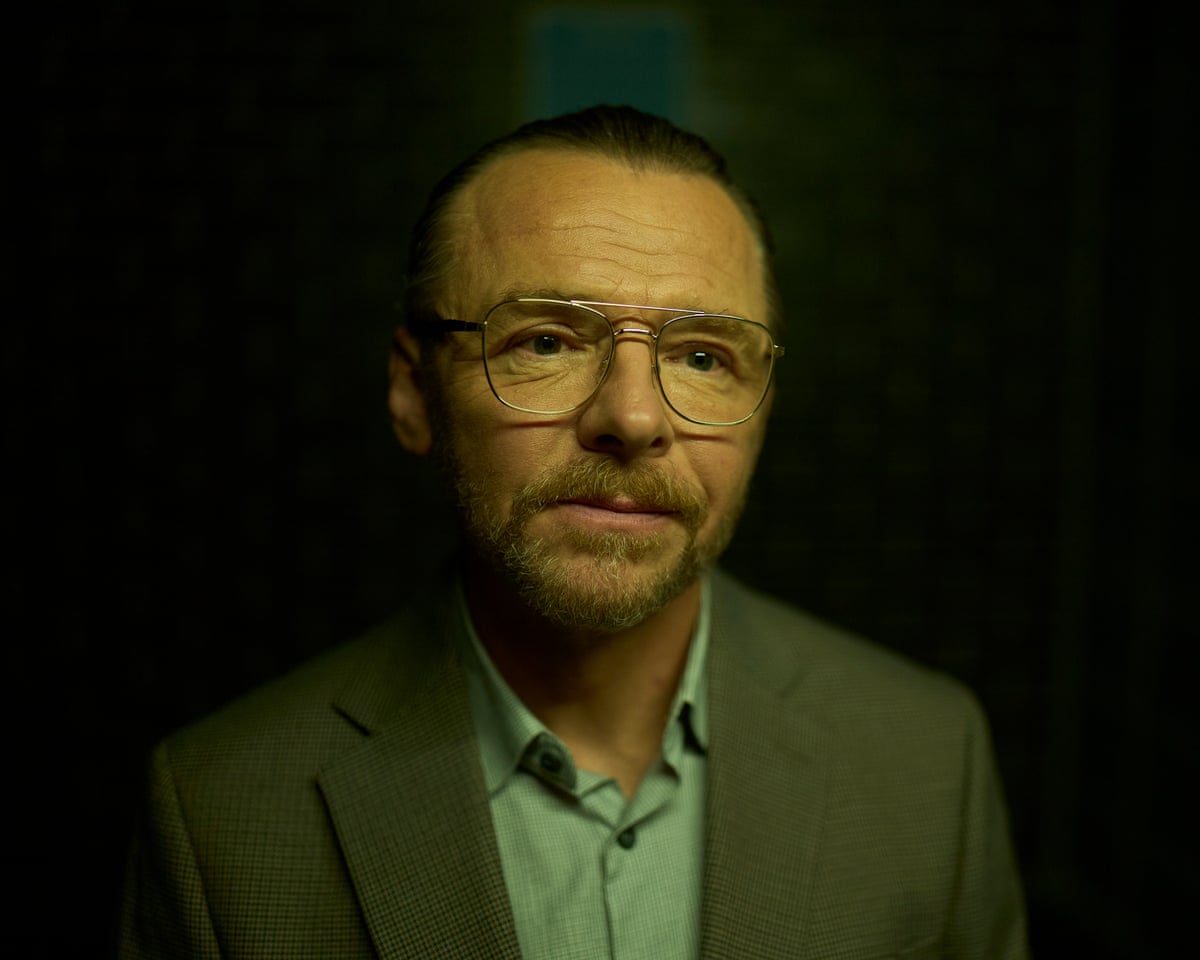
The opening sequence establishes the show's central tension: Alice Bell, guilty of helping Jason Nash (Simon Pegg), a murderous anaesthetist and her former boyfriend, vanishes into a new identity while the public's hunger for vengeance remains unsatisfied. The narrative then shifts to Fran Da Silva (Alexandra Roach), whose ordinary morning—breakfast with her husband and teenage stepchildren—shatters when a brick crashes through the window. She becomes the target of a relentless online campaign orchestrated by someone calling himself True Crime Buster, who has decided she must be the missing Alice Bell.
What unfolds is a cascade of social destruction. Da Silva faces ostracism at work. Her stepchildren return from school with injuries and stories of abuse. Social services intervene, removing her infant daughter from the home. The orchestrator behind the campaign is a transparent opportunist, a grifter empowered by attention, who speaks of "feminazis" and claims the public has a right to certain information while simultaneously demonstrating why they cannot be trusted with it. He represents a particular modern archetype: the conspiracy entrepreneur who profits from rage.
How does the drama explore modern conspiracy culture?
The show's philosophical core examines how baseless theories take root and spread, particularly in an era when social media amplifies accusation faster than truth can catch up. In the social media age, the thirst for anonymised rage often becomes the point itself. The series suggests that in Orwellian terms, there exists a modern Room 101 reserved specifically for women implicated in terrible crimes, whether guilty or not.
Inevitably, a morally ambiguous police officer enters the narrative: Ralf Little's Detective Graham Hunter. The family does not contact the police until masked vigilantes wielding clubs surround their home, a delay that strains credibility. More problematically, the introduction of potential police corruption introduces another conspiracy theory into a drama supposedly examining why conspiracy theories are dangerous. This plotline feels like a category error, belonging to a different kind of story with less serious intentions.
What is the show's structural problem?
Hunting Alice Bell often feels scattered, attempting to address too many contemporary issues simultaneously. There are nods to incel culture, the manosphere, and our compulsive need to document our lives online. Yet these references feel heavy-handed and on-the-nose. The writing shares DNA with other recent Channel 4 dramas that explore moral questions of the moment, but it lacks the assured dialogue and character work that distinguishes the best examples of the form. The series cannot quite decide what it is: a study in modern manners, a whodunnit, or a social satire. Attempting to be all three at once, it risks collapsing under the weight of its ambitions.
The production team behind the series is substantial. Clapperboard Studios produced the drama, with Polly Buckle and Kate Verghese joining Baddiel and Bradshaw as co-writers, while Paul Walker directed all six episodes. The project began as a film script before Baddiel and Bradshaw expanded it into a series format.
Where does the drama find its strength?
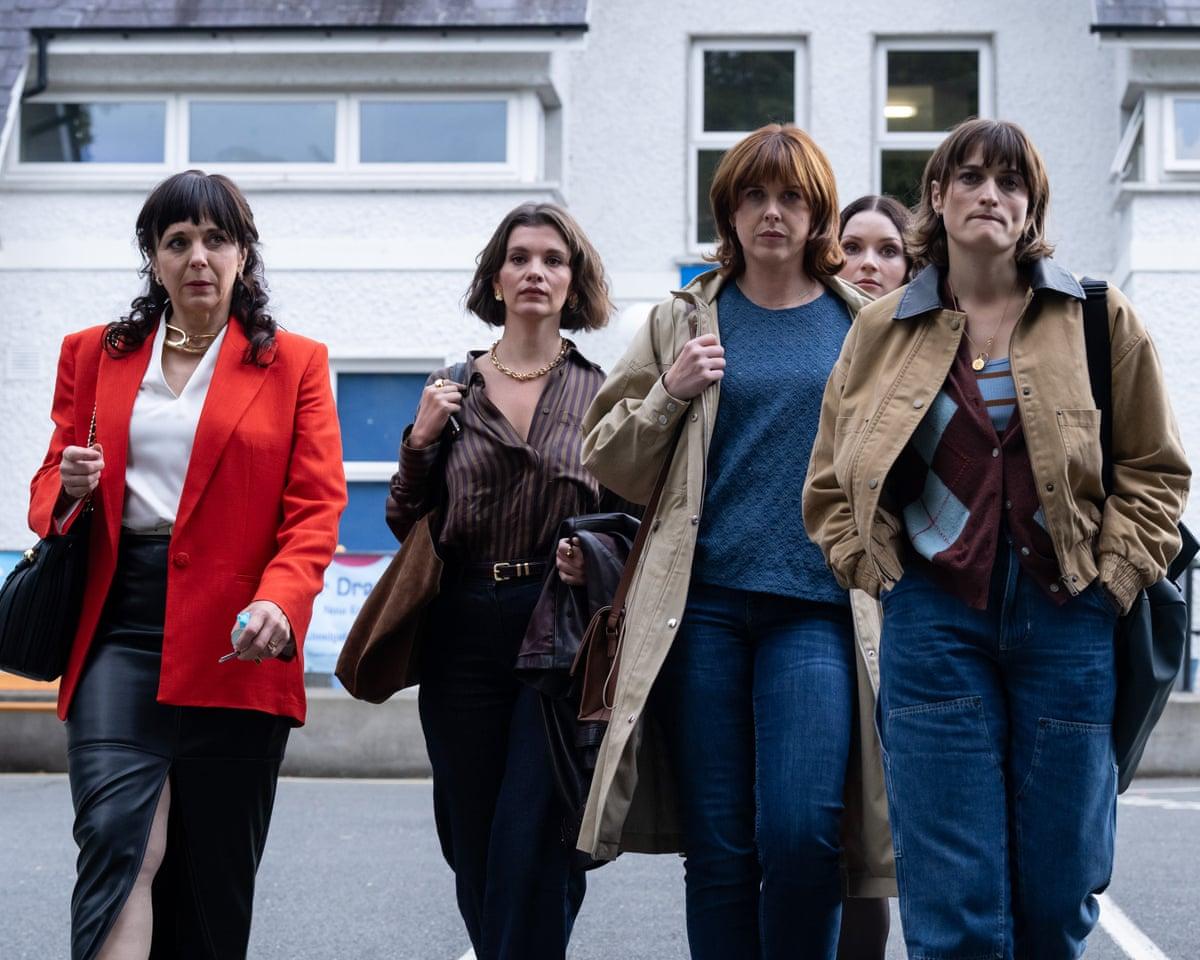
The series is at its best when it stops trying to be everything and settles into being what it truly is: a twisty thriller. Fran discovers she is not the only woman accused of being Alice Bell. Soon a small support group forms, women who have been wrongly identified, who begin their first meeting by solemnly intoning, one by one and with slight unintentional comedy, "I am not Alice Bell." They become a cause célèbre, invited to conferences and media appearances. But doubt creeps in: is everyone in the group telling the truth? The hunt for Alice Bell transforms into a high-stakes, real-life version of The Traitors, where suspicion corrodes solidarity.
At various points, momentum threatens to dissipate in a hail of bullet-pointed social commentary. Yet the drama does ultimately stick its landing, and it does so cleverly by weaponising viewers' likely confirmation bias against them. The series features broadcaster Cathy Newman and political figures Alastair Campbell and Rory Stewart appearing as themselves, grounding the fictional narrative in recognisable public figures.
The women at the centre of the drama are neither flawless nor particularly functional, and the show respects them enough not to pretend otherwise. Their chances of holding together, clearing their names, and maintaining friendship seem slim. Yet the series proves clever enough to use viewers' expectations against them. Whether Alice Bell is ultimately found becomes almost beside the point. What matters is the portrait of a lynch mob culture in which, like it or not, most of us are only a few clicks away from banging on the side of a police van ourselves.
Key Facts
- The six-part drama premiered on 11 November 2026 and is available to stream on Channel 4
- The series was created by David Baddiel and Guardian film critic Peter Bradshaw, with additional writing by Polly Buckle and Kate Verghese
- Simon Pegg plays Jason Nash, a murderous anaesthetist, while Alexandra Roach leads as Fran Da Silva, a woman wrongly accused of being a fugitive
- The drama draws inspiration from the real case of Maxine Carr, whose identity became the subject of intense public speculation following a high-profile crime
- The narrative explores how conspiracy theories spread on social media and examines the consequences of online vigilantism and mob justice