Tate Britain's ambitious exhibition of Vanessa Bell and Duncan Grant opens a window onto two artists whose lives and social circles proved far more compelling than their visual output. According to The Guardian, the show attempts to position these co-habiting figures as pioneers of British modernism, yet their paintings remain desperately uninspired compared to the revolutionary work happening simultaneously across continental Europe.
The Bloomsbury Group's reputation has undergone a remarkable rehabilitation in recent decades. Once dismissed as the epitome of smug, snobbish high culture, these intellectuals are now celebrated for their feminist principles and queer relationships. The economist John Maynard Keynes has become the subject of popular fascination, while the affair between Virginia Woolf and Vita Sackville-West draws visitors to Sissinghurst Castle to admire the gardens Sackville-West designed. Yet as this exhibition demonstrates, biographical intrigue cannot substitute for artistic achievement.
Why does the exhibition struggle to make a case for these artists?
The fundamental problem lies in the gap between what Bell and Grant knew and what they actually created. Both artists lived intimately with French modernism—not merely encountering it in exhibitions or magazines, but sharing their homes with masterpieces. A Cézanne painting sat in their country house near Charleston because its owner could not drive it up the muddy lane; when he finally managed to transport it, the entire group marveled at it. Vanessa's art critic husband Clive Bell purchased an early cubist still life by Picasso titled Pots and Lemon in 1911. These works represented the cutting edge of artistic innovation, yet their presence in the household failed to ignite comparable brilliance in Bell and Grant's own practice.
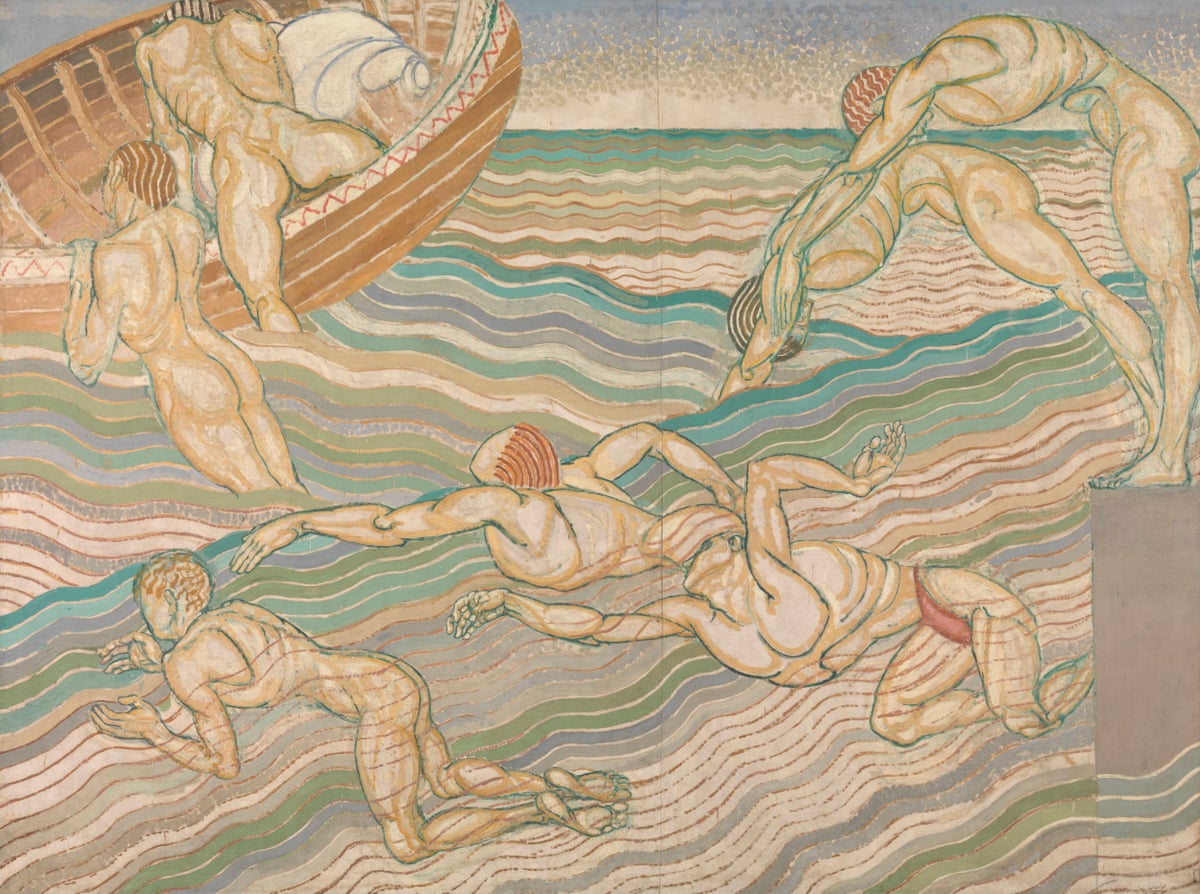
The exhibition's treatment of their engagement with modernism obscures rather than illuminates this disconnect. A section labeled "modernisms"—a puzzling plural when only one modernism defined the early twentieth century—presents their work as though it emerged from genuine artistic conviction rather than belated imitation. When Grant painted Head of Eve in 1913, a simplified totemic nude resembling a wooden carving, he was not pioneering abstraction but catching up with Picasso's African-inspired fetishes. Similarly, when Bell created her wanly cubistic Portrait of Molly MacCarthy, her debt to the Picasso hanging in her own home seems undeniable, yet the exhibition frames her work as independent innovation.
How do their artistic choices reveal their limitations?
Both artists display a consistent pattern of trying on avant-garde ideas before retreating to tradition. Grant's views of the South of France from the 1920s carry a veneer of modern styling but resemble the kind of holiday paintings a Victorian artist such as Lord Leighton might have produced. The pair appear detached and passionless, as though modernism were a fashionable costume to be worn and discarded rather than a genuine artistic commitment. This timidity reflects the broader cultural context: in Britain of their era, visual art barely registered as a serious intellectual pursuit, and despite their knowledge of French developments, Bell and Grant never fully embraced the radical possibilities available to them.
One striking example illustrates this missed opportunity. A caption accompanying Grant's male nude focuses so intently on erotic undertones that it neglects the painting's most genuinely fascinating detail: the model was George Mallory, the mountaineer who would vanish attempting to climb Everest in 1924 and whose frozen body would be rediscovered there in 1999. The Himalayan wilderness seems too wild for the sophisticated yet genteel world of Bloomsbury, yet so does Paris, conspicuously absent from an exhibition devoted to artists who spent their careers emulating French modernism.
What distinguishes their individual approaches?
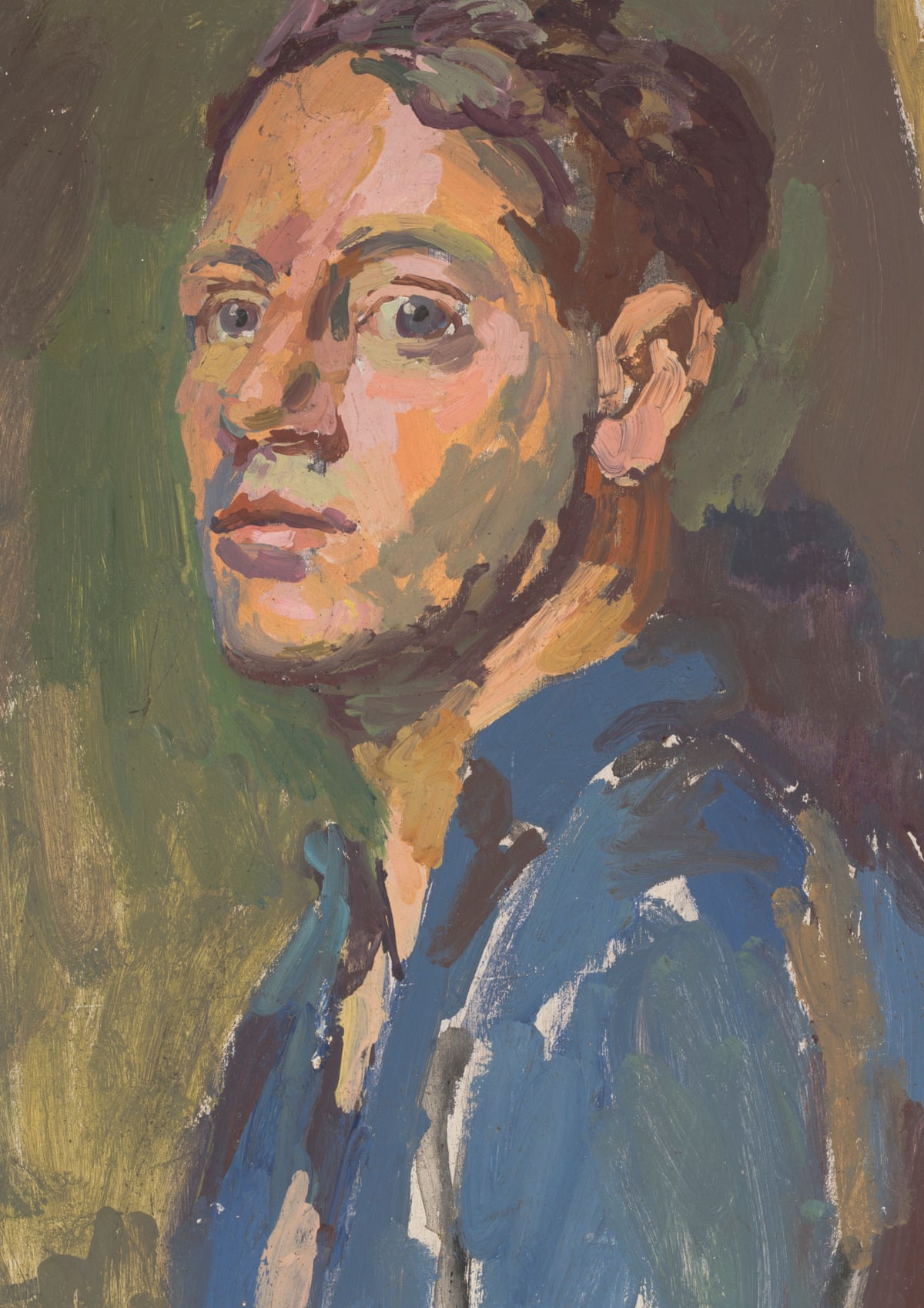
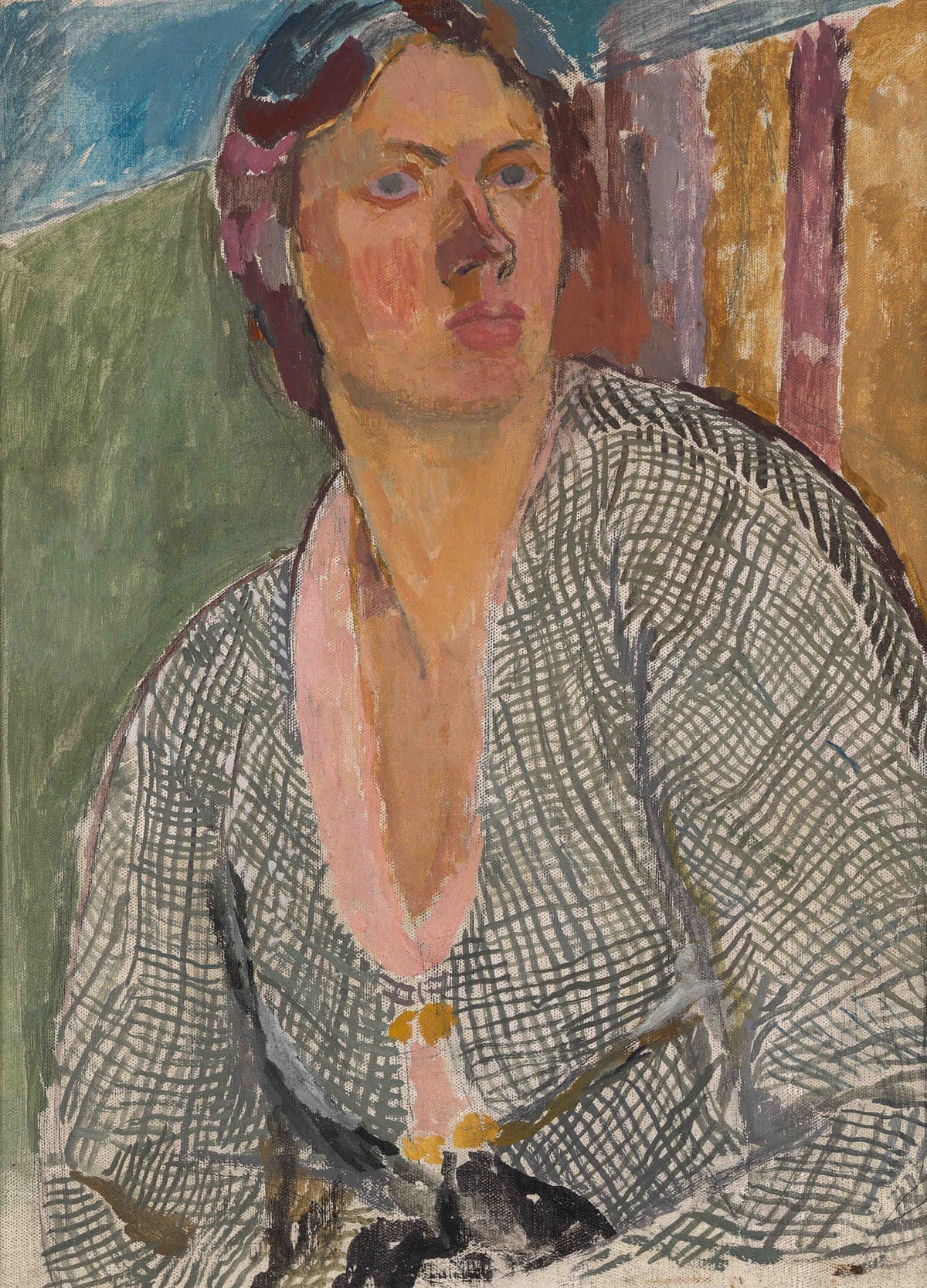
The decision to mount a joint exhibition reveals as much through its failures as through any intended insights. Vanessa and Duncan maintained a unique lifelong relationship despite his homosexuality and her marriage to Clive Bell, with whom she had children. Yet they do not influence or rival each other in ways that energize the show; instead, they cancel each other out. Grant's recurring impulse toward queer desire—evident in his openly erotic portrait of his lover David Garnett—distracts from Bell's quieter, more introspective observations, such as her melancholic painting of her sister Virginia Woolf. The exhibition's curatorial framework struggles to reconcile these divergent sensibilities into a coherent narrative.
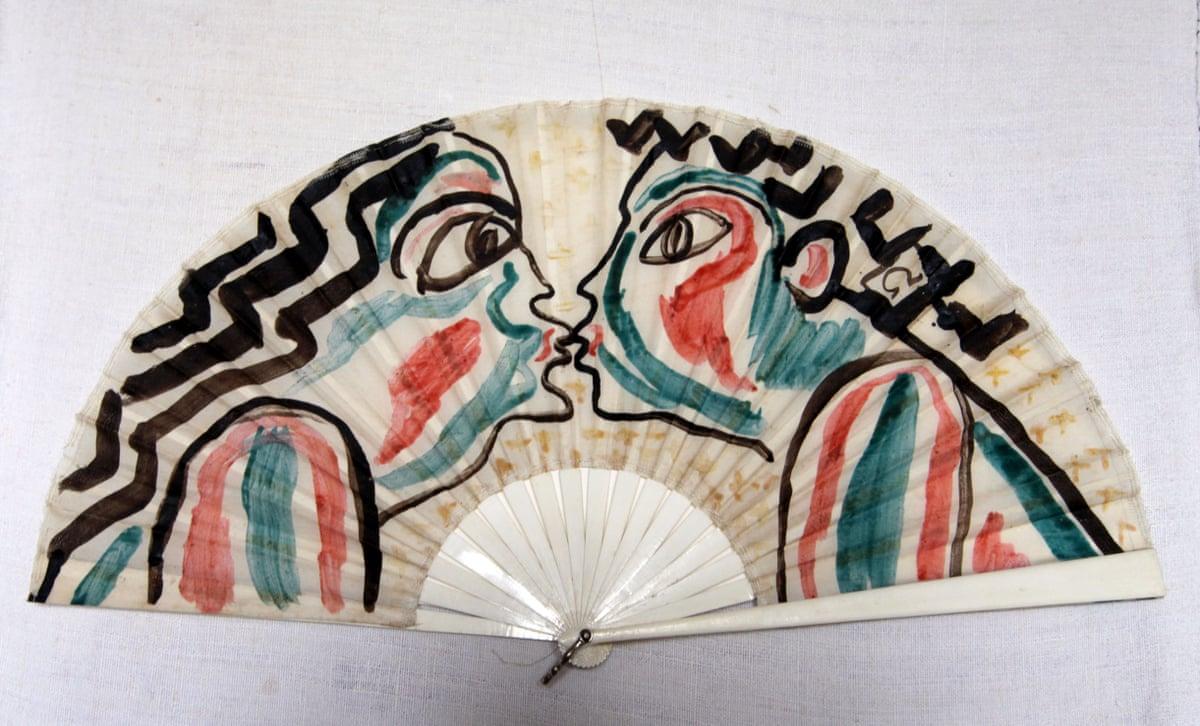
Tate describes the show as the first major exhibition to chart Bell and Grant's relationship and artistic trajectory, spanning from early post-impressionist and abstract work through to later self-portraits, landscapes and still lifes. The exhibition runs from 12 November 2026 to 11 April 2027 and includes more than 300 works, encompassing paintings, decorative works on furniture, ceramics and textiles. This breadth of material might have provided opportunities for deeper exploration, yet the exhibition remains fundamentally constrained by the modest artistic ambitions of its subjects.
Where does genuine artistic conviction emerge?
A small room near the exhibition's conclusion contains the only works in which either artist demonstrates real belief: Grant's erotic drawings. These pieces are totally uninhibited, explicit and beautiful—classical yet raw depictions of men engaged in sexual acts that function as a queer counterpart to Picasso's Vollard Suite. Here, for perhaps the only moment in the show, Grant has genuinely digested his influences into something creative and powerful. The contrast is jarring. These drawings possess an intensity and conviction entirely absent from the surrounding galleries, suggesting that Grant's true artistic voice emerged only when he abandoned the restraint and sophistication that defined Bloomsbury culture.
The exhibition ultimately documents the tragedy of two intelligent, well-connected artists who possessed access to the greatest modernist innovations of their age yet lacked the courage or conviction to fully embrace them. Their lives—their loves, their sexuality, their intellectual circles—remain far more interesting than what hangs on these walls. In the context of early twentieth-century European art, where revolutionary geniuses emerged from Edvard Munch to Egon Schiele to Umberto Boccioni, Britain's visual repression meant that the Bloomsbury Group seemed frighteningly sophisticated merely for having heard of modern art at all. Yet knowing about modernism and creating it are entirely different propositions, a distinction this exhibition cannot overcome.
What opportunities exist to engage further with the exhibition?
Tate has scheduled public exhibition talks for 27 November 2026 and 18 December 2026, offering visitors the chance to explore the show's themes in greater depth. A curator's talk with Thomas Kennedy is also scheduled for 28 November 2026. These sessions may provide context and interpretation that the exhibition itself struggles to articulate, though they cannot resolve the fundamental artistic limitations that define Bell and Grant's legacy.