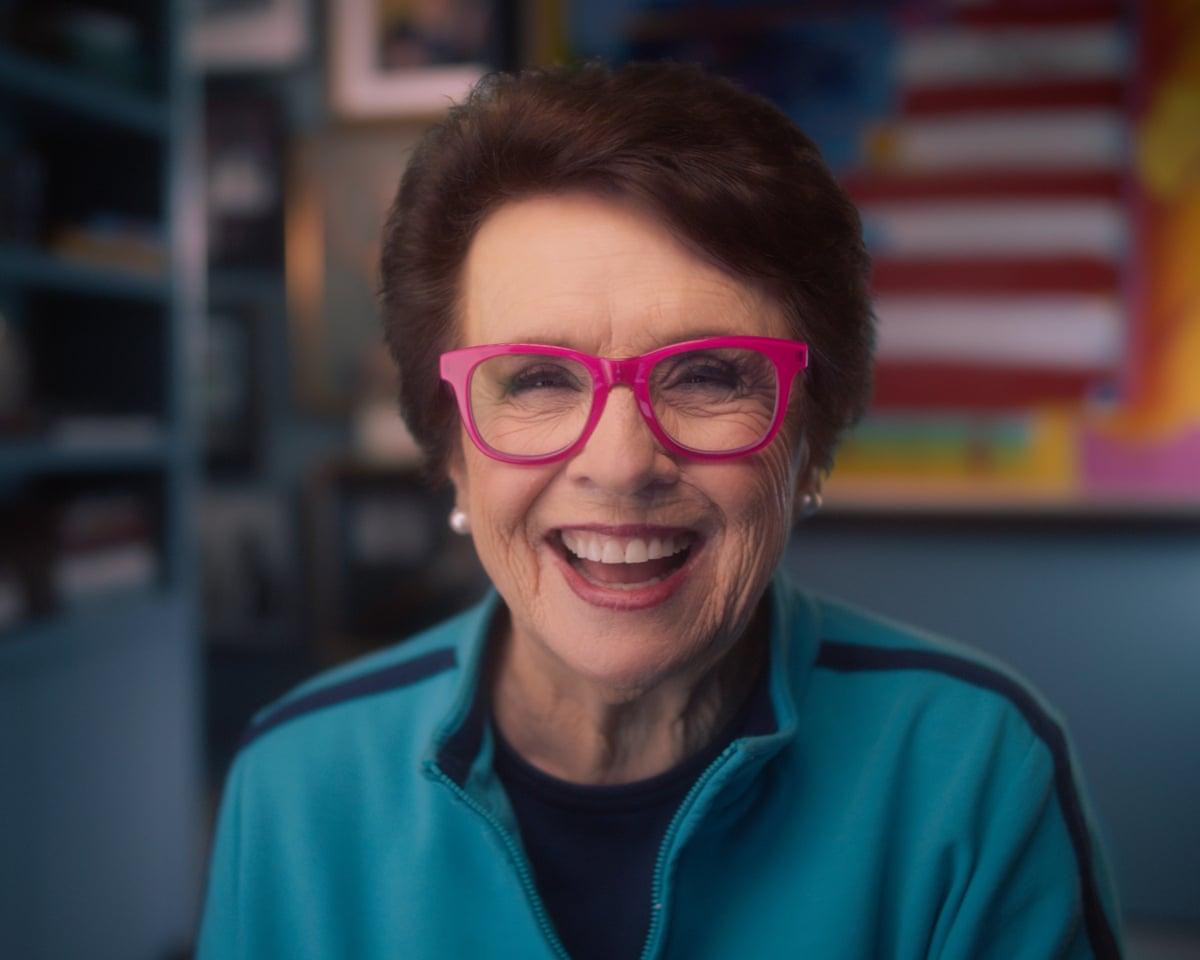
A vibrant and absorbing documentary portrait of Billie Jean King has arrived to chronicle her relentless campaign for women's tennis equality. According to The Guardian, the film presents King as a ferocious force who battled throughout her career to secure the respect and prize money the women's game deserved. Directed by Liz Garbus and Elizabeth Wolff, the 102-minute documentary features interviews with Serena Williams, Elton John, and Chris Evert, alongside King's own vivid recollections delivered in her trademark red glasses.
The film traces King's ascent from the 1960s onward, documenting her transformation into both a tennis champion and a vocal advocate for gender equity in sport. Her contributions extended far beyond the court: she helped establish the Women's Tennis Association, one of the most significant commercial revolutions in American sports history. Throughout this period, King juggled the demands of elite competition, sponsorship negotiations, and promotion work while navigating her personal identity as a gay woman married to Larry King, who appears in the documentary as a devoted and supportive presence.
The documentary does not shy away from the personal crises that shadowed King's achievements. In 1972, Larry King publicly disclosed his wife's abortion without her consent, forcing her to endure a disapproving media landscape. The following year brought the infamous 1973 "battle of the sexes" match against Bobby Riggs—a heavily publicized contest that exposed the depth of ingrained sexism in sports culture. The film captures a particularly disturbing moment when television commentator Howard Cosell placed his arm around Rosie Casals during an on-court interview, a gesture that underscores how normalized inappropriate behavior had become in sports broadcasting.
A further ordeal emerged in the 1980s when King's former partner Marilyn Barnett sued for "palimony," a legal action that forced King to publicly acknowledge her sexuality at a press conference attended by her husband and bewildered parents. Despite the film's comprehensive scope, one notable absence stands out: no prominent male tennis player, including the frequently interviewed John McEnroe, appears to testify to King's historical significance in reshaping the sport.
How does this documentary fit into recent tennis cinema?
The arrival of "Give Me the Ball!" follows a wave of acclaimed tennis documentaries exploring the sport's most transformative figures. Earlier this year, audiences encountered the Netflix documentary examining the decades-long friendship and rivalry between Chris Evert and Martina Navratilova, which highlighted their mutual support through personal challenges. King's story complements these narratives by focusing on the foundational work that made such careers possible—the structural and cultural battles that had to be won before subsequent generations could thrive.
The film's timing also resonates with broader conversations about women's sports and equality. Recently, discussions have emerged around Renée Richards, the trans tennis pioneer who challenged the sport's boundaries in 1977, illustrating how King's foundational work on inclusion continues to shape contemporary debates.
When and where can audiences see the film?
The documentary premiered at the 2026 Sundance Film Festival and has since screened at more than 30 festivals worldwide, accumulating multiple audience and jury awards. A DOC NYC screening is scheduled for November 13, 2026, at 6:45 p.m. at IFC Center. For broader audiences, ESPN announced that the film will premiere on ESPN, the ESPN App, and Disney+ in the United States on November 22 at 8:30 p.m. ET, with a global Disney+ premiere following on November 23.
Key Facts
- King was a dominant force in women's tennis from the 1960s onward and instrumental in launching the Women's Tennis Association, transforming the commercial landscape of the sport.
- The 1973 "battle of the sexes" match against Bobby Riggs became a cultural phenomenon that exposed widespread sexism in sports media and commentary.
- King's personal struggles—including the public disclosure of her abortion and her forced coming-out regarding her sexuality—occurred while she was at the height of her athletic career.
- The documentary features interviews with contemporary tennis legends and cultural figures, providing context for King's enduring influence on the sport.
- The film has earned recognition at major festivals and will reach global audiences through ESPN and Disney+ in late November 2026.