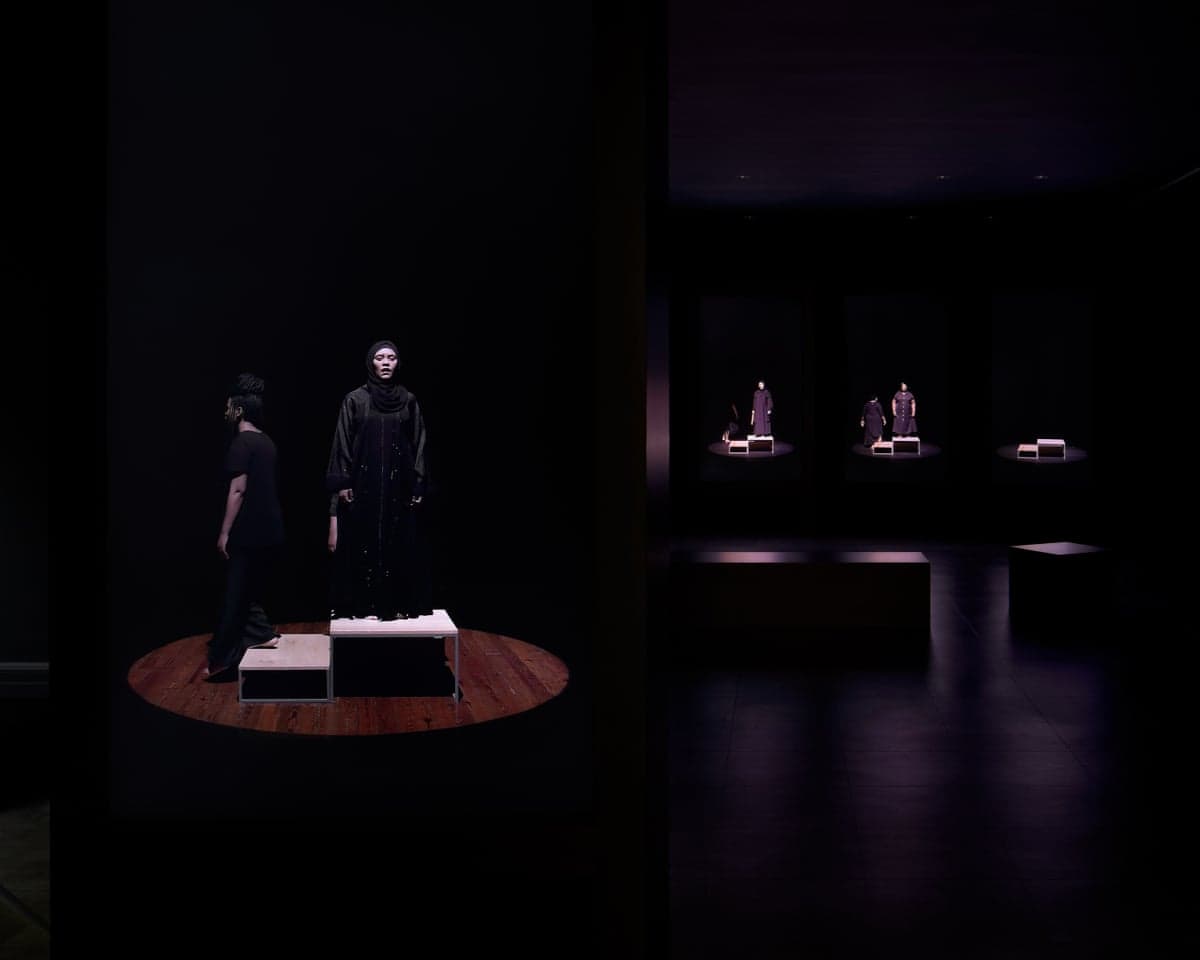
A single, unbroken wailing note reverberates through the basement of Ibraaz, a contemporary arts venue in London's Fitzrovia district. The sound belongs to Gabrielle Goliath's profoundly moving work Elegy, in which multiple women take turns sustaining a lone note until their voices give way, at which point another performer immediately continues the sound. This relay of human endurance creates a haunting, visceral memorial to murder, injustice and genocide—a work that was deemed too controversial for the Venice Biennale but has found its platform in this darkened London space.
Goliath spent a decade developing this project, gathering voices and testimonies. A panel of five prominent South African cultural figures selected her work to represent their nation at the 2026 Venice Biennale. The installation originally focused on femicide and the murder of LGBTQ+ individuals in South Africa, but evolved to encompass broader themes of violence and loss, including references to a Palestinian poet who died in 2023. This expansion proved unacceptable to Gayton McKenzie, South Africa's minister of sport, arts and culture and president of the far-right Patriotic Alliance party, who has publicly backed Israel in recent years.
McKenzie objected to the work as "highly divisive" and demanded removal of the passage commemorating the Palestinian poet. When Goliath refused to edit the piece, McKenzie cancelled South Africa's entire Venice pavilion presentation. Goliath pursued legal recourse, but the court dismissed her challenge in February 2026, with the judge providing no written explanation for the decision. The empty South African pavilion became a stark visual symbol of censorship and the global reach of cultural conflict.
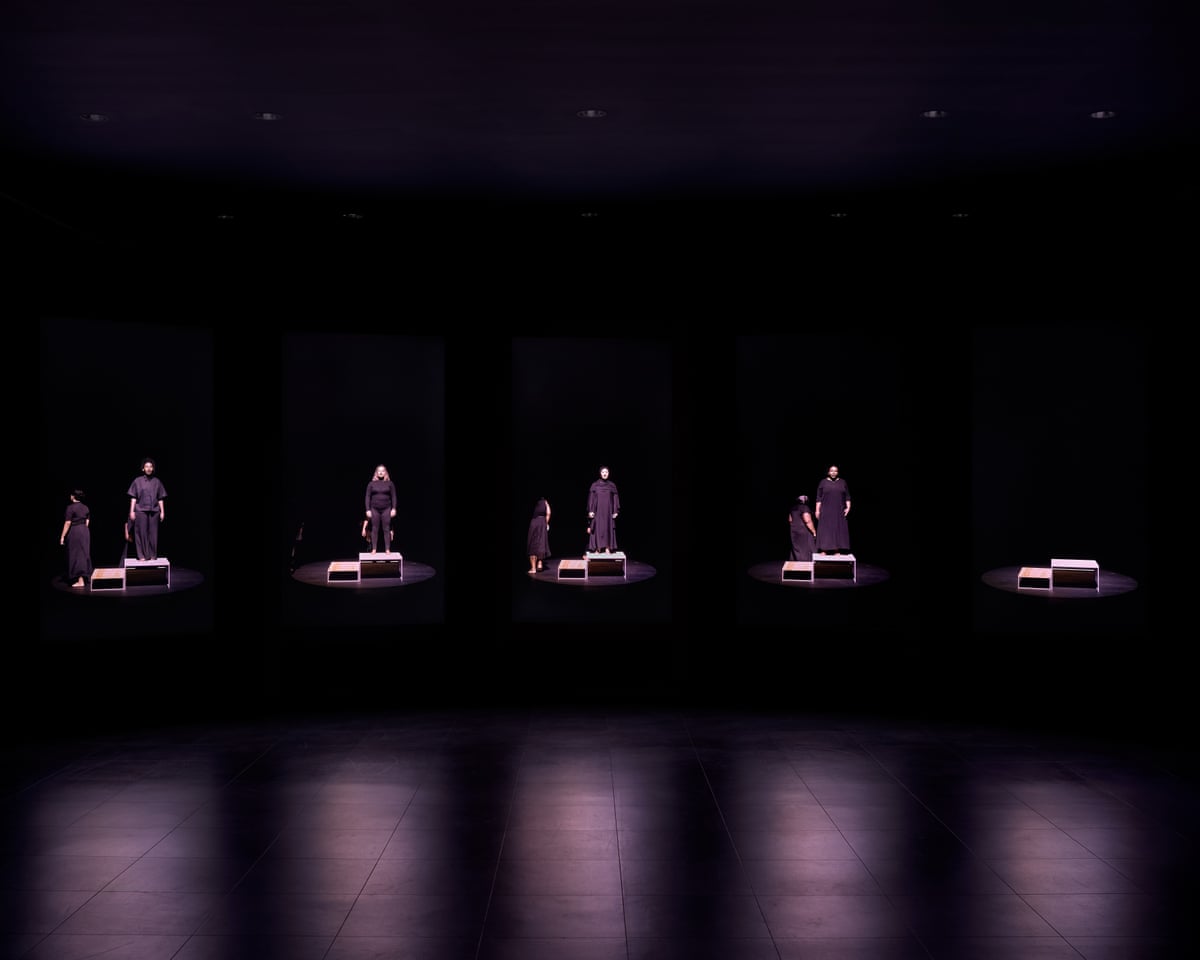
Rather than abandon the project, Goliath secured an alternative venue: Chiesa di Sant'Antonin in Venice, where the work was displayed from May through July 2026. The installation now occupies Ibraaz, where it creates an entirely immersive environment. The space is pitch black except for illuminated screens, intensifying the emotional impact of the three films. One commemorates Ipeleng Christine Moholane, a woman strangled and abandoned in a field near Johannesburg in 2015. Another honours two women killed during the German colonial genocide in Namibia between 1904 and 1908. The third memorialises the Palestinian poet and thousands of Palestinians killed in Gaza since 2023.
How does the work function as art?
This is not a gentle, mournful composition. The room fills with a discordant, unsettling cacophony of clashing vibrato and deliberately imperfect intonation. The sound conveys anger, viciousness and fury because those emotions are central to the work's purpose. The installation spans eight funerary monoliths and draws on encounters across Johannesburg, Cape Town, São Paulo, Paris and Amsterdam, creating a geographically expansive meditation on violence. Rather than functioning as mere commemoration, Elegy operates as a call to action, a demand for justice and systemic change.
What distinguishes this work from conventional memorial art is Goliath's deliberate removal of visual imagery. In contemporary life, shocking photographs and footage of death and atrocity saturate social media and news outlets, creating a numbing effect through constant exposure. By stripping away all visual representation and leaving only the raw emotional and sonic dimension, Goliath forces viewers to confront anger and heartbreak without the distancing buffer of images. The dominant sensation is not sadness but frustration and a sense of helplessness—a more unsettling emotional terrain than conventional mourning.
What is the work's broader significance?
The piece functions as an act of resistance against what theorists term the "image economy"—the commodification and circulation of suffering through visual media. It simultaneously resists murder, femicide, violence and genocide themselves. Positioned as a feminist lament and a scream against systemic brutality, Elegy captures something essential about contemporary existence: our entanglement with multiple, overlapping crises and our struggle to respond meaningfully to them. The sound lingers in listeners' ears long after departure, a persistent reminder of unresolved injustice.
The work's journey from censorship to independent exhibition has itself become part of its meaning. The cancelled Venice pavilion and subsequent court dismissal underscore how artistic expression remains contested terrain, particularly when addressing geopolitical violence and state power. In September 2026, Goliath and the Campaign for Free Expression were granted leave to appeal the February court ruling, suggesting the legal battle continues to unfold.
What happens next?
Elegy will remain on view at Ibraaz from 8 October 2026 through 17 January 2027. Following its London run, the exhibition is scheduled to travel to ICA Milano and Sharjah Biennial 17 in January 2027, extending its reach beyond the constraints initially imposed by national cultural authorities.