

Composing music for children's television might seem like a niche pursuit, but the writers behind some of the medium's most enduring theme tunes describe an unlikely mix of financial windfalls, global fame and, in some cases, the accidental creation of tunes that drive parents to distraction. Six composers spanning generations and continents have shared how they built melodies that outlasted the shows they were written for, revealing the mechanics behind hits from Bluey to Byker Grove.
Joff Bush, who composes the theme and much of the soundtrack for the Australian animation Bluey, summed up the peculiar demands of the job succinctly.
The key lesson is that if you're going to write a theme tune, make sure you really like it because you're going to hear it a helluva lot!
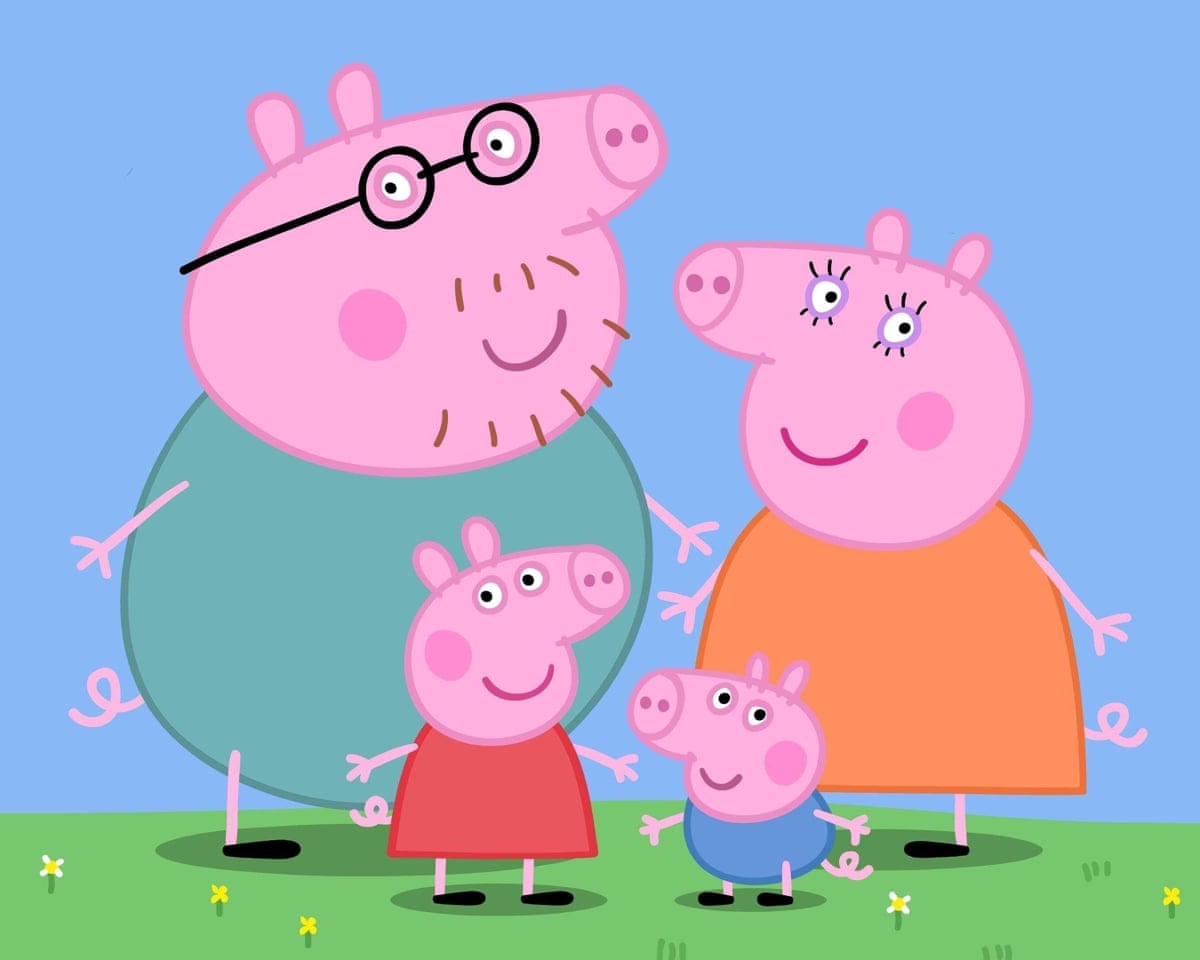
How did Peppa Pig end up with a two-decade-old demo as its theme?
Composer Julian Nott, who has scored Peppa Pig alongside Wallace & Gromit, Bing and Ben & Holly's Little Kingdom, traces his involvement back to his time at the National Film and Television School's animation department, where he became friends with Nick Park and Mark Baker — the pair behind Wallace & Gromit and Peppa Pig respectively.
Nott explained that his work on Peppa began almost by accident, as a favour on the pilot episode that he did without payment. Remarkably, the demo recording he produced back then was never replaced with a polished studio version — the same take was used for two decades until it was finally updated last year. At just 10 seconds long, the tune had to do a lot of work in very little time.
Peppa was just another job that came along. I worked on the pilot episode for free as a favour. It wasn't just the same theme tune as today, it was the same recording. We finally updated it last year but for two decades they used the demo version. It's only 10 seconds long which is shorter than most title sequences. It was a challenge to write a short, sharp, catchy tune. It had to be fast and fun with a memorable melody. The gaps in it were exploited by Mark, who inserted oinking sound effects.
Nott, trained in classical composition, noted the irony of the tune's harmonic simplicity, and revealed that budget constraints shaped its now-iconic sound.
We classical musicians tend to laugh at pop writers for only knowing three chords but Peppa has two, which is probably a musical outrage. There was zero budget, so it's all played on synthesisers and samplers. The instrumentation which became associated with Peppa – marimbas, timpani, glockenspiel, vibraphone – were only chosen because they were the most convincing samples you could get back then.
The global reach of the show means Nott regularly hears his own composition in unexpected places, though he has never revealed his identity to unsuspecting children.
Peppa took over the world, so I hear my music all the time. I'm often in a cafe or airport and a child will be playing it on their iPad. I'm tempted to lean over and say: 'I wrote that!' but never have. There was a time when I couldn't get on a train without hearing it. It's a strange feeling. Kids watch their favourite shows on repeat, so it can drive parents mad. Toddlers work out how to switch on Peppa Pig and their parents get woken up at 6am by the theme music. It might be one of the most unpopular tunes ever written! But I'm very lucky that it's given me financial security. Peppa Pig was like winning the lottery. It's enabled me to sustain a career. It's all upside and it's marvellous.
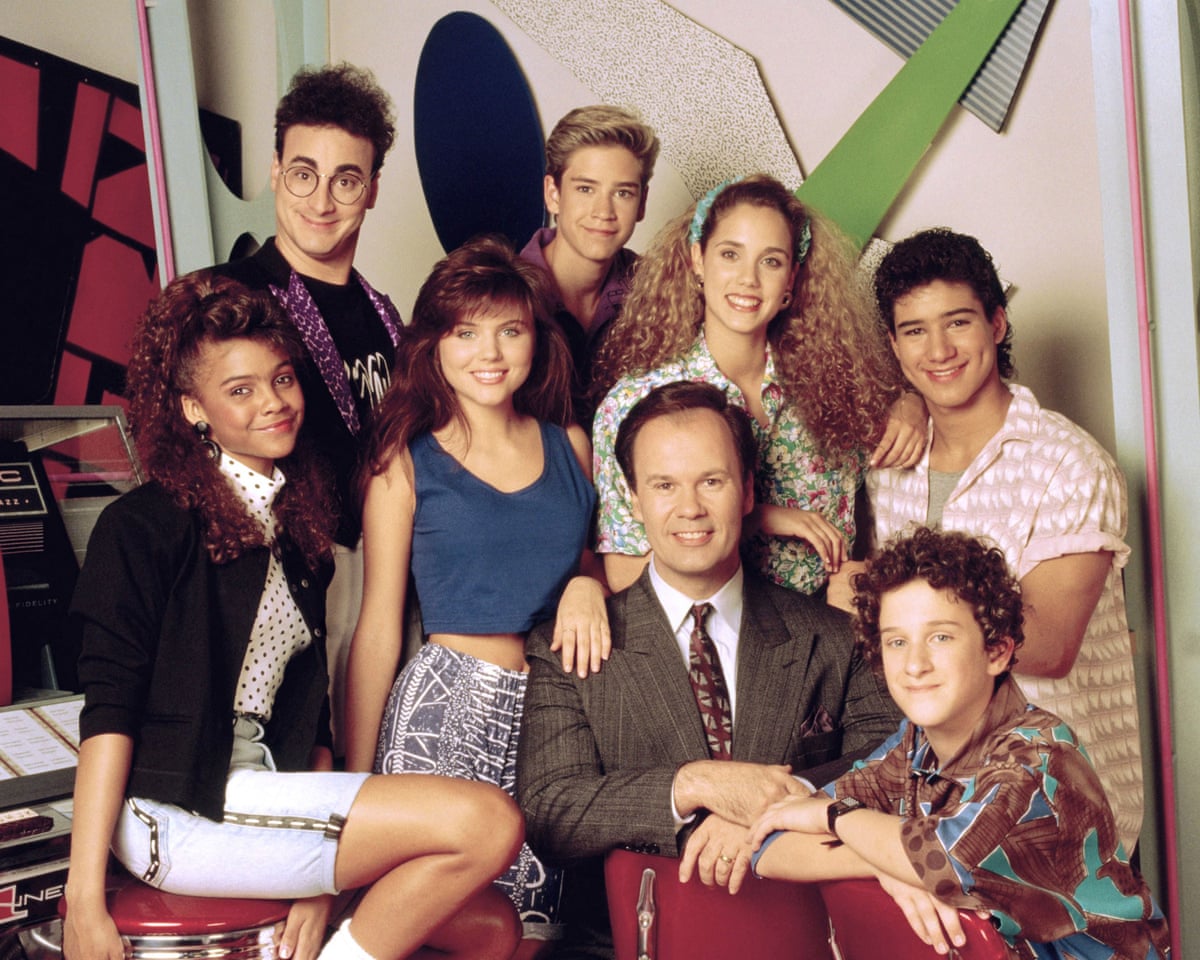
What led to the Saved By the Bell theme being written in one sitting?
Composer Scott Gale, responsible for the theme song to NBC's 1990s teen sitcom Saved By the Bell, described a chaotic personal backdrop to the tune's creation. He had been serving as music coordinator on another production when the show's producer asked him to audition for the theme.
I was music coordinator on . One Friday, the producer of this new teen comedy called and asked me to try out for the theme tune. My wife had left me that morning but I put down the phone, picked up my guitar and, bingo, it just poured out of me. It was the luckiest two minutes of my life. We recorded it over the weekend at my partner Rich Eames's home studio.
Gale's version stood out from rival submissions for an unintentional reason: he was unaware that other composers had been told to avoid using the show's title in their lyrics, since executives were unsure the name "Saved By the Bell" would stick.
On Monday morning, we handed in our cassette. Little did I know that executive producer Peter Engel had told all the other prospective composers not to include "saved by the bell" in the lyrics because he wasn't sure the name would stick. But I never got that message, so the title appeared five times in mine. Peter later admitted he was glad I didn't get his instructions.
The show went on to become a defining live-action Saturday morning series, running far longer than Gale initially expected and incorporating original music throughout its run.
Saved By the Bell was the first live-action Saturday morning kids' show. Everything else was cartoons. I thought it'd be lucky to last seven episodes but it ran for four seasons. And the show, thank goodness, was heavy on music. We wrote it all. If there was a jukebox playing, we'd write the songs. The characters formed a rock group. We wrote what they played. There was something new every week.
Gale still receives royalties from international broadcasts nearly four decades on.
Saved By the Bell was very good to me. I still get royalties from Spain, South Africa, everywhere. Those gigs are hard to get but it's the gift that keeps on giving. I never tire of hearing it. I'll chance across it while channel surfing and it whisks me back to those wild times. Nearly four decades later, I still get to talk about it. It's nothing but wonderful.
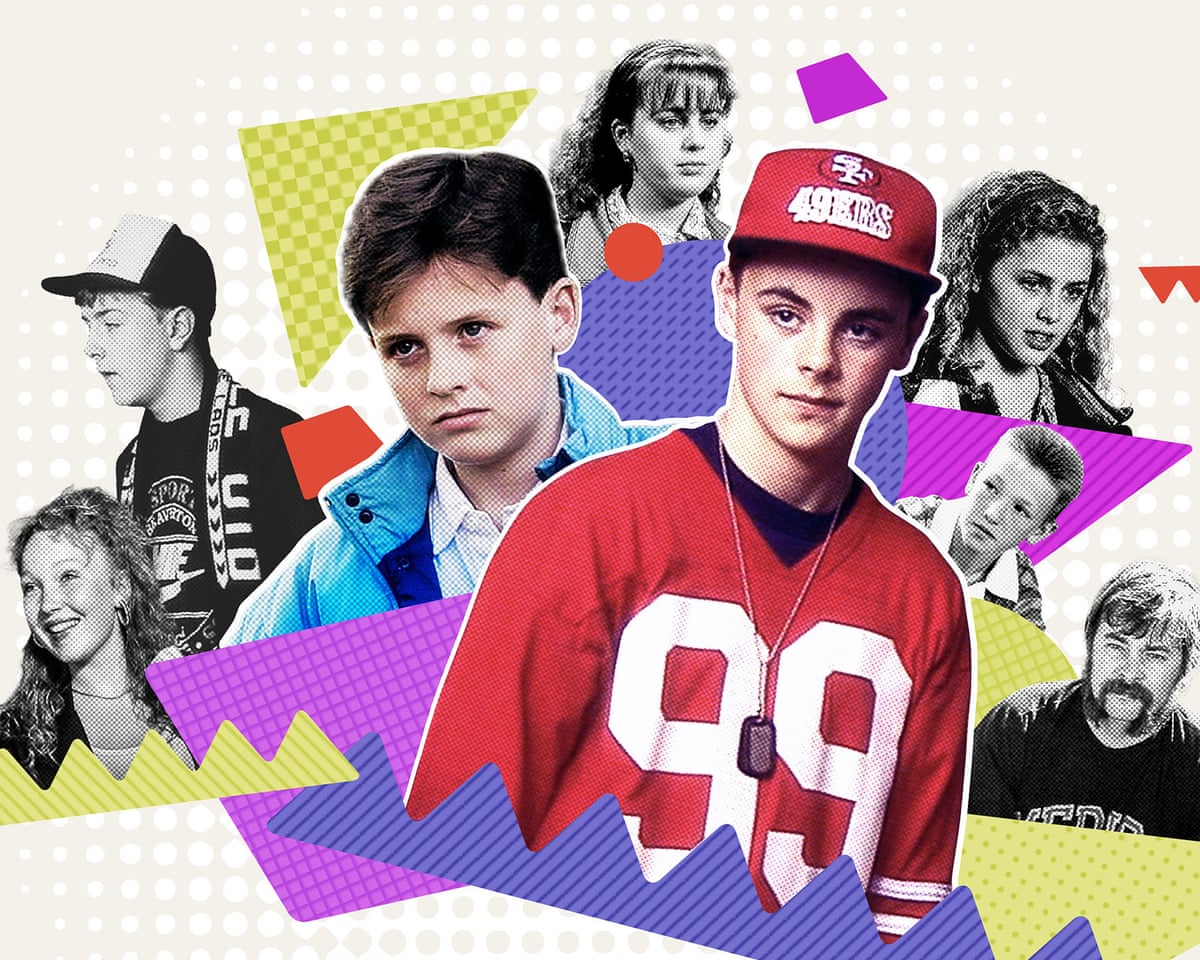
How did a pop trio's song become the Byker Grove theme?
Martin Brammer, frontman of pop trio the Kane Gang, explained that the Byker Grove theme grew out of a track the band had already reworked once before for a Radio 1 jingle. When producers of the Geordie teen drama came calling, the band saw an opportunity to repurpose the material a third time.
We'd already reworked our song Small Town Creed to be the jingle for Radio 1 DJ Gary Davies's show. The makers of this local teen drama – a sort of Geordie version of Grange Hill – asked if the Kane Gang fancied doing the theme tune. Either out of expedience or laziness, we thought: "Hang on! Maybe we can get a third version out of it."
Fitting a compelling arrangement into 45 seconds proved demanding, and the finished piece took on a playful, funk-inflected character, complete with cast chants and an ad-libbed laugh that became one of its most memorable elements.
It's a challenge to create something impactful in 45 seconds. It became this tongue-in-cheek funk workout, a bit edgier than the average kids' TV tune. A dozen of the cast came down to do the "Ooh, Byker Grove!" chants. That little laugh at the end was from Lyndyann Barrass, who played Spuggie. We liked it and left it in. People tend to remember that laugh. A few years ago, I got a request from another artist – Professor Green or someone – to sample it.
With the series running for 18 series, Brammer said the ongoing royalties have proved a useful supplement to his income, and the show's success opened doors to further collaborations, including with the future presenting duo Ant and Dec while they were still transitioning away from their PJ & Duncan pop act.
The show ran for 18 series, so royalties make a handy annual bonus. It's not a life-changing amount of money but it's hard making a living in music nowadays, so sidelines that tick over are invaluable. Midway through the run, we redid it slightly. Put a funky drummer sample on it to make it more contemporary. Byker Grove led to all sorts of connections. I did some work with Donna Air's pop duo Crush and songwriting sessions with as they were moving away from being PJ & Duncan. Lovely lads.
With a reboot of the series reportedly in development, Brammer hopes the original theme will survive the revival intact.

I've written hundreds of proper songs but the Byker Grove tune always gets a reaction. I write with Olly Murs now and he flipped when he found out. Now there's a reboot in development. It would be madness to change the theme tune, right? Fingers crossed we get the call from Ant and Dec.
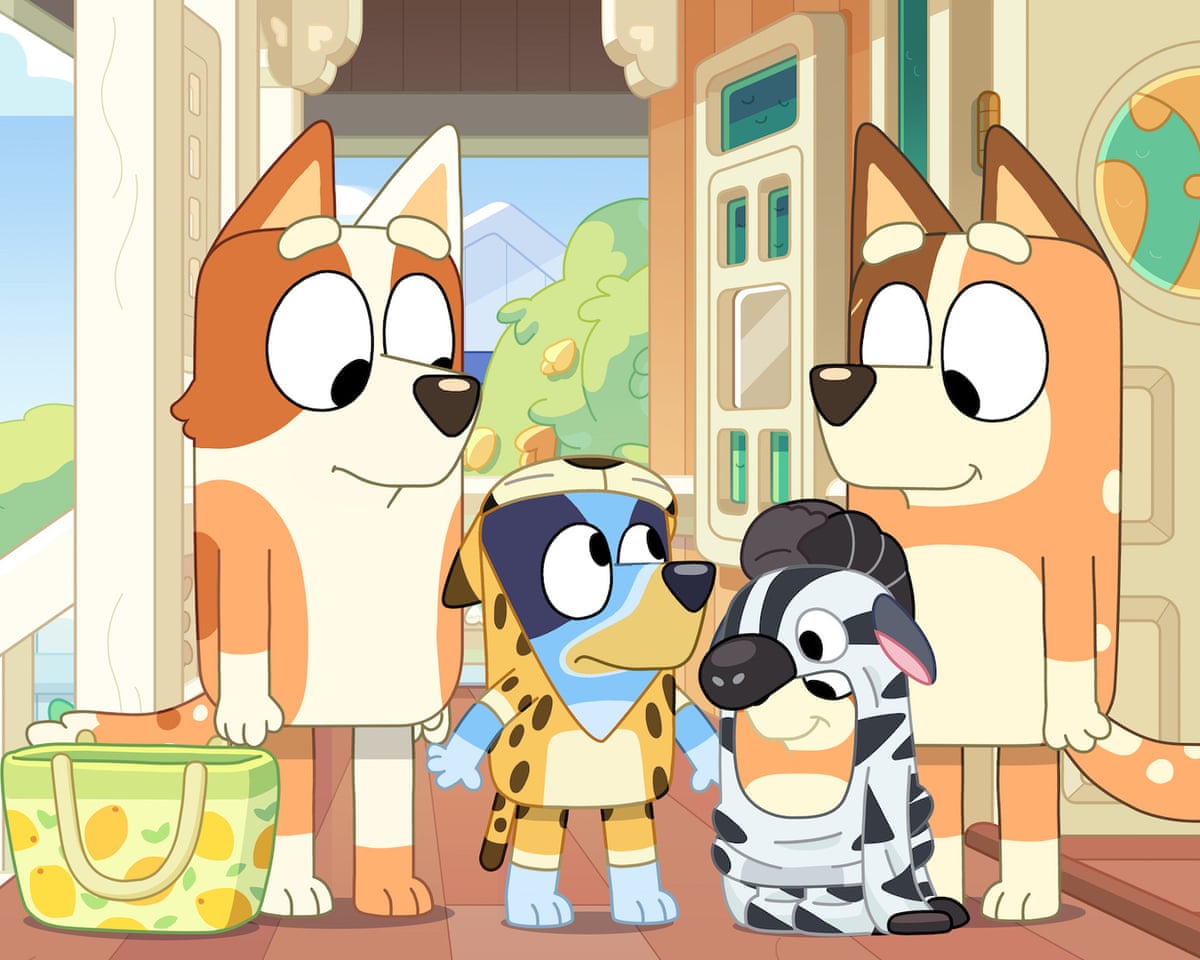
What makes the Bluey theme resonate so widely with families?
Joff Bush's connection to Bluey began through a personal friendship with executive producer Daley Pearson, who invited him to Brisbane to work on what was then a modest project aimed at young children. Bush said he was doubtful about his suitability at first but was won over after meeting creator Joe Brumm and watching early pilot episodes.
I met Daley Pearson [Bluey's executive producer] when we were students. In 2017, he said: "Would you be interested in coming up to Brisbane for this side project we've got? It's called Bluey, for four to six-year-olds." I was like: "I doubt I'm the right fit but I'll check it out." I'll be forever grateful that I did. I met [Bluey's creator] Joe Brumm and we clicked. I watched the rough pilot episodes and just fell in love. I had do it.
Bush described having a clear sense of the show's sonic identity from the outset, and credited the strength of Brumm's storytelling for making the composing process easier. He also revealed that, contrary to his suggestion of reusing a music library across episodes, Brumm insisted on entirely new compositions for every instalment.
I knew exactly what the show's sound should be. A bit hand-made with an almost chamber ensemble sound. It's hard to describe but I could hear the chord progression in my head. When the writing's that good, it's relatively easy to score. Joe Brumm makes my music look better. I suggested building a library of music which we could reuse but Joe wanted something new for every episode. I was like: "That's a lot of work!" But it became one of the beauties of Bluey.
The theme tune itself went through numerous drafts before Bush landed on the final version, and he noted the amusing disconnect between adult admiration for his work and children's disappointment that he isn't the show's canine protagonist.
They were going to license a track for the theme tune but I said: "Can I have a go at it?" And then I had 10 goes at it! Version eight unlocked it. Now it's hard to imagine without the theme song. It probably sounds simpler than it is. There are little details in it that only I notice. Parents tend to be more impressed than children. If I tell a kid that I write the music for the show, they'll ask: "Are you Bluey?" "No." "Oh, OK." They're disappointed that I'm a 41-year-old man, not a six-year-old girl. That keeps your ego in check.
Bush said the success of Bluey, including chart-topping soundtrack albums, has given him creative freedom to pursue unconventional projects, and fatherhood has since given him a fresh, personal appreciation of the show's emotional impact.
I'm fortunate that my work's more famous than me. Bluey's been great for opening up career opportunities and pretty lucrative. The albums have topped the charts. It's enabled me to work on strange projects that I want to do, rather than taking adverts to pay the rent. I'm just starting on a ballet.
I recently became a father and suddenly understood why dads find Bluey so emotional. I messaged Joe saying: "I get it now!" My daughter's two and last week, she came back from daycare going: "Doo doo doo doo, Bluey and Bingo!" I was like: "Do you like that song?" She said: "It's pretty good." We rerecorded it last year and I got some cute photos of her conducting the orchestra. I'll surprise her with them someday. Then again, I was singing Wagon Ride to her to help her go to sleep. She woke up, put her hand over my mouth and went: "Different music." She's my harshest critic.
Children's music has proven capable of connecting deeply with families in other contexts too. According to an earlier feature on Ash frontman Tim Wheeler, he was surprised to find himself performing his 2001 track "Shining Light" alongside the CBeebies puppet Dodge T. Dog, with the song's uplifting message finding a fresh audience and unexpected new uses years after its release.
How did DuckTales' theme become a global earworm?
Songwriter Mark Mueller landed the DuckTales commission on the back of his first top 10 single, securing a meeting with Disney executives who instructed him to write something with the energy of a radio hit rather than a typical cartoon jingle, packed with visual, action-driven lyrics.
I'd just had my first top 10 single, having written . That's how I got the meeting at Disney for DuckTales. The execs told me: "Write a radio song, not a cartoon song," with lots of action in the lyrics they could animate to. That's why I came up with "race cars, lasers, aeroplanes ... it's a duck blur". I jammed as many moving images as possible into 60 seconds.
The song came together remarkably fast, written in less than an hour on a second-hand synthesiser, and was approved rapidly once played for Disney's leadership.
After the meeting, I drove back to my tiny apartment and wrote the song in 45 minutes on a second-hand Roland synthesiser. I was in a groove and it spilled out of me. I took the demo back to Disney and played it to them in person. They sent it all the way up to the head of the studio, who loved it. My head was spinning. Seldom does anything happen that quickly in Hollywood.
Mueller built the track around deliberately catchy hooks, a strategy that earned the song recognition from Vanity Fair, though his initial payment was modest compared with the royalties that followed.
There are so many hooks in DuckTales. Everything from the intro bass lick to the "d-d-dangers" were meant to worm into your brain. The "woo-hoos" fitted perfectly into three empty beats. Vanity Fair called it "history's catchiest single minute of music". To me, catchy isn't a dirty word. It's what I strive for. My initial fee was $1,250, which definitely wasn't Scrooge McDuck money. It barely paid for a month's rent but thankfully, the royalties were good and they keep coming in.
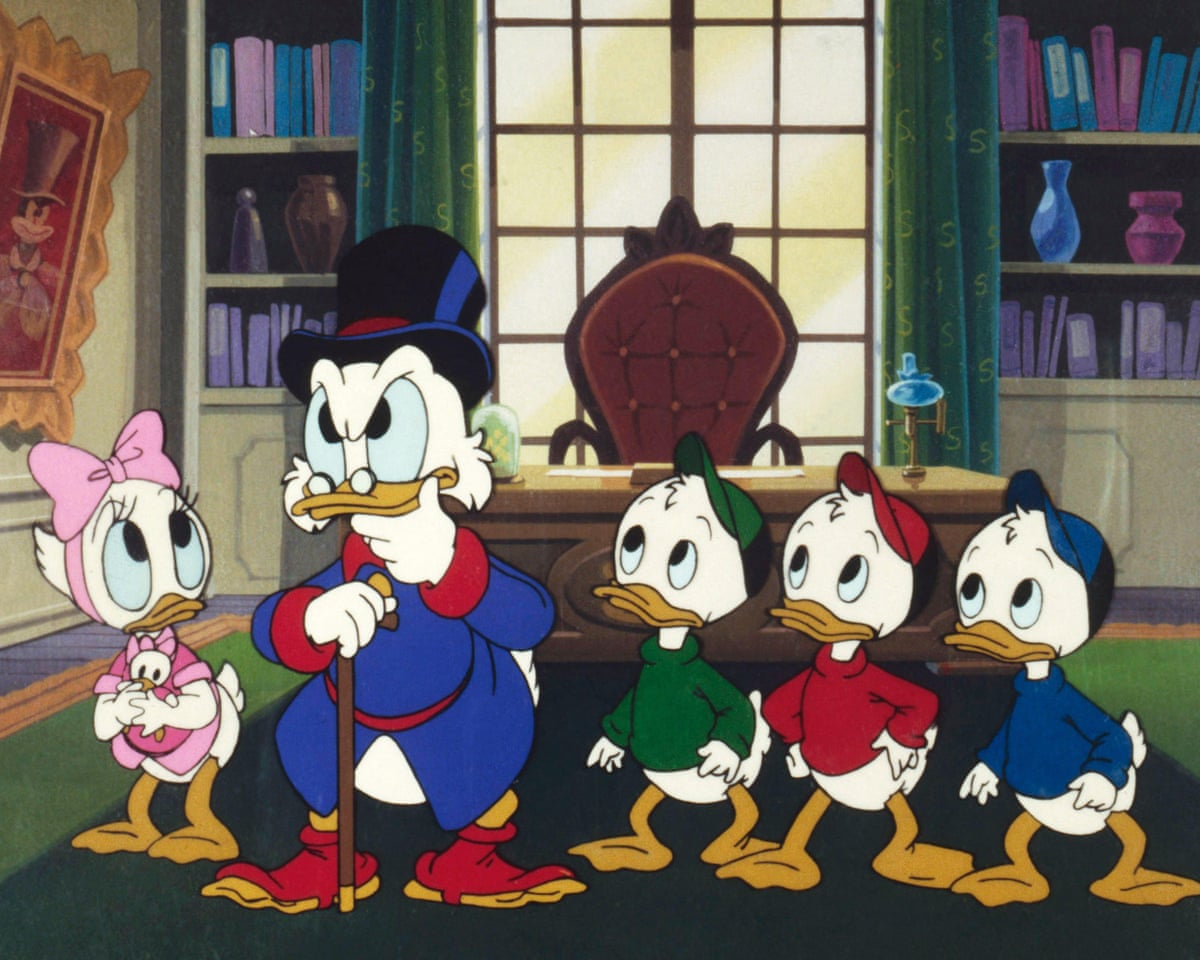
Beyond its commercial success, Mueller recounted a deeply personal letter he received from the parent of an autistic child, describing how the song became an unexpected bridge for family communication.
After the show aired, I received a letter from the mother of an autistic child. She told me that she and her husband had never been able to communicate with their young son until he heard the DuckTales song. They would sing it to each other and it was the first time they truly connected. That touched me.
Mueller has since encountered the tune in unexpected corners of the world, underscoring its lasting international reach.
Its global reach is heady stuff. I went to South Korea and my rather somber tour guide had it as his ringtone. A few months ago in Portugal, a strait-laced female banker launched into it. I heard it from tinny speakers on a rickshaw in London. The impact that this minute-long song had on my life is immeasurable. The experience has been a perfect whirlwind – or should I say "duck blur"?
How did Danger Mouse's theme find its cinematic swagger?
Writer, comedian and musician Mike Harding came to Danger Mouse through his standup comedy, which caught the attention of Manchester's Cosgrove Hall Films. After contributing music to other projects for the studio, he was brought in to help fix a mouse superhero character that wasn't working as intended.
Manchester studio Cosgrove Hall Films were fans of my standup, so they asked if I had any ideas for animations. We made a pilot about a busking frog called Far-Out Fred and I did the music for The Reluctant Dragon. Then they said they'd got this mouse super-agent but it wasn't quite working. I took a look and said: "You're trying to make him a James Bond character, too rooted in the real world. You realise this is a mouse living in a pillar box? He can do whatever we like."
Harding went on to write scripts for the show, basing the villain Baron Greenback on a real acquaintance, and modelled the theme music on the spy film scores of the 1960s.
I went away and wrote some scripts. I based arch enemy Baron Greenback on this real-life nemesis of mine called Alan Greenbank and made him an evil toad. When it came to the theme music, I studied 60s spy films and wrote a pastiche. Sort of Bond meets Dick Tracy. We dragged in local session musicians and put it together.
The show became a beloved classic thanks in part to its voice cast, and Harding recalled a memorable moment when he stepped in for the poet Seamus Heaney at an Irish school arts festival.


