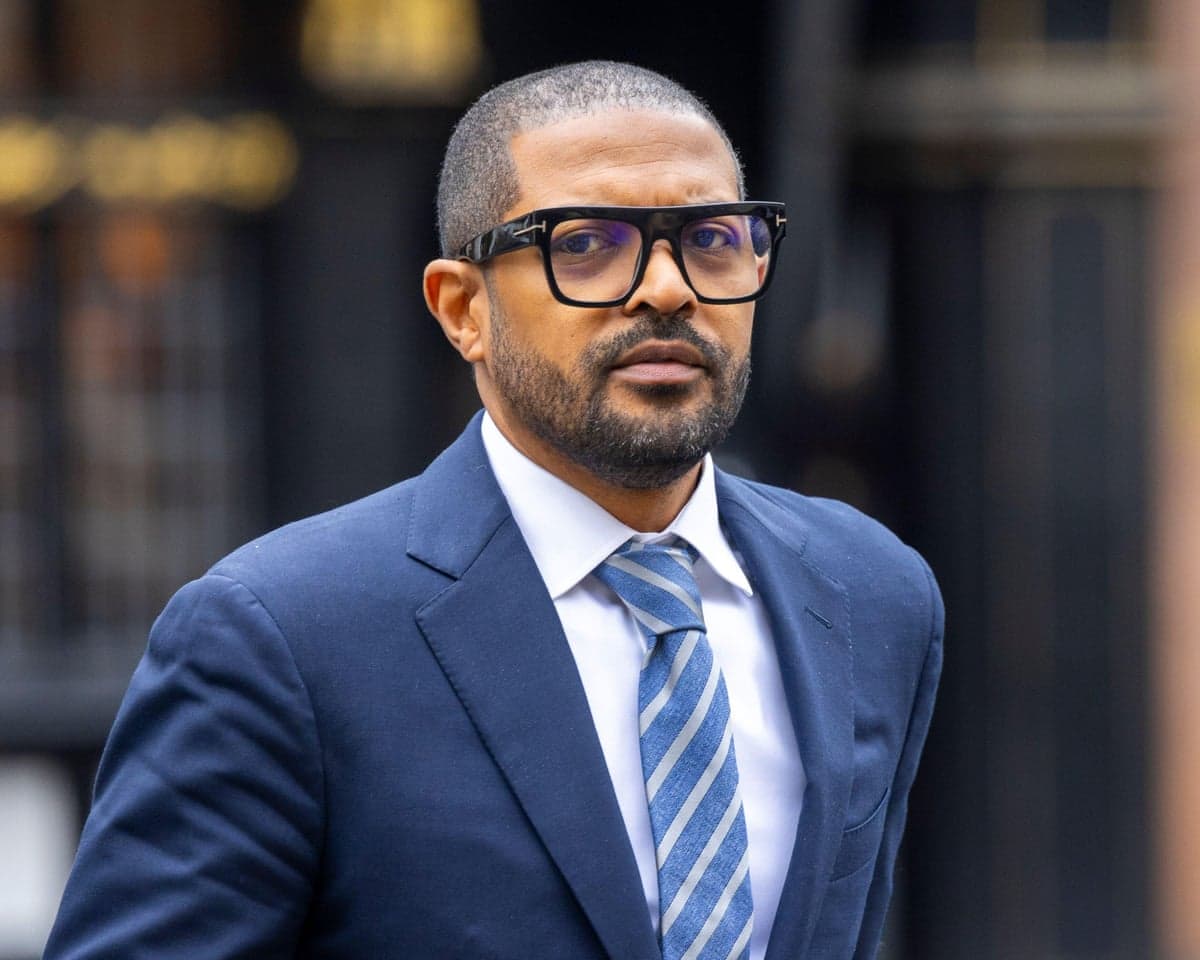
Noel Clarke, a 50-year-old actor and filmmaker known for his role in Doctor Who, has been formally charged with six sexual offences following an investigation into allegations made by five women. The charges include two counts of sexual assault, three counts of voyeurism and one count of exposure, with the alleged misconduct occurring between 2007 and 2016.
The Crown Prosecution Service announced the charges on 9 September 2026, confirming that sufficient evidence exists to prosecute and that doing so serves the public interest. Clarke is scheduled to appear at Westminster Magistrates' Court on 21 October 2026 to face the charges.
How did this investigation begin?
The Metropolitan Police launched a formal criminal investigation in September 2025 after receiving reports of sexual misconduct. This followed an earlier period during which the force arrested Clarke in February 2026 in connection with allegations of attempted rape, indecent exposure and sexual assault by touching, while also questioning him about a separate voyeurism allegation from 2013.
The allegations against Clarke have a longer history. In 2021, BAFTA suspended Clarke after a national broadcaster published allegations from more than 20 women, which prompted wider scrutiny of his conduct. A third-party report about allegations against a male suspect was first received by police in April 2021, with additional women coming forward subsequently.
What was the legal context before these charges?
Clarke lost a libel case in August 2025 when the High Court ruled that sexual misconduct reporting against him was substantially true. That judgment came before the Crown Prosecution Service's decision to bring criminal charges.

What have prosecutors said about the case?
Bethan David, deputy chief crown prosecutor for London, stated:
The CPS has decided to prosecute Noel Clarke with two counts of sexual assault, three counts of voyeurism and one count of exposure. This follows allegations made by five women in connection to sexual misconduct that took place between 2007 and 2016. Our prosecutors have worked to establish that there is sufficient evidence to bring this case to court and that it is in the public interest to do so. We have worked closely with the Metropolitan police as they have carried out their investigation into the allegations.
David also issued a warning about the legal proceedings:
It is vital that there should be no reporting, commentary or sharing of information online which could in any way prejudice these proceedings.She reminded the public that Clarke has the right to a fair trial.
What support is being offered to complainants?
Detective Superintendent Mike Cagney of the Metropolitan Police said:
The women connected to these charges continue to receive support from specially trained officers. We urge anyone who has been a victim of sexual assault to contact police. The information you provide will be dealt with in the utmost sensitivity and we have trained investigators on hand to support you.
Who is Noel Clarke?
Clarke, 50, is best known for a recurring role in the science fiction series Doctor Who. He also wrote and starred in Kidulthood, a film that examined bullying, drug abuse and extreme violence among young people in London. His career in entertainment has spanned decades before these allegations emerged.
What happens next?
Clarke is due to appear at Westminster Magistrates' Court on 21 October 2026. The court appearance will mark the formal start of proceedings in the criminal justice system. No plea has been entered, and the case will proceed through the courts according to standard legal procedures.