A documentary about a legendary entertainer with boundless stage presence and an extraordinary life story should be unmissable. Yet this 50-minute portrait of Mr T manages to squander the opportunity, rushing through his narrative with such haste that it cannot even spell his name correctly throughout. Small wonder the subject himself has publicly distanced himself from the finished product.
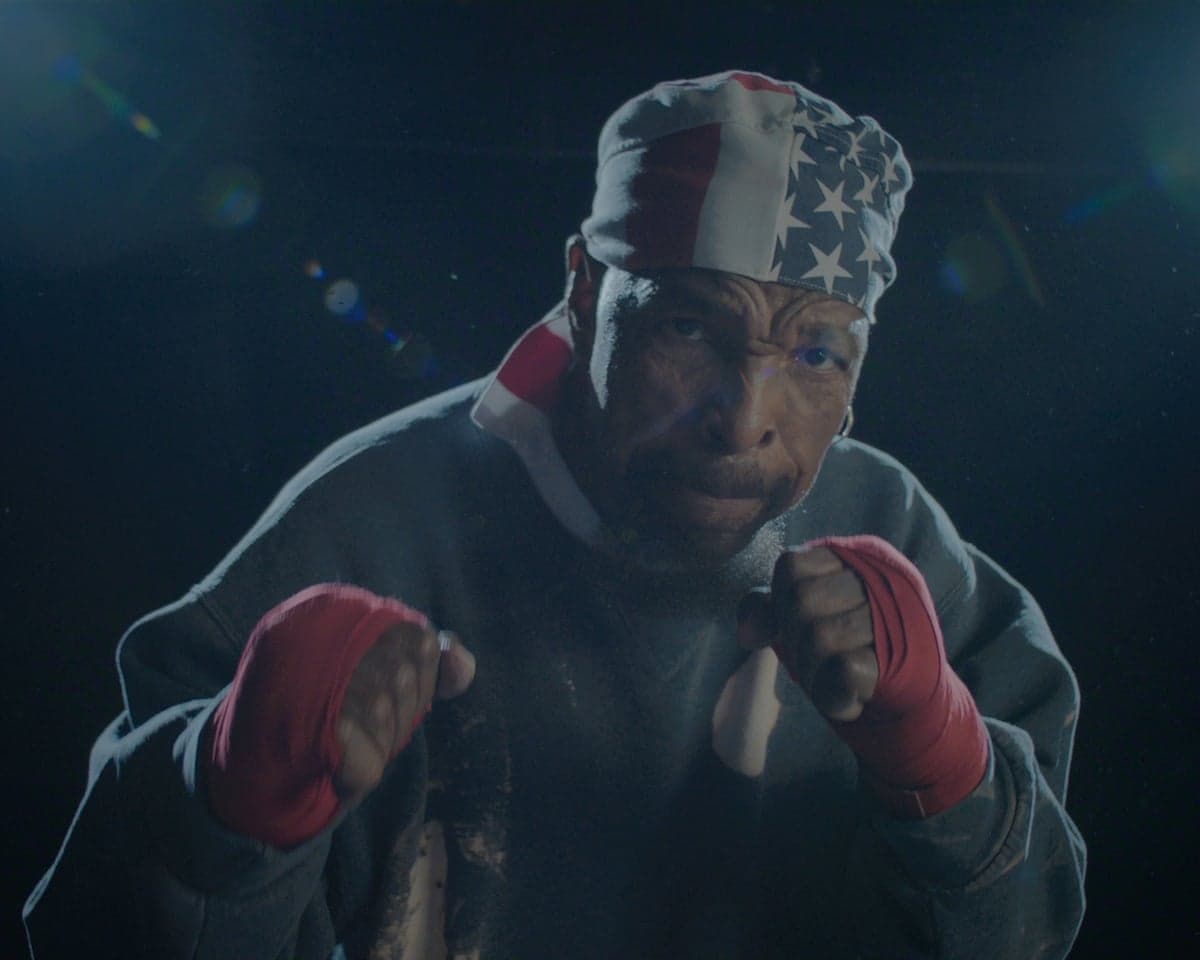
The film opens with its most compelling asset: Mr T himself, now 74 years old, seated alone in a darkened room, dressed in a stars-and-stripes boiler suit and bandana. Despite showing visible signs of age, his charisma remains absolutely magnetic. Watching him is impossible to resist, and this visual anchor proves to be the documentary's greatest strength.
What made Mr T a cultural phenomenon?
Many of the documentary's most vivid sequences transport viewers back to his role as BA Baracus in The A-Team, the soldiers-of-fortune drama that made him a household name. His performance in that series—a tough-guy character infused with warmth, humour and perfectly calibrated theatricality—reveals why the show became built around him. According to Mr T's own account in the film, the entire production was structured to showcase his particular talents and star power, a claim that makes considerable sense when viewing clips of his work.
The documentary includes electrifying footage from his rare public appearances during his peak years. Most striking is his unsmiling, uncompromising interview with David Letterman, in which he explains the symbolism behind his iconic look to an increasingly uncomfortable host. His Mohawk-style haircut and feathered earrings, he explains, honour his African Mandinka warrior heritage. The gold chains he wears represent a deliberate transmutation of the shackles worn by his enslaved ancestors. He articulates his refusal to accept demeaning roles:
Black exploitation movies – no dope-dealing movies, no pimp roles … Give me the type of role you'd give Charlton Heston.The studio audience's laughter captures both the humour and the serious point he is making.
How did a Chicago housing project resident become a star?
His trajectory from poverty to international fame carries an unmistakably American character. Born Laurence Tureaud (though the documentary spells it Tero throughout, a significant error given the subject's sensitivity to how his name is treated), he was one of 12 children raised by his mother Willa Lee in an impoverished Chicago housing project. His early years were marked by physical discipline: he and his brothers trained together in fitness, and by age 15 he already possessed the physique of a competitive athlete and bodybuilder.
The choice of his stage name carried profound personal meaning. He adopted "Mr T" specifically so that
the first word out of people's mouths was always 'Mister', a deliberate response to witnessing his father and brothers—including a Vietnam War veteran—being routinely addressed as "Boy" by others. This naming decision reflected both his ambition and his determination to command respect in a society that had systematically denied it to Black men.

A formative incident occurred when his mother was robbed by local criminals. Mr T set out to find them, and although the documentary leaves the story unfinished, it strongly implies he inflicted serious physical harm. If accurate, this represents a rare departure from what otherwise emerges as an extraordinarily disciplined existence.
What path led him to Hollywood?
Before achieving stardom, Mr T worked three separate manual jobs before transitioning into bouncing and bodyguarding. This security work eventually opened doors into television, where he was spotted by Sylvester Stallone and cast as the antagonist Clubber Lang in Rocky III. He arrived at his audition fully prepared, word-perfect in his lines, and successfully navigated the ad-libbing demands while developing the distinctive accent the role required. The film's commercial success elevated Mr T to major star status.
The subsequent casting in The A-Team catapulted him to enormous popularity and substantial wealth. Mr T merchandise and commercials became ubiquitous throughout the 1980s. Yet this period of fame and fortune also brought what the documentary suggests was an almost inevitable inflation of his ego. By the mid-1990s, a cancer diagnosis combined with his escalating professional demands contributed to a decline in his career prominence. He subsequently underwent a spiritual transformation, becoming a man of faith who has devoted himself to religious preaching and charitable works.
Does the documentary tell the full story?
The film's account of these events, however, diverges significantly from Mr T's own public statements since its release. He has clarified that he was not forced from the spotlight but made a deliberate choice to step back, having achieved his childhood ambition of providing his mother with financial security and comfort. He had promised her a house and pretty dresses as a child;
If that's the lord's willing,she had replied. This accomplishment, rather than professional decline, shaped his decision to reduce his public presence.
Mr T has also raised specific objections to the documentary's editorial choices. He objects to the substantial screen time devoted to his former agent Peter Young, whom he was forced to sue and who serves as the primary source for claims about Mr T's allegedly diva-like behaviour and poor professional decisions. By contrast, the film provides minimal coverage of his longtime pastor, the Rev Henry Hardy, and includes no counterbalancing perspectives to the narrative of Mr T as a monstrous egomaniac driven by unchecked ambition.
The misspelling of his name throughout the documentary—rendering it as "Tero" rather than "Tureaud"—raises troubling questions about the quality of the research and editorial oversight. For a subject who deliberately chose his stage name to command respect, this error carries particular sting. Combined with the documentary's compressed 50-minute runtime, certain omissions become understandable, yet the emphasis placed on the violent incident and the overall eagerness with which a negative portrait is constructed suggests a rushed production.
The film reads as though assembled without sufficient care or rigour. At best, it represents a hurried job that failed to do justice to its subject's complexity. At worst, it imposes yet another reductive negative narrative on a Black man, constructed by filmmakers who deserve censure rather than sympathy for squandering an extraordinary opportunity to tell a genuinely compelling story with depth and nuance.