The Freelands Foundation has distributed £300,000 across three visual arts organisations working in underserved communities, recognising their role in rebuilding social infrastructure through creativity and cultural access. Each recipient receives £100,000 as part of a five-year scheme launched in January 2026 to support progressive art education across UK galleries, museums and arts organisations.
The awards reflect a growing consensus that cultural provision is not peripheral to community renewal but central to it. Andy Burnham has argued that art and creativity are too often dismissed as distractions or luxuries, when in fact they help people "make sense of your own reality". If policymakers are genuinely committed to revitalising communities, they must treat cultural infrastructure with the same seriousness as physical or economic development.
Why arts education has declined
Over the past 15 years, the foundations supporting creative participation have weakened significantly. Arts GCSE entries have fallen by 42% since 2010, reflecting reduced provision in schools. Universities have increasingly pressured arts programmes to justify themselves in economic terms, while museums have typically cut their learning and education teams first when budgets tighten. This erosion of infrastructure means fewer young people encounter art education, and fewer pathways exist into creative careers.
Recent government signals—including a curriculum review and renewed commitments to museum funding—suggest a shift in thinking. However, policy alone will not rebuild what has been lost. The organisations receiving these awards demonstrate what is already possible when communities have the resources and space to act.
Three models of cultural access
Signal Film and Media in Barrow-in-Furness operates in a community historically dominated by shipbuilding and now focused on nuclear submarine construction, in a location that is geographically remote and culturally underserved. The organisation has run Artist Development Labs since 2018, giving local people agency to respond to their surroundings and create opportunities for others. After years in temporary spaces, Signal has transformed a vacant building in the town centre into a community asset. Signal has now opened a 2026 Artist Lab for 12 early- to mid-career artists based in Barrow, Cumbria and Lancashire, welcoming practitioners in digital media, photography, film, sound, programming and installation work, with applications closing on 11 September 2026.
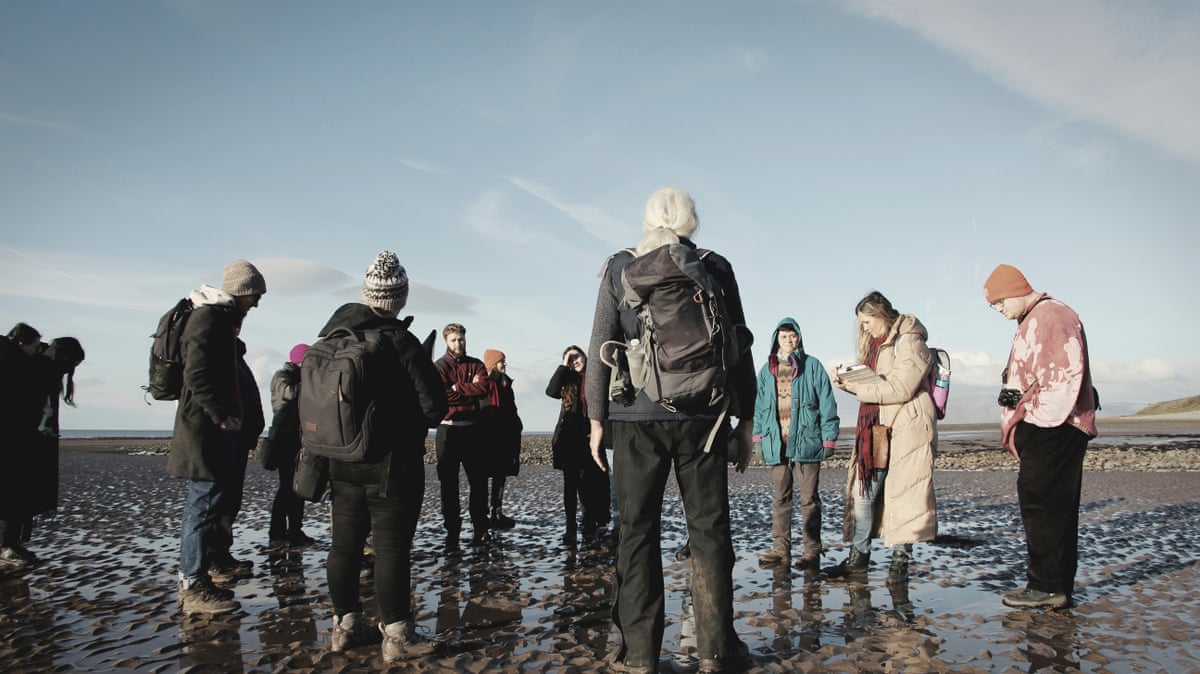
This model shows what high-street revival can look like in practice. An empty building becomes a cultural space; that space becomes a community asset; and that asset becomes part of broader town renewal. The principle extends beyond Barrow: if politicians are serious about giving communities back the spaces they value, organisations like Signal demonstrate the pathway.
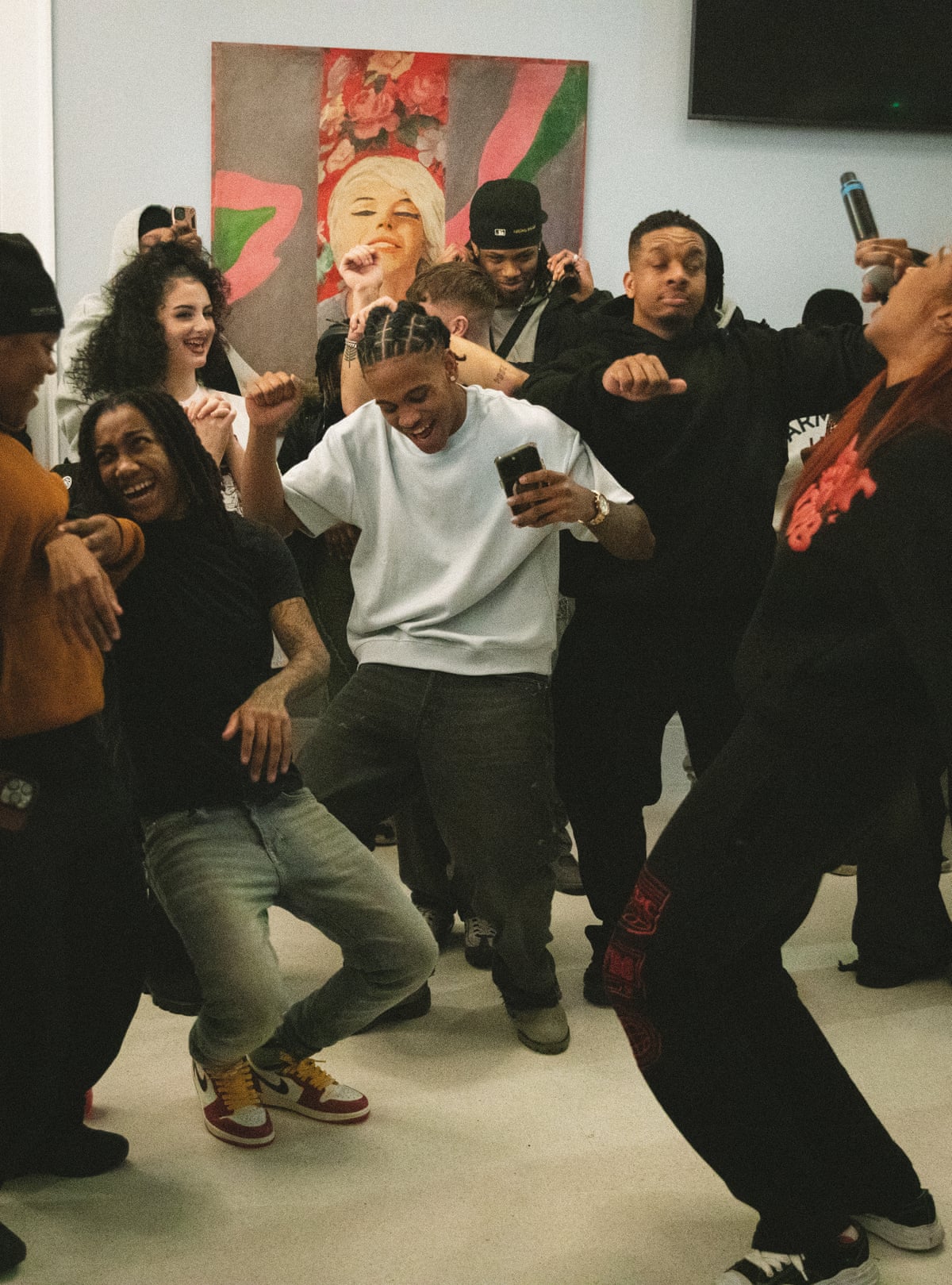
Wolverhampton Art Gallery operates in an urban setting where young people face multiple barriers to cultural participation and creative employment. The gallery's programmes for young people demonstrate a crucial principle: there is more than one route into cultural life and creative careers. By offering opportunities to develop projects, build confidence and explore careers outside conventional academic pathways, the gallery widens access to the creative industries in a way that traditional education structures often cannot.

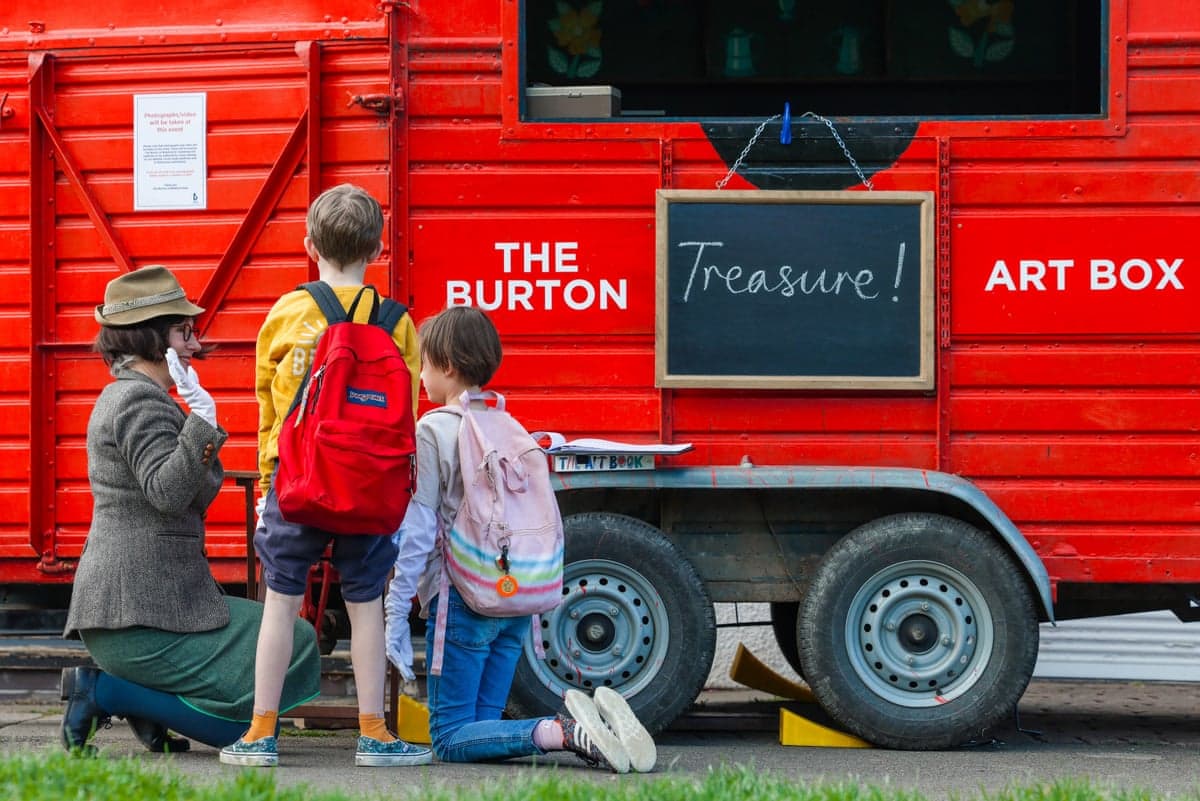
In rural North Devon, North Devon Atelier responded to a practical problem identified by teachers: schools could no longer afford to fund trips to cultural institutions. The organisation's solution was direct and inventive—a converted horse box that brings art directly into primary schools. This approach reveals something fundamental about access: it is not enough for a cultural institution to exist. People must be able to reach it. Geography, cost and time all shape whether participation is genuinely possible.
How the awards process works
The Freelands Awards operate through a two-stage application process, beginning with an Expression of Interest followed by a visit from the judging panel. The judging panel includes artist Joy Gregory, broadcaster Gemma Cairney, curator Jenni Lomax and art historian Ben Street. The scheme will run annually for five years, with three organisations selected each year to receive £100,000 each.
Why this matters for community rebuilding
These three organisations share a common characteristic: they work in places where opportunities to engage with art, develop creative skills or enter the cultural sector are severely limited. They are not waiting for ideal conditions or perfect infrastructure. Instead, they are finding imaginative solutions to the barriers in front of them—whether those barriers are geography, affordability, academic gatekeeping or the simple absence of cultural space.
Rebuilding community infrastructure requires investment across multiple domains: schools, colleges, universities, museums, galleries, libraries, studios and community organisations. It requires ensuring that people in Barrow, Wolverhampton, North Devon and every other location across the UK have genuine opportunity to encounter art, make art and build creative skills. It demands an education that equips people not only to know things but to imagine, question, collaborate, make and contribute.
The organisations receiving these awards should be at the centre of that ambition, not at its margins. They are already embedded in their communities, already trusted, already solving real problems. They deserve recognition and resources.
What happens next
The winner announcement for the 2026 Freelands Awards is due in September 2026. Signal will confirm places for its 2026 Artist Lab within 14 days after the 11 September 2026 application deadline, with an exhibition planned at Signal in 2027.
The fundamental principle underlying these awards is straightforward: access to culture cannot be a luxury reserved for those who happen to live in the right place, attend the right school or can afford to pay. Culture is not what communities can afford once everything else is fixed. It is one of the things that will help fix everything else.