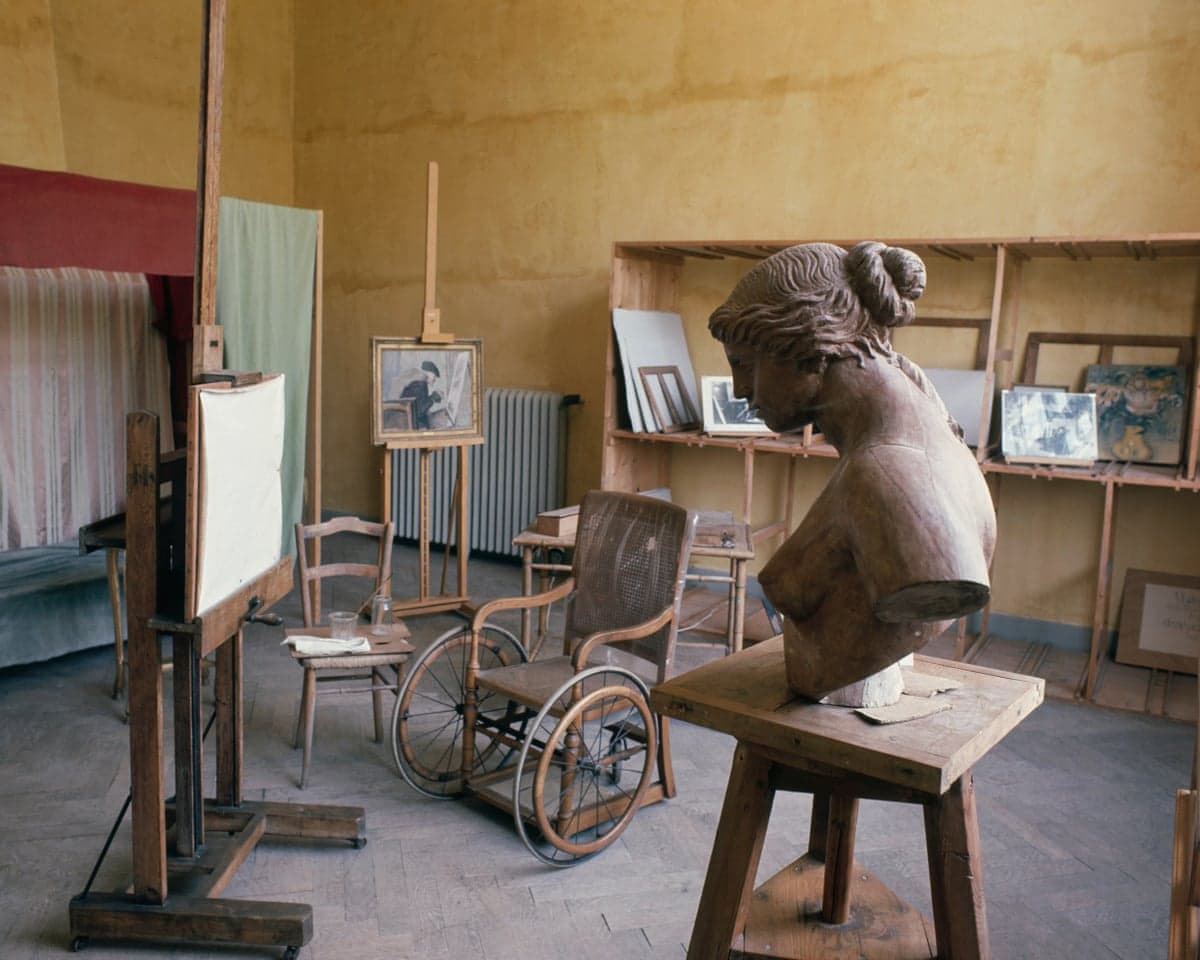
Stealing from the Louvre makes sense. Who wouldn't covet a Géricault or Leonardo for the downstairs loo? The Musée d'Orsay, the Pompidou—these French institutions overflow with masterworks practically begging to be audaciously taken. But the Renoir Museum? The logic escapes most observers.
As the art world absorbed news of the theft from the Musée Renoir in Cagnes-sur-Mer on the French Riviera, reactions ranged from bewilderment to outright mockery. Renoir? Really? It felt like staging an elaborate heist for flares in the age of skinny jeans.
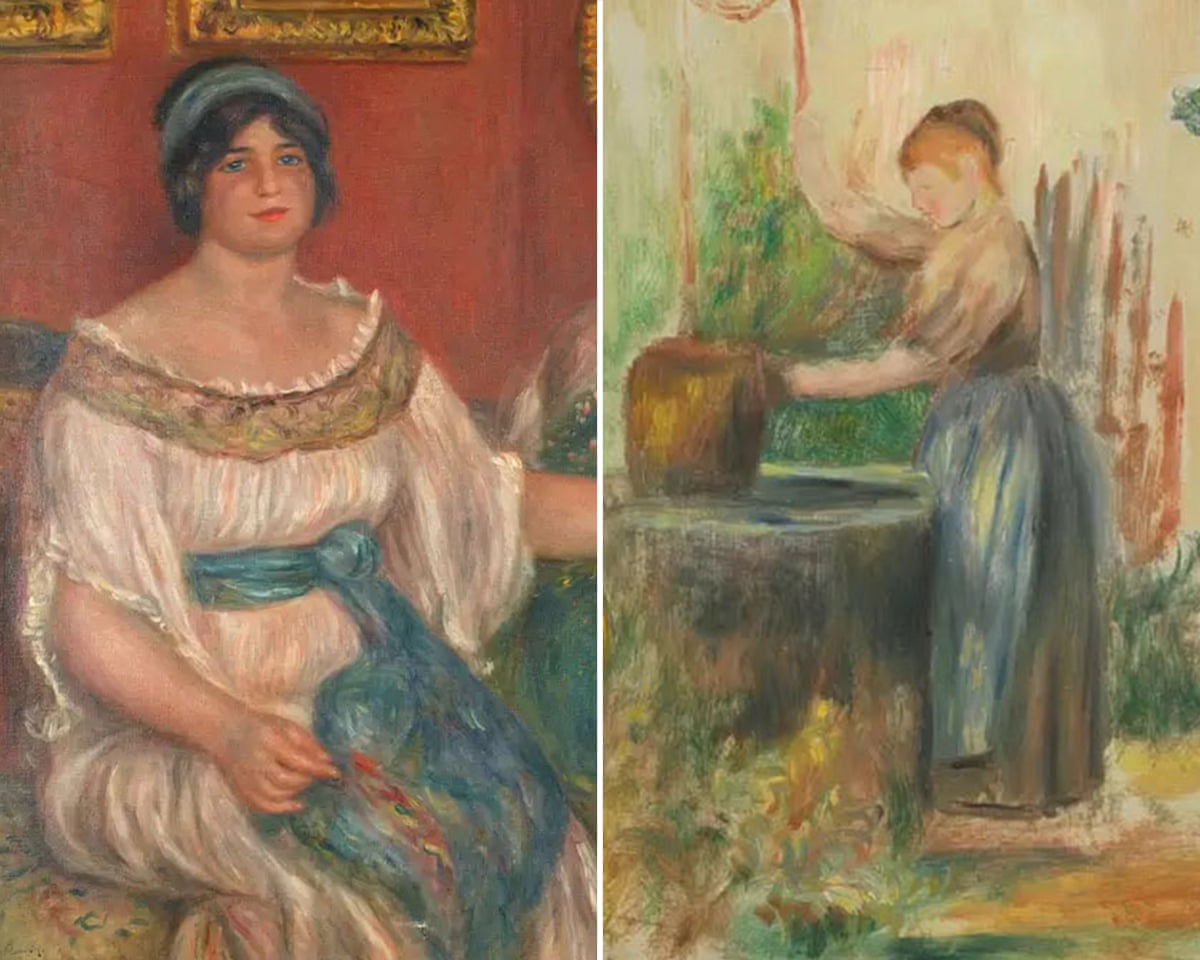
Two thieves broke into the modest museum early on Tuesday, initially making off with four paintings before abandoning two in the garden as they fled, according to reporting on the incident. The alarm sounded at 5:48 a.m., and police arrived within five minutes. CCTV footage reportedly captured the suspects fleeing the scene in under five minutes. The mayor, Bryan Masson, estimated the value of the stolen works at approximately €9 million. The town hall announced the museum would remain closed indefinitely following the theft.
Did the perpetrators possess knowledge the rest of us lack? Or was this simply opportunistic crime, exploiting a regional institution with inadequate security?

Why Renoir has become so despised
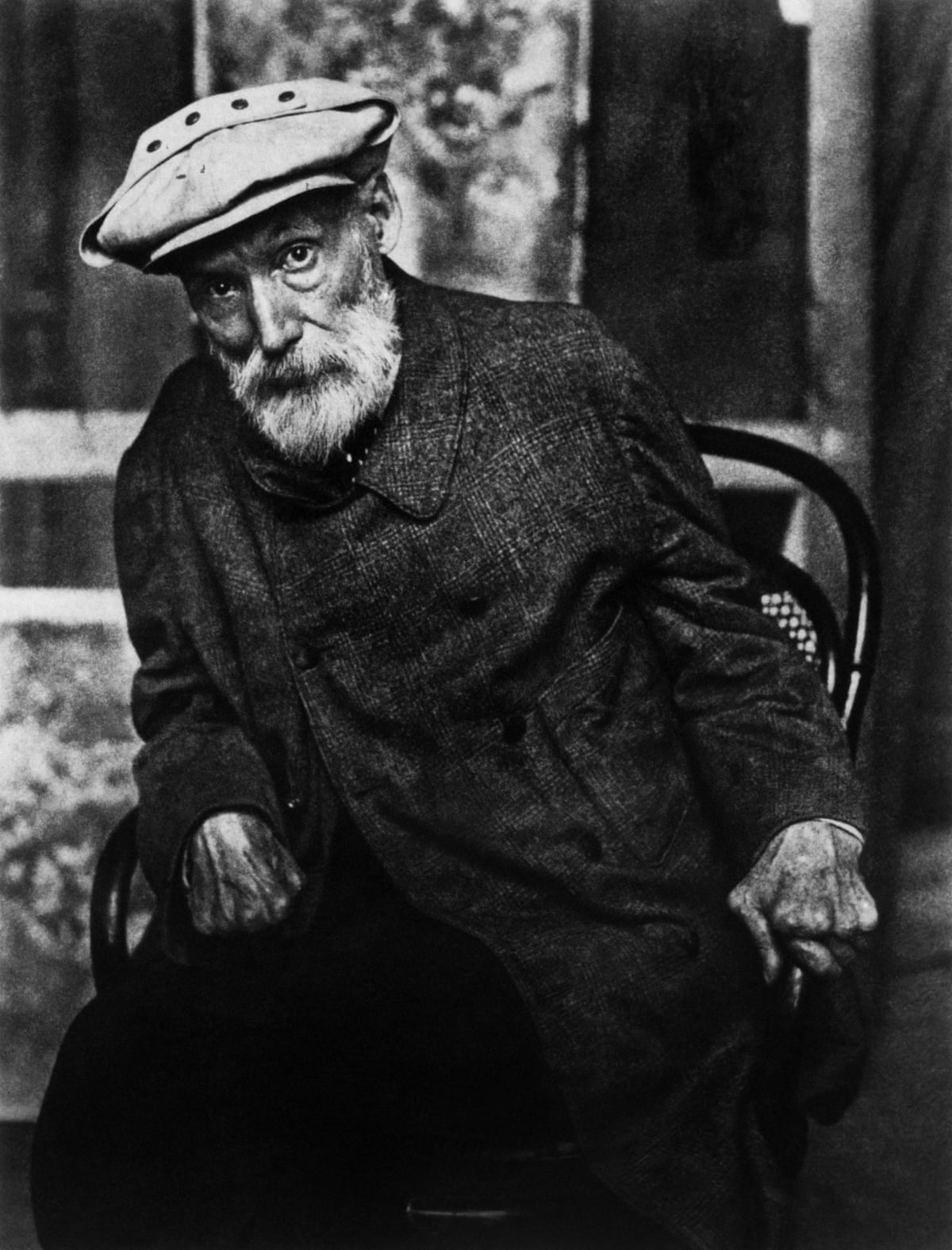
Pierre-Auguste Renoir stood as one of impressionism's commanding figures, a central force in one of the 19th century's most transformative artistic movements. Yet the decades have not treated him kindly. While his contemporaries—Monet, Cézanne, Degas—earned recognition as modernist pioneers who reshaped Western painting's trajectory, Renoir has endured systematic denigration, ridicule, protest and social media mockery.
In 2015, activists picketed the Museum of Fine Arts in Boston and later demonstrated outside the Metropolitan Museum in New York, carrying placards reading "God Hates Renoir" and "ReNOir." They demanded museums remove his paintings from view. The campaign gained traction: the hashtag #RenoirSucksatPainting trended widely, supporters sold hundreds of anti-Renoir merchandise, and Instagram filled with images of people gesturing obscenely at his canvases or feigning illness before them.
His alleged offence? Excessive sentimentality and decorative superficiality. His paintings feature soft focus and gentleness, with plump, joyful figures suspended in happy haze and nocturnal celebration. He abandoned the austere, angular, prismatic experimentation that defined impressionism's revolutionary character. Among the movement's members, he represents the safest choice—the most commercially appealing, the most accessible, the most sensually indulgent. This accessibility transformed him into the most reviled.

The antipathy runs deep historically. Even his peers rejected him. Édouard Manet dismissed his work as lacking "talent," while Mary Cassatt condemned his female nudes as "the most awful of all." Layer onto this foundation his documented antisemitism—he refused participation in exhibitions featuring Jewish impressionist Camille Pissarro—and substantial misogyny, and you construct a framework of aesthetic and moral disapproval capable of enduring centuries.
What the thieves actually took
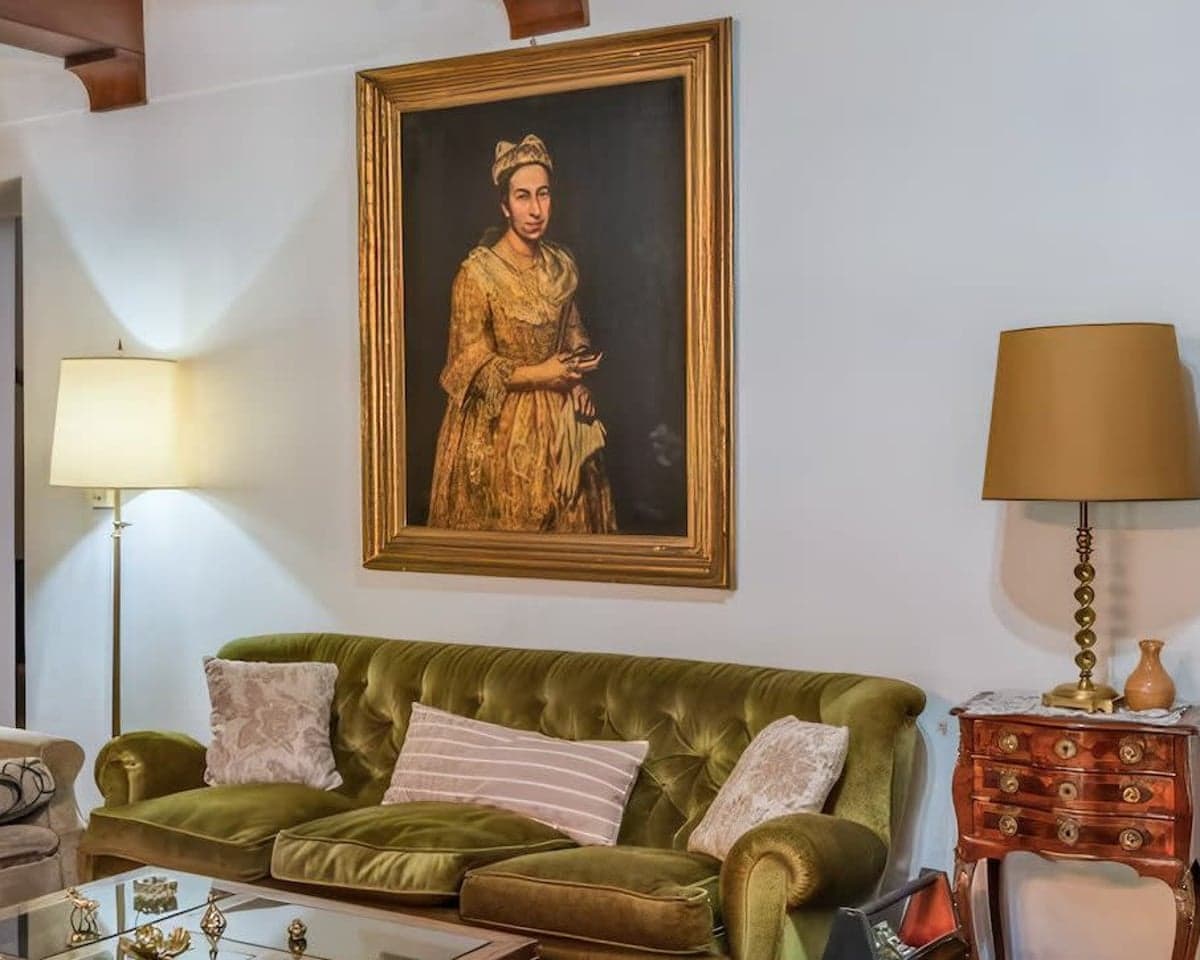
The paintings removed from the museum tell their own story. According to reports on the recovered works, the missing pieces are Portrait of Madame Colonna Romano and Jeune fille au puits. The first depicts a woman whose tiny head sits dwarfed beneath shoulders so expansively broad she could represent a rugby union side, all presided over by a miniature painting-within-a-painting showing a constipated-appearing infant. The second represents an unfinished sketch of a woman extracting a bucket from a well—essentially an artistic smudge.
An art detective observed that the perpetrators would "have no idea what to do" with such paintings. Perhaps they possessed some notion, though it likely involved disposal rather than display.
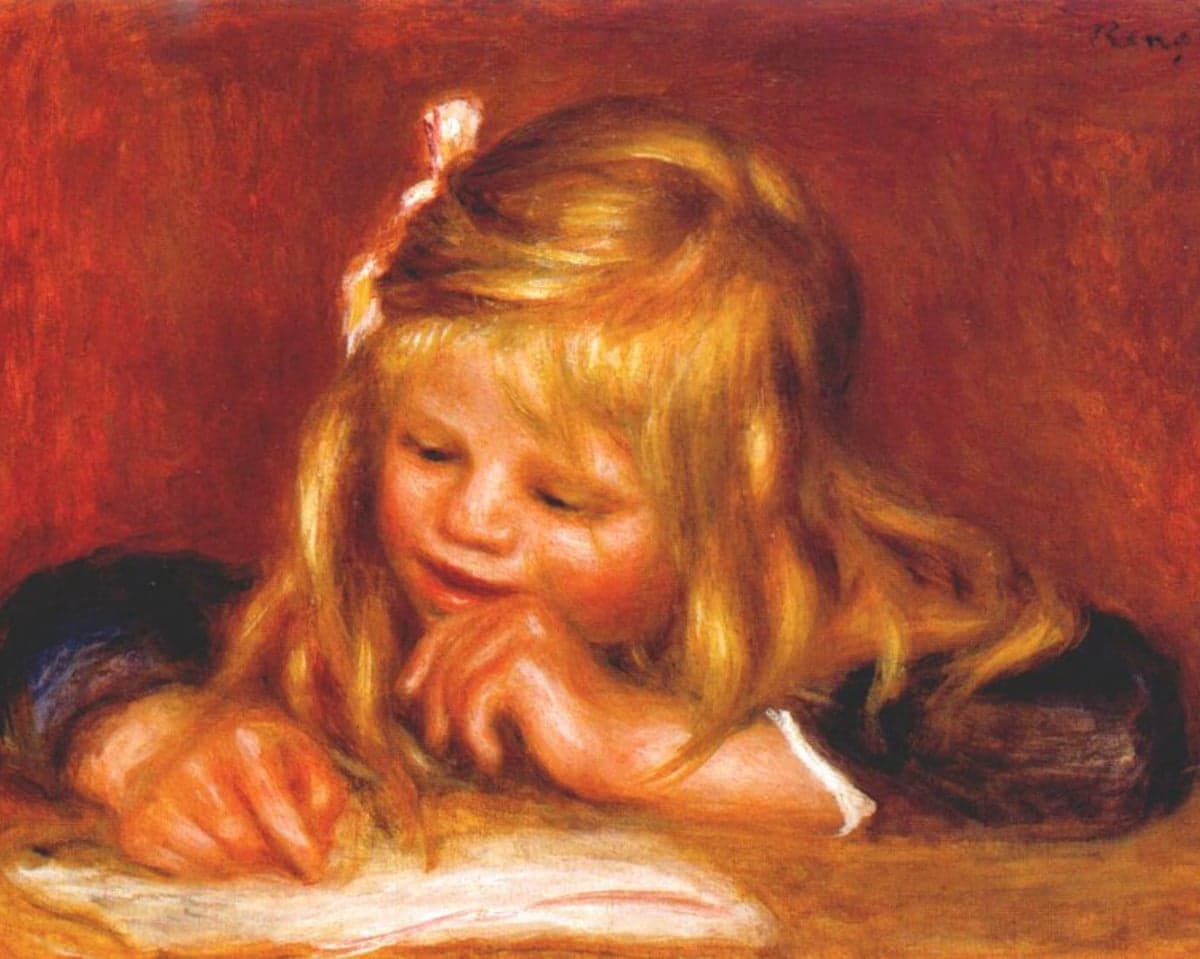
The most revealing aspect of this week's theft on the Côte d'Azur concerns what the criminals rejected. The thieves initially took four paintings but chose to leave two behind while escaping. One abandoned work depicts a small boy bearing an uncanny resemblance to former British Prime Minister Boris Johnson. In decades of art criticism, few observations have proven as incisive, cutting and devastating as criminals examining a painting they had already stolen and concluding: "Leave it—it's worthless."
Renoir's complicated legacy
Defending Renoir presents a genuine intellectual challenge, though personal conviction makes advocacy difficult. His work has inspired distaste for decades. His paintings merit appreciation primarily when they venture into the unconventional—when his nudes transform into a hyper-psychedelic, ultra-sensual reimagining of Rubens featuring endless, surreal, undulating expanses of pink flesh. Certain hazy, enigmatic landscapes possess merit, though not exceeding comparable work by other impressionists. For the most part, the detractors possess valid arguments.
The timing of this theft carries significant promotional value. The National Gallery is launching a major Renoir exhibition next month, hoping to replicate the blockbuster success achieved during its run at the Musée d'Orsay in Paris this summer. The heist provides unexpected publicity, though hardly the variety most institutions would choose.
What happens next
Police continue searching for the two abandoned paintings and the suspects responsible. The museum remains closed indefinitely as the investigation proceeds.