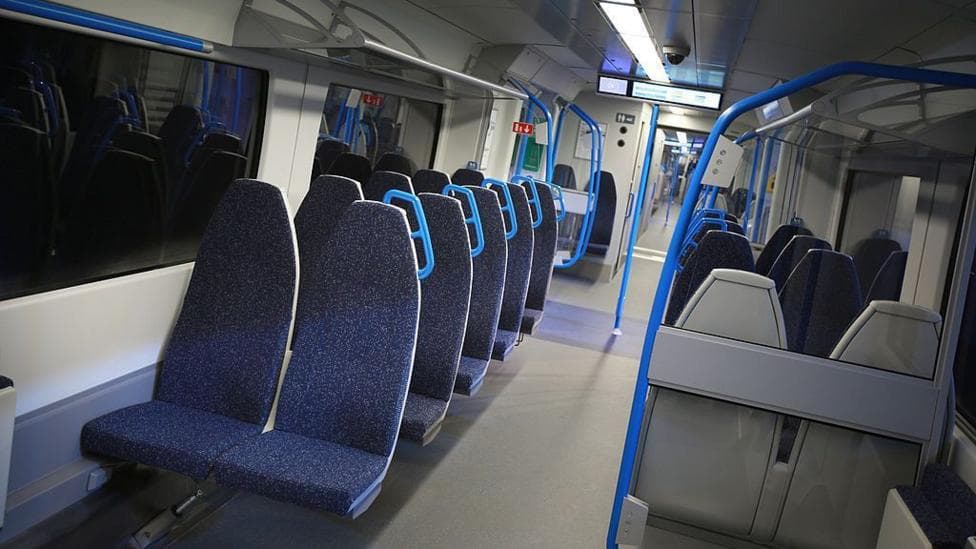
All 115 Thameslink trains will receive new seat cushions and backrests as part of a major comfort upgrade, Transport Secretary Heidi Alexander has announced. The work, affecting more than 60,000 seats across the fleet, will begin in 2027 and is expected to take two years to complete. The initiative follows the transfer of Govia Thameslink Railway into public ownership on 31 May 2026, marking a significant intervention in the long-running dispute over passenger comfort on the South East's busiest commuter routes.
The replacement of the much-criticised thin, hard seats—widely referred to as "ironing board" seats by frustrated passengers—represents a major reversal for a fleet that cost taxpayers £1.6bn when it was procured more than a decade ago. Alexander framed the upgrade as evidence of public ownership delivering improvements that the private sector had failed to provide, stating:
We'll start getting rid of the dreaded 'ironing board seats' so passengers can enjoy comfier, more pleasant journeys on some of Britain's busiest commuter routes.
The Class 700 Thameslink trains, manufactured by German company Siemens, were rolled out between 2016 and 2019 following a procurement process that began in 2008. When the fleet was introduced, the Department for Transport promoted the trains as "state-of-the-art" and "a fantastic deal" for taxpayers. However, the design choices that prioritised high capacity and standing space—aiming to accommodate approximately 1,000 passengers boarding or alighting simultaneously—appear to have come at the expense of seating comfort.
How did the seat design become so uncomfortable?
The Department for Transport's own procurement guidance for the fleet emphasised that trains should be "high capacity" and "reduced weight," with a "2+2 seat layout to ease flow and provide standing space." These specifications appear to have driven manufacturers toward thinner, harder seating to maximise passenger throughput and minimise overall train weight. Some observers have suggested that this capacity-first approach directly led to the seats being so thinly cushioned.
The discomfort was flagged well before the trains entered service. In 2014, two years before the fleet was rolled out to passengers, a prototype was unveiled at London's Excel centre. Railfuture, the UK's leading independent rail passenger campaign group, sent a panel of volunteer experts to inspect the prototype and issued a stark warning in their report:
We found the seats very hard and imagine this will soon lead to complaints from passengers, particularly bearing in mind that some journeys on these trains will be up to 130 miles long such as Peterborough or Cambridge or Bedford to Gatwick & Brighton and taking over two hours.The panel concluded that passenger comfort was "severely compromised" and urged:
we strongly urge reconsideration of the design before series production takes place.
Despite these warnings, production proceeded without redesigning the seats. The Department for Transport has argued that it was not legally possible to renegotiate the private sector contract until public ownership took effect earlier this year.
What additional improvements are planned?
The seat upgrade is part of a broader package of enhancements to the Thameslink network following the transfer to public ownership. According to reports on the upgrade plans, the refurbishment will also include first-class seating improvements and the installation of seat-back tables on 70 trains that currently lack them. Beyond seating, the operator is undertaking a programme to refurbish train toilets and remove graffiti across the entire fleet. Additionally, Gatwick Express services are scheduled to increase from December.
John Whitehurst, chief executive of GTR, emphasised that passenger feedback had shaped these decisions, saying:
Our customers told us that comfort matters, which was why we'd been working on plans to improve seating on Thameslink services.
The public ownership transfer put Thameslink, Southern, Great Northern and Gatwick Express under a new public sector operator, Thameslink Southern Great Northern Limited, a subsidiary of DfT Operator Limited. According to government statements on the transfer, the move does not affect existing conditions of travel or station facilities.
Why has this decision attracted criticism?
Not everyone has welcomed the framing of the seat upgrade as a triumph of public ownership. Graeme Pickering, senior correspondent at Railway Magazine, responded to Alexander's announcement on social media with a pointed observation:
Might have been wise not to frame this as 'public ownership fixes private sector mess' when it was the DfT which procured said trains.His comment highlights the awkward fact that the Department for Transport itself was responsible for the original procurement decision that led to the uncomfortable seating design.
The BBC understands that more details on the contract negotiations for the new cushions will be released in the autumn. The government has positioned the Thameslink improvements as part of its wider Great British Railways programme, which is intended to oversee rail services across England and represents an expansion of public ownership across the network.
What happens next in the public ownership rollout?
The Thameslink upgrade is one element of a broader transformation of England's railways. According to reports on the public ownership programme, Chiltern Railways is scheduled to transfer to public ownership on 20 September 2026, with the full public-ownership transfer programme expected to be completed by the end of 2027. GTR became the fifth operator brought into public ownership under the government's rail-returns programme.
Thameslink operates services across the South East, including Sussex, Surrey and some areas of Kent, serving some of the country's most congested commuter corridors. The seat upgrade, beginning in 2027 and lasting two years, will affect all 115 trains in the fleet and represents one of the most visible changes passengers will experience under the new public ownership model.
Key Facts
- More than 60,000 seats on all 115 Thameslink trains will receive new cushions and backrests, with work beginning in 2027 and lasting two years
- The Class 700 trains cost £1.6bn when procured in 2013 and were rolled out between 2016 and 2019, but their thin, hard seats drew complaints from the outset
- Railfuture warned in 2014 that the prototype seats were "very hard" and that passenger comfort was "severely compromised," but the design was not changed before production
- Thameslink, Southern, Great Northern and Gatwick Express transferred to public ownership on 31 May 2026 under a new public sector operator
- The full public-ownership transfer programme across England's railways is expected to be completed by the end of 2027