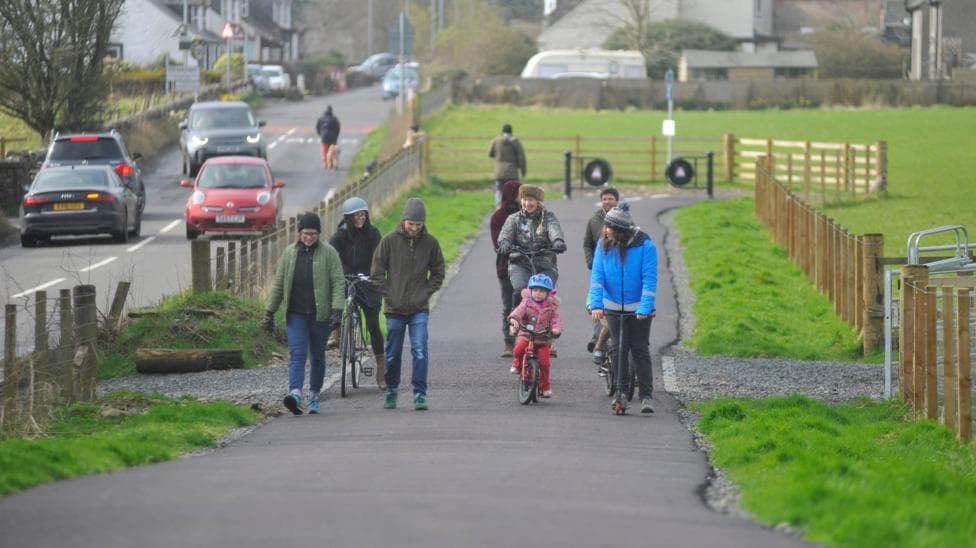
Drivers have been cautioned against attempting to use a dedicated walking and cycling route as a shortcut while the A702 near Penpont undergoes essential reconstruction work in south-central Scotland.
The road closure has prompted authorities to establish an official diversion via the B729 and A76, though Kier, Penpont and Tynron Development Trust (KPTDT) has acknowledged the detour adds significant travel time and creates considerable inconvenience for commuters. Despite these challenges, the organisation has reported that some motorists are attempting to bypass the designated alternative route by driving on the active travel path.
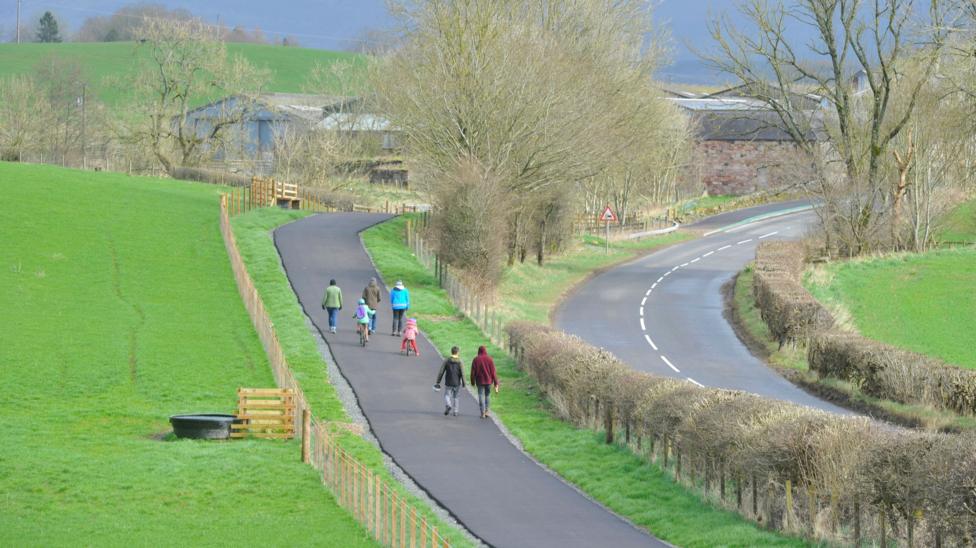
The path, which spans 2.5 miles (4km) between Penpont and Thornhill, was constructed specifically for pedestrians, cyclists, wheelchair users, mobility scooter operators and parents with prams. Motorised vehicles are strictly prohibited except for emergency services responding to calls and authorised maintenance teams. The KPTDT emphasised that allowing cars onto the route endangers vulnerable users, including children and cyclists.
Why is the road closed?
The A702 closure is necessary to enable essential road reconstruction and drainage improvements at Penpont. Before the active travel path was built, the A702 was the only route connecting the two villages and had no footway provision, making the new facility a significant safety improvement for non-motorised users.
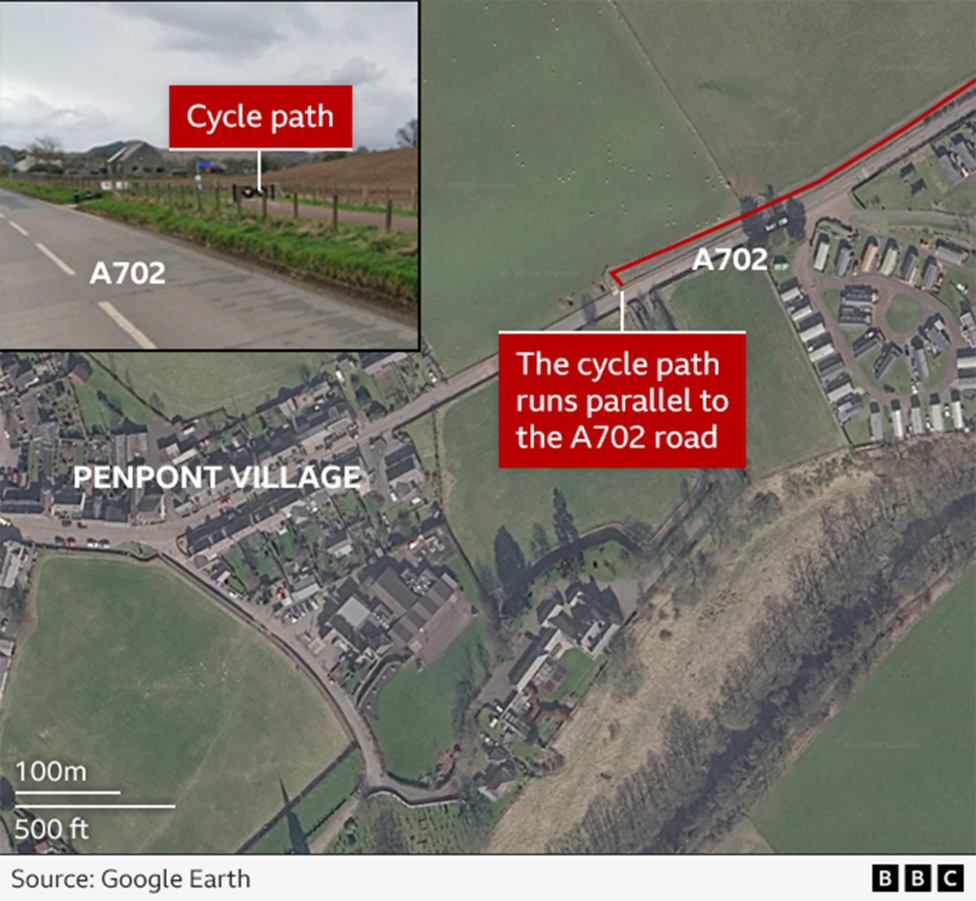
What is the active travel path?
The route is a traffic-free facility designed to enable residents to safely walk, wheel and cycle between Penpont and Thornhill. The path was constructed in phases at a total cost exceeding £2 million, with £1,557,806 in funding provided by the Scottish Government through Sustrans Scotland's Places for Everyone programme, supplemented by match funding from regional and local partners.
The KPTDT stated:
"Please remember - the active travel path is not a road. All motorised vehicles are strictly prohibited. The only exceptions are emergency services on duty and authorised maintenance vehicles."
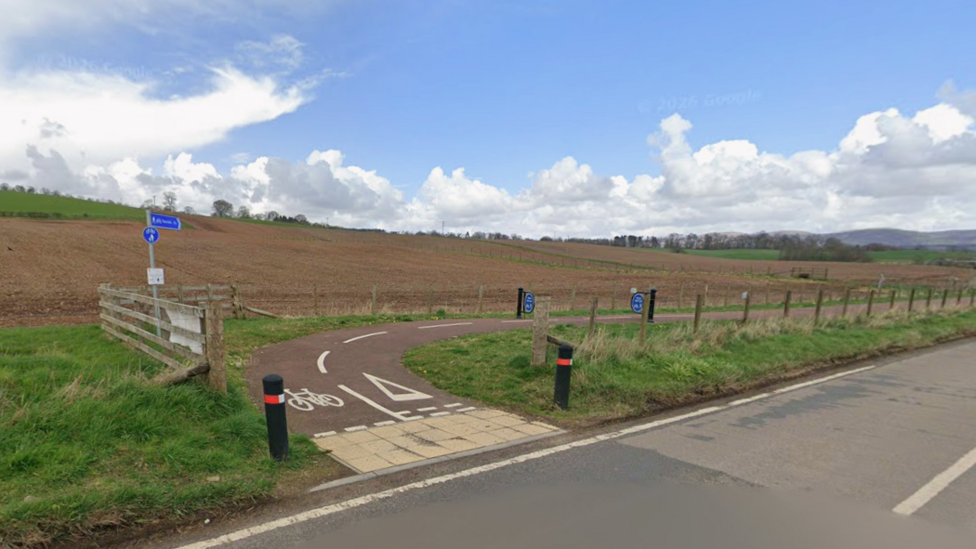
Why is using the path as a shortcut dangerous?
The path is physically separated from the main road specifically to protect pedestrians and cyclists from traffic hazards. Introducing motor vehicles onto the route creates serious safety risks for the vulnerable users it was designed to serve. The KPTDT warned:
"It is physically separated from the main road precisely to keep people safe. Please follow the signed diversion routes, drive safely, and let's keep our community paths safe for everyone."
This incident reflects a broader pattern of drivers breaching roadwork closures to avoid delays. National Highways recorded 814 incursions at roadwork sites between January and July 2026, with 53% occurring during peak periods, demonstrating the scale of the problem across the UK.
What happens next?
The trust is continuing work on remaining phases of the project. Phase 1B2, which connected the path to the A702 and added active-travel-friendly traffic lights on Nith Bridge, was completed by 31 March 2026. The final Phase 1C work includes build-outs, bollards, chicanes and a gate on Boat Brae; the trust is awaiting the outcome of a council redetermination order before proceeding. The Nith Bridge works had attracted six planning objections, though Historic Environment Scotland raised no concerns and the council planner determined that the safety and community benefits outweighed any impact on the listed structure's appearance.
The KPTDT appealed for patience and cooperation from road users during the closure period.
Key Facts
- The A702 at Penpont is closed for essential road reconstruction and drainage improvements
- The 2.5-mile active travel path cost over £2 million and connects Penpont and Thornhill for walkers, cyclists and wheelchair users
- Motorised vehicles are strictly prohibited on the path except emergency services and authorised maintenance vehicles
- An official diversion is signposted via the B729 and A76
- The path was built in phases with Scottish Government funding and regional match funding