The south-west Scottish region of Dumfries and Galloway has been selected by National Geographic as one of the planet's 25 premier travel destinations for 2027, placing it alongside major international draws such as Melbourne, Jaipur and Puerto Rico. According to BBC News, the recognition comes as a surprise to many local residents, yet underscores the area's emerging status as a world-class destination. The designation highlights six distinct attractions that showcase why this corner of Scotland merits a place on travellers' itineraries.
The selection reflects growing international awareness of Dumfries and Galloway's diverse offerings, from outdoor pursuits to cultural heritage. The region's recognition followed the inaugural South of Scotland Dark Sky Festival, held days before the National Geographic announcement, further cementing its profile as a destination for both adventure seekers and those pursuing quieter, more contemplative experiences.
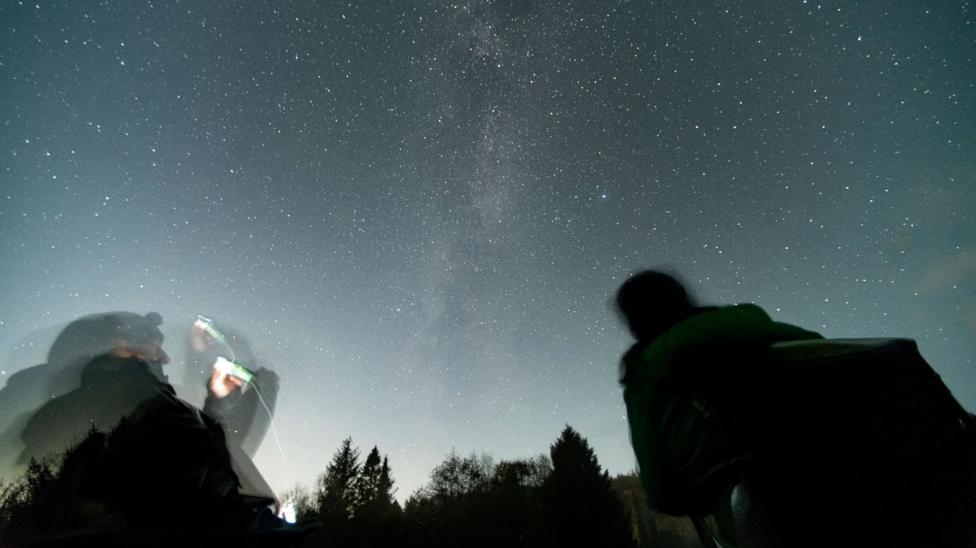
Stargazing and the Clatteringshaws Dark Sky Observatory
The Galloway Forest Park earned designation as the UK's first internationally-recognised Dark Sky Park in 2009, establishing the region as one of the world's premier stargazing locations. A previous observatory at Dalmellington, built on the edge of the park, was destroyed by fire five years ago, but a replacement facility is now under construction at the heart of the forest near Clatteringshaws Loch.
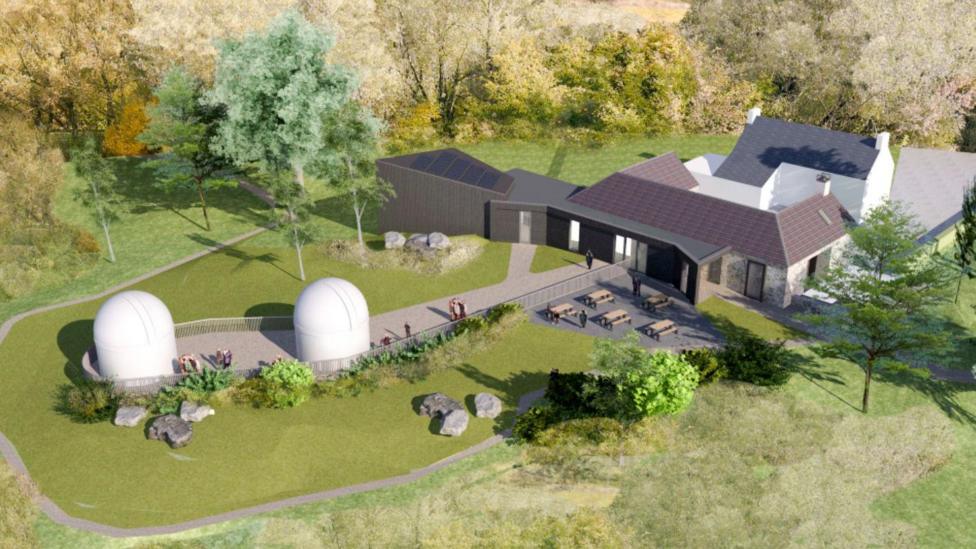
Planning approval for the new observatory was granted earlier this year, with construction progressing toward an opening in midsummer 2027. National Geographic's feature notes that the facility will include two observation domes and a 360-degree planetarium overlooking Clatteringshaws Loch, offering visitors an immersive experience of the night sky in one of Europe's darkest locations.
Exploring the Rhins of Galloway Coastal Path
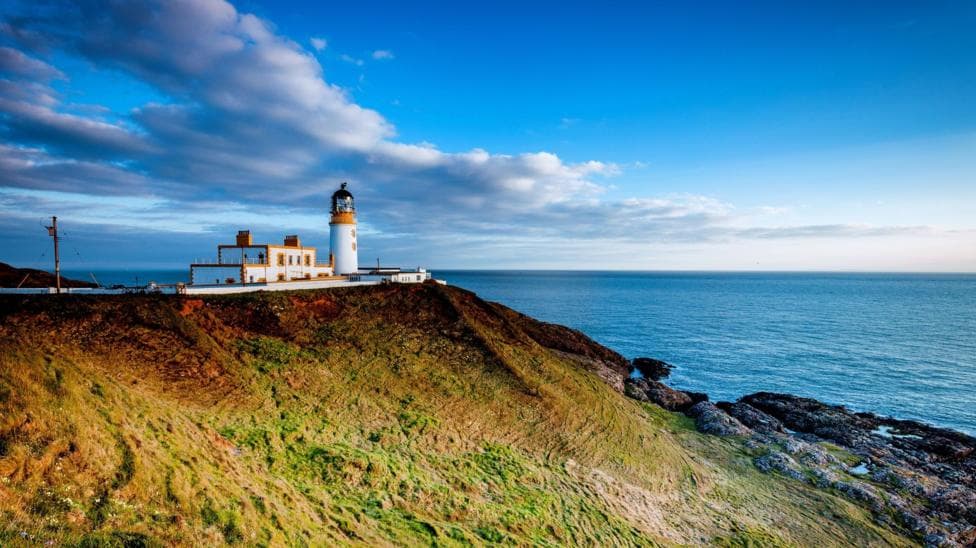
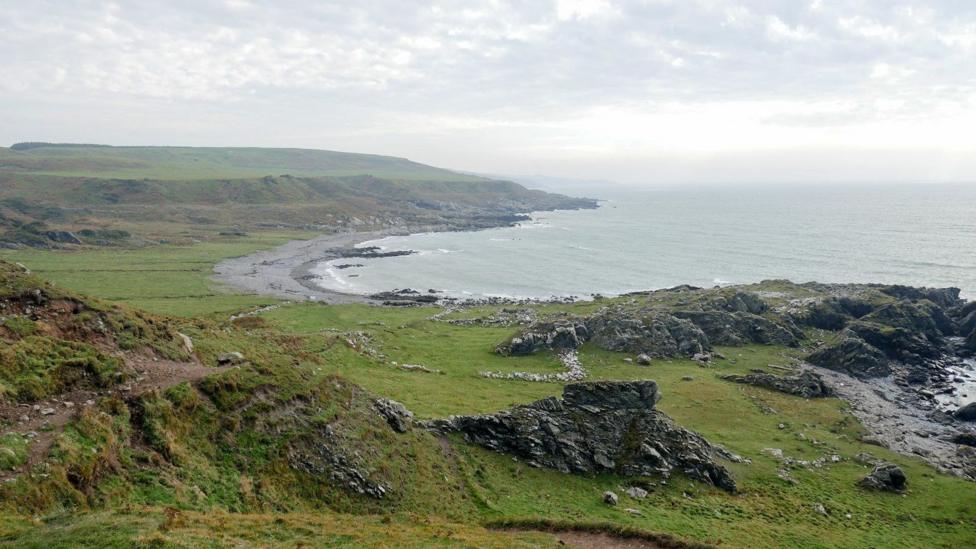
The Rhins of Galloway, a distinctive hammerhead-shaped peninsula at the region's western edge, is now accessible via a newly established 83-mile circular coastal trail. According to National Geographic, this is the first waymarked trail to circle the peninsula, making the area's dramatic geography more accessible to walkers of varying abilities.
The route encompasses varied landscapes, from the sheltered waters of Loch Ryan to the windswept cliffs of the Mull of Galloway, Scotland's southernmost point. Walkers encounter rugged coastlines and secluded beaches that showcase the region's natural drama while remaining relatively undiscovered compared to other Scottish destinations.
Caerlaverock Castle and Its Historic Sieges
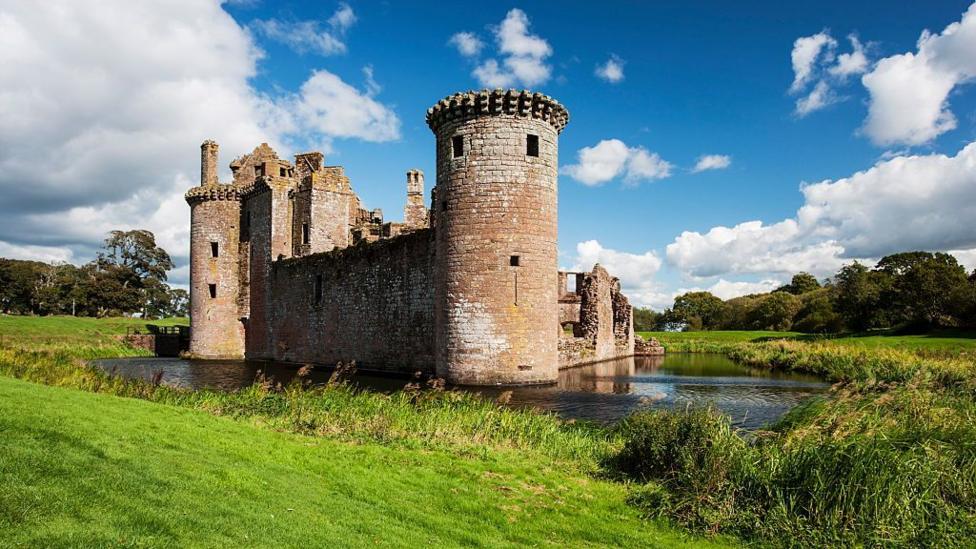
Among Scotland's numerous castles, Caerlaverock stands apart due to its unusual triangular design, a distinctive architectural feature that has captured imaginations for centuries. The fortress is the venue for annual recreations of historic jousting competitions that commemorate its turbulent past.
The castle endured multiple sieges throughout its history, most notably in 1300 when Edward I's forces besieged it, with the small garrison surrendering within two days. The final siege occurred in 1640 and lasted 13 weeks before defenders capitulated. Following that defeat, the castle was systematically dismantled—its south curtain wall demolished and fixtures removed—to prevent its future use as a defensive stronghold. National Geographic identifies the castle as having inspired Sir Walter Scott, a contemporary of Robert Burns, further underscoring its cultural significance.
Robert Burns and Ellisland Farm
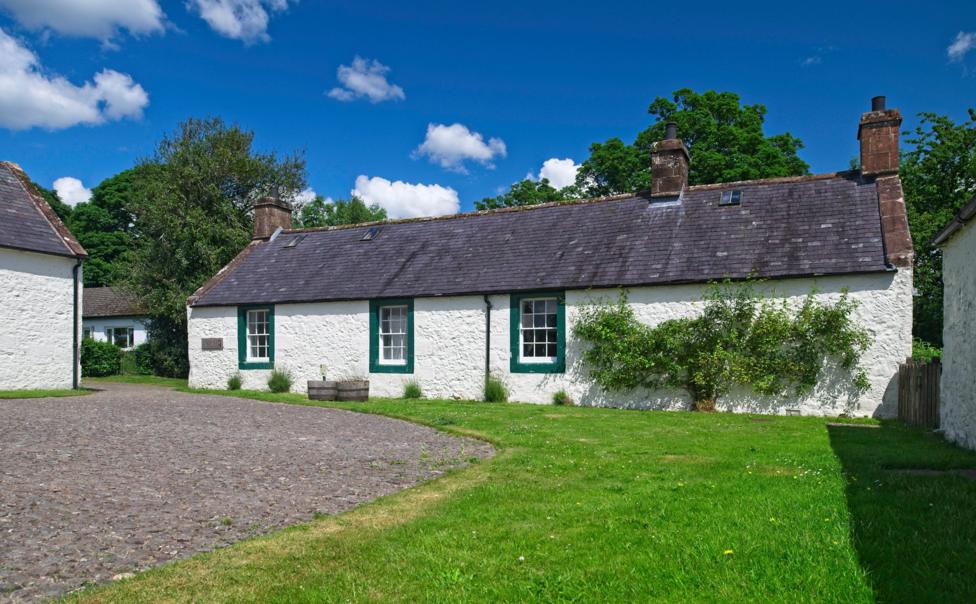
Ellisland Farm, situated a few miles north of Dumfries, was established in 1788 by Scotland's national poet Robert Burns as a home for his wife Jean Armour and their growing family. During his residence there, Burns composed many of his most celebrated works, including "Auld Lang Syne" and "Tam o Shanter," cementing the location's place in Scottish literary history.
A trust is currently undertaking a major restoration initiative, seeking to raise £12 million to secure the site's future. Dumfries and Galloway Council granted planning permission for the restoration project earlier this year, with detailed design work now underway. The vision is to create an "authentic and world-class experience" for both local residents and visitors exploring the site on the banks of the River Nith, allowing future generations to connect with Burns's legacy in the landscape where he created his masterpieces.
Cycling Culture: Gravel Routes and Mountain Biking
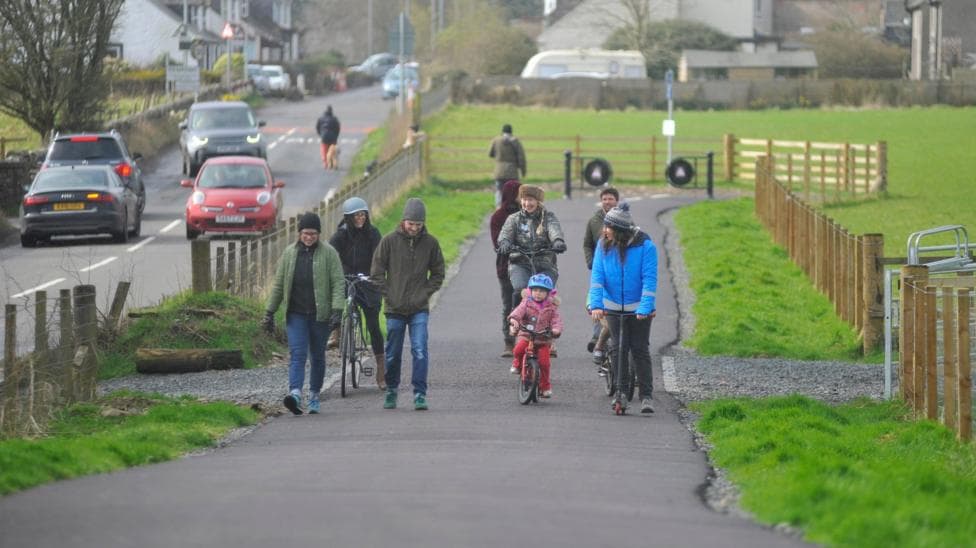
Dumfries and Galloway maintains a deep historical connection to cycling, tracing its roots to Kirkpatrick Macmillan, a pioneering figure in two-wheeled travel. Today, the region has emerged as a premier destination for both gravel and mountain biking enthusiasts.
Cyclists can now traverse the recently-launched 330-kilometre Gallovidian Gravel trail, which begins in Dumfries and comprises three intersecting loops designed to accommodate riders of all experience levels. National Geographic's coverage highlights the 206-mile route as linking the region's 7stanes mountain-bike trail systems, creating a comprehensive network for off-road cycling. The annual Gralloch event in Gatehouse of Fleet has bolstered the area's reputation for gravel riding, attracting competitors and spectators from across the UK and beyond.
Mountain bikers benefit from five 7stanes centres located throughout Dumfries and Galloway—at Kirroughtree, Glentrool, Dalbeattie, Mabie and Ae—each offering trails suited to different skill levels. The region's cycling profile is set to rise further when the 2027 Tour de France Grand Départ brings the world's most prestigious cycling race to southern Scotland in July, introducing the area to a global audience.

Wigtown: Scotland's National Book Town
Wigtown holds the distinction of being Scotland's national book town, a status it achieved through a deliberate economic revitalisation strategy centred on literary culture. The town now hosts an annual book festival that draws readers, authors and cultural figures from across the world.
This year's festival featured Outlander star Sam Heughan among its speakers. Heughan, who grew up in Galloway, has become a passionate advocate for the region and its cultural offerings. Wigtown's transformation has resulted in numerous independent bookshops opening throughout the town, and visitors can even operate their own bookshop at The Open Book, offering a unique opportunity for those seeking a literary-focused holiday experience.

Why Dumfries and Galloway Stands Apart
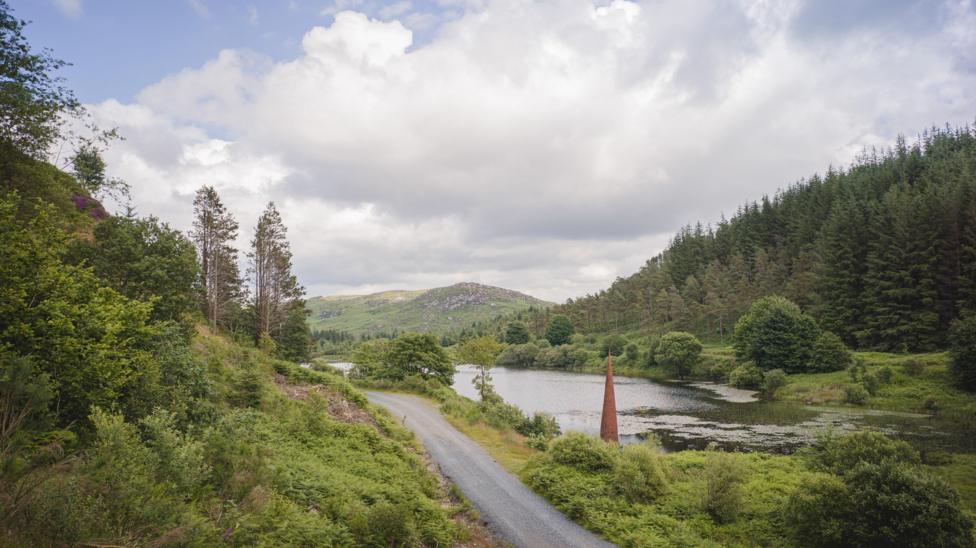
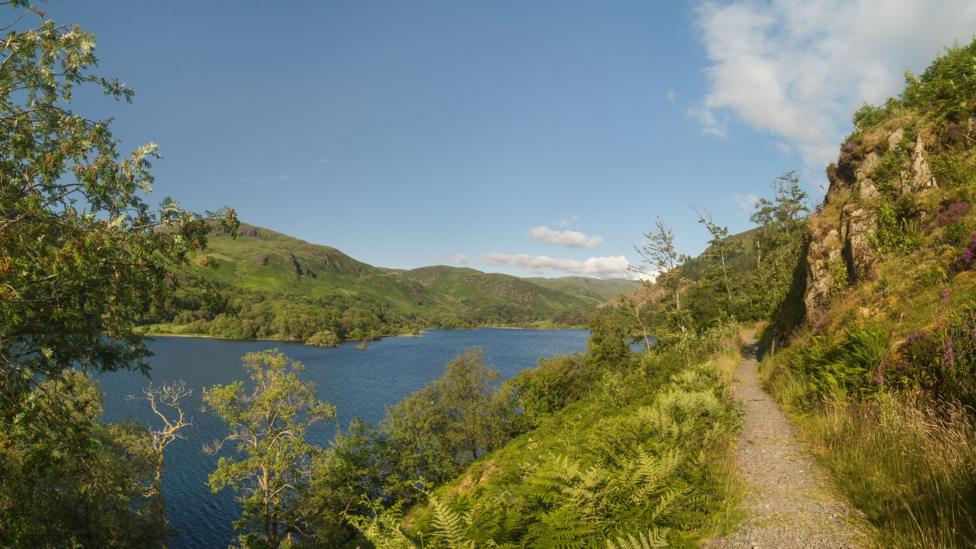
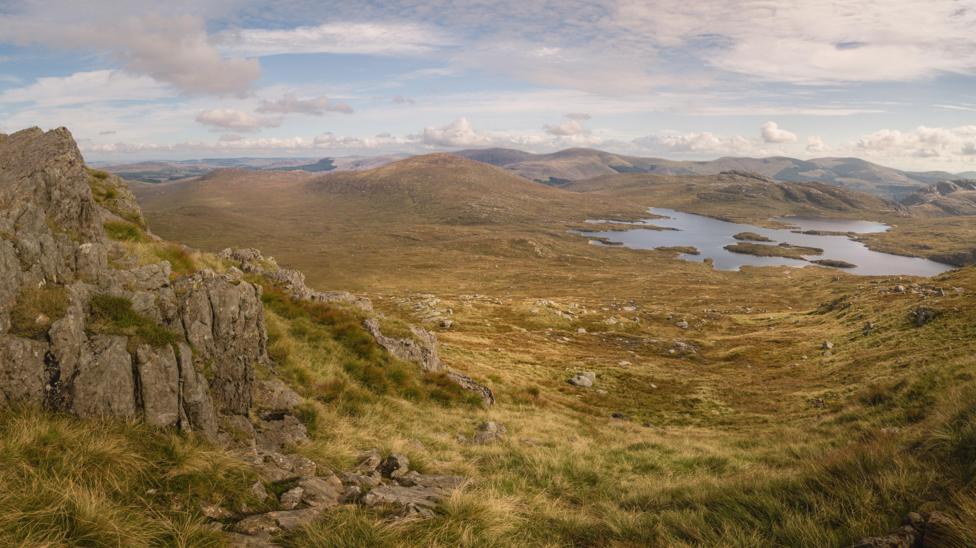
Award-winning travel journalist Mike MacEacheran, who contributed to National Geographic's feature, first visited the region in 1983 at age five for a beach holiday in Portpatrick—a memory that has remained with him throughout his career. His recent tour of the area highlighted the rippling hills of Galloway Forest Park and the distinctive pink turrets and self-catering cottages of Drumlanrig Castle Estate.
Reflecting on the region's appeal, MacEacheran observed:
These days it's a rare, if lovely, feeling to have a part of Scotland largely to yourself - especially one so effortless to reach, yet entirely a world apart.He emphasised that the area deserved greater prominence on travellers' itineraries, noting its accessibility combined with its sense of isolation from mainstream tourism.
National Geographic's characterisation of the region as
one of the most breathtaking places on Earthreflects the publication's assessment of Dumfries and Galloway's countryside, which it said could rival the Scottish Highlands in dramatic beauty while offering a quieter, less crowded experience. The designation positions the region as an increasingly significant destination for international visitors seeking authentic Scottish experiences beyond the well-trodden paths of Edinburgh and the central belt.
What Comes Next for the Region
Local tourism bodies are optimistic that National Geographic's recognition will drive increased visitor numbers and heighten awareness of Dumfries and Galloway's diverse attractions. The convergence of several major developments—the opening of the Clatteringshaws Dark Sky Observatory in midsummer 2027, the completion of the Rhins of Galloway coastal path, the restoration of Ellisland Farm, and the arrival of the Tour de France Grand Départ in July 2027—positions the region for significant growth in tourism and economic activity over the coming year.