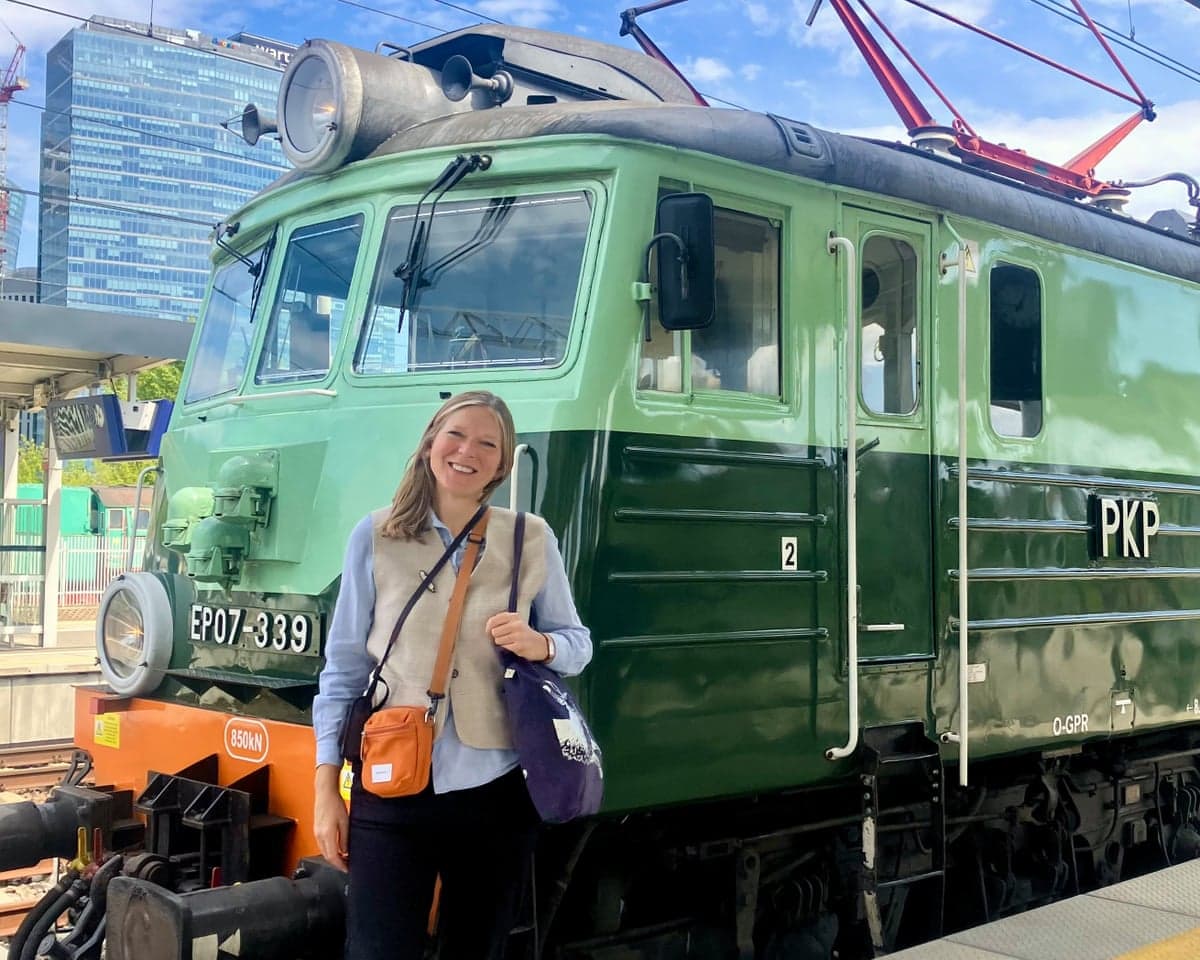
Trainspotters crowded platform 2 as morning light gleamed across the polished olive-green carriages of the 11:07 departure from Warszawa Główna to Poznań. A man in a bow tie and braces rushed past me toward the steps, his eagerness unmistakable. This was no routine service, but rather a carefully curated journey backward through decades.
Poland's government designated 2026 as the Year of Polish Railways, marking two significant milestones: the 25th anniversary of PKP Intercity, the long-distance operator, and the centenary of Polish state railways. To honour these occasions, a series of weekend excursions branded "Nieśpieszny" (meaning "unhurried") has been launched, featuring fully restored trains from the 1980s with period-appropriate livery. According to PKP Intercity's announcement, the service runs from 14 June through 23 August 2026, with more than 40 journeys planned across all regions of Poland, with routes rotating each week.
Every weekend throughout spring and summer, these refurbished trains depart from different regions, spanning from the mountainous south to the Baltic coast in the north. When my friend Mariusz mentioned the service, knowing of my annual railway visits to Poland, I reserved a ticket to Poznań immediately upon release.
Settling into a marmalade-coloured six-seater compartment with armchair-style seating, I noticed the relaxed atmosphere—no commuters rushing, no sense of urgency. Our journey would consume approximately five hours, compared with just over two on a conventional express service. The train's capacity of around 200 passengers meant the experience remained intimate and unhurried.
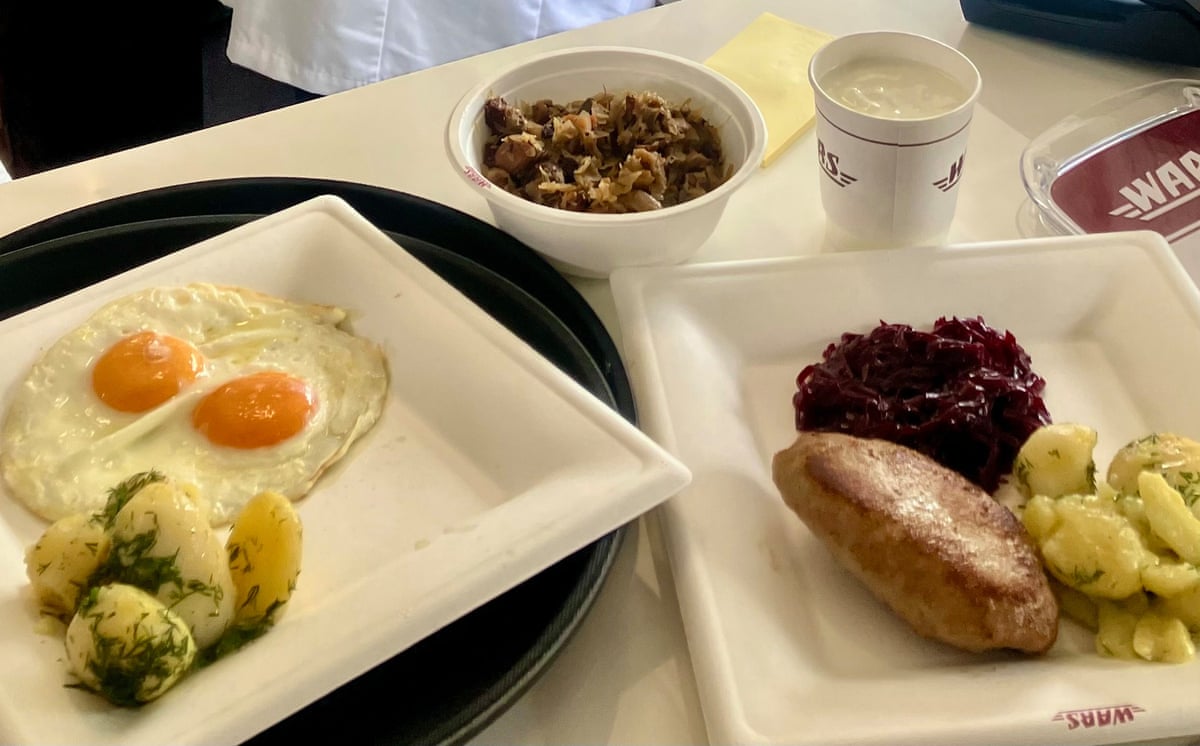
Following the aroma of fried sausages, I made my way to the dining car. The WARS catering company, which has provisioned Polish train passengers since 1948, had prepared menus and tableware authentically matching the era. I found a stool beside fellow traveller Anita and her son—who I later discovered was concert pianist Jan Lisiecki, visiting from Calgary with family connections to Gdańsk. "In the 1980s, trains were packed. You'd even have people standing in the toilet. This is nothing," Anita remarked.
My meal of fried eggs, potatoes garnished with dill and cool kefir proved freshly prepared and delicious. When I inquired about another passenger's soup, he explained: "This is flaki, made with tripe." The food, though rooted in communist-era tradition, was far from the dismissible fare one might expect. WARS's spring 2026 menu featured traditional items including sour rye soup with boiled egg, white sausage, horseradish, marjoram and bread.
The passing landscape—wind turbines, Scots pine forests and cabbage fields—proved unremarkable. The train itself, with its handsome period interior, was the true attraction. Even the windows opened fully, as they had decades earlier, permitting passengers to lean out and feel the rushing air.

Why Polish rail journeys captivate travellers
Exploring Poland by train has yielded countless memorable experiences. I have traversed the country from the industrial yet rapidly evolving city of Katowice in the south to the Baltic port of Gdynia in the far north, yet much remains undiscovered: Lublin in the east for its underground brewery, and Zakopane for its gateway to Tatra Mountain hiking. The trains will carry me there eventually. With my phone battery depleted—the retro theme extended to an absence of charging sockets—I reflected on previous highlights.
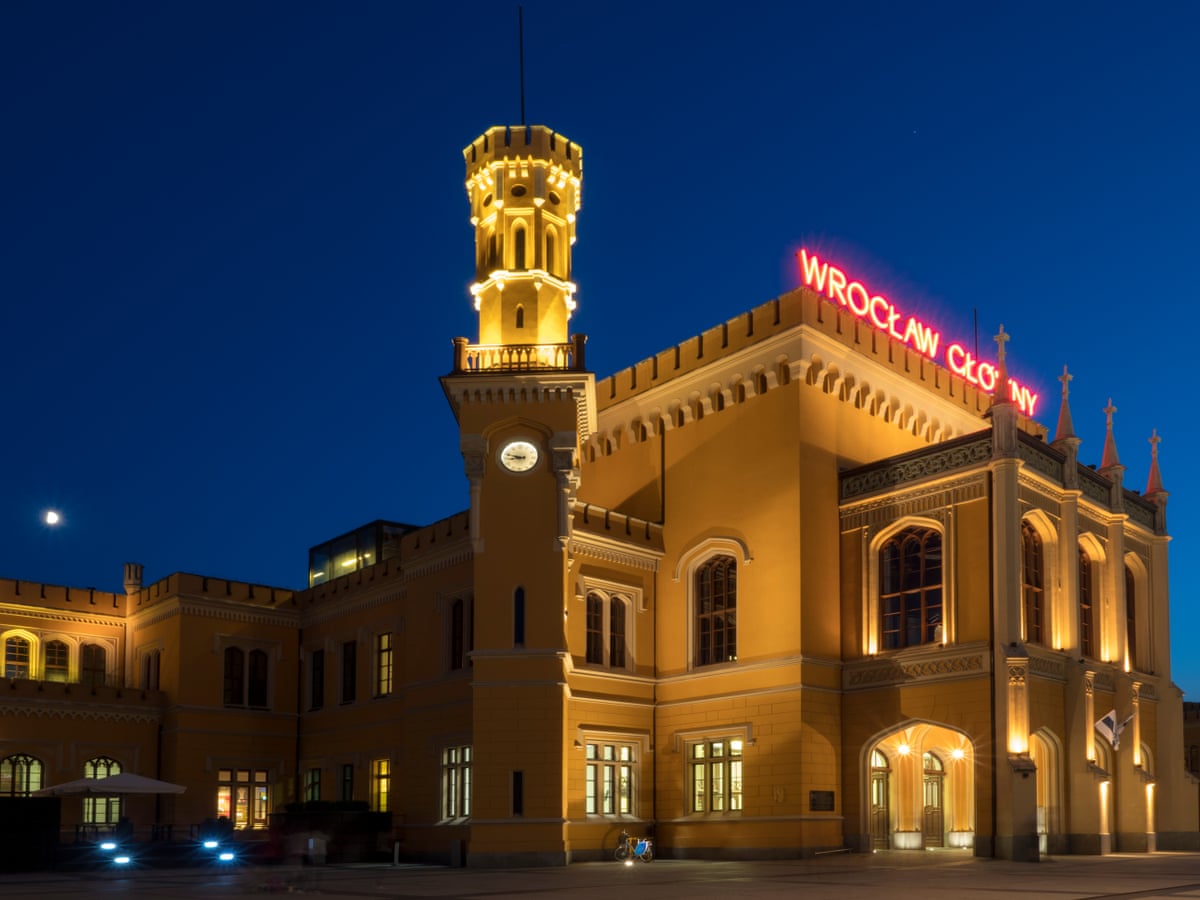
Sometimes the railway station itself becomes the destination. Wrocław Główny, a neogothic structure completed in 1857, merits a visit solely for its stained glass, 1950s neon signage and wood-panelled ticket counters.
Pleasure also emerges from stopping at locations simply because the timetable permits it. Such was the case during my visit to Toruń in north-central Poland. After leaving the train and crossing the Vistula River on foot, a magnificent panorama of the medieval old town gradually revealed itself. I subsequently discovered a small museum honouring the city's celebrated son, Tony Halik, an adventurer and reporter whose photographs documented his Jeep journey from Argentina to Alaska between 1957 and 1961.
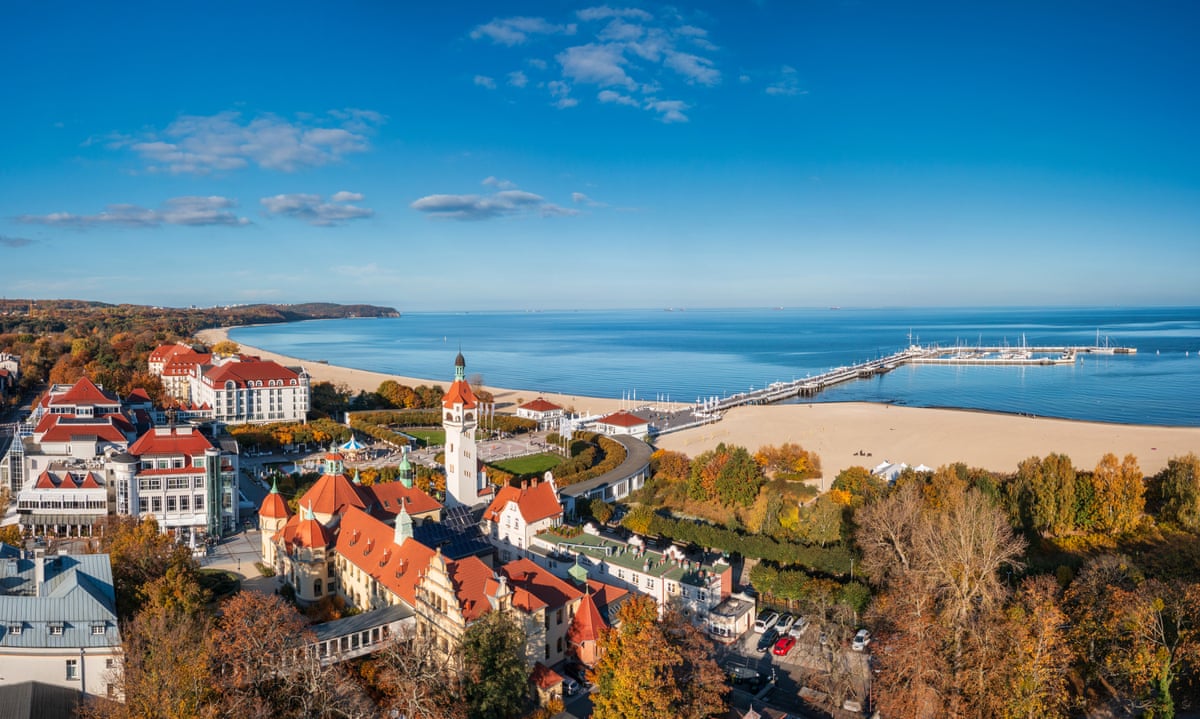
The following day, I travelled by train from Toruń northward to Gdańsk Główny—another photogenic station with its distinctive clock tower and copper-clad turrets—before switching to a 20-minute service to Sopot, a resort town on the Baltic Sea. A walk past sea buckthorn bushes led me to Bar Przystań, renowned for its fisherman's soup featuring halibut, salmon and herbs. There I purchased my first jagodzianka, Poland's celebrated blueberry-filled bun, before boarding the train to Katowice.
Returning to the retro train with 45 minutes remaining before arrival at Poznań, I ventured once more into the bustling dining car. The queue remained lengthy, yet staff remained welcoming. The apple pie offered generous fruit filling. As I grimaced at the harsh, grainy coffee, my neighbour observed: "That's the old, traditional stuff—still the only coffee my grandma drinks." Another nod to the past, and therefore forgivable.
What makes these retro journeys special
The reluctance to see the journey conclude contrasted sharply with my anticipation of returning to Poznań. A train had brought me to the city two years prior, when I had been captivated by its vibrant atmosphere and energy, its Palmiarnia Poznańska—one of Europe's largest greenhouses—and the atmospheric milk bar Pod Arkadami. Time constraints had prevented me from visiting the St Martin's Museum, dedicated to Poznań's signature rogale świętomarcińskie (St Martin's croissants), iced pastries with white poppy seed filling, which offers baking classes.
These unhurried trains present a striking contrast to Poland's rapidly modernising rail infrastructure. To accommodate growing demand, disused carriages are undergoing restoration while additional rolling stock is being imported from abroad. Furthermore, in February 2026, Poland received the Rail Champion award in Brussels for its advancement of rail transport across Europe. With such a promising future, indulging in thoughtful nostalgia—bitter coffee included—seems entirely justified.
Planning your own retro journey
Tickets for the Nieśpieszny service begin at £20. Ticket sales opened in the second half of March through PKP Intercity's website, app and station ticket offices, with availability released 30 days before each departure. A mobile app and website dedicated to Poland's railway system proves invaluable for navigating connections and schedules across the country.