Sunlight filters through a narrow stone aperture, warming wooden floorboards that creak underfoot. Sheep bells echo from a nearby flock. The aroma of freshly baked bread mingles with smoke from an earlier fire. The experience feels like stepping into another era—yet this is contemporary Albania, where a growing initiative is transforming historic tower houses into distinctive accommodation for travellers.
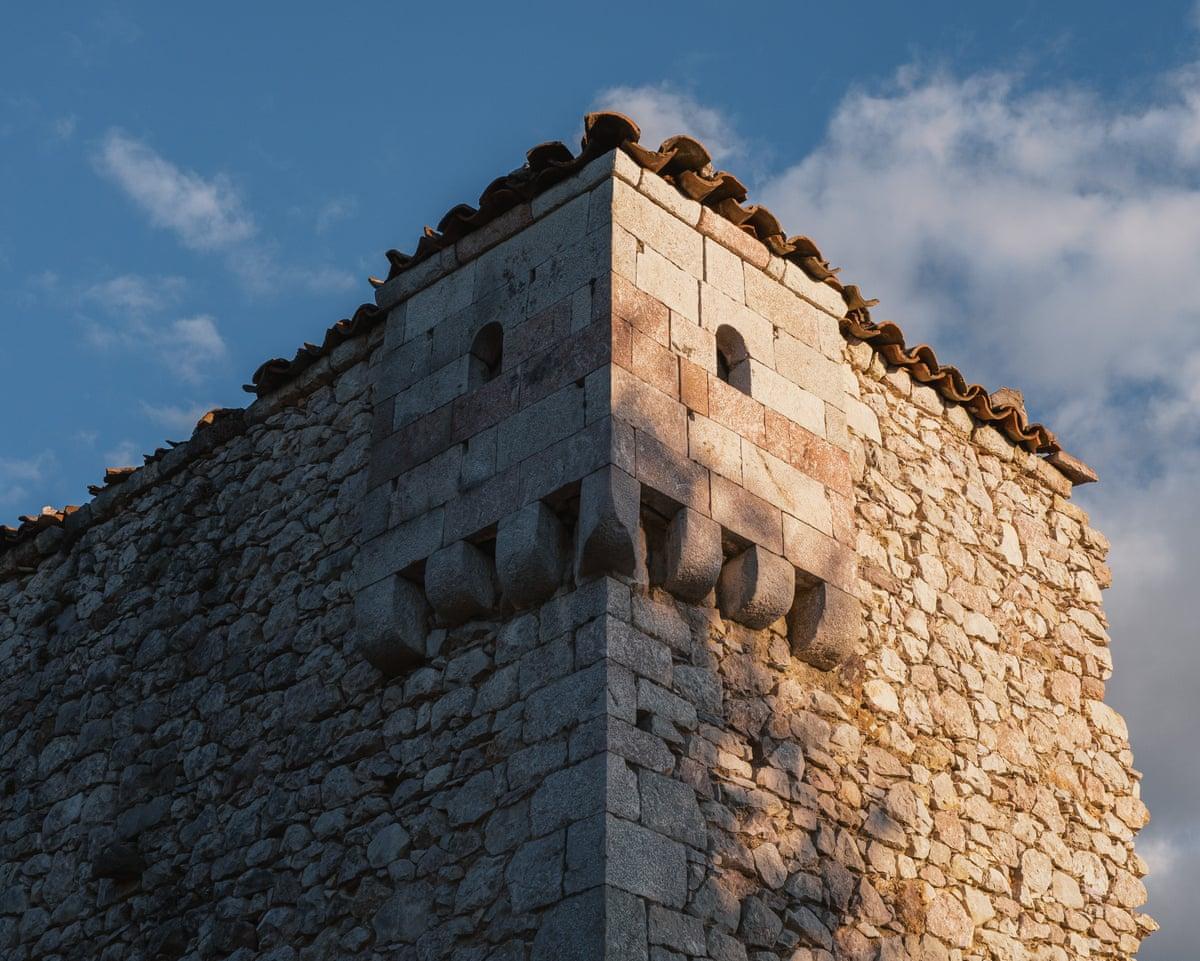
According to The Guardian, a project centred on the Tower Trail is converting traditional kulla houses—stone tower structures found throughout northern Albania, Montenegro and North Macedonia—into guesthouses that offer visitors an authentic experience of the region's ancient hospitality customs. These fortified dwellings once sheltered families during periods of conflict and provided refuge for merchants traversing trade routes, before falling into abandonment during the 20th century. The initiative aims to restore these structures and provide access to parts of Albania that have remained largely untouched by tourism.
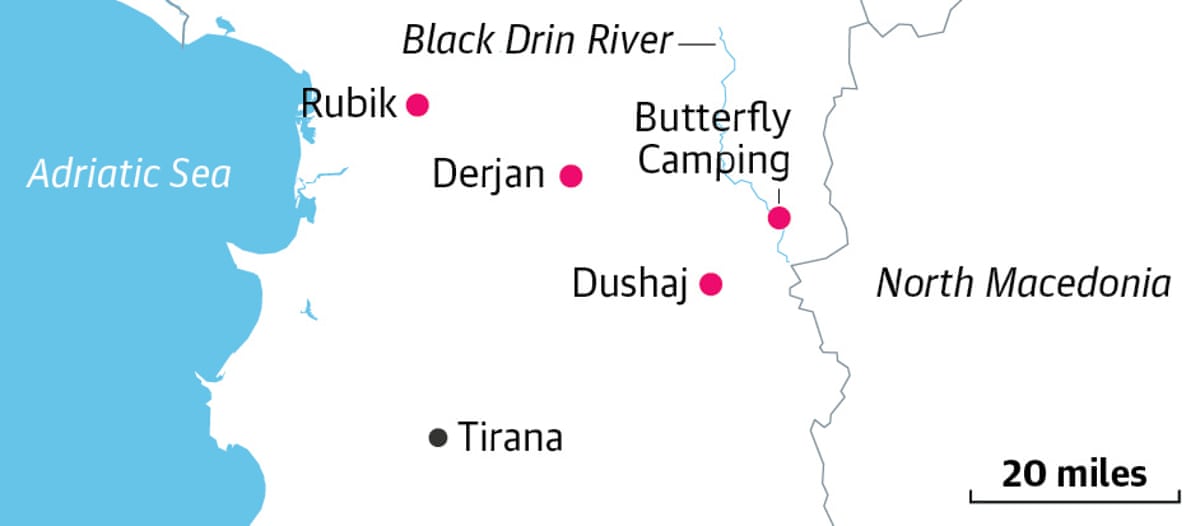
The Tower Trail traverses some of the least visited territories in north-eastern Albania, passing through the Mirdita, Mat, Bulqiza and Dibra regions. Designed as a nine-day guided walking journey spanning more than 100 miles, the route winds through traditional settlements, elevated plateaus, woodlands and river gorges. Future expansion plans include cycling and four-wheel-drive variants. Certain sections are lengthy and can be divided across two days or shortened using vehicle transfers. Accommodation options in guesthouses, agricultural properties and restored kullas enable visitors to engage with the area's cultural heritage in ways increasingly unavailable in more developed tourist destinations elsewhere in the country.
What makes kullas architecturally significant?
The kulla represents the foundation of the trail experience. Constructed traditionally from locally quarried limestone and timber harvested from surrounding mountains, these structures follow consistent architectural principles while reflecting the identity and resources of the families who commissioned them. Skilled builders created early versions to withstand the region's severe climate and turbulent history, including the 15th-century Ottoman incursion and recurring inter-tribal conflicts. Construction accelerated during the 18th and 19th centuries, but Albania's communist administration, which governed from 1944 to 1991, seized many kullas from their owners. Upon reclaiming their properties after 1991, families discovered their towers in deteriorated condition. Subsequent rural-to-urban migration during the 1990s and 2000s left numerous structures vacant and abandoned.
Why are villages losing their populations?
"We are losing traditions because people aren't staying here," explains Nik Nikolli, director of a small museum and cultural centre in the nearby town of Rubik, as we traverse the hilltop settlement of Lufaj during the trail's opening stage. He distributes complimentary hiking maps and historical documentation about the locality. Many villages along the route now contain only one or two households. Introducing tourism has progressed cautiously because accepting payment from guests contradicts deeply rooted hospitality customs. Nikolli envisions the trail encouraging residents to convert their kullas or farms into paying guesthouses, offering distinctive experiences while generating supplementary revenue for local families.
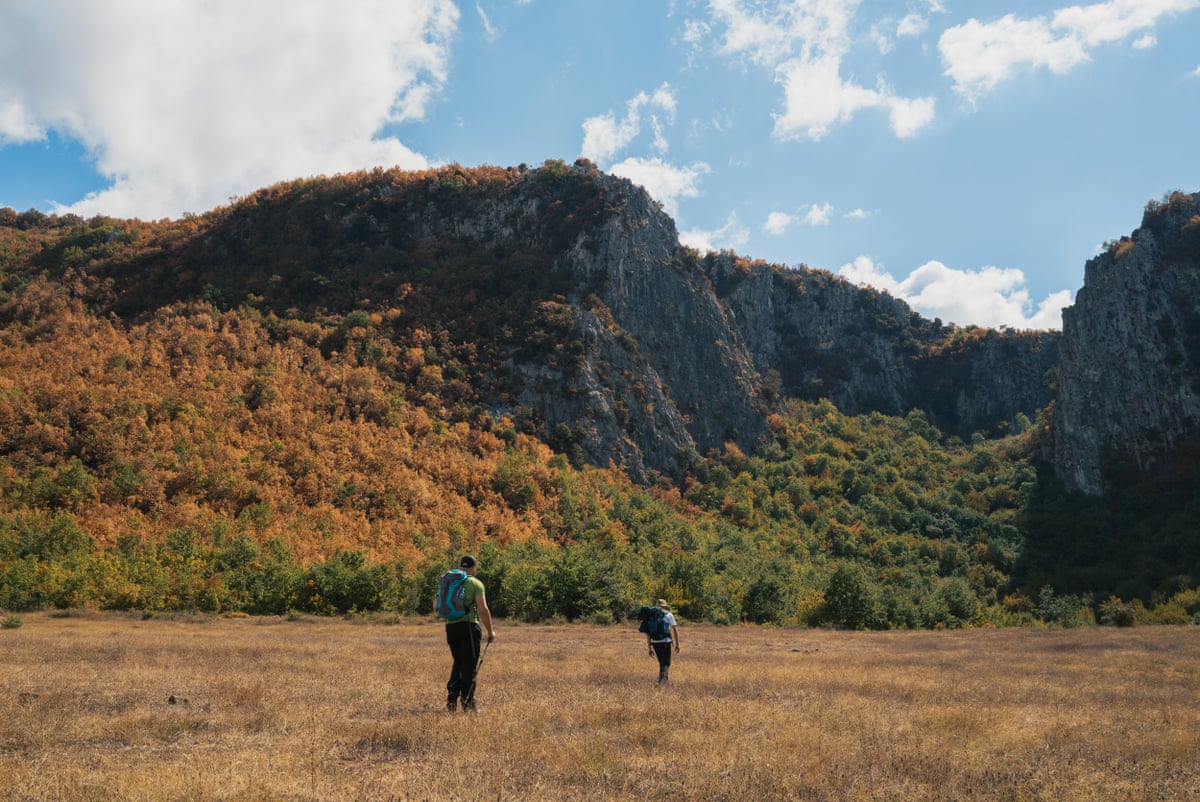
Walking the route demonstrates Nikolli's observations about depopulation and the warmth of remaining inhabitants. On multiple occasions, the journey extends beyond schedule as my guide and I receive repeated invitations to pause for coffee and consume abundant quantities of freshly gathered grapes, plums and walnuts. Farming constitutes the economic foundation of these communities, with residents labouring in fields from sunrise to sunset. Yet they consistently demonstrate eagerness to interrupt their work, welcome visitors and recount historical narratives.
How do traditional hospitality customs shape the experience?
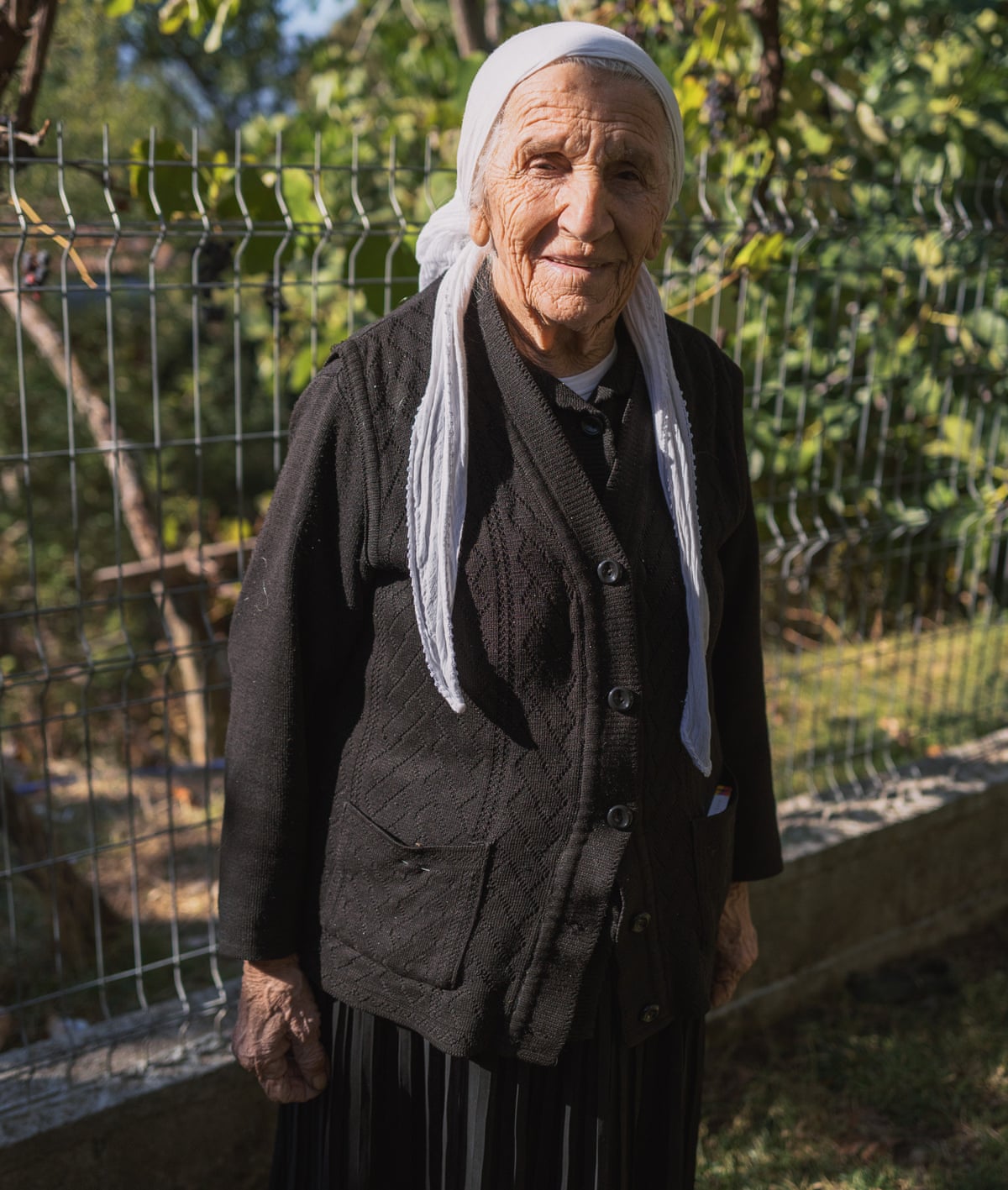
Ancient customs of hospitality persist throughout the villages. In Derjan, 91-year-old Hajrija Qerimi recounts her childhood in a substantial kulla in the adjacent village of Bruç with evident pride. Her father, a prosperous farmer remembered for his generosity, regularly accommodated travellers, with rarely fewer than 10 people gathered at the evening meal.
"My father advised me early on that everyone who comes to the house is offered food and drink, and he taught me what and how to serve,"she reflects.
"The important thing was that nobody left without receiving the absolute best hospitality."
What do restored kullas offer contemporary guests?
A significant aspect of the trail involves experiencing this traditional hospitality within restored kullas. On the fourth day, in the hillside village of Dushaj, I lodge at Kulla Hupi, which commenced operations as a guesthouse in 2021. The proprietor, Luli Hupi, laboured in a neighbouring mine for years, accumulating savings to methodically restore the structure room by room.
"When you come here, there's a family waiting for you, and you feel you're at home,"he remarks. According to Albania's State Agency for Territorial Administration, Kulla Hupi is a 230-year-old structure that received a government grant enabling expansion to eight rooms.
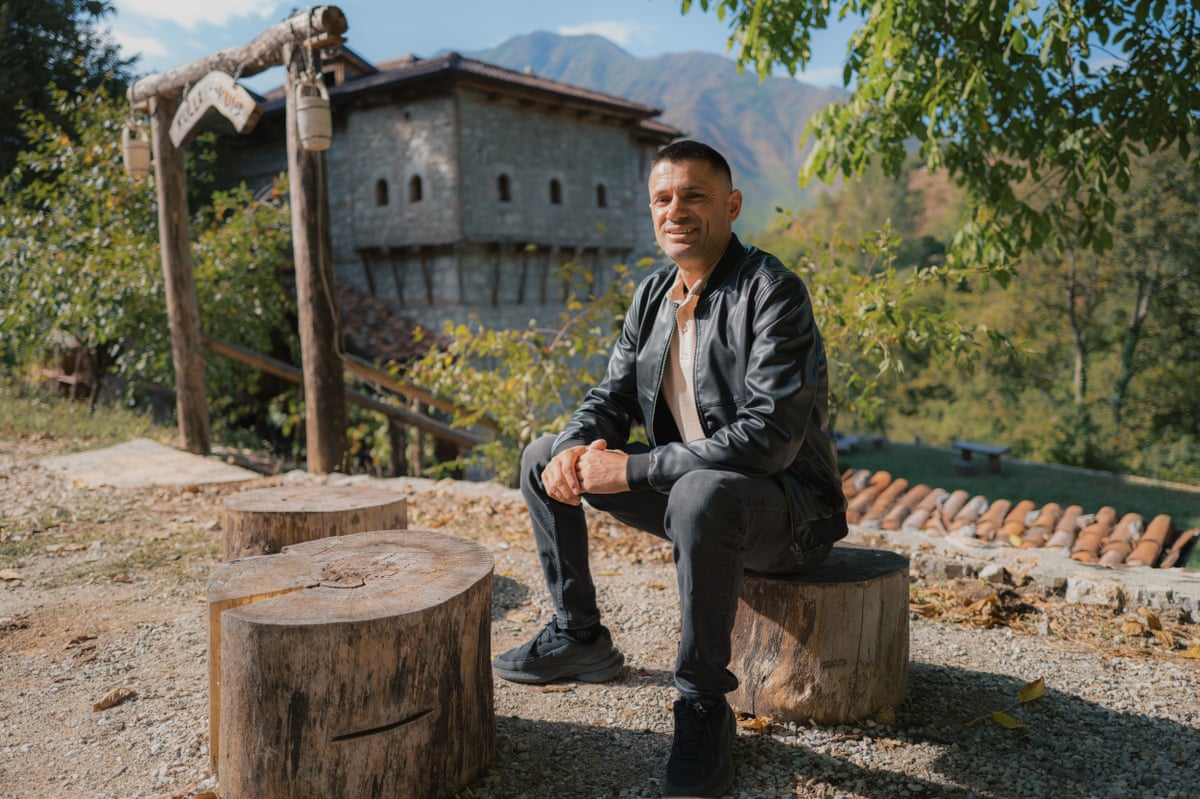
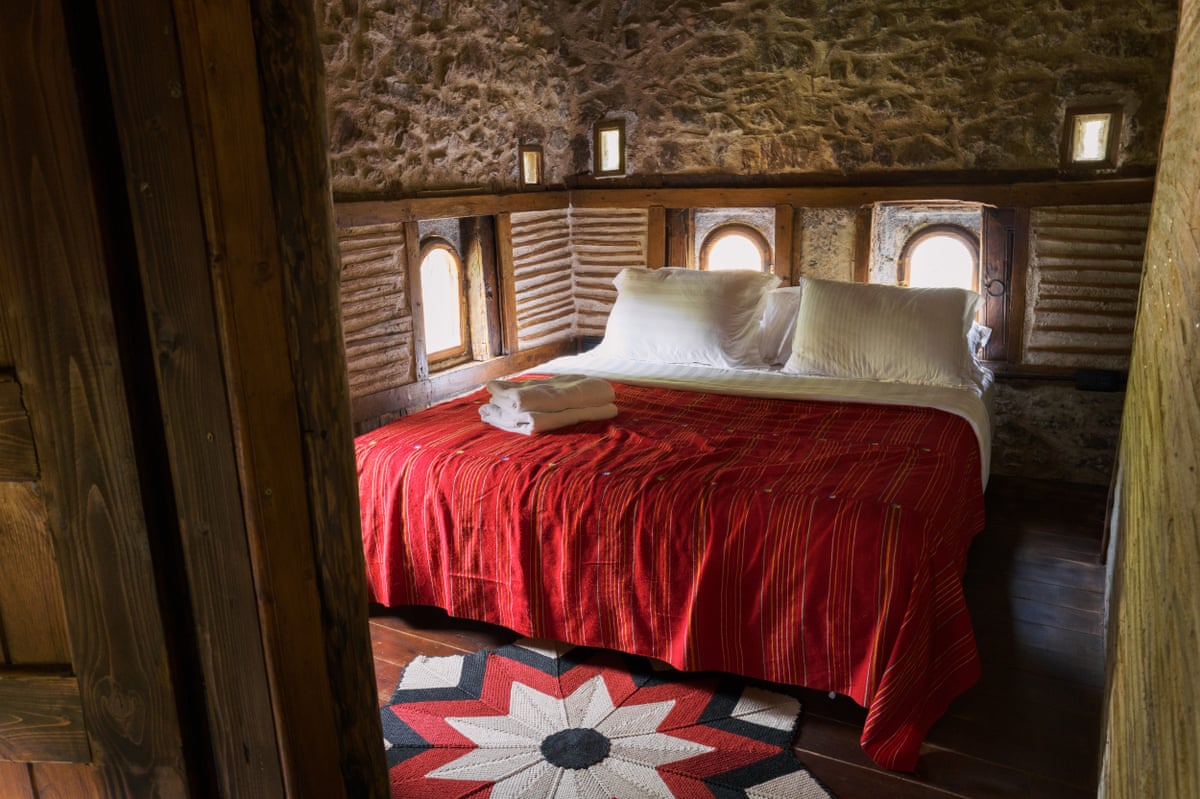
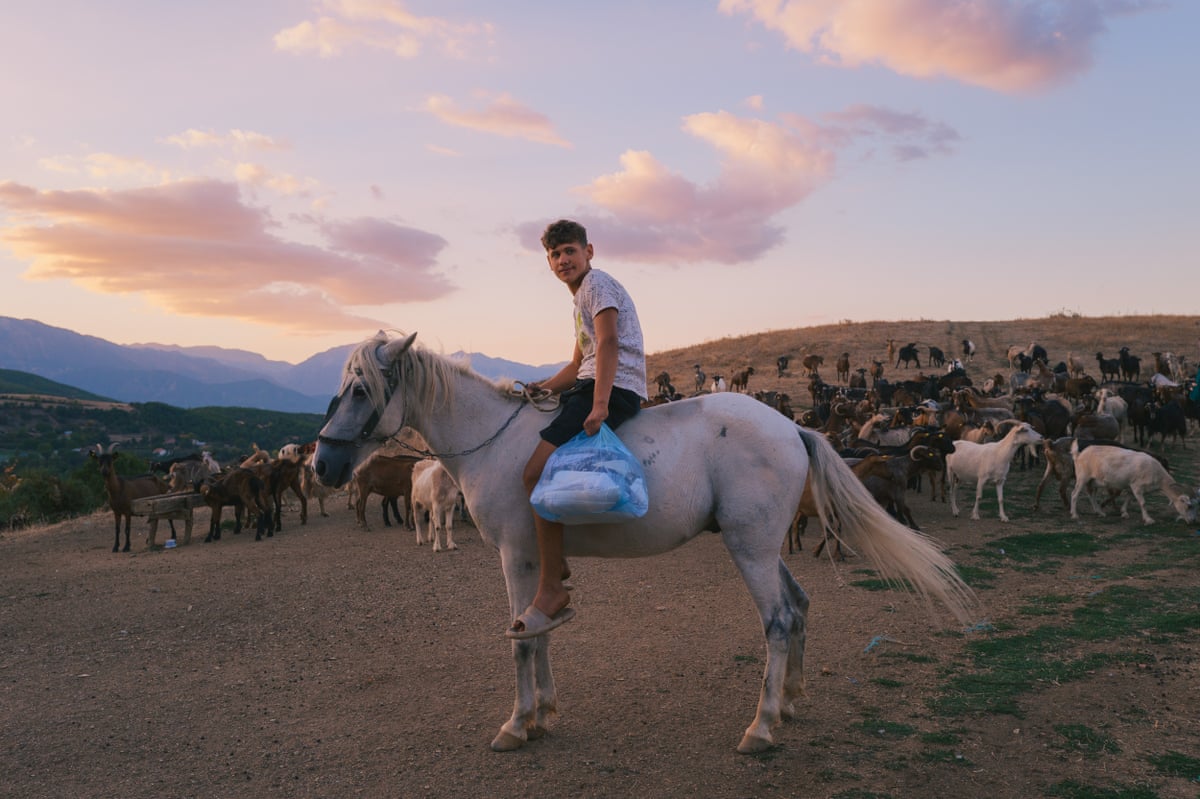
Hupi operates far more than a commercial enterprise. He actively supports the surrounding community by collaborating with more than 10 families who supply the restaurant's meat, cheese, honey, bread and additional provisions, while simultaneously serving as guides for hiking excursions, horseback riding and culinary instruction. He deliberately maintains modest guest numbers and rejects the expanding trend toward mass tourism in Albania.
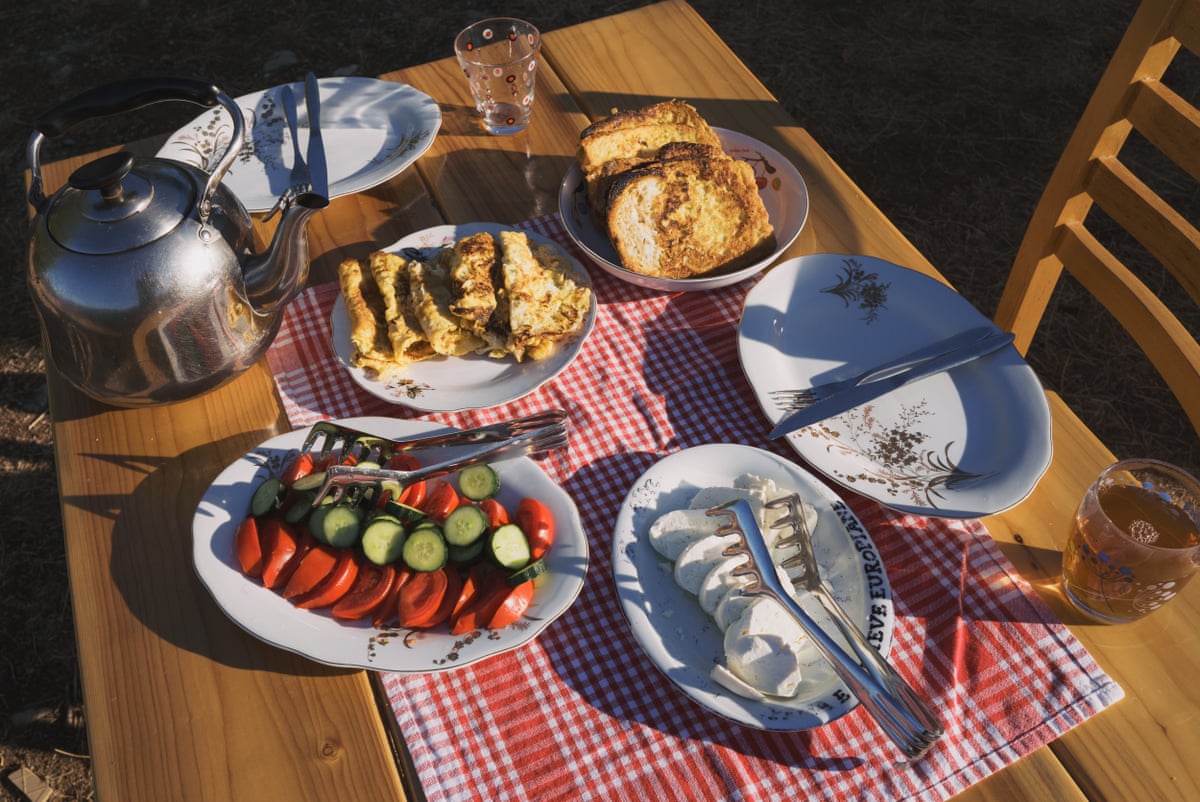
"People say I'm stupid for not having 50 tables at the restaurant,"he laughs beside a blazing fireplace in the oda, the traditional reception chamber, following a modest meal of warm corn bread, fig jam, pickled vegetables, goat's cheese and gjizë, a fresh cheese variety.
"But I don't want 50 tables, I want 10, and I want people to have to reserve a month in advance."
Hupi's philosophy visibly influences the neighbouring region, where numerous kullas are undergoing restoration and a measured approach to tourism is gaining acceptance. On my penultimate evening, I stay at Butterfly Camping, a modest facility positioned in a canyon along the Black Drin River's banks. The proprietor, Labinot Murrja, ignites an open fire, distributes a glass of locally produced grape brandy, and describes how he and his father personally cleared and levelled the riverbank terrain.
They maintained simplicity in their approach, constructing three compact cabins and reserving space for tents, dining areas and a basic kitchen structure. Murrja deliberately avoids pursuing broad tourist appeal, instead targeting visitors with adventurous inclinations, environmental interests and curiosity about village existence, where he continues residing with his family. He recounts that local residents initially questioned why anyone would travel to such a remote location. However, upon witnessing guest arrivals, they became convinced, and Murrja observes that comparable enterprises are now emerging throughout the broader region. Like Hupi, Murrja prioritises delivering distinctive experiences over maximising financial returns.
"I love this job,"he states with evident satisfaction.
"It doesn't make you rich, I'm just doing it for passion."
How is the initiative expanding beyond the original trail?
The Tower Trail initiative has evolved substantially since its inception. According to GIZ, the Tower Tour network has expanded to encompass 11 towers, six guesthouses and two agritourism farms distributed across seven northern regions, with hiking routes connecting these locations. The programme originated in 2023, establishing a rural tourism network centred on historic towers rather than treating them as isolated monuments. Six national tour operators have incorporated tower itineraries into their service offerings, broadening accessibility for potential visitors.
Governmental support has strengthened the initiative's foundation. Albania's State Cadastre Agency initiated formalisation of ownership for approximately 550 towers, a procedural step intended to facilitate investment and renovation efforts. This administrative advancement removes significant barriers that previously discouraged property owners from undertaking restoration projects.
What happens next for tower restoration?
Albania's government has adopted a comprehensive tower revitalisation programme spanning 2025 through 2028, supported by €700,000 in funding designated for restoration and operational enhancements. This multi-year commitment reflects official recognition of the towers' cultural and economic significance. The programme prioritises connecting additional towers to tourism products and expanding relationships with tour operators, ensuring that restoration efforts translate into sustainable economic opportunities for rural communities.
Albania's tourism sector has experienced substantial expansion in recent years. However, ongoing demonstrations sparked by proposed infrastructure development have prompted residents to voice concerns regarding the velocity and sustainability of tourism growth throughout the nation. With tourism concentrated predominantly on coastal and northern Alpine regions, rural inland territories have struggled to identify their distinctive appeal. By embracing the kulla and its profound tradition of hospitality, these communities may have discovered their distinctive offering. Accommodation in a restored kulla begins at approximately £35 nightly.