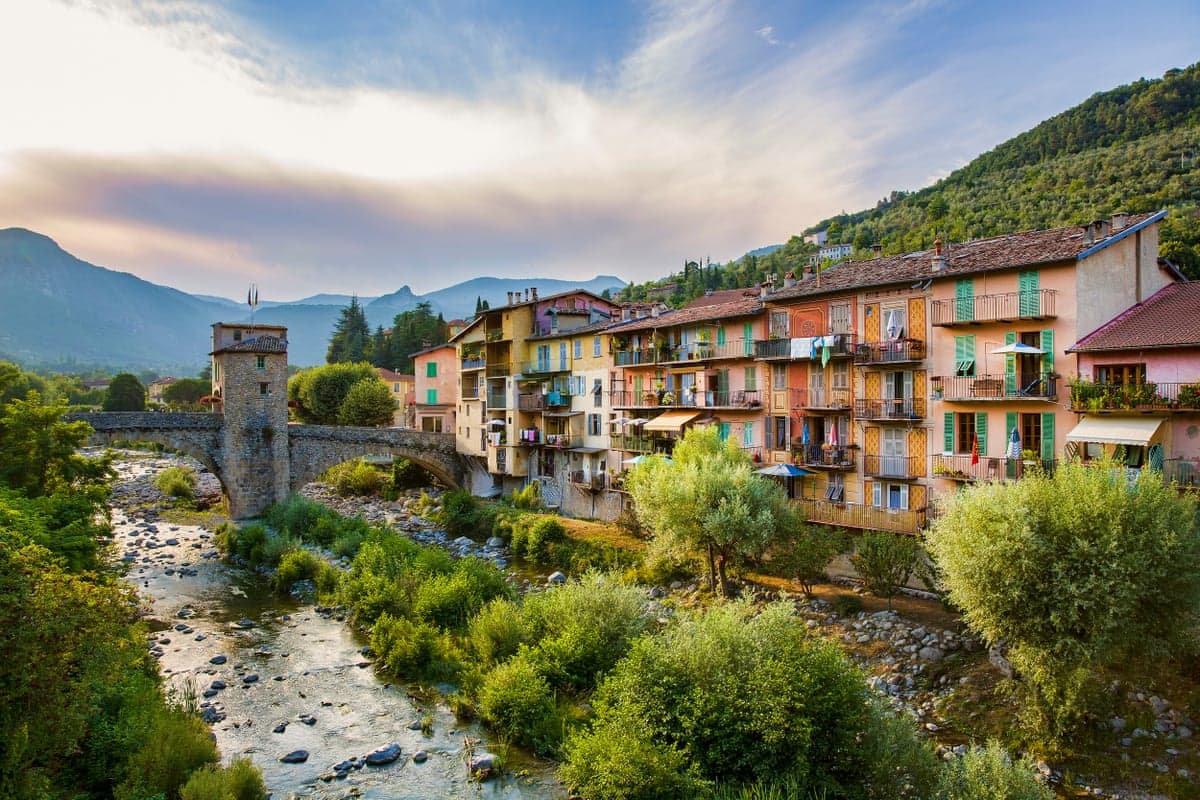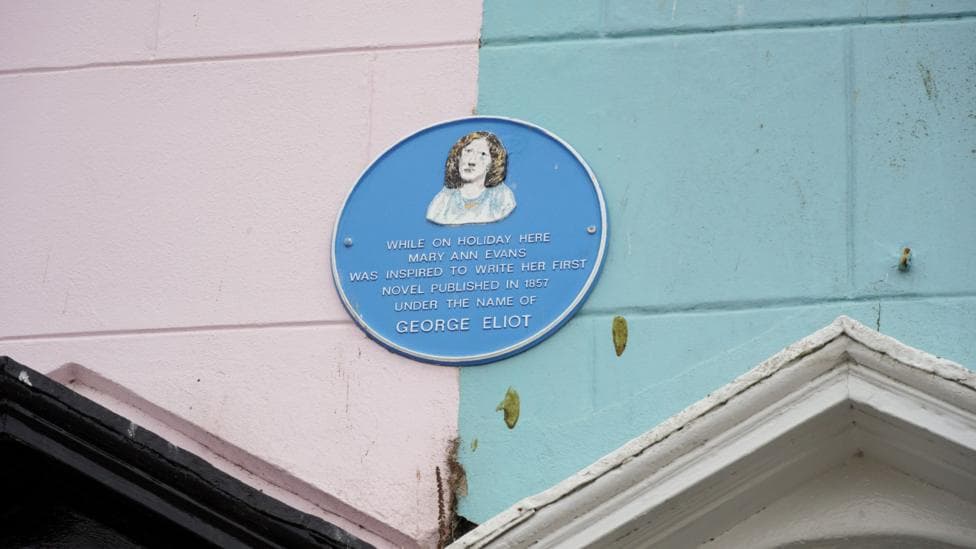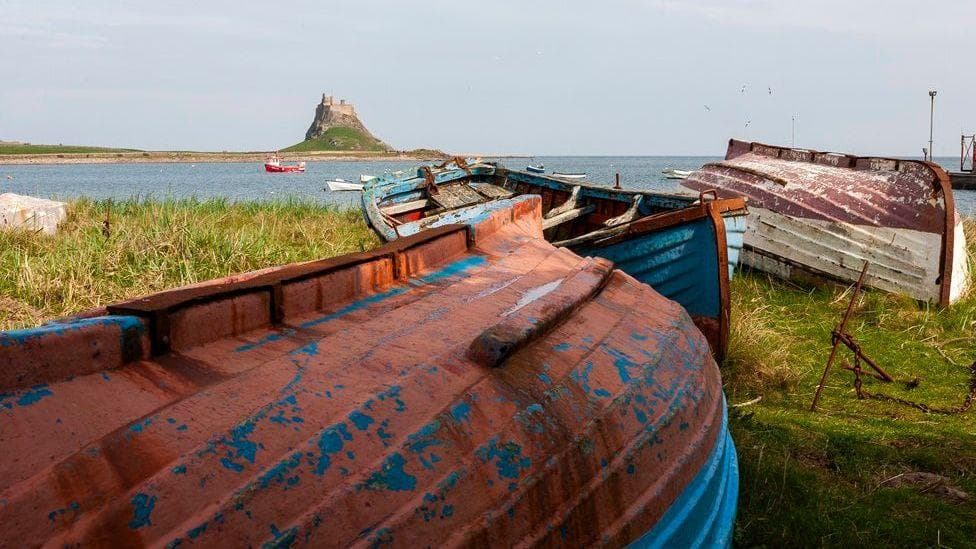
A 62-mile walking route tracing the path of a seventh-century saint through the Scottish Borders and into Northumberland has earned recognition as one of the world's most significant travel experiences. St Cuthbert's Way, which stretches from Melrose to Lindisfarne, has been selected for Lonely Planet's Best in Travel 2027 guide, placing it alongside celebrated routes such as the Darjeeling Himalayan Railway and France's Route Napoleon. The accolade marks a significant moment for regional tourism, with Visit Northumberland noting the listing is set to boost the region's profile on the global travel stage.
The route guides walkers through moorlands and past ancient hillforts while offering opportunities to rest at village pubs along the way. Lonely Planet's current description calls St Cuthbert's Way "best for a pilgrimage" and says it winds through the wild uplands of the English–Scottish border region. The selection comes as part of a broader recognition of pilgrimage and heritage walking routes as major tourism draws, with the route chosen among 50 destinations selected by Lonely Planet experts for their 2027 recommendations.
What is St Cuthbert's Way?
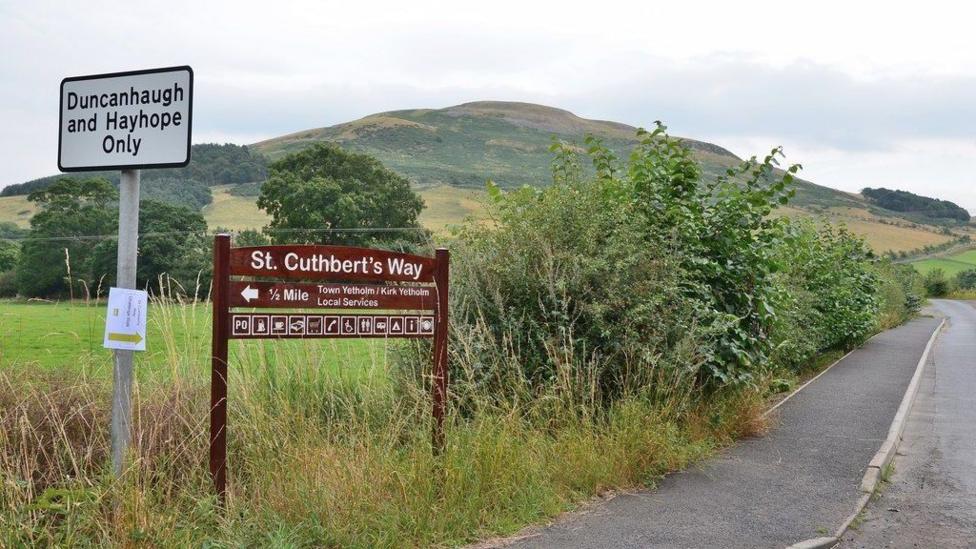
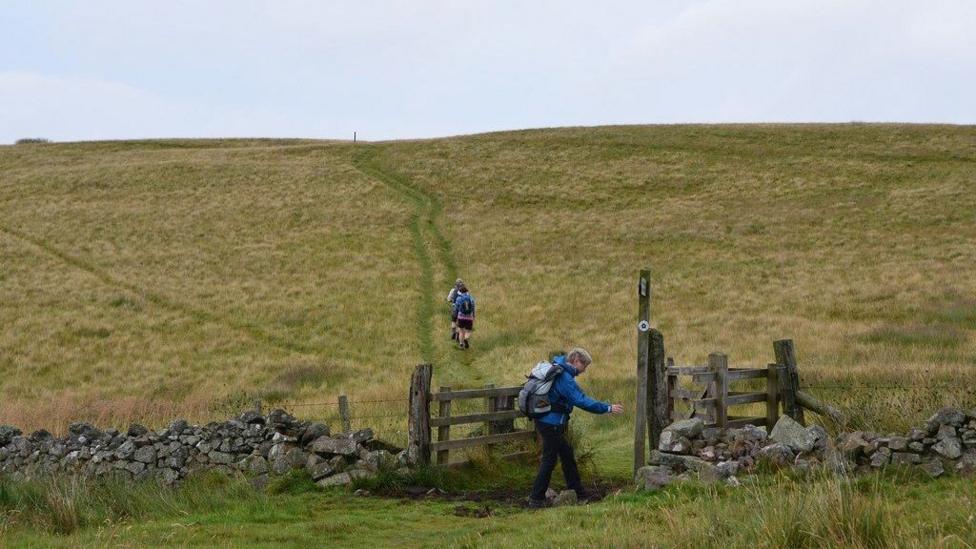
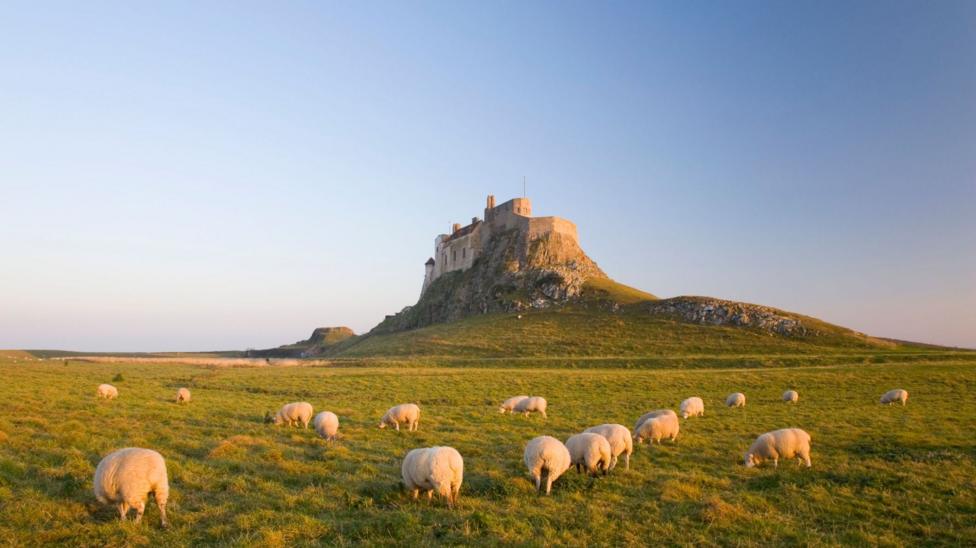
Despite its deep historical connections, the walking route itself is a relatively recent creation, having officially opened in the summer of 1996. The path begins in Melrose, where the saint commenced his religious life around 650 AD, and winds through the Eildon hills before passing Jedburgh, Morebattle and Town Yetholm. From there, walkers cross into England through Wooler, eventually arriving at Holy Island off the Northumberland coast, where St Cuthbert was initially buried.
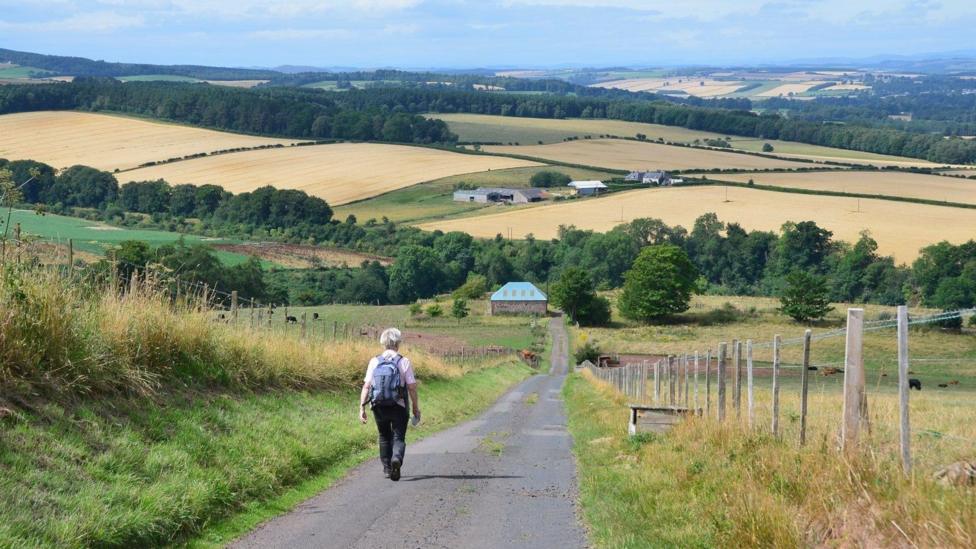
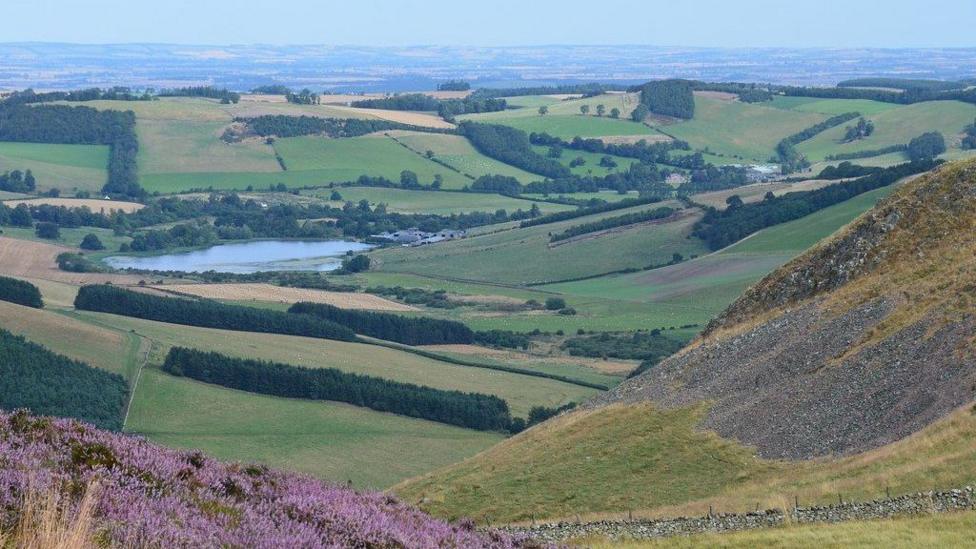
Most people undertake the journey from west to east, a direction that mirrors the chronological progression of the saint's life and also provides the advantage of having prevailing winds at their back. The walk is characterised by an "ever-changing variety of scenery and spectacular views" and can typically be completed in four to six days.
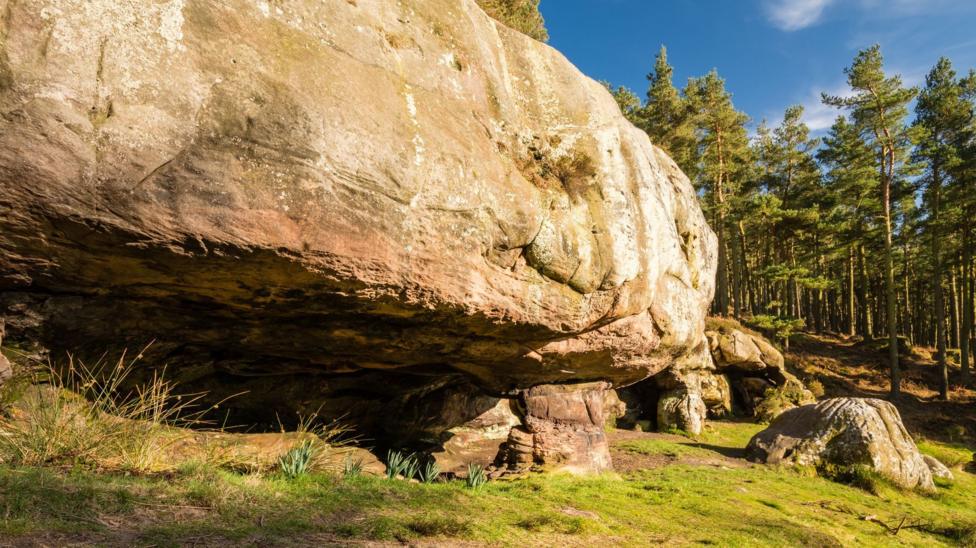
The route passes through several notable landmarks, including St Cuthbert's cave, and traverses some of Britain's most striking landscapes. Walkers experience the transition from Scottish moorland to English uplands, with the final stage crossing an intertidal zone at low water to reach Holy Island.
Who was St Cuthbert?
Born around 635 AD, St Cuthbert entered monastic life following what he described as a divine vision. The young shepherd joined the monastery in Melrose under abbot St Eata in 651. When plague struck the town a decade later, he not only survived but dedicated himself to helping victims throughout the surrounding countryside, becoming renowned for reported miracles.
Described as a "hermit by nature," Cuthbert transferred to Lindisfarne with St Eata in 664 but withdrew to Inner Farne in 676 to pursue a more solitary existence. His conservation efforts, particularly his protection of birds, earned him recognition as one of the world's earliest wildlife conservationists. He was appointed bishop of Hexham in 684 but again retreated to Inner Farne a few years later, where a small chapel now marks the location of his final hermitage.

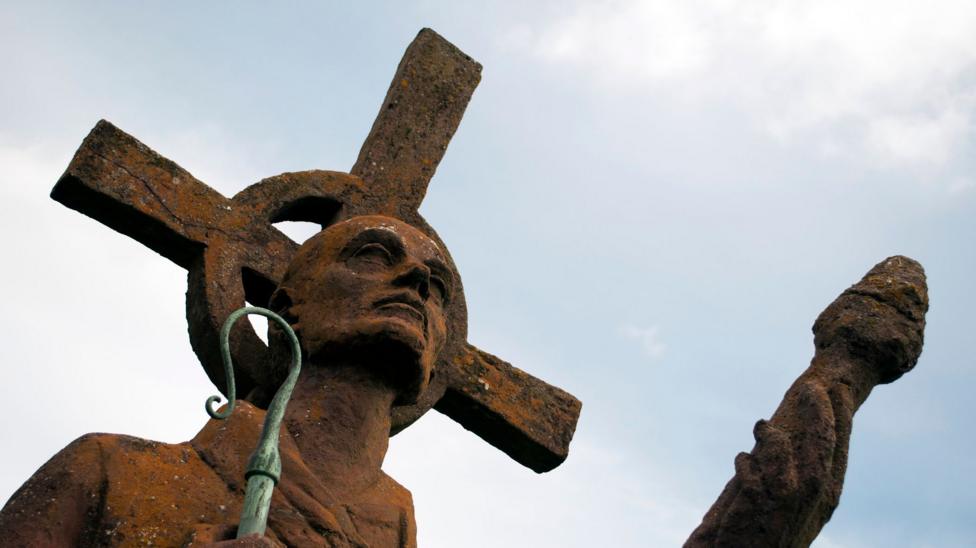
Following his death, miracles reported at his grave became so numerous that Cuthbert acquired the title "wonder-worker of England" and was subsequently canonised. His body was relocated in 875 to protect it from Viking raids and eventually transferred to Durham Cathedral, which served as a major pilgrimage destination until its dissolution by King Henry VIII in 1538. His legacy endures today, with churches, monuments, streets, schools and even a football team bearing his name.
Why was St Cuthbert's Way recognised?
Tom Hall, writer and editor for Lonely Planet, described the route as one of the "things that we think are essential experiences for the year ahead." He highlighted the distinctive character of the Scottish Borders section, noting that
"The part of the walk that passes through the Scottish Borders is really characterised by these lovely towns and villages where there's pubs, places to stop and stay alongside the beautiful scenery along the River Tweed."He continued,
"It then goes into the Cheviot Hills in England and finishes with a bit of a bang on Holy Island."
Hall observed that while readers were familiar with prominent Scottish destinations such as Edinburgh and the Highlands, they remained
"much less aware"of the Scottish Borders.
"We think there's a huge amount to celebrate there,"he said, adding that
"It often gets overlooked by visitors who are in a rush to head north. We think that the Borders make a really fantastic alternative for people who want to see a different side of Scotland."
The Lonely Planet Best in Travel guide contains 50 "inspirational travel destinations" and describes the route as "perhaps the closest thing modern Britain has to a Camino de Santiago." The selection reflects growing international interest in heritage walking experiences, with the route selected alongside other 2027 experiences such as exploring Ireland's Killary Fjord and diving shipwrecks in Greece.
What does the Lonely Planet recognition mean?
Tourism bodies along the route view the Lonely Planet listing as a significant opportunity to attract visitors. David Hope-Jones, chief executive of the South of Scotland Destination Alliance, called it a "proud day" for the area, stating that
"St Cuthbert's Way takes in some of our finest countryside and heritage, from Melrose Abbey and the Eildons to the Cheviots, and the towns and villages along the way are well used to looking after walkers."He added,
"More and more people are discovering what's on offer in this beautiful part of the country, and further recognition like this from Lonely Planet makes a real difference."
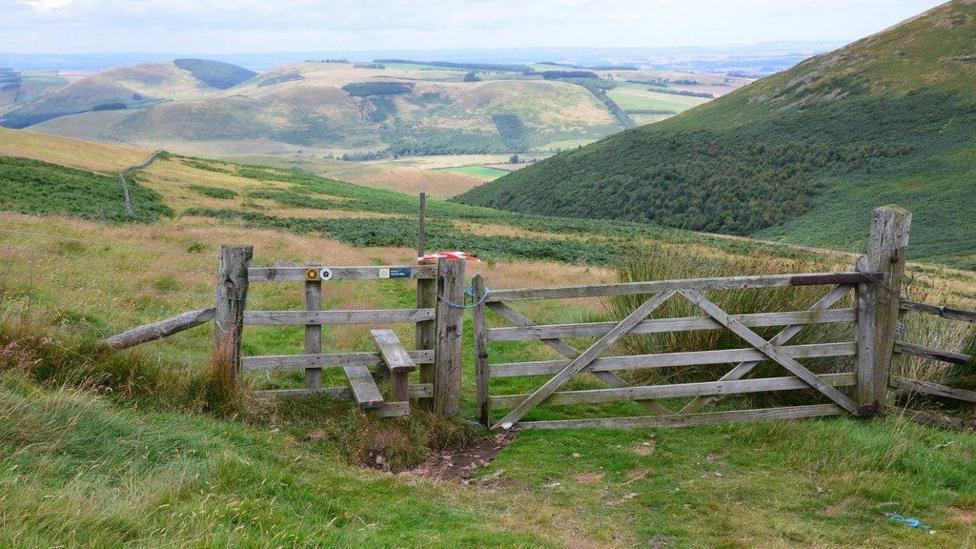
According to tourism data, more than one in three international visitors to the North East enjoy countryside walks during their trips to the region. Patricia Yates, chief of VisitBritain/VisitEngland, welcomed the recognition, acknowledging the strong appeal of walking experiences among overseas travellers.
What happens next
With Lonely Planet's Best in Travel 2027 promotion now live, regional tourism bodies are expected to leverage the listing to attract visitors throughout the 2027 travel season. The recognition builds on existing regional marketing efforts, with Northumberland tourism groups having actively promoted the route as part of the county's visitor offer. The route's new global profile is anticipated to drive increased visitor numbers to both the Scottish Borders and Northumberland, supporting local communities and heritage sites along the way.