A seafront property in Tenby, Wales, which bears a commemorative plaque crediting it as the inspiration for a Victorian novelist's debut work, is now the subject of a planning application seeking to formalise its use as holiday accommodation.
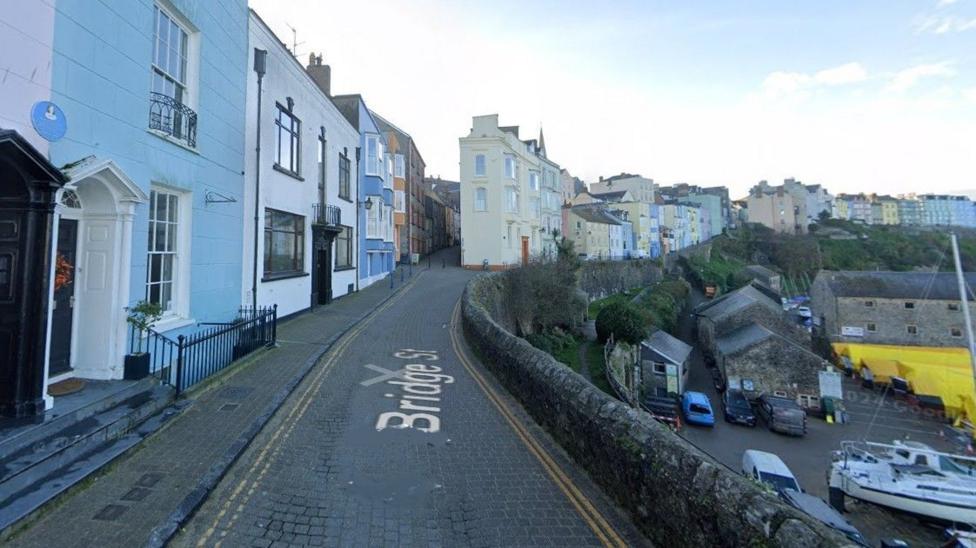
Gwynne House, a Grade-II listed building forming part of a pair of early 19th-century structures overlooking the harbour in a conservation area, has operated intermittently as visitor accommodation. The current owner, Pavel Stepanek, who acquired the property in July 2021, has submitted an application to Pembrokeshire Coast National Park for a certificate of lawfulness to legitimise the holiday let use.
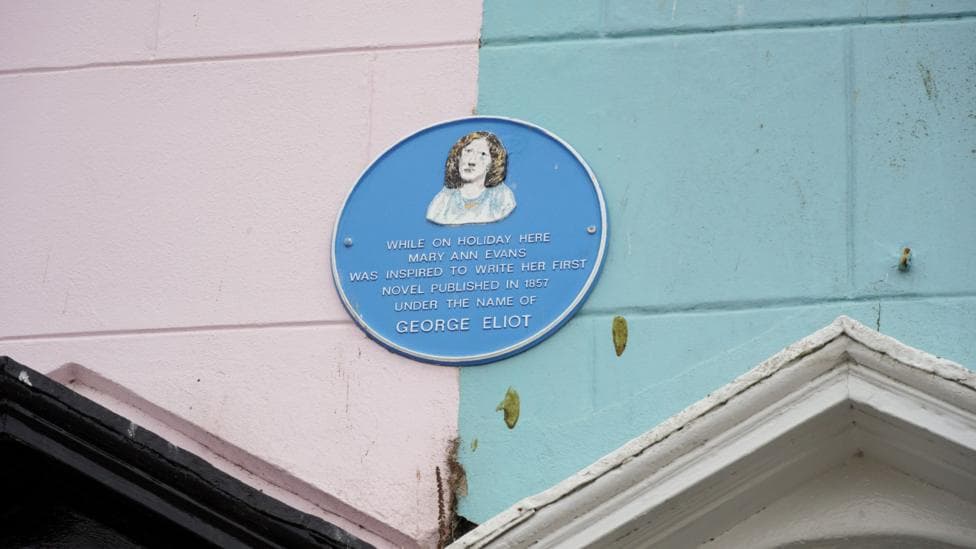
The plaque affixed to the building's facade records that George Eliot—the literary pseudonym adopted by Mary Ann Evans—drew creative inspiration from her stay at the house in 1857, which led to the composition of her first novel.
What is a certificate of lawfulness?
A certificate of lawfulness permits a property owner to retain or continue a use of land or a building without formal planning permission, provided the applicant can demonstrate that the use has been carried out continuously and openly for a specified period. This legal mechanism protects established uses from retrospective enforcement action.
The property's planning history
According to documentation submitted with the application, Pembrokeshire Coast National Park approved a mixed-use scheme for Gwynne House in 2014. That consent authorised residential accommodation in the basement level alongside guesthouse facilities on the ground and two upper storeys. However, the property's actual operational use diverged from this permission.
A witness statement prepared for the current application asserts that when Stepanek completed his purchase in July 2021, Gwynne House was already functioning as a holiday let, despite the 2014 consent restricting it to guesthouse use. The statement notes this distinction:
demonstrating that the holiday letting use had commenced prior to his acquisition of the property.

Following purchase, the building underwent substantial refurbishment work spanning late 2021 into early 2022. Once those works concluded, the property resumed operation as a self-contained short-term holiday let, a status it has maintained since. The basement-level residential flat continued under the terms of the 2014 permission.
Why was the application necessary?
The submission acknowledges that Wales introduced a new Use Class C6 classification for short-term holiday accommodation in late 2022. This regulatory change created planning implications for properties operating as holiday lets. The applicant's statement indicates that Stepanek was initially unaware of this classification and its consequences, having relied on the property's established history as visitor accommodation previously authorised as bed-and-breakfast or guesthouse use.
For the purposes of this application, however, the controlling legal principle is the four-year rule. Under planning law, a use that has been carried out openly and without interruption for four years or more may acquire immunity from enforcement, meaning the local authority cannot take action to stop it even if it lacks formal permission. The application argues that the holiday let use satisfies this threshold.
Who was George Eliot?
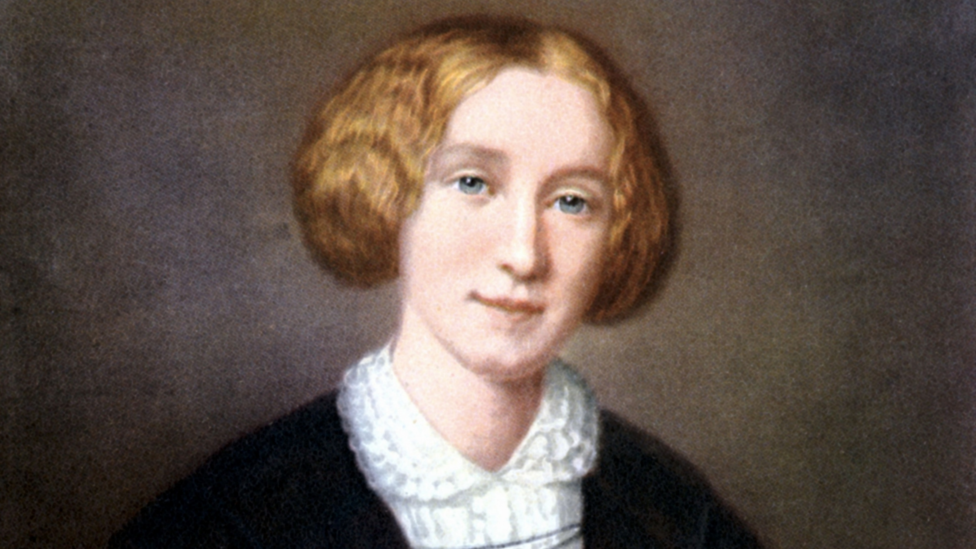
Mary Ann Evans, born in 1819 in Warwickshire, began her literary career by composing narratives centred on the inhabitants of her native county. Her first published novel, Adam Bede, appeared in 1859. She adopted the masculine pen name George Eliot deliberately to circumvent the literary prejudices of her era, when female authors were routinely pigeonholed into the romance genre and their serious work dismissed accordingly.
Residing in London during her productive years, Evans travelled to Tenby in 1857, where the coastal setting and local atmosphere furnished the creative spark for her inaugural novel. Her most celebrated work, Middlemarch—a densely layered examination of provincial English life in the early 19th century—was published in 1872, just six years before her death in 1880.
What happens next?
Park authority officials will review the application and render a decision at a future date. The outcome will determine whether Gwynne House may legally continue its holiday let operations under the certificate of lawfulness mechanism or whether the applicant must pursue alternative planning routes to formalise the use.
Key Facts
- Gwynne House is a Grade-II listed building in Tenby's conservation area, overlooking the harbour
- The property bears a plaque commemorating George Eliot's 1857 stay, which inspired her debut novel Adam Bede
- The current owner acquired the property in July 2021 and seeks to formalise its operation as a holiday let under the four-year immunity rule
- A 2014 planning permission authorised mixed-use occupation with guesthouse facilities, but the property has operated as a holiday let instead
- Wales introduced Use Class C6 for short-term holiday accommodation in late 2022, prompting the formal application