

Edinburgh's summer festivals draw hundreds of thousands of visitors every August, but new analysis suggests the real cost of attending depends heavily on where people stay rather than what they pay to get into shows. A review of ticket prices across the city's major festivals over the past decade found that, once adjusted for inflation, the cheapest tickets at most events have actually become slightly cheaper in real terms, even as accommodation costs have surged.
The Scottish capital becomes a festival city each August, hosting the Fringe, the Edinburgh International Festival, the Royal Edinburgh Military Tattoo, and separate film, art and book festivals. Concerns about the overall cost of attending have grown in recent years, prompting a closer look at whether performers and audiences are genuinely paying more to take part.
Who is feeling the squeeze?
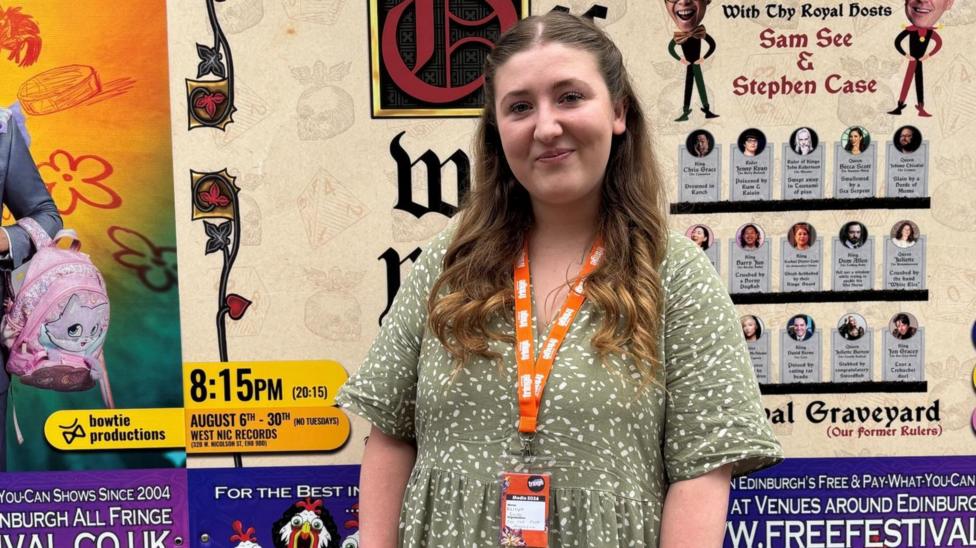
Kaitlyn Smith has attended the Fringe every year since she moved to Edinburgh from Orkney a decade ago, and has taken flyering work to help cover the cost of watching a range of shows across a single day. The 25-year-old said expense was now the single biggest obstacle stopping local residents from experiencing the festival fully.
"A full day out at the Fringe, you can spend £100 or £200 in a day," she said.
"If you are coming on holiday, you know you are coming to the Fringe. You know that you are saving up money to see it, but we're here the whole month and obviously we would like to try and do the Fringe as well. But you are paying £7 or £8 for a pint, £10 or £12 for food - that's one meal. And that's not even starting on your tickets for shows."
"I think the shows are worth it, but if you want to see a big volume, you just can't."
What is driving up costs for organisers?
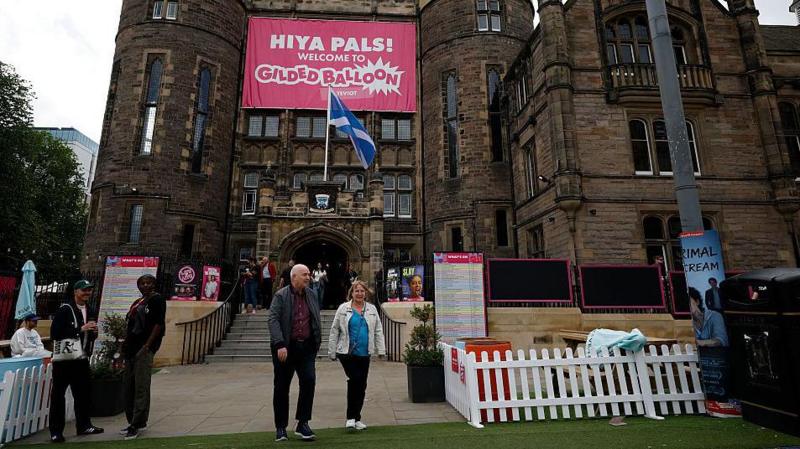
Darren Neale, venue director at Greenside Venue in Edinburgh, said almost every expense involved in running a Fringe venue has climbed sharply in recent years, from utilities and insurance to technical equipment and transport. He said housing costs for staff and performers had risen most dramatically of all.
"The cost of staying in Edinburgh during August has risen exponentially over the last decade, creating challenges not only for performers but also for the staff and freelancers who make the festival possible," he said.
"We have seen our accommodation cost rise on average by 300% in the last decade."
"The festival's affordability is one of the reasons it has become the world's largest arts festival, and there is a real balance to be struck between paying people fairly, covering rising costs and keeping live theatre within reach of audiences."
How much has accommodation actually gone up?
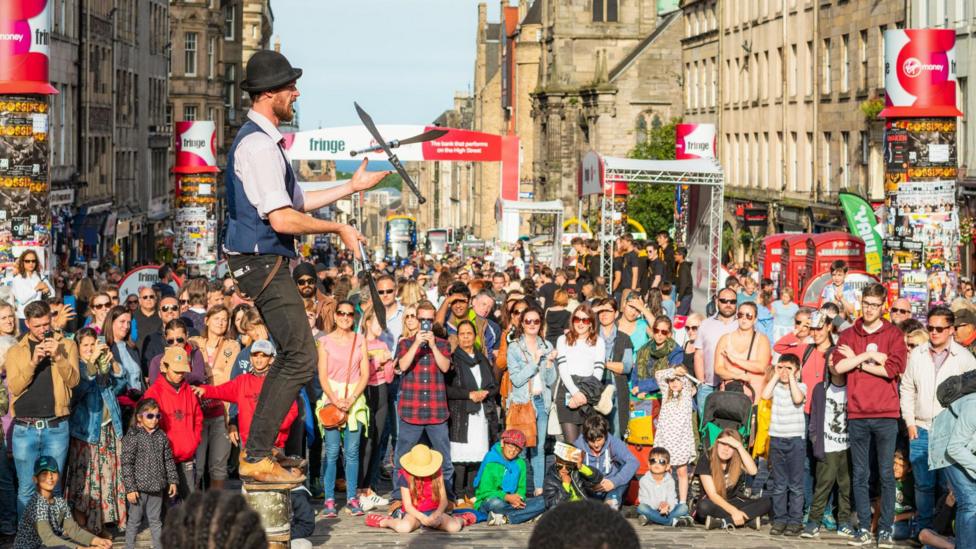
Somewhere to stay during August has long been a source of frustration for festival-goers and performers alike. A dip in Fringe ticket sales in 2022 was linked to rising accommodation costs, though sales have since recovered, passing 2.6 million last year. Earlier this year the city lost its television festival to Manchester, with organisers pointing to concerns over accessibility, affordability and sustainability.
Figures supplied by commercial real estate data group Costar show average hotel prices in Edinburgh have climbed year on year since 2019. The average daily room rate in 2025 stood at just over £260 - up 9% on the previous August and 64% above pre-pandemic levels. By comparison, the average rate was £110 in Glasgow and £81 in Manchester over the same period.
Self-catering options are not much cheaper. Data from Visit Britain shows renting an entire property in Edinburgh for one or two people cost an average of £204.68 a day in August 2025, compared with £161.67 in Glasgow and £106.92 in Manchester. Prices can vary considerably depending on whether visitors book a private room, a shared space, or a whole property, and on how many people are staying.
This year, visitors booking accommodation in Edinburgh must also pay the city's new visitor levy, an additional 5% added to the cost of the first five nights of any stay. The charge was introduced as Edinburgh became the first Scottish city to bring in such a levy, with revenue earmarked to support housing, culture and policing across the city.
Because comprehensive data is not publicly available, it was not possible to examine accommodation costs at university-run halls used during the festivals. Separately, 1.5 million Edinburgh residents attended the summer festivals last year, up from 1.4 million in 2024. High housing costs in the capital are not confined to August, either - figures from the Office for National Statistics show Edinburgh has some of the highest average rents of any UK city year-round.
Have ticket prices risen too?
An analysis of the average cost of the cheapest ticket across the six major August festivals - covering close to 600,000 shows staged between 2016 and 2026 - examined how prices have shifted over the past decade. In cash terms, the average price rose from £10 to £12.80.

Once adjusted for inflation, however, this year's cheapest ticket works out £1.37 lower than a decade ago, when the equivalent figure was £14.17. Ticket prices in real terms were somewhat higher before the pandemic, but have remained broadly stable at around £12.75 since 2021, despite rising overheads for venues, performers and production companies.
The picture varies between festivals. Over the past ten years, the average lowest ticket price at the Edinburgh International Festival rose slightly in real terms, from £19.83 to £20. At the Edinburgh Festival Fringe, the equivalent figure fell from £14.17 to £12.80. Real-term prices also dropped at the Edinburgh International Book Festival, from £17 to £15.50, and at the Edinburgh International Film Festival, from £14.17 to £12.
The Royal Edinburgh Military Tattoo, which typically commands higher prices given its scale and production, saw the steepest rise: average lowest ticket prices climbed 36% in real terms, from £35.41 to £48.
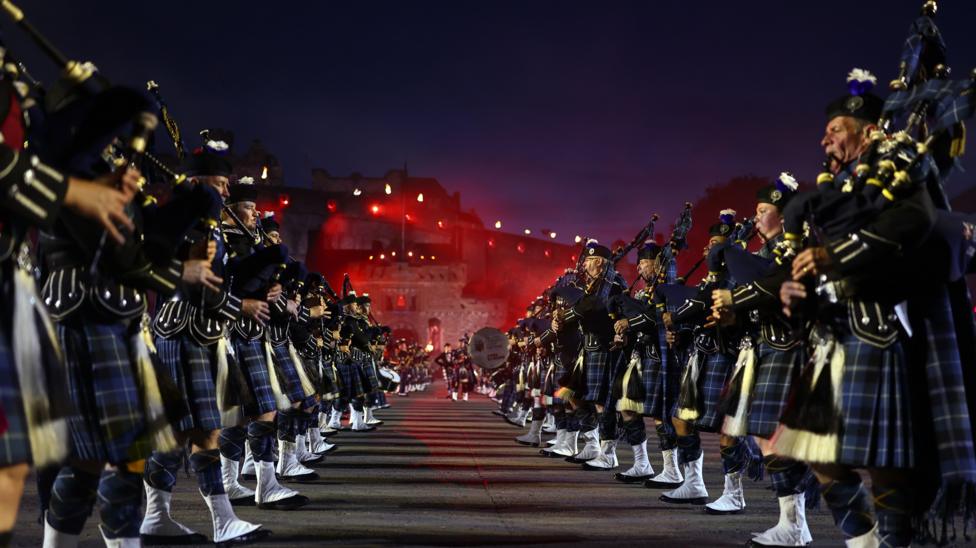
Lori Anderson, director of Festivals Edinburgh, the umbrella body for the city's major festivals, said the events remain strong value for residents and visitors.
"Costs across Edinburgh in August have risen significantly, particularly accommodation, and our festivals are actively grappling with those issues - albeit with no direct control over them," she explained.
"What we do control, however, are the events that happen every year. Our festivals work tirelessly to ensure tickets remain affordable for as many people as possible, putting in place ticket offers and concession prices for those who might otherwise feel excluded."
"We cannot be complacent - our festivals want to work with partners across the city to ensure that Edinburgh is a city where everyone can afford to live, visit and perform."
Festivals Edinburgh estimates the events generate £852m for Scotland's economy every year.
Are there ways to attend more cheaply this year?
Several festival organisers have highlighted budget-friendly options for 2026. The Edinburgh International Festival says it offers £10 affordable tickets for every performance, alongside discounted pricing for under-18s, under-30s, and D/deaf, disabled and neuro-diverse customers.
The Fringe itself lists more than 400 free shows this year, and according to the Fringe's own budget guidance, the average ticket price across the festival in 2026 sits at £13, with 813 shows running on a pay-what-you-want or pay-what-you-can basis. Separate guidance from a UK-wide culture publication notes that Fringe tickets rarely exceed £20, with most falling between £15 and £17, as reported by Time Out.
Budget estimates compiled for this year's festival season suggest a realistic mid-range day out in the city centre can cost between £200 and £300, though opting for hostel accommodation and free Fringe shows can bring that figure below £100, according to a 2026 visitor budget guide. The same guide estimates city-centre accommodation in August ranging from roughly £100 to more than £400 a night. Separately, a travel analysis from TripScot put the cost of a day trip from Glasgow - including three shows, lunch and coffees - at around £58.80 per person, or £53.20 with a railcard.
What happens next?
The Fringe's Half Price Hut, offering half-price tickets for same-day performances, is scheduled to open on Wednesday 12 August 2026, following two days of 2for1 ticket offers on 10 and 11 August, according to Fringe organisers. The 2026 Edinburgh Fringe runs from 7 to 31 August, meaning further discount offers and same-day ticket deals remain available for the rest of the month, as noted by travel budgeting analysis.
This year's festival season also arrives against the backdrop of Edinburgh's new visitor levy, introduced as the summer programme began, with proceeds intended to support housing, culture and policing in the years ahead.
About the ticket sales analysis
The ticket price analysis used official listings data from Festivals Edinburgh to examine the median lowest publicly advertised full-price ticket between 2016 and 2026. Prices were adjusted for inflation using Office for National Statistics figures to allow comparison over time. In the absence of full sales data, this method allowed for consistent, like-for-like comparisons across festivals while limiting the impact of differing pricing structures.
The analysis does not account for tickets sold at reduced prices through promotions, nor for concession pricing. Pay-what-you-can shows, free events and cancelled performances were excluded, as were booking fees, and only shows staged in June, July or August were included.
- Average hotel room rates in Edinburgh reached just over £260 a night in August 2025, up 64% on pre-pandemic levels.
- The cheapest Fringe ticket has fallen in real terms from £14.17 to £12.80 over the past decade.
- Royal Edinburgh Military Tattoo ticket prices rose 36% in real terms over ten years, the steepest increase of any festival examined.
- Edinburgh's new 5% visitor levy applies to the first five nights of any booking made during the festival season.
- More than 400 free shows and 813 pay-what-you-want performances are on offer at the 2026 Fringe, according to organisers.


