

Edinburgh has become the first city in Scotland to introduce a tourist tax. The visitor levy comes into effect on Friday and will add 5% to the original booking cost for people staying overnight in hotels, bed and breakfasts and self-catering accommodation.
The charge is expected to raise about £50m a year and is intended to help fund improvements to the capital, including new housing, cultural initiatives and a wider police presence. Opponents say the extra cost could deter some potential visitors.
The Scottish government passed the Visitor Levy (Scotland) Bill in May 2024, giving councils the power to impose a tourist tax. City of Edinburgh Council voted to introduce the charge in January last year, bringing the city into line with other popular European destinations including Amsterdam, Paris and Rome that already tax visitors.
How much is the tourist tax?
Visitors will be charged a 5% fee on top of the cost of their accommodation booking. The money will be collected by accommodation providers and passed to the city council.
The charge is capped at five nights, so people booking for the whole month of August, for example, will not pay 5% on every night of their stay.
A £100-per-night room for five nights, with a total cost of £500, would cost £525 with the levy applied. Booking the same room for 10 nights, at a cost of £1,000, would cost £1,025 with the tax.
The rate does not change depending on the time of year.
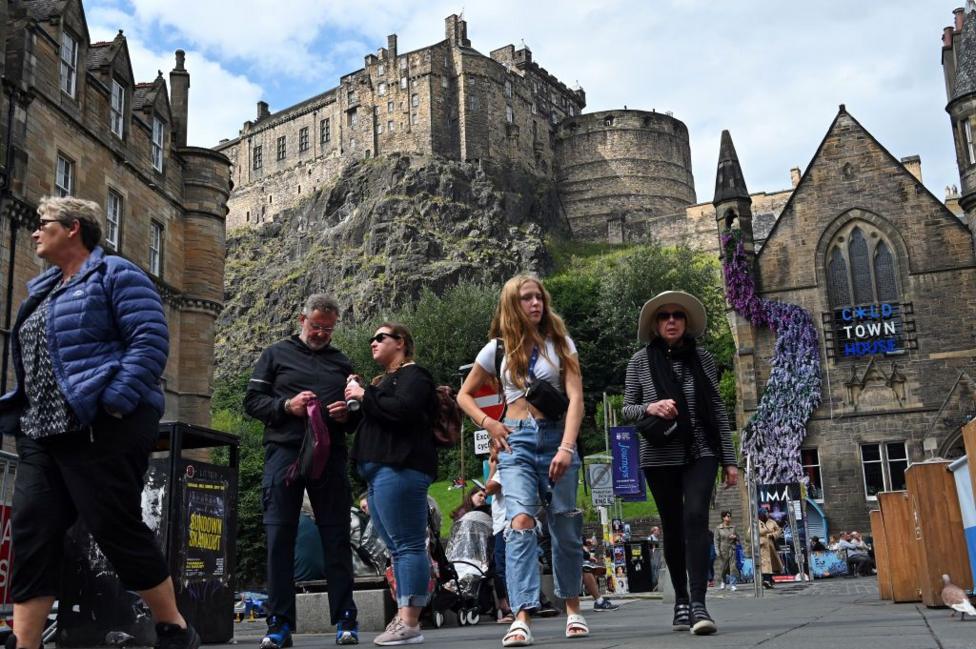
Edinburgh Castle is a big draw for tourists
Edinburgh Castle is a big draw for tourists.
Exemptions apply in certain circumstances, including for people who present as homeless and are housed in emergency accommodation, those at risk of domestic abuse or other forms of violence, and those who have to be temporarily rehoused because of poor living conditions.
Asylum seekers and refugees are also exempt, as are some people who receive disability benefits.
Everyone covered by an exemption will pay the levy initially but can claim it back later.
Who pays the tourist tax?
The levy is not paid by everyone arriving in the city, only by those who stay overnight. It is being introduced in time for Edinburgh’s traditional summer festival season in August.
The Edinburgh International Festival, Festival Fringe, Art Festival, Book Festival, Film Festival and Royal Military Tattoo all take place across the month. That means people taking a day trip from elsewhere in Scotland or the wider UK do not have to pay.
The council has backed exploring a separate tax on those arriving by cruise ship, external, in response to a Scottish government consultation.
The tax applies to people staying in a range of accommodation. Those staying in hotels, self-catering apartments, holiday lets such as Airbnbs, aparthotels, bed and breakfasts, guest houses and hostels are all eligible.
It also applies to people staying on vessels or boats that are moored in one location, such as houseboats or barges, student lets when they are not being used by Edinburgh students, and caravan and camp sites.
An exact number for how many people arrive in the city during August is not available. City of Edinburgh Council estimates about 3.85 million attendances at events across the month.
That does not necessarily equal 3.85 million people, but rather the number of times events were attended. For example, one person attending five shows in August would count as five separate attendances.
Fewer than half of those attendances, about 1.54 million, are Edinburgh residents. An estimated 860,000 come from elsewhere in Scotland.
Figures presented to the local authority by the Edinburgh Tourism Action Group (ETAG) showed hotel occupancy in the city centre during August 2025 was 90.6%, rising slightly to 91.1% in the surrounding area.
How much is the tax expected to raise?
City of Edinburgh Council estimates that about £45m-£50m will be raised by the tax by the 2028/29 financial year.
Under the terms of the legislation, funds generated by the tax must be reinvested in local services and facilities “substantially used by business and leisure visitors”.
A range of projects and measures set to be funded by the charge have already been announced.
A £5m fund to build 472 homes between the 2026/27 and 2028/29 financial years was approved by councillors in February, alongside money for public realm improvements at Hunter Square, Cramond and Portobello.

An additional £5m has been diverted to funding the restoration of Leith Theatre, while £3m will go to the long-running project aimed at turning the Old Royal High School into a national music centre.
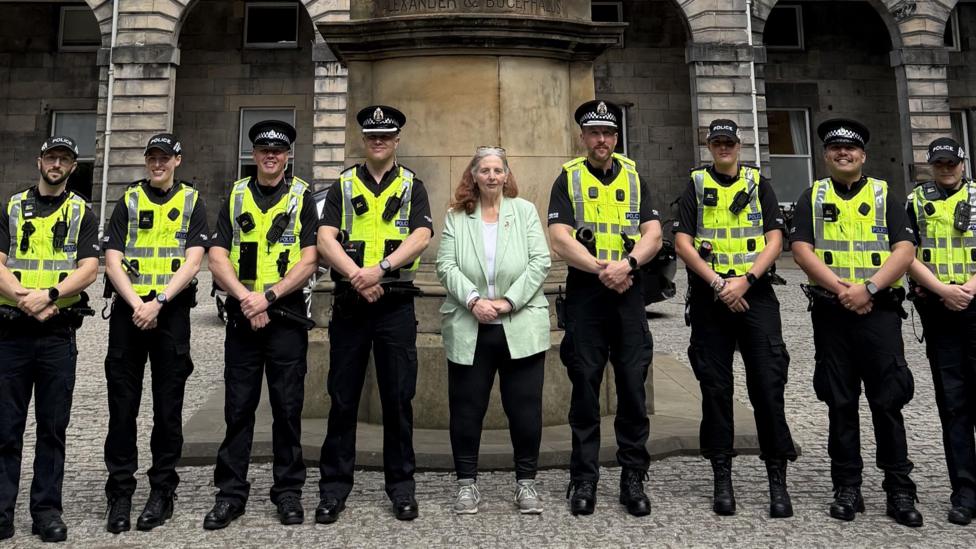
Part of the tourist tax funding will pay for new city centre police officers.
A further £3m has been allocated for new and upgraded public toilet facilities.
Earlier this month, it was announced that about £1m from the tourist tax profits would be used to launch a new city centre policing unit dedicated to supporting events.
It will be made up of an inspector, three sergeants and 45 constables. Police Scotland said it would help free up frontline officers to respond to incidents elsewhere in the city.
Accommodation providers will also be reimbursed for administrative costs of collecting the levy, receiving about 2% of the overall pot.
A review of the overall scheme is planned for 2029.
What has the reaction been?
Council leader Jane Meagher said the levy had the potential to bring “huge benefits”.
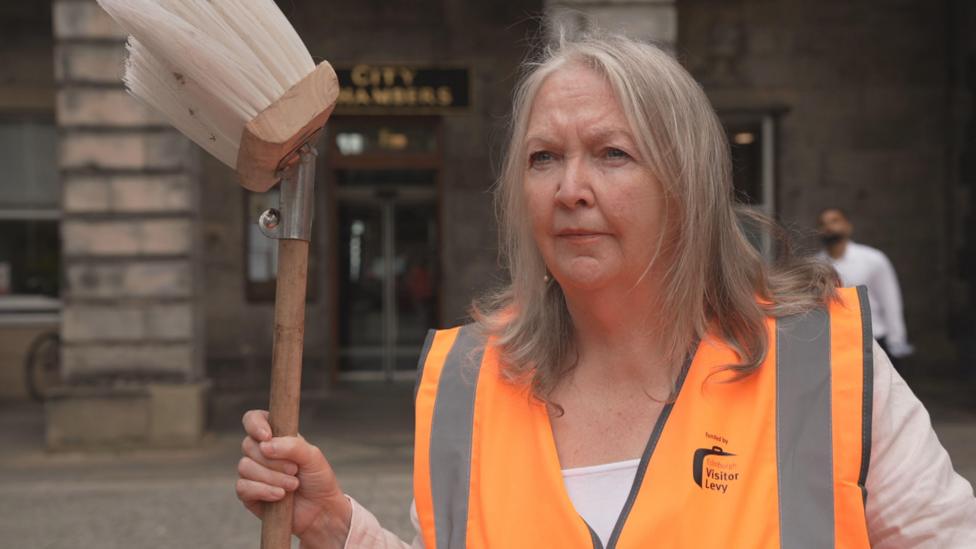
Visitor numbers in Edinburgh, as anyone who lives here will tell you, have risen, not just confined to summer.
It inevitably costs us more to maintain the city to the high standards needed and it didn't seem fair that residents had to pay for that, so it seems fair that visitors should contribute.
Roddy Smith, chief executive of Essential Edinburgh, said the tax should generate income to “improve” the city.
We all know the public purse is under some stress, so additional income is welcome,
But the most important thing of all is that the residents and the tourists who visit our city see a discernible improvement in the cleanliness, the security and the services we provide to our tourists, who are vital to the city's economy.
But not everyone sees the charge as a positive.
Scottish Ballet said it already faced a £200,000 bill for accommodating its 150 performers and crew and the levy put it under further strain.
The Glasgow-based company has cut the number of performances of its winter production to 17 in December, citing the “unsustainable economics of touring to Edinburgh”.
Ellie Jeffrey said the charge was causing “frustration” for some regular guests.
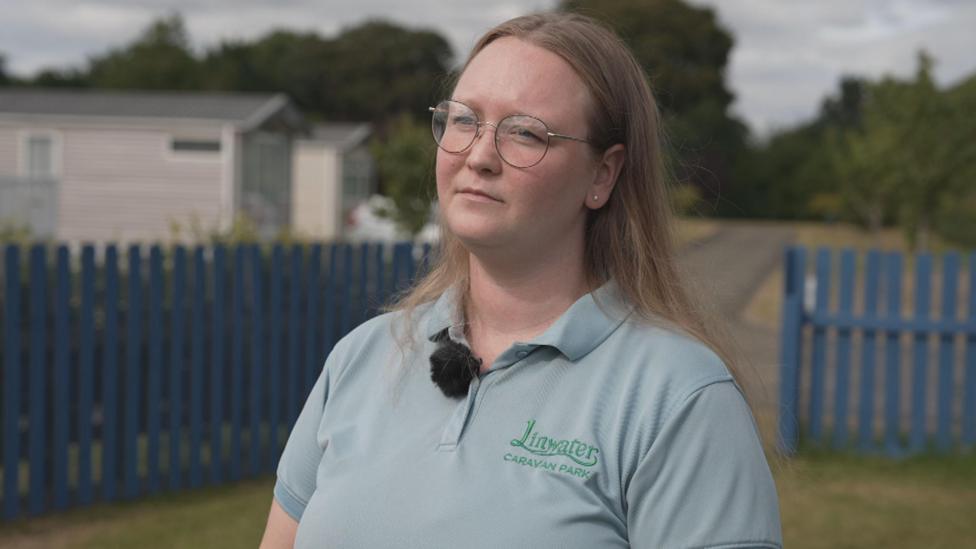
It's local guests who are coming for a couple of nights away from their own home, just as a respite,
Paying that extra tax, because they are already residents, they don't feel that they should be paying that extra tax to a city they already live in or around that they are already paying their taxes to.
Fiona Campbell, chief executive of the Association of Scotland’s Self-Caterers, said she was concerned about a lack of uniformity in collecting the tax.
There just isn't enough guidance for businesses, we're scrabbling around in the dark trying to do our best,
Different people are collecting the charge in different ways. Everyone is doing their best, but there is no simple way of doing it, so each individual business is having to make its own decisions on how to collect it, how to deliver it and how to remit it.
What is the situation in the rest of Scotland?
Edinburgh is not the first city in the UK to introduce a tourist tax. Manchester brought in a charge in 2023, with Liverpool following in 2025.
In Wales, the Senedd approved plans for local councils to roll out their own taxes from 2027.
Elsewhere in Scotland, a 5% levy in Glasgow is due to come into force from January 2027, while in Aberdeen a 7% charge will be introduced in April 2027 at the earliest.
Some of Scotland’s most popular tourist destinations, including the Scottish Borders, Dumfries and Galloway, Orkney and Shetland, have rejected any proposals.
There is also the prospect that the scheme could be revamped under revised legislation passed earlier this year.
The Visitor Levy (Amendment) (Scotland) Bill, passed at Holyrood ahead of the 2026 election, means councils would be allowed to change their tax from a percentage to a flat fee.
The terms of that bill state there must be an 18-month “lead in” before schemes already put in place by local authorities can be switched.
However, that drops to six months if the tax is already up and running.
Local authorities will also be required to consider whether schemes should be revoked after a three-year review of the scheme.
Edinburgh Castle is a big draw for tourists
Key Facts
- Edinburgh’s visitor levy starts on Friday and adds 5% to overnight accommodation bookings, capped at five nights.
- The council expects the tax to raise about £45m-£50m a year by 2028/29.
- Revenue is earmarked for housing, cultural projects, public toilets and a new city centre policing unit.
- Exemptions apply for some homeless people, domestic abuse survivors, asylum seekers, refugees and some disability benefit recipients.
- Similar tourist taxes are planned or already in place in other UK cities and parts of Scotland.


