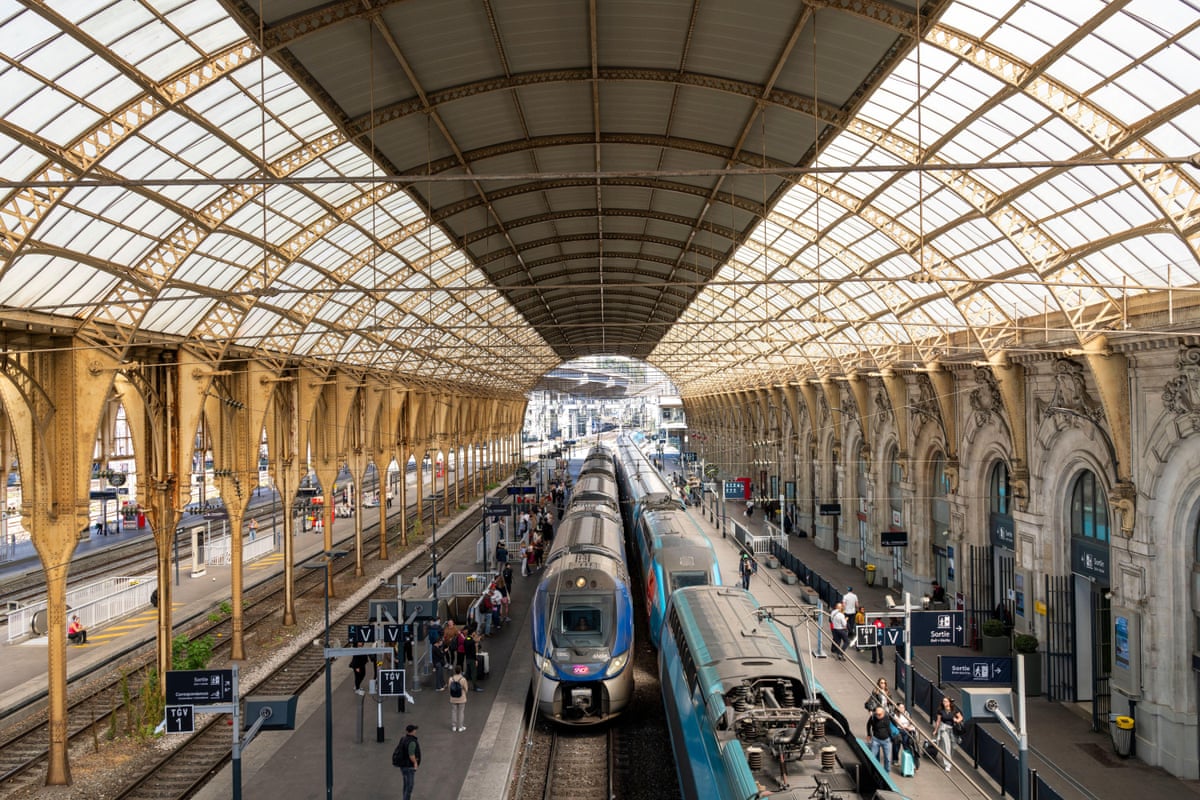
The platforms at Nice-Ville station pulse with activity on a bright Tuesday morning. Office workers navigate past backpackers, while travellers board trains bound for Monaco, Italy, Antibes and Cannes. Yet some passengers have a different destination in mind: the Train des Merveilles (Train of Wonders), which departs into the Alpes-Azur mountains, carrying them away from the glittering Mediterranean coast toward dramatic alpine scenery.
After reopening in December 2025 following a €74 million restoration project, this two-hour journey stands as one of Europe's most remarkable rail experiences. The route climbs 1,000 metres over 100 kilometres, connecting Nice with the medieval town of Tende and its surrounding soaring peaks. According to travel reports, the line had been closed for approximately 15 months before the works were completed.
How does the train navigate such steep terrain?
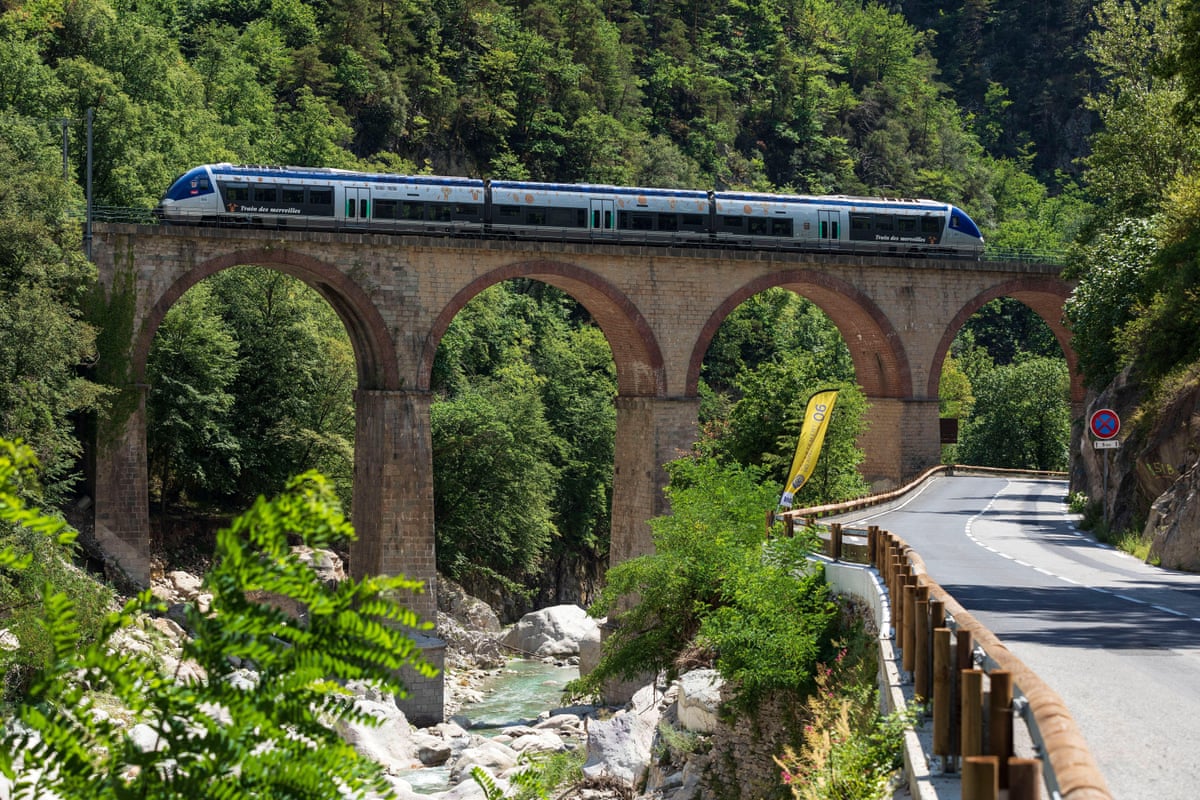
The engineering challenge is formidable. The line, originally constructed beginning in 1883, relies on more than 100 bridges and viaducts alongside nearly as many tunnels and retaining walls to hold the track in place. The most ingenious features are helical loop tunnels—spiralling passages that gain altitude by following a series of bends inside the mountain itself, allowing the train to climb without requiring impossibly steep gradients.
The restoration work was extensive. Engineers consolidated two tunnel vaults, stabilized 12 earthworks against landslide risk, replaced one rail bridge, rehabilitated three others, and renewed multiple track sections. The line now operates with hourly trains between Nice and Breil, and services every 30 minutes between Nice and Drap.
What does the journey reveal?
Within ten minutes of departure, Nice's suburbs dissolve into low hills scattered with auburn-roofed villas and chestnut groves. As the ascent intensifies, the landscape transforms. Jagged peaks emerge, making the valley road below appear as little more than a thin ribbon of asphalt.
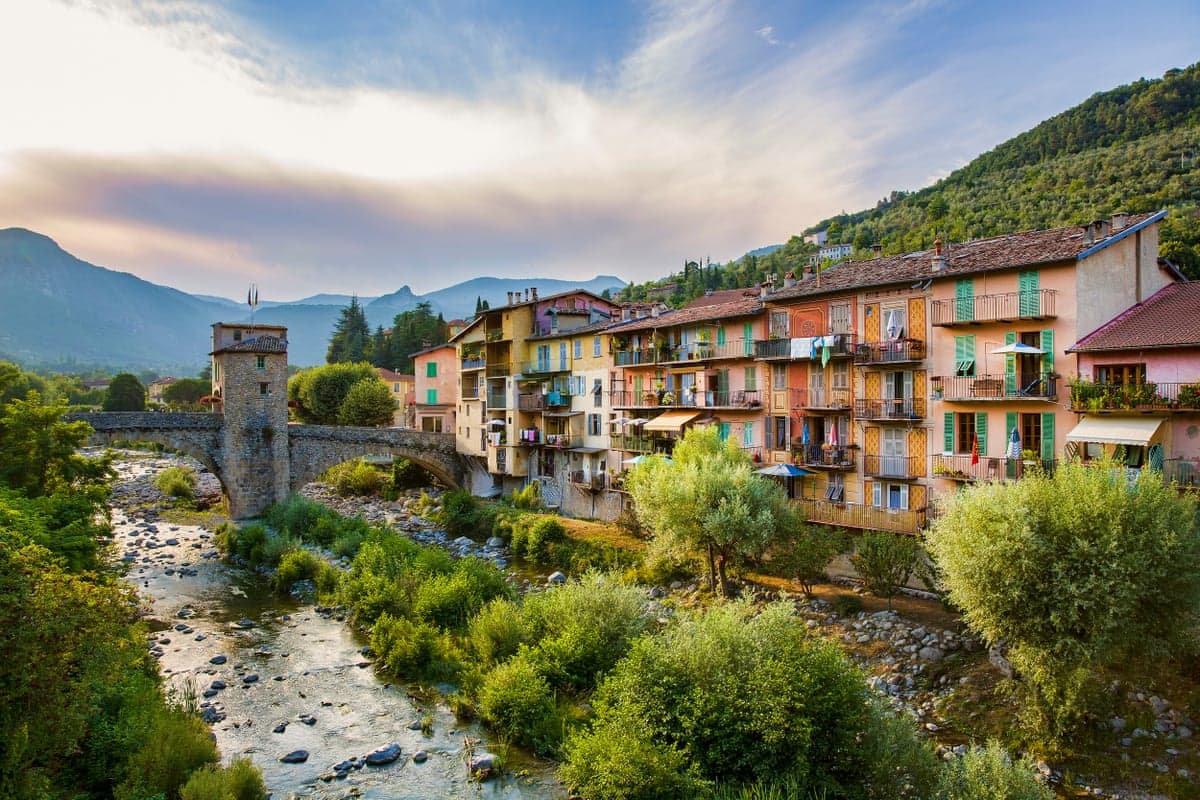
Many travellers ride directly to Tende and set out on mountain trails. Others choose to explore intermediate stops. Sospel, a medieval town where a 13th-century bridge straddles the Bévéra River, offers market stalls selling flowers, vegetables, wheels of cheese and fresh breads. Crumbling baroque churches and gothic-style houses line quiet streets—a world that feels entirely removed from Nice, despite being barely an hour away by rail.

Higher still lies La Brigue, gateway to the Mercantour national park. Its tangled medieval streets seem barely awakened from winter sleep, coming alive only when summer hikers arrive. The town's most celebrated landmark is a small church located a couple of miles outside the settlement. Named for seven springs that trickle through nearby rocks, parts of the structure date to the 13th century. Local legend holds that villagers built it as an offering of gratitude to the Virgin Mary after prayers for a new water source were answered. While the exterior is modest, the interior astonishes: walls and ceiling are covered in 15th-century frescoes by Giovanni Canavesio, rendered so vividly that the church has earned the nickname the Sistine Chapel of the Southern Alps.
What awaits at the final destination?
Tende sits at 800 metres above sea level, with houses clinging to the mountainside and nothing but wooded slopes leading to high peaks. A modern main street winds through clustered medieval houses toward the ruins of a fortress, from which views stretch to distant peaks of the massif—the last mountains before Italy. The effort of climbing is rewarded at a combination outdoor equipment shop and rustic eaterie, where hearty-looking cyclists in Lycra tuck into pints of lager and platters of local cheese and cured meats alongside mammoth croque monsieurs.
The town museum reveals that the area is home to one of Europe's largest Neolithic and Bronze Age rock-engraving sites. Tende's more recent history is tied to the Salt Road, a mule train route between the Piedmontese Alps and the Ligurian coast that operated from the middle ages until the 18th century. Built as the last French stop along this trade route, Tende's existence in such an isolated, mountainous location becomes comprehensible through this commercial heritage.
How does the journey connect to the broader region?
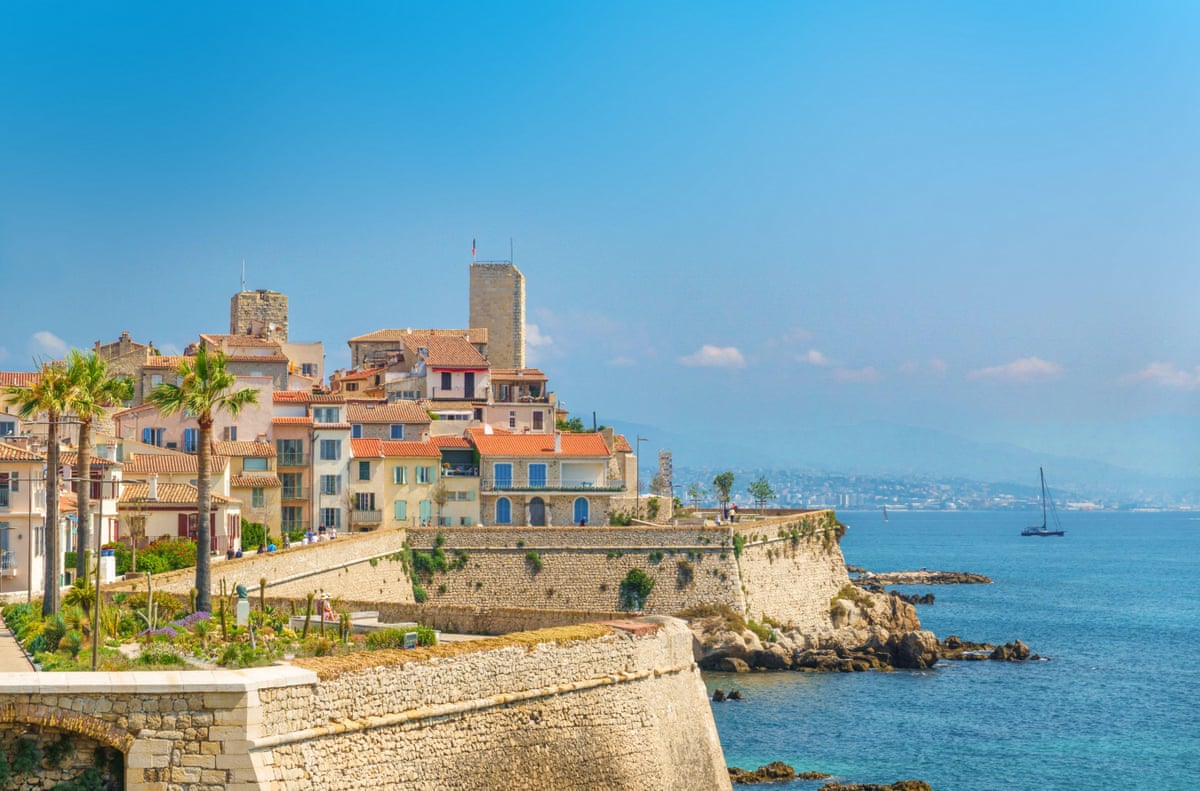
The Train des Merveilles functions both as a destination in itself and as a gateway to contrasting worlds, each accessible by short rail journeys. From Nice, a 40-minute journey west reaches Antibes, where gleaming yachts line the marina and 16th-century ramparts overlook kitesurfers crossing the bay. A 10-minute hop east arrives at Beaulieu-sur-Mer, where belle époque elegance pervades the streets and the Plage de la Petite Afrique offers swimming and seafood.
Nice itself rewards exploration. The old town, despite its tourist reputation, harbours exceptional restaurants. One establishment serves classic local dishes including daube Nicoise—a rich, slow-cooked beef stew—and duck breast with fig sauce. Another, a classic bistro with wood panelling decorated with reproductions of artworks by Joan Miró, Paul Klee and Roy Lichtenstein, offers traditional Provençal fish stew of remarkable quality. The city's culinary scene reflects its position as both a Mediterranean resort and a gateway to Alpine traditions.
When can travellers experience the route?
The Train des Merveilles operates on a seasonal schedule. According to the regional tourist service, the route runs weekends and public holidays from 4 April through 1 November 2026, with daily service from June through September. An onboard guide accompanies the 9:32 a.m. departure from Nice during the summer season. Special guided departures are scheduled from 14 February to 1 March 2026. Ticket prices begin at €17.50, and a regional rail day pass covering the Train des Merveilles costs €20.
Key Facts
- The route reopened in December 2025 after a 15-month closure for restoration work costing €74 million
- The two-hour journey climbs 1,000 metres over 100 kilometres, featuring over 100 bridges and viaducts plus ingenious helical loop tunnels
- Intermediate stops include Sospel and La Brigue, each offering medieval architecture and access to hiking trails in the Mercantour national park
- The line operates seasonally, with daily service from June through September 2026 and weekend service from April through November
- Nice serves as a base for exploring both the alpine route and the Côte d'Azur coast, with connections to Antibes and Beaulieu-sur-Mer within minutes by rail