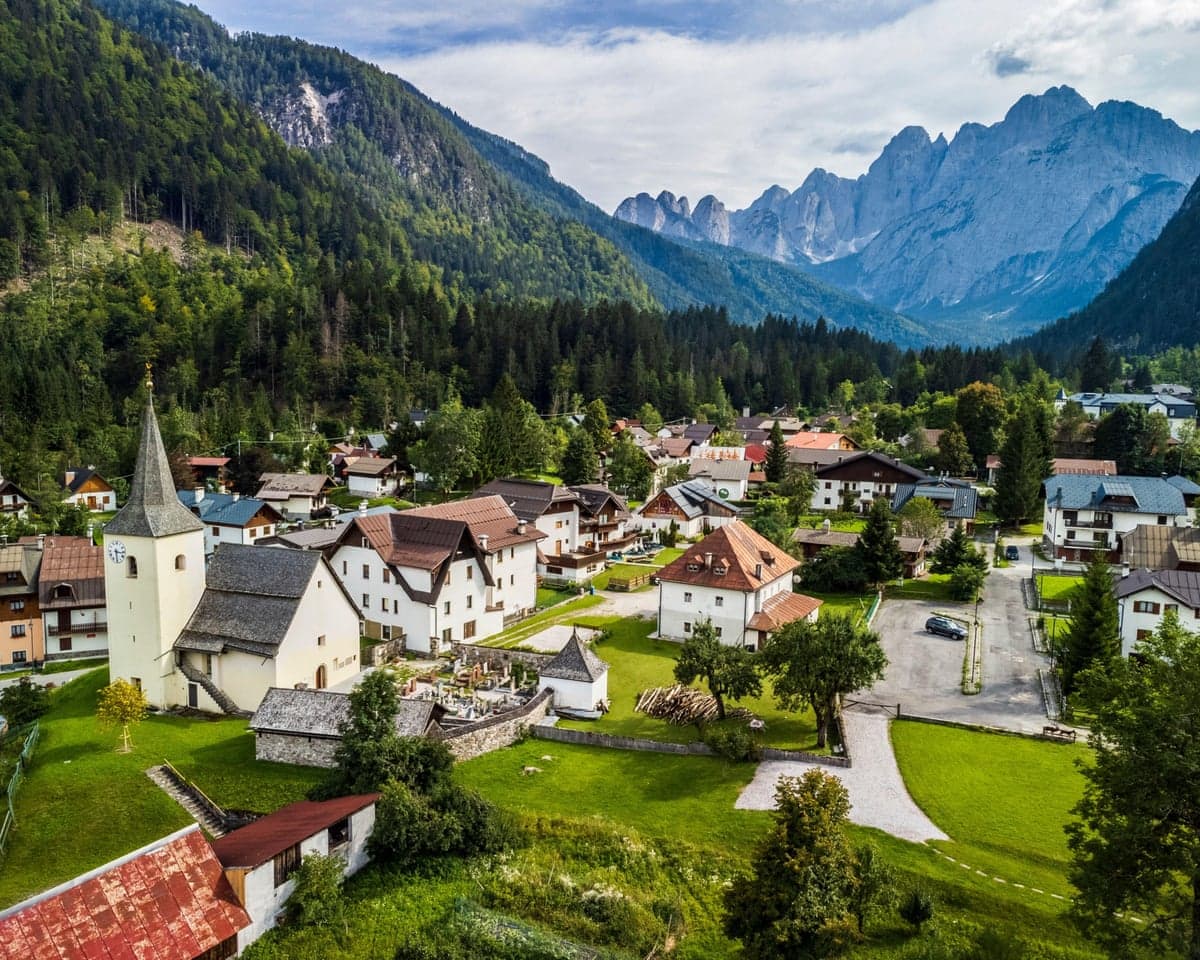
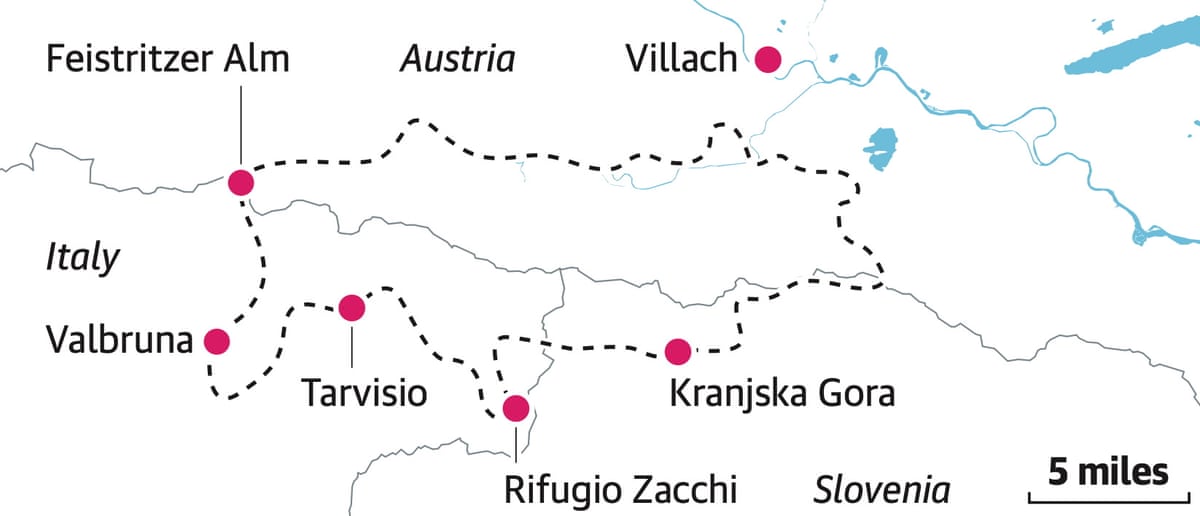
The Alpe Adria loop is an eight-day walking trail that crisscrosses borders between three Alpine nations, taking in dramatic peaks, glorious meadows and charming places to stay. Spanning 750 kilometres with 43 stages—24 in Austria, 8 in Slovenia, and 11 in Italy—the full route runs from the foot of Grossglockner, Austria's highest mountain at 3,798 metres, to the Adriatic coast near Trieste. A more manageable 135-kilometre loop has been created where the three nations meet, offering a moderate-graded, week-long alternative with daily walks of 15 to 24 kilometres.
The trail represents a remarkable achievement in cross-border cooperation. According to reports from the tourism sector, Austria, Slovenia and Italy renewed their three-year cooperation agreement at ITB Berlin in March 2026, keeping joint administration and funding in place until 2028. This commitment underscores the shared vision of the three nations to promote the Alps as a unifying rather than dividing force.
A Border That Nobody Minds
The reality of crossing between nations on the Alpe Adria becomes apparent almost immediately. On the Feistritzer Alm—a peaceful sweep of Alpine pasture at the meeting of Austria and Italy—a signpost marked the "state border" in no-nonsense Prussian font. Yet hikers walked straight past it, mountain bikers used it to prop up their cycles, cows grazed without regard for jurisdiction, and patrons of the Schutzhütte Oisternig enjoyed cold beers regardless of which country they occupied. While official boundaries have shifted throughout these mountains' history, the magnificence of the peaks has remained constant.
From Austria into Italy
The journey began in the Carinthian village of Feistritz, Austria. After breakfast at a local establishment and purchasing a loaf from the bäckerei, the route climbed past a 15th-century church as its bells called worshippers to prayer, then continued upward through pine forest to the high Alpine meadows and into Italy. Just beyond the Schutzhütte Oisternig sat the chapel of Our Lady of the Snows—known as Chiesa Madonna della Neve or Almkapelle Maria Schnee depending on linguistic preference—with deep-green foothills and the jagged Julian Alps stretching beyond.
The descent to Valbruna followed blessed shade and butterflies along paths weaving through pines with glimpses of distant peaks. The village offered accommodation with views across the Jôf Fuart range, which reaches 2,666 metres. The hotel's Julius Kugy Library provided a cosy retreat filled with books on alpinism, named after a writer-mountaineer born in 1858 to a Slovenian family in Gorizia—then part of the Austrian empire, now in Italy. Kugy is credited with opening up the Julian Alps and never lost his reverence for nature, always encouraging others to explore with respect, curiosity and awe.
Into Slovenia via Mountain Passes
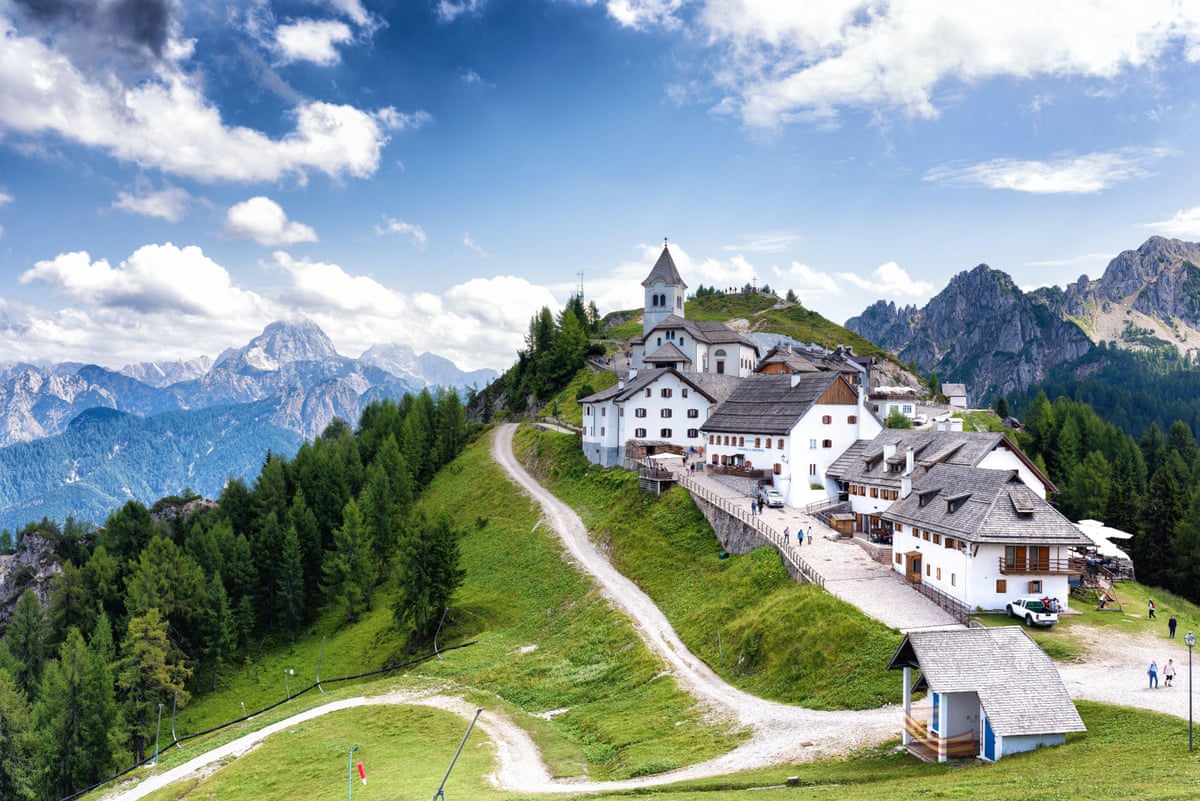
From Valbruna, the trail crossed the Saisera River and climbed through fir and spruce to Monte Lussari, a ridge-top pilgrim church and hamlet where the Virgin Mary is said to have appeared in 1360. Beyond the shops selling branded merchandise and liqueurs, the scattered mountains commanded attention. The descent continued via alpenrose and ambling goats to Tarvisio, where gelaterias offered a different kind of happiness. That evening, from a hotel balcony, a storm crashed through the valley, briefly erasing every mountain from view.

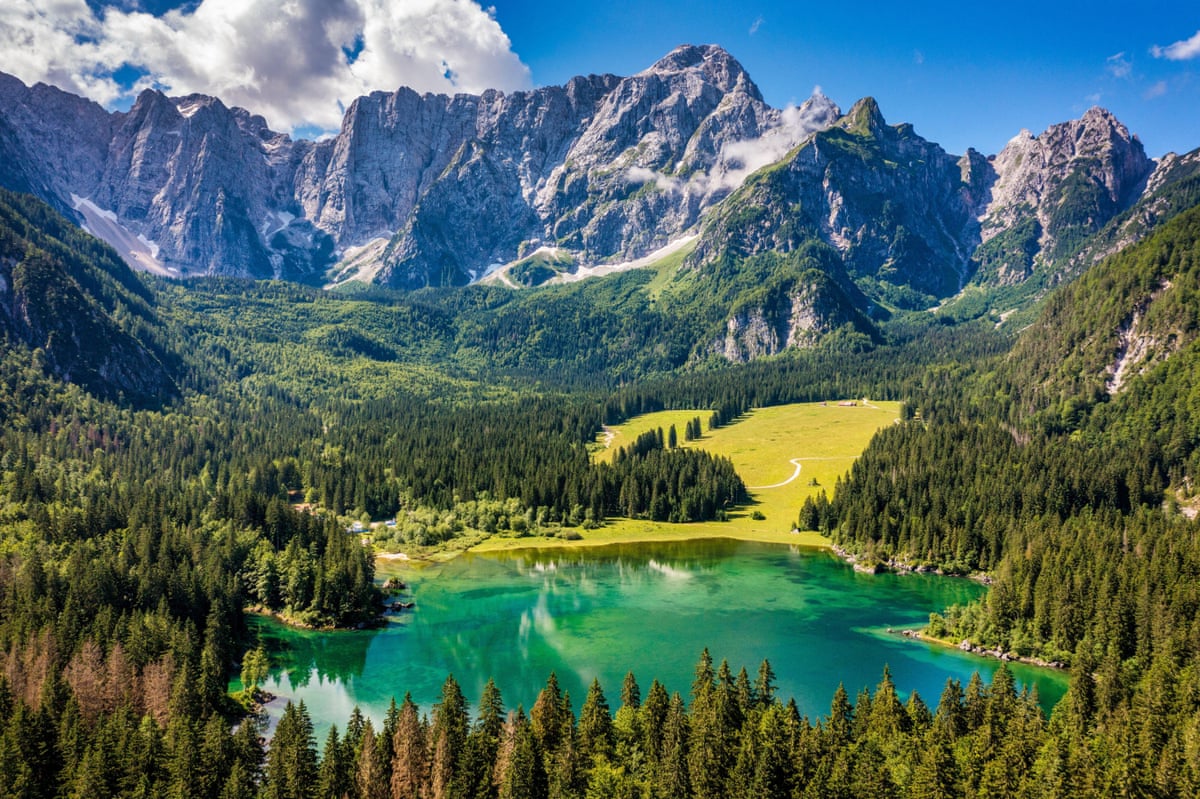
The next day brought the trail along woodland paths and then via a busy cycle path to the Fusine lakes—twin glacial bowls so arrestingly blue-green they seemed almost artificially enhanced. A quiet picnic spot overlooked the dazzling water and the afternoon's challenge: the haul up to Rifugio Zacchi.
Zacchi sits at 1,380 metres, tight-hugged by intimidating peaks marking the Slovenian border. The ascent through forest proved muggy and magical, leading to a refuge terrace where an Aperol spritz and views of the surrounding summits created a moment of transfixed contemplation. The food proved excellent—venison ragù, chargrilled peppers, and frico, a potato-pancake-like dish made with local montasio cheese. A private dorm provided refreshing rest before the next border crossing.
The most striking route would have crossed the forbidding-looking Vratca Pass, but the Alpe Adria instead backtracked down the Italian side to follow a path through the verdant Sava Valley to Kranjska Gora, an outdoorsy Slovenian town. This proved a pleasant entrance into Slovenia, though the exit proved spectacular.
The Highest Point and Return to Austria
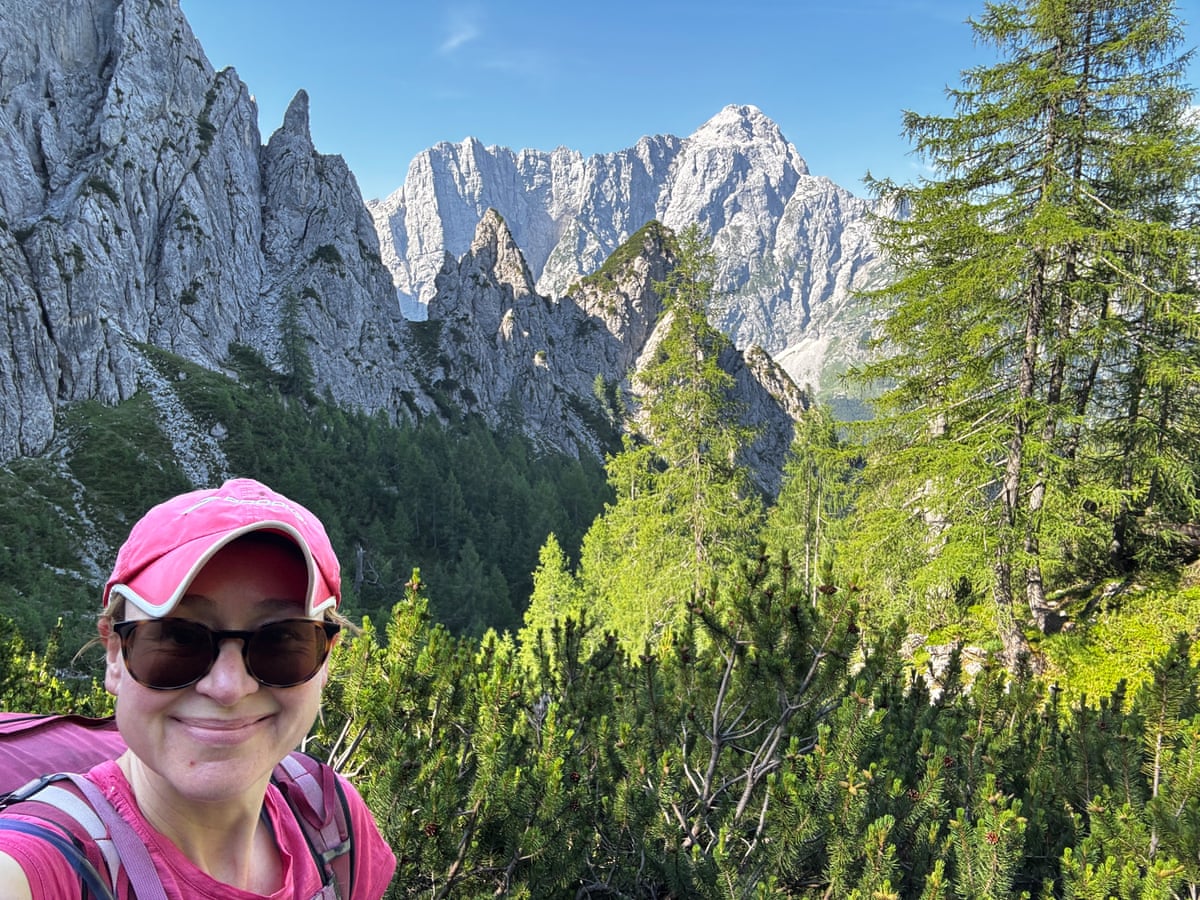
To return to Austria, the route crossed the Karavanke Alps and conquered the highest point of the loop: the 1,842-metre Schwarzkogel. An unrelenting climb began amid pasture and shingle roofs with sublime views to the Julian peaks, then deepened into forest serenaded by thrushes and trickling streams. As the summit approached, views opened south across Slovenia's surging summits and north across Carinthia's electric-blue lakes and low hills. Squat white marker-stones strung along the ridge's spine marked the international border more casually than most front gardens. Hikers slalomed between the posts, enjoying both the freedom of movement and the majesty of nature.
What Happens Next
For those interested in experiencing the Alpe Adria, a bookable beginner option runs daily from 10 June to 30 September 2026, starting from €436 per person in double occupancy. A guided Alpe Adria Trail Hike from Tarvisio to the Fusine Lakes is scheduled for 26 September 2026 at 08:15. The eight-day self-guided loop is available from £895 bed and breakfast through Walks Worldwide.
The Mountains as a Bridge
For millennia the Alps have served as physical and cultural barriers between nations. The Alpe Adria represents something different: a bringing together of peoples and landscapes. As Julius Kugy wrote in his introduction to one of his mountain books, the mountains should be understood as "a source of happiness, because such they were in my life." The trail embodies this philosophy, allowing hikers to experience the mountains not as boundaries but as shared treasures that unite rather than divide.
The regional tourism bodies in Carinthia, Slovenia, and Friuli Venezia Giulia have been coordinating cross-border hiking and cycling promotion as part of a broader Alpine-Adriatic tourism strategy, reflecting a commitment to presenting the region as a unified destination. This cooperation extends beyond hiking; a separate Alpine-Adriatic initiative in September 2026 was framed as a four-country effort involving Austria, Slovenia, Italy, and Croatia to strengthen EU integration through shared natural heritage and cultural exchange.
Key Facts
- The full Alpe Adria Trail spans 750 kilometres across 43 stages, ending near Trieste on the Adriatic coast
- The manageable loop covers 135 kilometres with daily walks of 15–24 kilometres, suitable for moderate fitness levels
- Austria, Slovenia and Italy renewed their cross-border cooperation agreement in March 2026, securing joint administration and funding through 2028
- The highest point of the loop, Schwarzkogel, reaches 1,842 metres and marks the border between Slovenia and Austria
- Guided and self-guided options are available, with beginner packages bookable through September 2026